Kamran Faqir is a volunteer investigative journalist and writer committed to exposing hidden truths and amplifying underreported stories. Driven by social justice, he brings sharp insight and fearless truth-telling to independent journalism. NUJ registered.
Original Article Data Published:
Article Date Modified:
Listen to this article
Help support our mission—donate today and be the change. Every contribution goes directly toward driving real impact for the cause we believe in.
A New Scramble For The Red Sea:
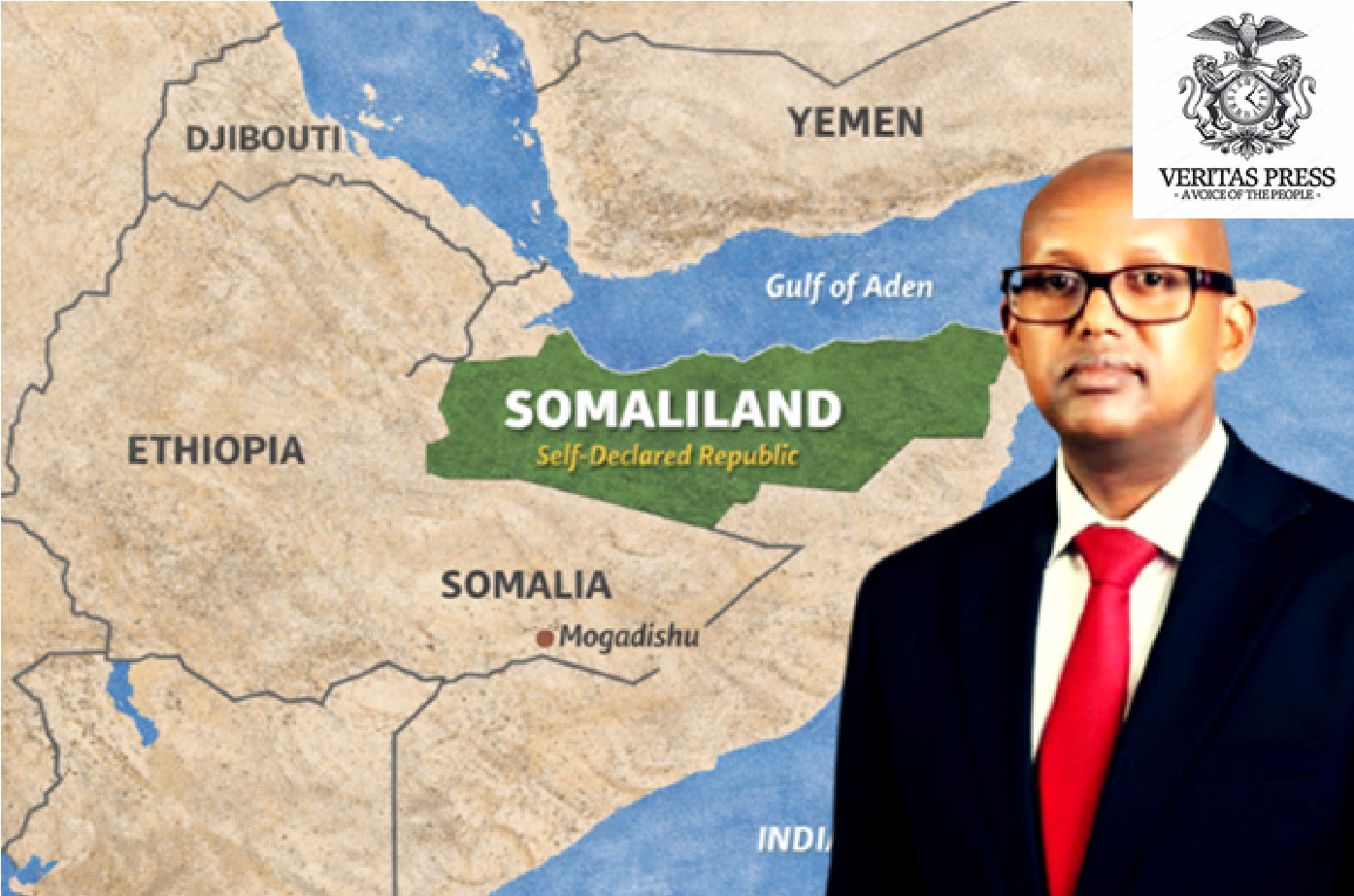
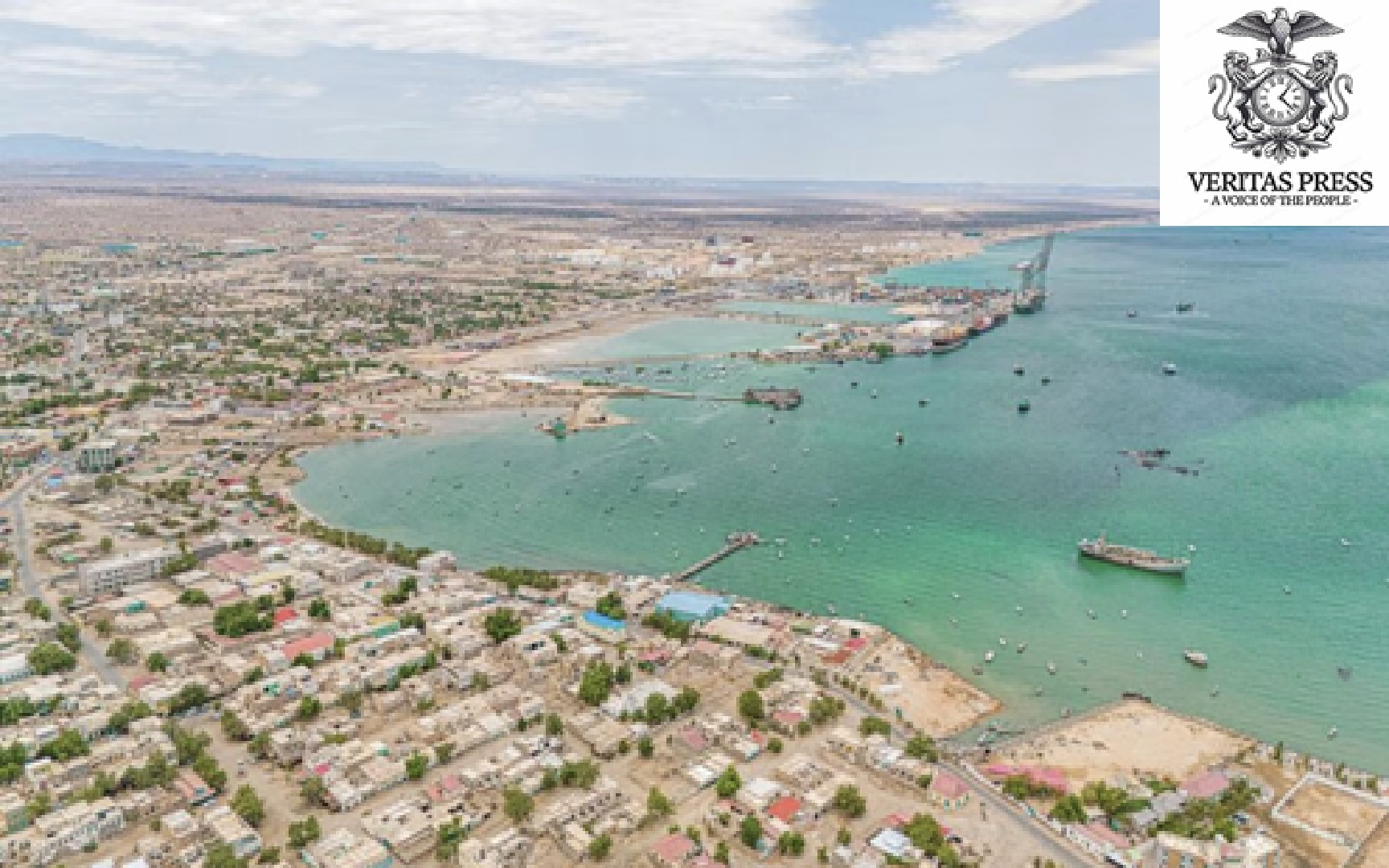
SOMALILAND – The Horn of Africa is once again emerging as the epicentre of a geopolitical realignment, driven by a high-stakes bidding war between global and regional powers. Nearly two months after Israel became the first and only nation to formally recognise the Republic of Somaliland, the breakaway region has dramatically escalated its diplomatic and military courtship of Washington.
In an interview with AFP on February 21, 2026, Somaliland’s Minister of the Presidency, Khadar Hussein Abdi, declared that Hargeisa is prepared to offer the United States “exclusive access” to its mineral resources and is “open to offer military bases” to the Pentagon. This dual-track proposal represents a calculated attempt by President Abdirahman Mohamed Abdullahi (Cirro) to leverage the transactional foreign policy doctrine of the second Trump administration.
But this moment is not simply about recognition. It is about leverage, land, minerals, and maritime chokepoints, and the price African territories are increasingly being asked to pay in exchange for geopolitical validation and security guarantees.
The Genesis: The Israeli Catalyst.
On December 26, 2025, Israeli Prime Minister Benjamin Netanyahu formally recognised Somaliland, signing a declaration framed in the spirit of the Abraham Accords.
Officially, the agreement emphasised cooperation in agriculture, innovation, and development. Strategically, however, it marked a significant recalibration of Red Sea geopolitics.
The Strategic Logic For Israel:
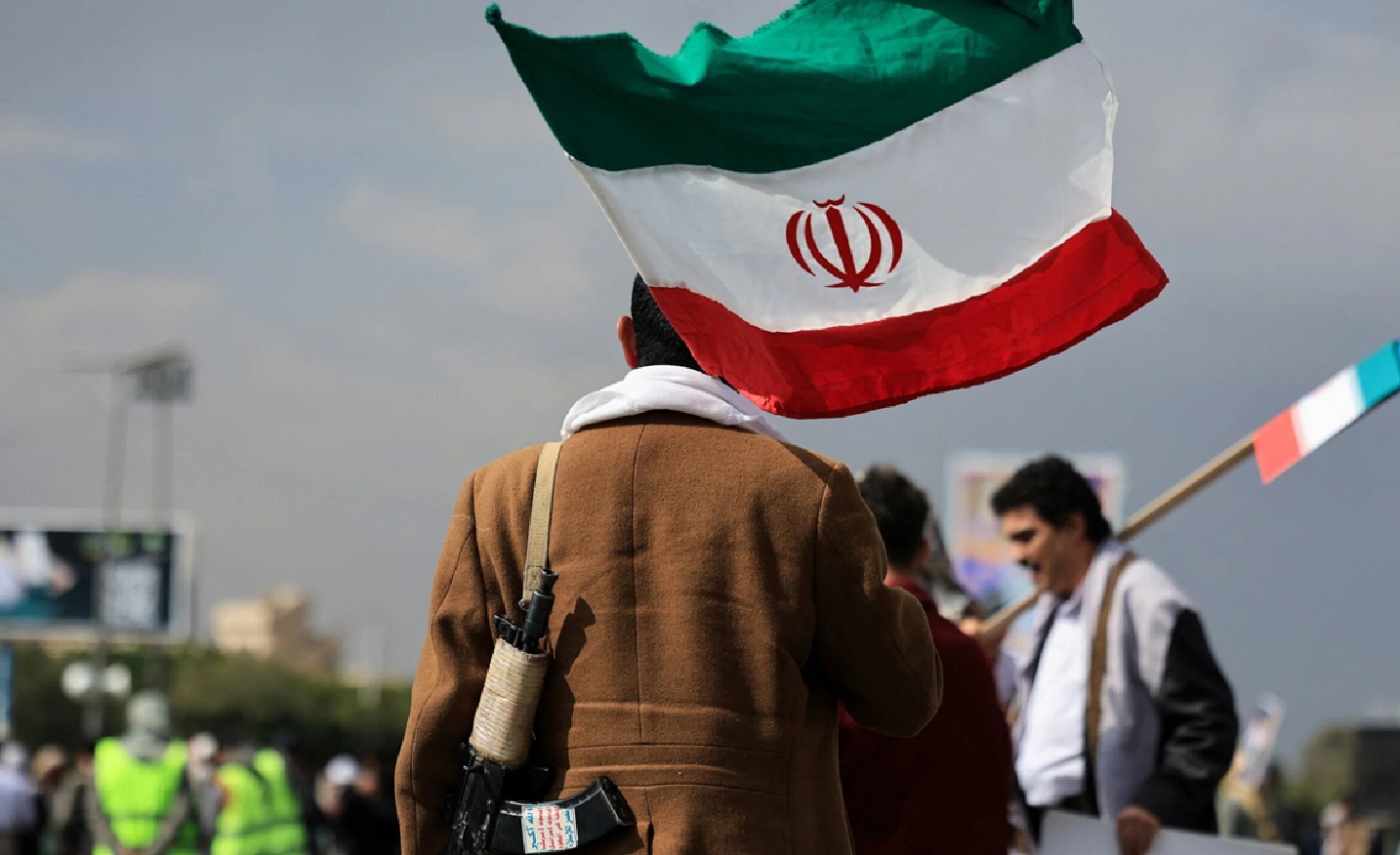
1. Countering the Houthi Threat Somaliland sits across the Gulf of Aden from Yemen. Since the Gaza war escalated, Iran-aligned Houthi forces have targeted Red Sea shipping and vessels linked to Israel. A foothold along Somaliland’s coast offers proximity to the Bab el-Mandeb chokepoint.
2. Intelligence and Surveillance A presence in Somaliland strengthens maritime monitoring capabilities along corridors allegedly used for Iranian-linked arms transfers.
3. Expanding the Abrahamic Framework By extending normalisation to strategically positioned Muslim-majority territories, Netanyahu expands Israel’s Red Sea perimeter while bypassing the African Union and Arab League consensus on Somali territorial integrity.
Fear, Deterrence, And Maritime Control:
The security justification underpinning this realignment centres on deterrence: protecting shipping from Houthi and Iranian-linked attacks.
Yet the strategic implications go further.
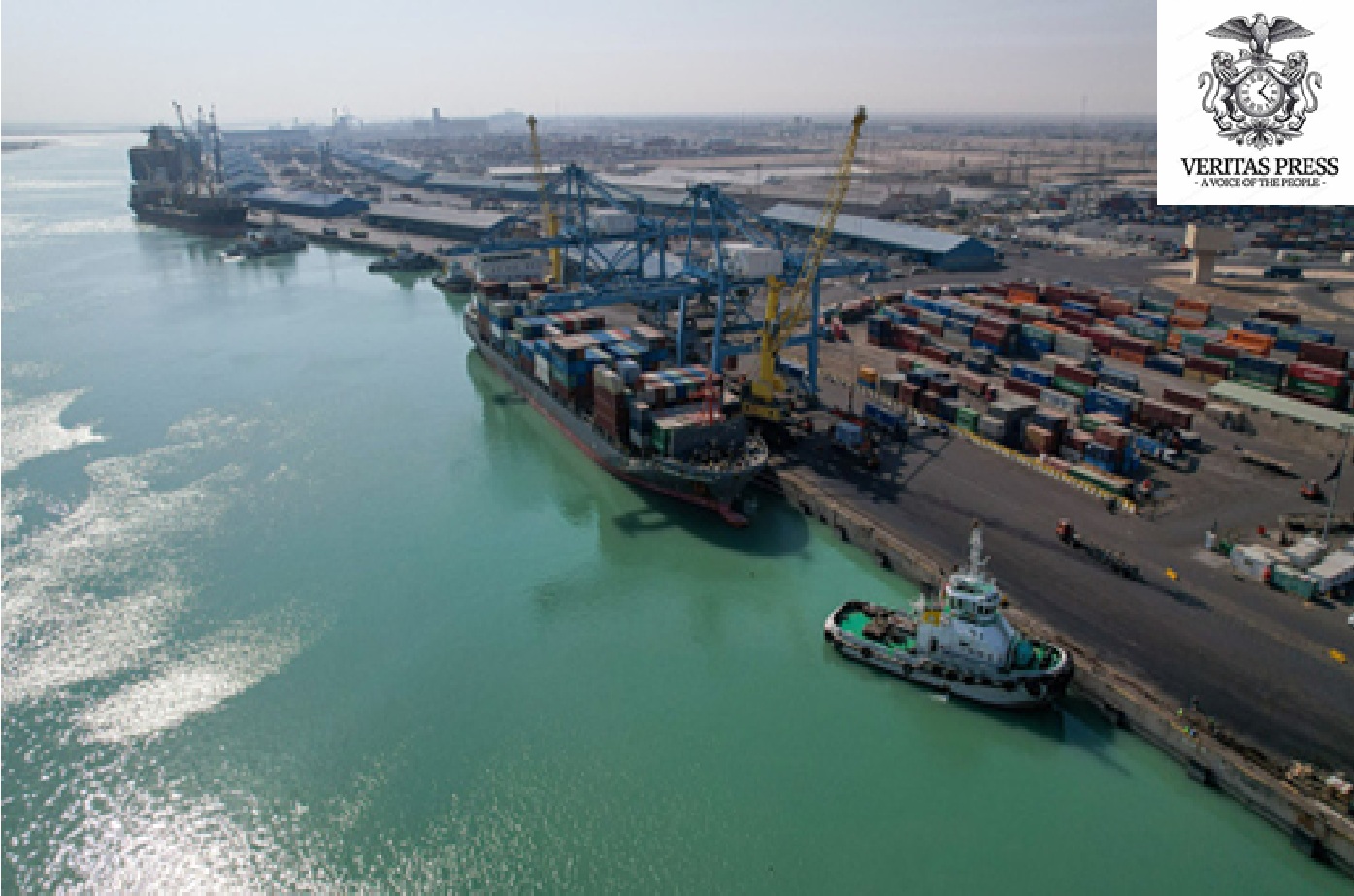
The Bab el-Mandeb Strait connects the Red Sea to the Gulf of Aden and onward to the Suez Canal. Approximately 10% of global trade passes through this corridor. Control, or even partial oversight, of its surrounding coastline carries enormous leverage.
By offering military bases to the United States and Israel under the banner of countering Iranian threats, Somaliland introduces a powerful dynamic:
Fear of regional subjugation by Iranian proxies legitimises foreign basing.
Foreign basing institutionalises long-term military infrastructure.
Military infrastructure consolidates influence over critical maritime routes.
What begins as defensive positioning can evolve into durable strategic entrenchment. Basing agreements framed as temporary counter-Houthi measures may embed US-Israeli oversight along one of the world’s most vital maritime arteries.
This is not overt annexation. It is strategic alignment through partnership, where security fears create the political conditions for expanded control of shipping corridors.
The Houthi Response:
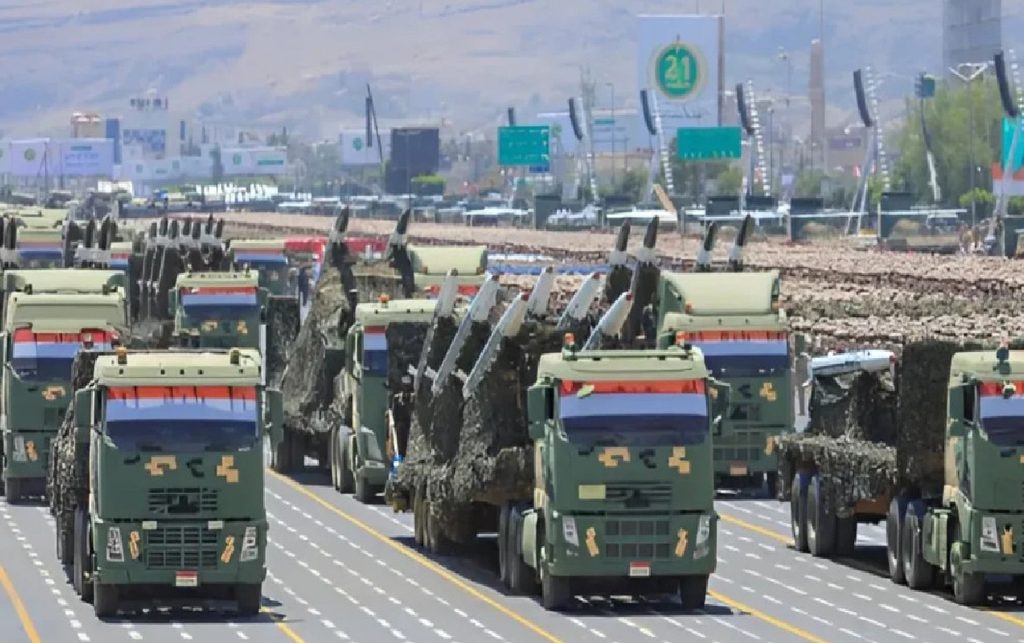
Yemen’s Houthi leadership swiftly warned that any Israeli military presence in Somaliland would constitute a legitimate target.
The warning reinforces a security spiral:
Recognition triggers threats.
Threats justify expanded basing.
Expanded basing heightens regional polarisation.
Somaliland risks becoming both shield and frontline in a widening proxy confrontation.
The Somaliland Pivot: Hard Assets On The Table.
1. The Military Calculus
Somaliland’s coastline provides proximity to the Bab el-Mandeb. While the US already operates Camp Lemonnier in Djibouti, Somaliland offers:
Shorter operational routes for drone and naval missions.
Reduced reliance on a single host nation.
The Pentagon could view this as strategic insurance. But layered atop Israeli recognition, it also signals potential consolidation of Western-aligned maritime oversight.
2. The Mineral Lever
Somaliland is promoting lithium and coltan reserves, materials critical for electric vehicles, batteries, and defence electronics.
Washington seeks alternatives to Chinese-dominated supply chains. Somaliland positions itself as a partner in that “de-risking” strategy.
However, independent geological verification remains limited. Public claims have outpaced certified reserve assessments. Without transparent and bankable surveys, mineral diplomacy functions more as geopolitical signalling than confirmed economic leverage.
Saudi firm Kilomass secured exploration rights in 2024, illustrating Hargeisa’s multi-vector approach, balancing Gulf and Western interests.
The Wider African Pattern: Partnership Or Quiet Entrenchment?
Somaliland’s manoeuvre reflects a broader continental trend.
Across Africa, governments facing fiscal strain, diplomatic isolation, or security threats are increasingly encouraged to monetise sovereignty itself.
Strategic minerals and ports are linked to:
Security guarantees.
Diplomatic recognition.
Military cooperation agreements.
Long-term extraction concessions.
This rarely appears as overt coercion. Instead, it unfolds through economic vulnerability and geopolitical competition.
The pattern often follows a familiar arc:
Announcements of untapped mineral wealth.
Opaque contracts with foreign firms.
Long-term land leases.
Militarisation to “protect investments.”
Revenue concentration among political elites.
In partially recognised territories like Somaliland, the calculus intensifies: recognition becomes conditional upon strategic concessions.
The risk is not only economic exploitation. It is a gradual territorial entrenchment, where mineral concessions span decades and military access agreements effectively embed foreign strategic presence along critical corridors.
The language is a partnership. The outcome may be dependency.
The Recognition Paradox:
Somaliland’s ability to formalise basing agreements hinges on sovereignty recognition. Any US-Somaliland defence pact would be contested by the Federal Government of Somalia and lack UN endorsement.
President Hassan Sheikh Mohamud has condemned Israel’s recognition as a violation of Somali sovereignty, mobilising diplomatic opposition at the UN and across Arab states.
To sign binding agreements, Washington would effectively need to treat Somaliland as sovereign. But doing so risks alienating Mogadishu, the African Union, and key regional actors.
Sovereignty thus becomes both the objective and the bargaining chip.
Turkey and Ethiopia: Competing Axes.
President Recep Tayyip Erdogan has warned that the Horn of Africa must not become a battlefield for foreign forces. Turkey’s military training missions, port investments, and mediation efforts in Somalia position Ankara as a major stakeholder.
An Israeli- or US-aligned Somaliland challenges Turkey’s regional architecture.
Meanwhile, Prime Minister Abiy Ahmed continues to seek maritime access for landlocked Ethiopia. A militarised Somaliland aligned with Western powers could either advance Addis Ababa’s ambitions or entangle Ethiopia in escalating rivalries involving Egypt, Eritrea, and Somalia.
The Afar Dimension:
Reports indicate Afar leaders, whose communities span Ethiopia, Eritrea, and Djibouti, are exploring outreach to Israel amid fears of marginalisation and Iranian-linked encroachment.
If recognition politics expand beyond Somaliland, other marginalised regions may interpret external sponsorship as attainable, further fragmenting fragile states.
Conclusion: Somaliland And The Architecture Of Silent Control.
Somaliland’s offer to Washington is the most consequential geopolitical gamble in the Horn of Africa in decades. It seeks to convert geography into sovereignty and minerals into recognition. But beneath the diplomatic choreography lies a deeper, continental question: are African states securing genuine strategic partnerships or being drawn into a new era of resource-backed dependency, maritime entrenchment, and silent territorial control?
For Washington, accepting Hargeisa’s offer could mean recognising Somaliland, alienating Mogadishu, straining ties with Ankara, and deepening confrontation with Iranian-aligned actors in a Red Sea increasingly framed as a theatre of proxy rivalry. For Somaliland, the mineral promise remains unverified, the security environment volatile, and the long-term costs of exclusive basing, military, political, and social, potentially destabilising.
Across Africa, a disturbing pattern is emerging. Land, minerals, and maritime corridors are increasingly treated as tradable assets in a global power struggle. Recognition and security have become currencies. Fear, particularly the spectre of Iranian proxy expansion, is deployed as the justification for foreign militarisation and strategic encroachment. Ports, coastlines, and mineral-rich territories are offered under the guise of partnership, but the deals often embed long-term dependency, elite capture, and external control over vital national assets.
Strategic minerals, lithium, coltan, and rare earths, are being marketed as gateways to economic development while simultaneously becoming levers of influence. Military access, framed as defensive insurance against regional threats, quietly entrenches foreign powers along critical maritime chokepoints. Recognition, framed as diplomatic validation, is being leveraged as a tool of subtle territorial consolidation. This is the anatomy of a silent takeover: the negotiation of sovereignty itself, converted into collateral for access, security, and profit.
The Horn of Africa now sits at the convergence of multiple crises and competitions:
The Gaza war’s spillover into the Red Sea corridors and far into the Middle East and Asia.
The intensifying US-Iran proxy rivalry.
The scramble for control over critical maritime chokepoints.
The global rush for lithium, coltan, and other strategic minerals.
Competing ambitions of Turkey, the Gulf states, and Ethiopia.
Somaliland, long marketed as an island of relative stability, now occupies the vortex of these converging great-power ambitions. Its geography is not merely land; it is leverage. Its minerals are not merely resources; they are bargaining chips. Its coastlines are not merely shores; they are potential instruments of maritime dominance.
This is not classic colonialism, but a subtler architecture of influence. Agreements framed as security partnerships, investment deals, or recognition exchanges can, over time, crystallise into permanent control over African territory and resources. Bases justified as defensive insurance may entrench foreign militaries along strategic waterways. Resource deals promised as economic opportunity may consolidate elite power while local populations bear environmental and social costs. Recognition, resources, and fear are exchanged simultaneously, quietly reshaping sovereignty itself.
Somaliland’s gamble is both emblematic and cautionary: the Horn of Africa is at once a prize, a pawn, and a proving ground for a new, high-stakes form of geopolitical control, one in which transactional diplomacy, strategic fear, and resource leverage replace formal conquest.
The question is no longer whether a new scramble for the Red Sea is underway. It is whether African sovereignty can endure when the language of bases, batteries, and bargaining chips supplants the law, transparency, and multilateral oversight and when the continent itself risks being quietly subordinated in the global calculus of power.
For The Secure Submission Of Documentation, Testimonies, Or Exclusive Investigative Reports From Any Global Location, please utilise the following contact details for our investigations desk: enquiries@veritaspress.co.uk or editor@veritaspress.co.uk
Popular Information is powered by readers who believe that truth still matters. When just a few more people step up to support this work, it means more lies exposed, more corruption uncovered, and more accountability where it’s long overdue.
If you believe journalism should serve the public, not the powerful, and you’re in a position to help, becoming a DONATOR or a PAID SUBSCRIBER truly makes a difference.
DONATION APPEAL: If You Found This Reporting Valuable, Please Consider Supporting Independent Journalism.
Help Support Our Work – We Know, We Know, We Know …
Seeing these messages is annoying. We know that. (Imagine what it’s like writing them … )
Your support fuels our fearless, truth-driven journalism. In unity, we endeavour to amplify marginalised voices and champion justice, irrespective of geographical location.
But it’s also extremely important. One of Veritas Press’s greatest assets is its reader-funded model.
1. Reader funding means we can cover what we like. We’re not beholden to the political whims of a billionaire owner. We are a small, independent and impartial organisation. No one can tell us what not to say or what not to report.
2. Reader funding means we don’t have to chase clicks and traffic. We’re not desperately seeking your attention for its own sake: we pursue the stories that our editorial team deems important and believe are worthy of your time.
3. Reader Funding: enables us to keep our website and other social media channels open, allowing as many people as possible to access quality journalism from around the world, particularly those in places where the free press is under threat.
We know not everyone can afford to pay for news, but if you’ve been meaning to support us, now’s the time.
Your donation goes a long way. It helps us:
Keep the lights on and sustain our day-to-day operations
Hire new, talented independent reporters
Launch real-time live debates, community-focused shows, and on-the-ground reporting
Cover the issues that matter most to our communities, in real time, with depth and integrity
We have plans to expand our work, but we can’t do it without your support. Every contribution, no matter the size, helps us stay independent and build a truly people-powered media platform.
If you believe in journalism that informs, empowers, and reflects the communities we serve, please donate today.
Kamran Faqir is a volunteer investigative journalist and writer committed to exposing hidden truths and amplifying underreported stories. Driven by social justice, he brings sharp insight and fearless truth-telling to independent journalism. NUJ registered.
SEATTLE, TEHRAN — The U.S. Department of Homeland Security (DHS) will allow Iran’s national football team to enter the country 48 hours before their critical World Cup match against Egypt on Friday, a modest concession in a tournament where Team Melli’s travel conditions have sparked claims of oppression and competitive disadvantage.