


Help support our mission—donate today and be the change. Every contribution goes directly toward driving real impact for the cause we believe in.
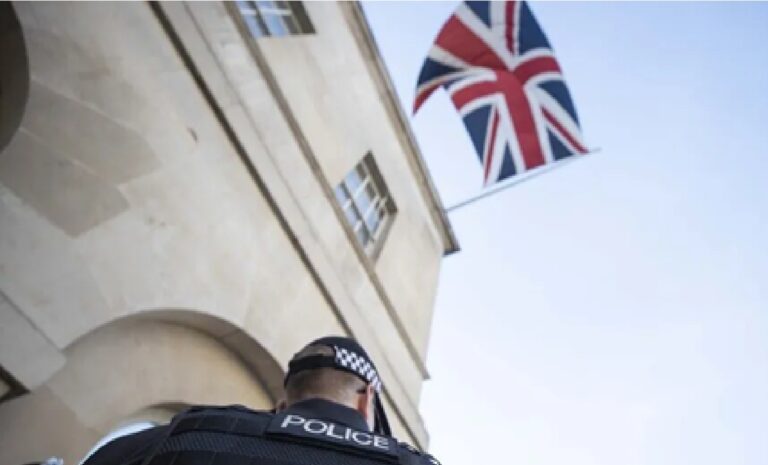
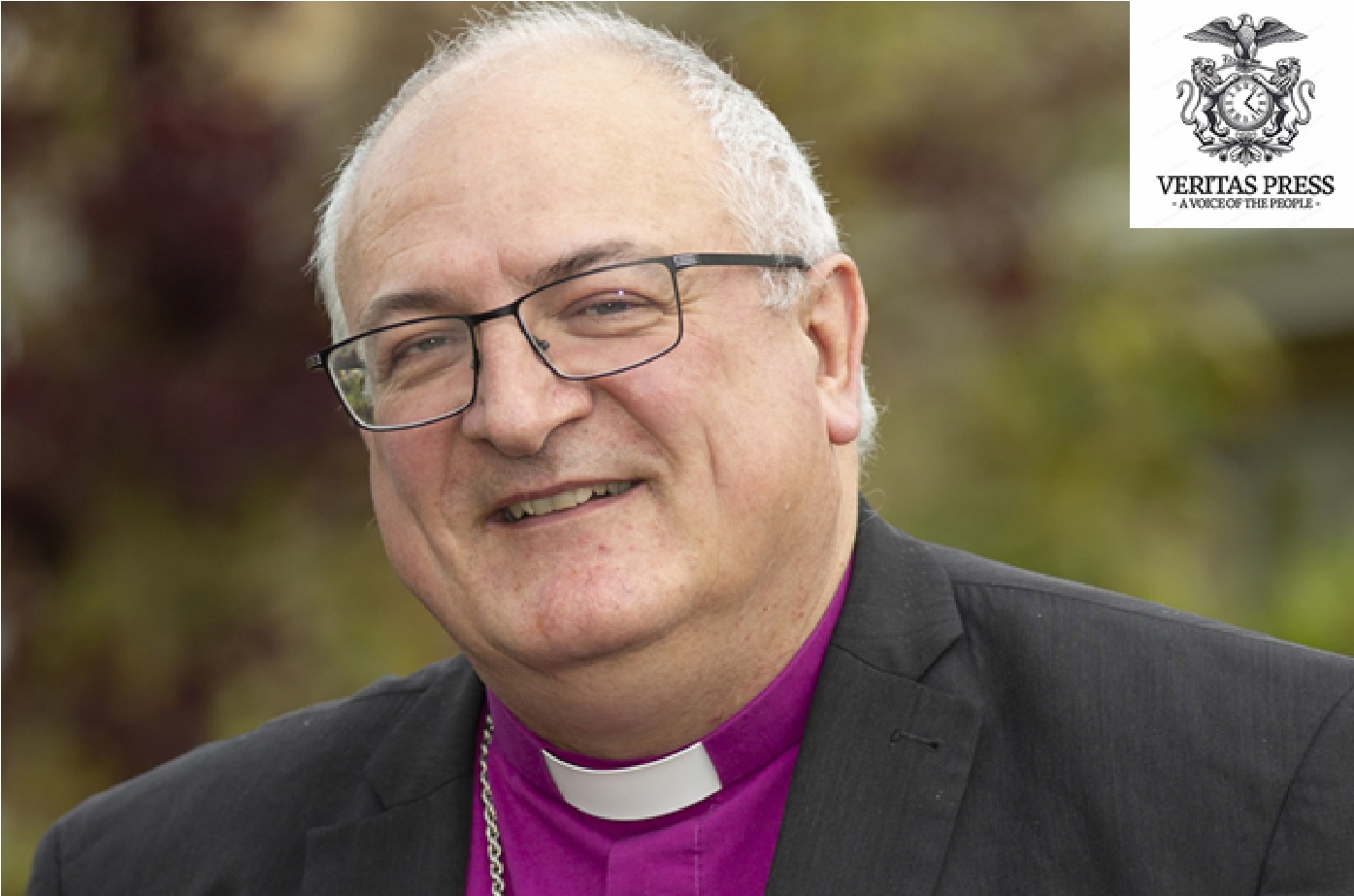
LINCOLN, UK – Stephen Conway, the Bishop of Lincoln, was arrested by Lincolnshire Police on suspicion of sexual assault. The force confirmed that a 68-year-old man was detained as part of an “ongoing investigation following an allegation that a man was sexually assaulted between 2018 and 2025”.
Conway has since been released on conditional bail.
In a statement, the Diocese of Lincoln confirmed that he had been suspended from ministry following a complaint to the Church’s National Safeguarding Team. The diocese said the complaint was being handled in accordance with the House of Bishops’ Code of Practice and had been referred to the “appropriate statutory authorities”.
No details of the allegation have been made public.
The Bishop of Grantham, Nicholas Chamberlain, will assume diocesan duties during the suspension. The diocese said “support is in place for those affected” and acknowledged that this would be a “deeply unsettling time”.
Suspension Ordered Amid Leadership Transition:
It is understood that Conway’s suspension was enacted under the authority of the newly appointed Archbishop of Canterbury, Sarah Mullally, who formally took office last month.
Mullally, the first woman to hold the role, assumed leadership of the Church following the resignation of her predecessor, Justin Welby, in November 2024 amid criticism over his handling of past abuse claims.
Just days before news of Conway’s arrest broke, Mullally publicly acknowledged that the Church had previously failed abuse survivors, admitting it had fallen “tragically short” in safeguarding. A former NHS chief nurse, she pledged a trauma-informed approach that would place victims and survivors “at the heart of all we do”.
The timing of the arrest, coming so soon after Mullally’s commitment to safeguarding reform, has intensified attention on whether the Church’s culture has fundamentally changed or whether systemic weaknesses persist.
A Senior Figure Under Investigation:
Conway was formally installed as Bishop of Lincoln in 2023, having previously served as Bishop of Ramsbury and Bishop of Ely. He has also sat in the House of Lords since 2014 as one of the Lords Spiritual, giving him a role in shaping national legislation.
His arrest raises uncomfortable questions about the oversight mechanisms governing senior clergy, particularly those who hold both ecclesiastical and political office.
The police investigation spans an alleged period from 2018 to 2025, years during which Conway held significant episcopal authority. While no charges have been brought and he remains on bail, the length of the alleged timeframe may prompt scrutiny over whether concerns were previously raised, how they were handled, and whether institutional reporting pathways functioned effectively.
Safeguarding Under Renewed Scrutiny:
The Church of England has faced years of reputational damage over historic abuse cases and failures to act decisively on complaints. Independent inquiries and survivor advocacy groups have repeatedly criticised what they describe as opaque processes, delayed disciplinary action, and a culture that prioritised institutional protection over accountability.
In this case, the Diocese of Lincoln emphasised that the complaint was referred to the National Safeguarding Team and statutory authorities in line with established protocol. However, campaigners have long argued that internal safeguarding bodies lack sufficient independence from the church hierarchy.
The House of Bishops’ Code of Practice provides for precautionary suspension where serious allegations are under investigation, but critics say such measures, while necessary, often occur only after public disclosure or police involvement.
The fact that Conway’s arrest became public through police confirmation rather than a proactive Church announcement may also draw scrutiny from transparency advocates.
Impact On The Diocese And Beyond:
Within the Diocese of Lincoln, clergy and parishioners now face uncertainty. The diocese has directed those affected to its safeguarding team and stated there will be no further comment while the legal process is ongoing.
Nationally, the case risks compounding an already fragile public trust. Mullally has pledged seriousness and focused direction in safeguarding matters, describing the Church as seeking to be “a stable presence in an unstable world”. Yet for many survivors and observers, stability is inseparable from accountability.
The arrest of a serving diocesan bishop, particularly one with a seat in the House of Lords, underscores the high stakes of safeguarding reform. The coming months will likely test not only the legal case but also the Church’s willingness to confront structural weaknesses, ensure transparency, and demonstrate that safeguarding commitments translates into consistent action at the highest levels.
As the police investigation continues, the presumption of innocence remains. But institutionally, the Church of England once again finds itself under the spotlight, its response to this case seen as a measure of whether its promised cultural shift is substantive or symbolic.

From Virginia’s Data Centre Valley to the parched communities of Uruguay and Gaza, the hidden
TEHRAN — The Islamic Revolutionary Guard Corps declared on Thursday that the Strait of Hormuz
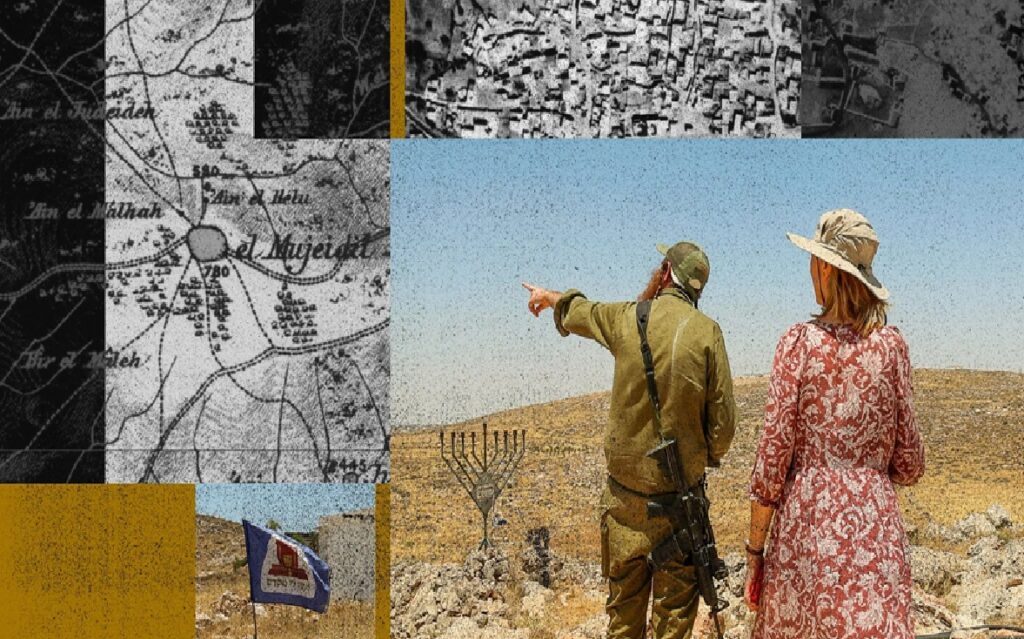
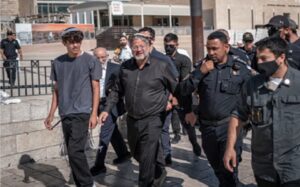
A tour of illegal outposts reveals the machinery of dispossession. New government billions, a fresh
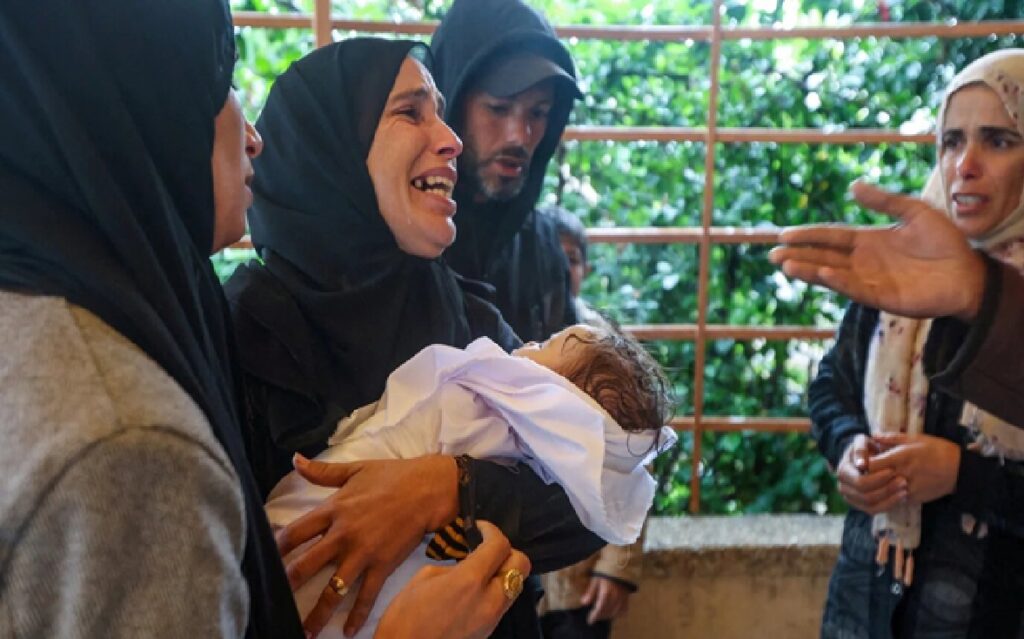
Multiple UN and human rights reports now converge on a single, devastating finding: Israel’s military
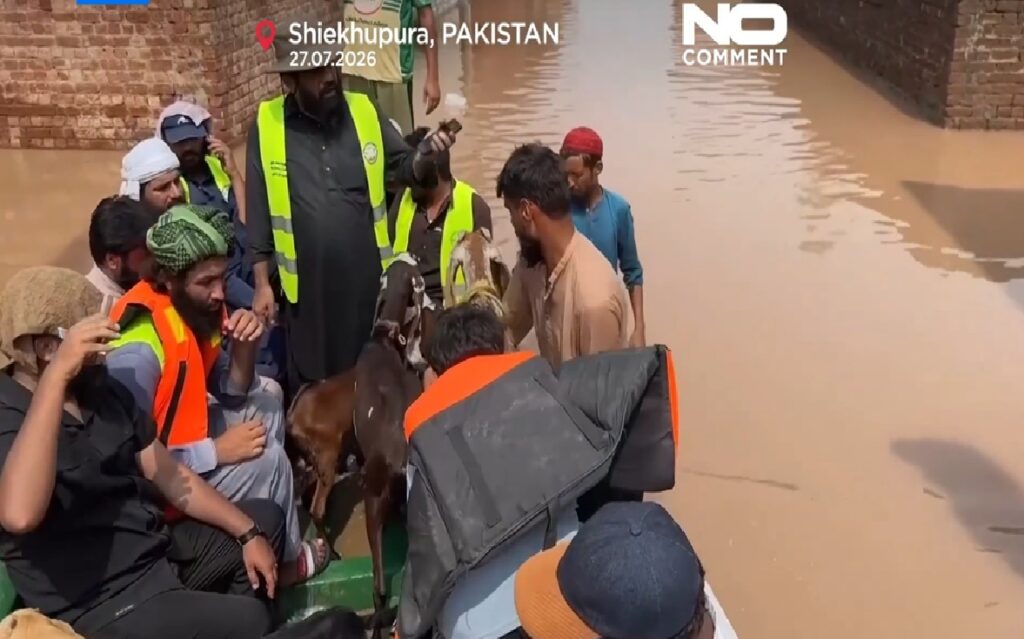
MURIDKE, SHEIKHUPURA DISTRICT – The floodwater swallowed Muhammad Ramzan’s world in the dead of night.
This article examines a hypothetical, but increasingly discussed, scenario in Westminster: what a Labour government
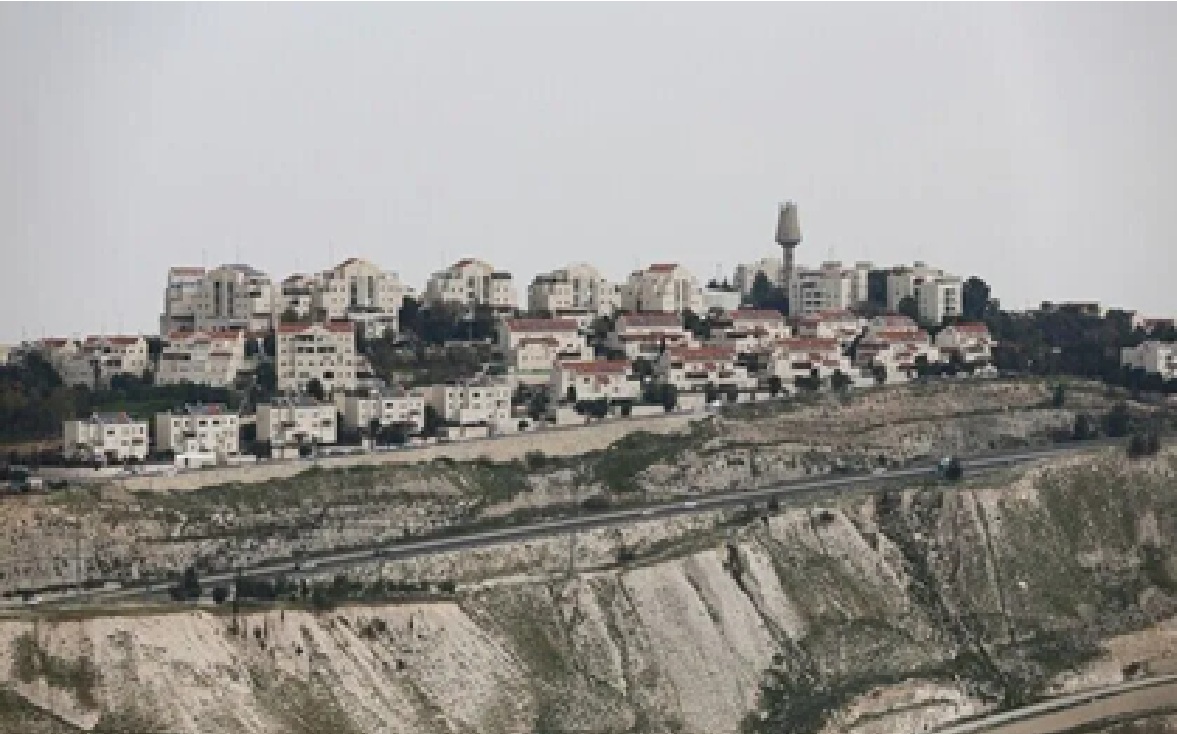
RAMALLAH, West Bank — July 27, 2026 — The notice arrived without warning, a terse
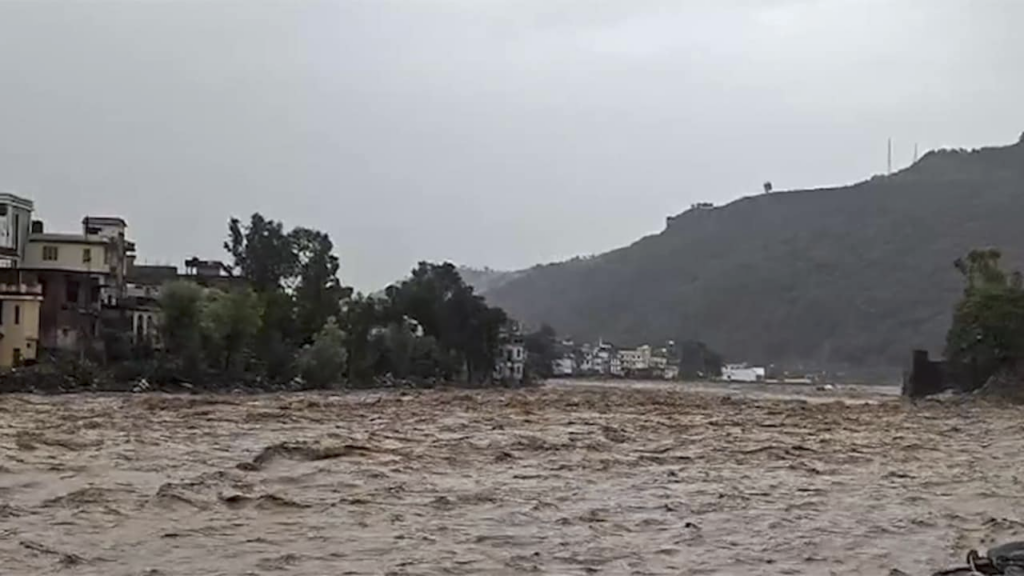
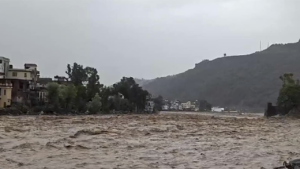
At least 28 dead. Highways severed. Pilgrimages halted. Entire villages swept away. As the debris
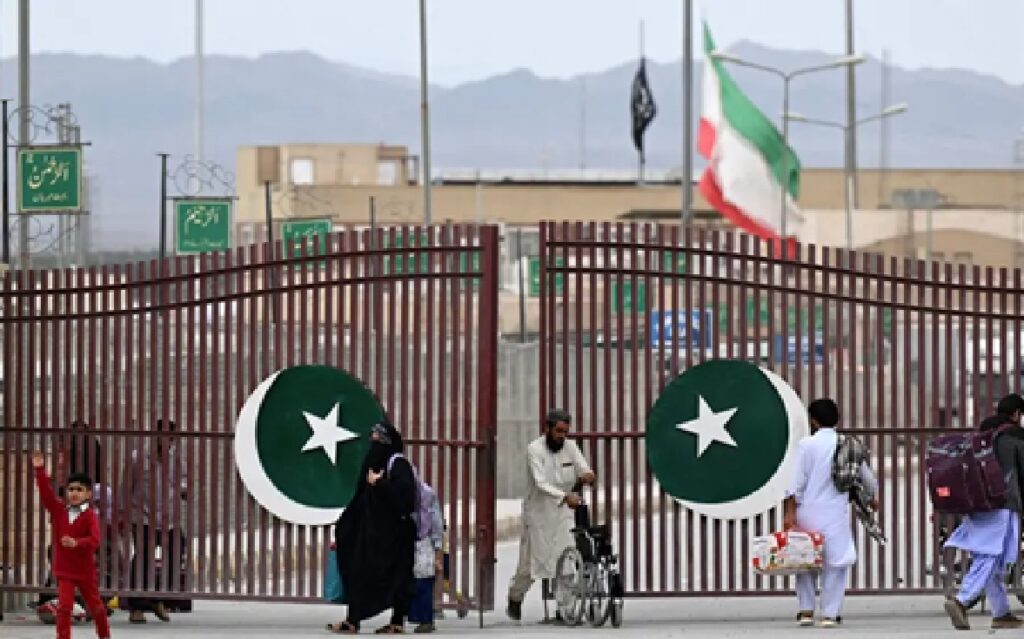
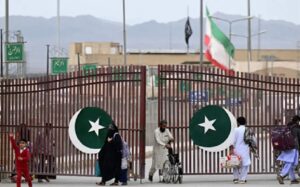
An Investigative Deep-Dive: As Houthi Missiles Strike Saudi Arabia And Kill Pakistani Nationals, Islamabad Finds
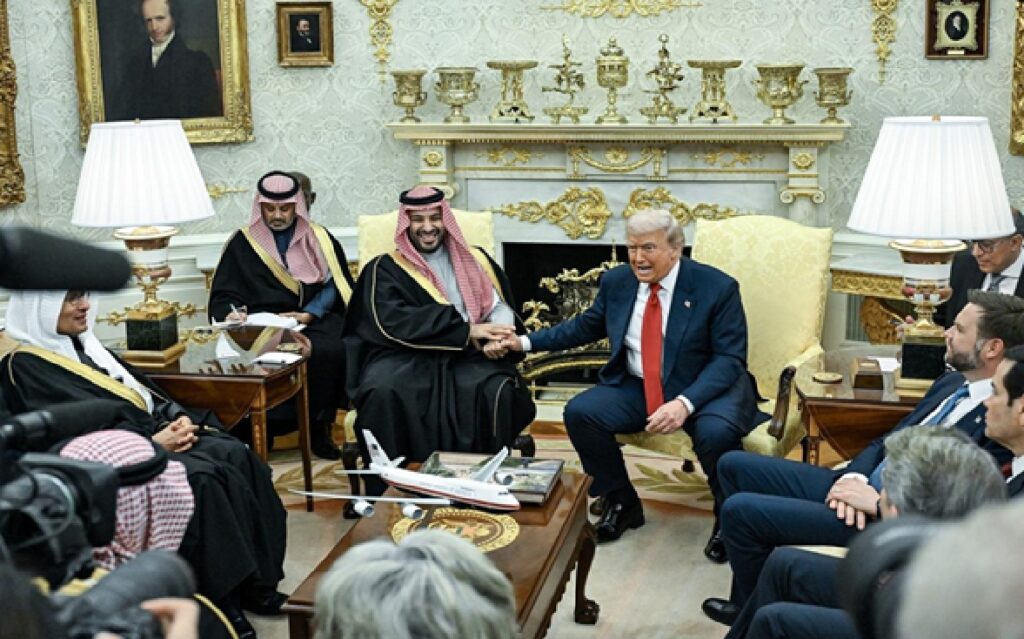
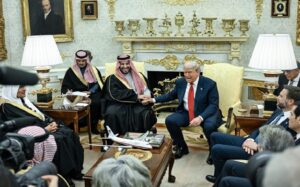
The United States has approved a landmark civilian nuclear cooperation agreement with Saudi Arabia, opening