Kamran Faqir is a volunteer investigative journalist and writer committed to exposing hidden truths and amplifying underreported stories. Driven by social justice, he brings sharp insight and fearless truth-telling to independent journalism. NUJ registered.
Original Article Date Published:
Article Date Modified:
Listen to this article
Help support our mission—donate today and be the change. Every contribution goes directly toward driving real impact for the cause we believe in.
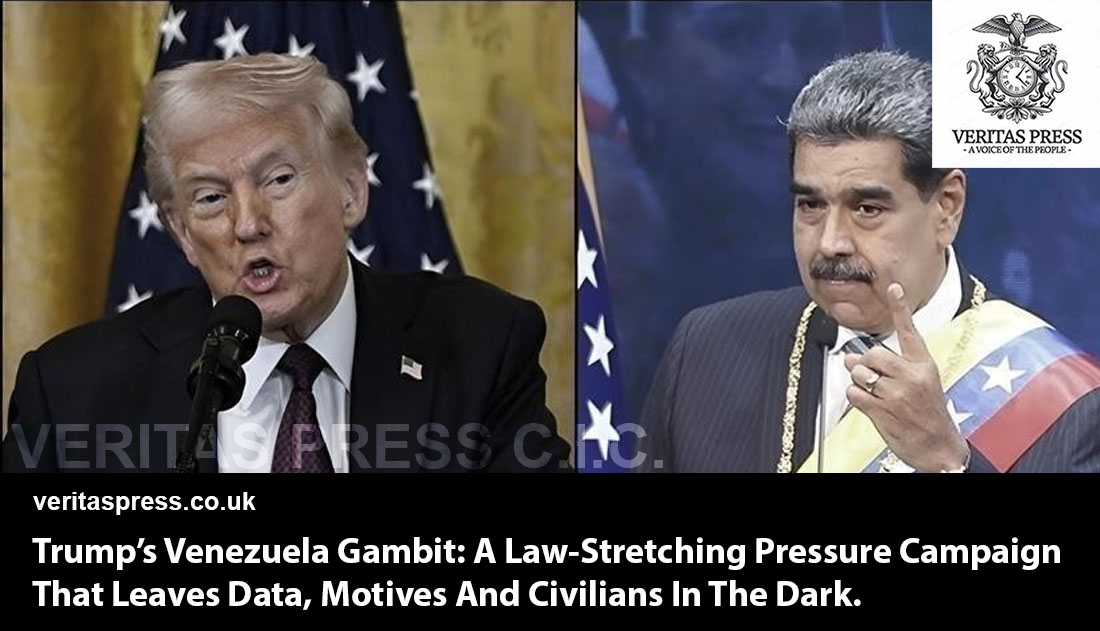
By reviving a decades-old “national emergency” and weaponising global oil supplies, the administration of Donald Trump, with Marco Rubio as one of its most forceful advocates, is dramatically intensifying pressure on Cuba, wagering that deprivation and systemic collapse may succeed where more than six decades of sanctions have failed.
What Washington frames as national security policy is increasingly interpreted by analysts, diplomats, and regional observers as a campaign of coercive economic warfare, one that risks triggering humanitarian fallout across the already fragile island.
A National Emergency Or A Strategic Pretext?
On January 29, 2026, Trump signed an executive order declaring that Cuba constitutes an “unusual and extraordinary threat” to U.S. national security, invoking sweeping authorities to create a tariff regime targeting countries that supply oil to the island.
The order relies on powers under the International Emergency Economic Powers Act, alleging that Havana aligns with hostile states and supports destabilising actors. Yet critics argue the threat is less immediate than structural, a legal foundation repurposed to tighten a decades-old embargo into something closer to an extraterritorial blockade.
The measure authorises tariffs on imports from any country that “directly or indirectly” provides oil to Cuba, effectively extending U.S. sanctions beyond its borders. For supporters, the move counters Havana’s geopolitical alliances; for opponents, it represents a dangerous precedent, punishing third countries for ordinary trade.
Oil As Leverage, And A Nation At Risk: The Consequences Are Already Materialising.
Mexico, Cuba’s largest recent oil supplier, confirmed shipments are currently at a standstill after Trump decreed tariffs on supplier states. President Claudia Sheinbaum called the sanctions “very unjust,” while simultaneously preparing humanitarian aid and seeking an arrangement with Washington to allow exports to resume.
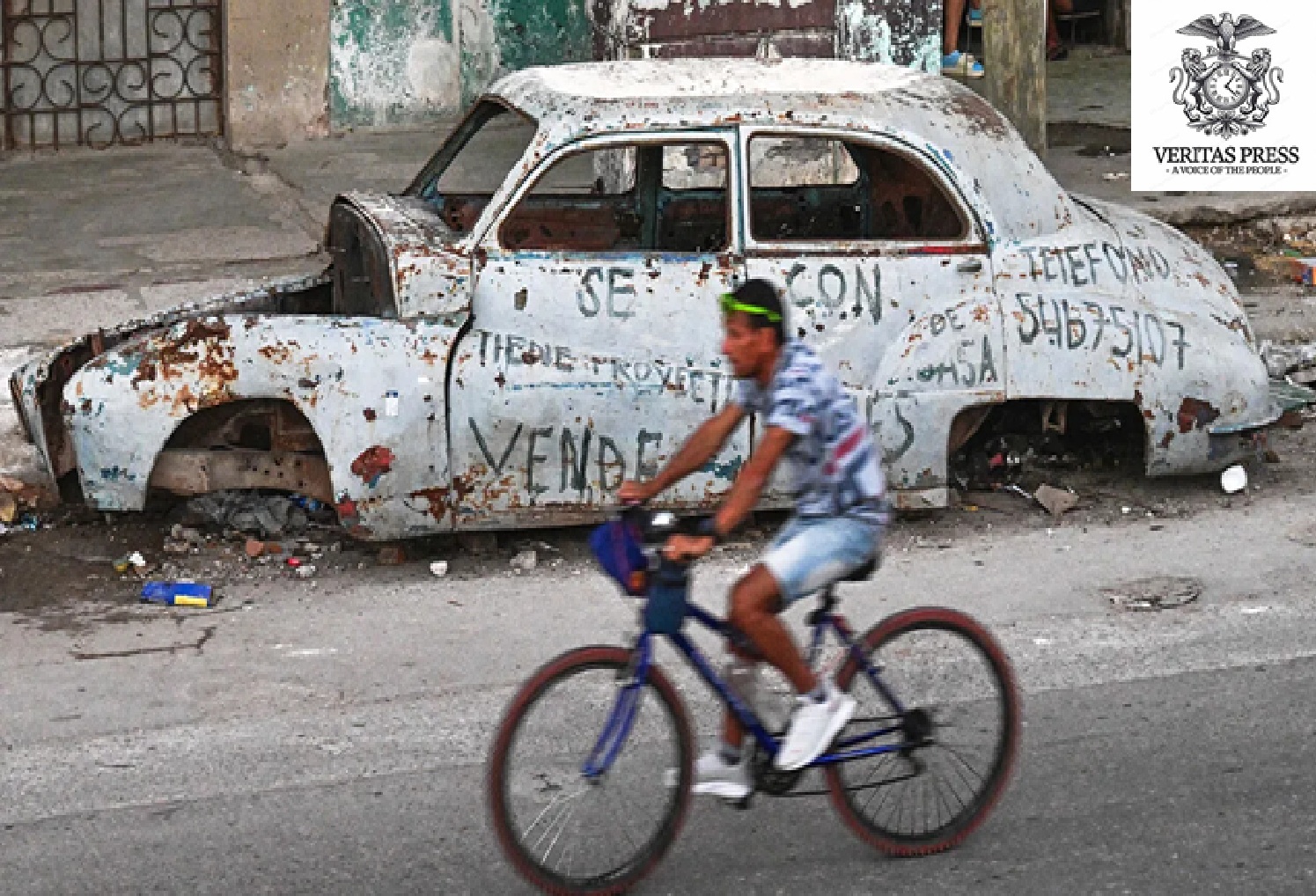
Between January and September 2025, Mexico had shipped nearly 20,000 barrels per day to the island, underscoring how central the supply line had become. Meanwhile, severe power outages, some lasting up to 12 hours, are affecting refrigeration, water pumping, hospitals, and daily routines. Officials warn that tightening fuel access could directly undermine essential services relied upon by ordinary Cubans.
This is not merely geopolitical, it is infrastructural, with fuel serving as the lifeblood of the island economy.
Resource Capture Under Siege:
The Trump-Rubio strategy is not only about coercing Havana politically, it is also about using scarcity to extract strategic and economic concessions. Analysts warn that limiting access to energy and resources creates leverage for foreign investors and multinational corporations to secure preferential deals under duress.
Key mechanisms include:
Distressed Investment in Energy Infrastructure — With refineries and power plants in crisis, Cuba may be forced to grant foreign firms joint ventures or management rights.
Mineral Extraction and Strategic Commodities — Cuba’s nickel, cobalt, and rare-earth deposits are critical for global markets; scarcity increases the likelihood of foreign actors obtaining control.
Financial Leverage — Sanctions compel the state to seek external credit, potentially tying resource access to repayment obligations and giving investors indirect influence over the economy.
Sectoral Co-optation Under Humanitarian Pretext — Emergency aid may come with strings, granting operational control of fuel or electricity distribution.
Long-Term Structural Dependency — Incremental reliance on external resources and finance entrenches foreign leverage over policy decisions.
This “coercion-through-scarcity” strategy effectively holds the Cuban economy hostage while minimising direct confrontation, a modern form of resource-based domination.
A Crisis Accelerates: Airlines And Power Systems.
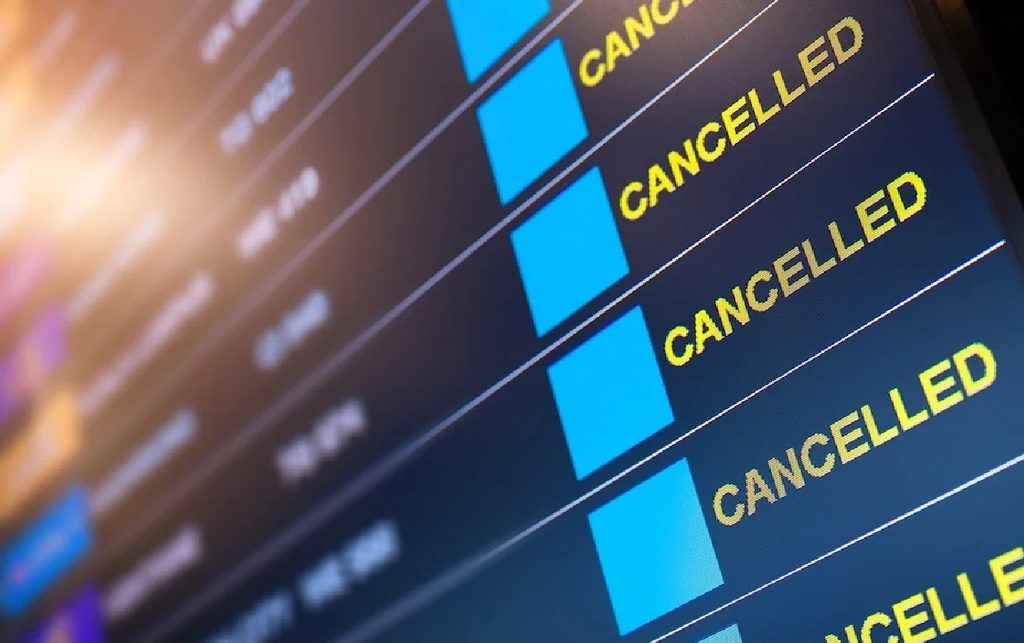
The energy squeeze has already impacted aviation. Cuban authorities warned that international airlines may no longer be able to refuel on the island because of jet fuel shortages triggered by the tariff threat. All international airports could be affected for up to a month. A commercial pilot described the announcement as extraordinary even for a nation accustomed to chronic shortages.
Simultaneously, Venezuela, historically a key supplier, has halted shipments under U.S. pressure, pushing up prices for food and transport while contributing to prolonged blackouts, even in Havana. Cuban officials question whether Washington can realistically enforce a full stoppage of foreign fuel shipments indefinitely.
Diplomacy By Threat And Talk Of A “Deal”:
Despite escalating pressure, Trump has floated negotiations. “I think we’re going to make a deal with Cuba,” he said, adding that Mexico “is going to cease” sending oil, a statement interpreted as both prediction and warning.
The paradox is striking: diplomacy floated publicly while the economic vice tightens. Analysts see this as a familiar sequencing strategy: escalate first, negotiate later from a position of overwhelming leverage.
Under these conditions, any “deal” that Cuba might accept could include de facto concessions over strategic resources, foreign investment rights, or energy infrastructure, effectively making the crisis a mechanism for economic capture.
Rubio’s Hard Line, Ideology Meets Strategy:
Rubio has long championed a confrontational approach toward Havana, framing pressure as support for democracy. Critics argue that broad economic punishment rarely empowers civil society; instead, it entrenches political elites while worsening popular hardship. Historically, sanctions harden nationalist resistance rather than produce rapid regime collapse. Now, combined with resource control and backdoor investment leverage, this approach risks entrenching both dependence and inequality.
The Caribbean Doctrine Returns?
Cuba’s crisis is part of a broader strategy for hemispheric dominance. Experts describe this pattern as the “Donroe Doctrine,” a modern reassertion of U.S. interventionism. Its components are clear:
Economic Coercion: Sanctions, trade restrictions, and energy blockades.
Political Pressure: Diplomatic intimidation, election interference, and promotion of opposition actors.
Resource Leverage: Opportunistic access to energy, minerals, and strategic sectors under duress.
Selective Force: Military warnings or operations when other measures fail, as demonstrated in Venezuela.
Other nations are entangled:
Venezuela: Targeted via extrajudicial operations and sanctions, creating opportunities for foreign access to oil infrastructure.
Nicaragua: Economic coercion and trade restrictions weaken government autonomy, emboldening opposition groups aligned with Washington.
Honduras, Colombia, Mexico: Sanctions, military threats, and political interference extend U.S. influence and pressure governments into compliance.
Cuba is the current test case for applying these tactics simultaneously: economic paralysis, resource leverage, and political intimidation.
Human And Political Cost:
Fuel shortages disrupt airlines, threaten tourism revenue, and intensify blackouts, cascading through food distribution, transportation, and healthcare. Venezuelans endure prolonged energy and financial sanctions. In Nicaragua, coercion amplifies political instability. Across the Caribbean Basin, the human cost is immediate and severe, while the structural cost, the gradual loss of resource sovereignty, is already taking shape through emergency deals and coerced foreign investment.
Negotiation Or Collapse?
Havana has signalled openness to dialogue, provided sovereignty is respected. Yet the trajectory points toward escalation, not détente. The emerging strategy is increasingly clear:
restrict energy → induce economic paralysis → coerce political and economic concessions → enable foreign control over key sectors
Whether that formula produces reform, instability, or prolonged suffering is the central question looming over U.S.–Latin America relations.
Conclusion: Pressure, Resources, And The Future Of Cuba.
The Trump administration has chosen coercive economic pressure over engagement. Supporters see a necessary resolve against an adversarial state. Critics see collective punishment disguised as a strategy, compounded by opportunistic resource capture.
History suggests that political transformation under coercion is long and uncertain. Humanitarian deterioration and economic subjugation, however, could arrive far sooner, measured in darkened homes, grounded aircraft, strained hospitals, and the gradual erosion of national autonomy.
And should that scenario unfold, the cost will not be borne in Washington, but in Havana, Caracas, Managua, and across the Caribbean Basin.
Down with imperialist aggression! Out of Cuba, Venezuela, and Latin America! No to the blockade, sanctions, and external control of resources! Solidarity with the working people of the Caribbean Basin!
Kamran Faqir is a volunteer investigative journalist and writer committed to exposing hidden truths and amplifying underreported stories. Driven by social justice, he brings sharp insight and fearless truth-telling to independent journalism. NUJ registered.
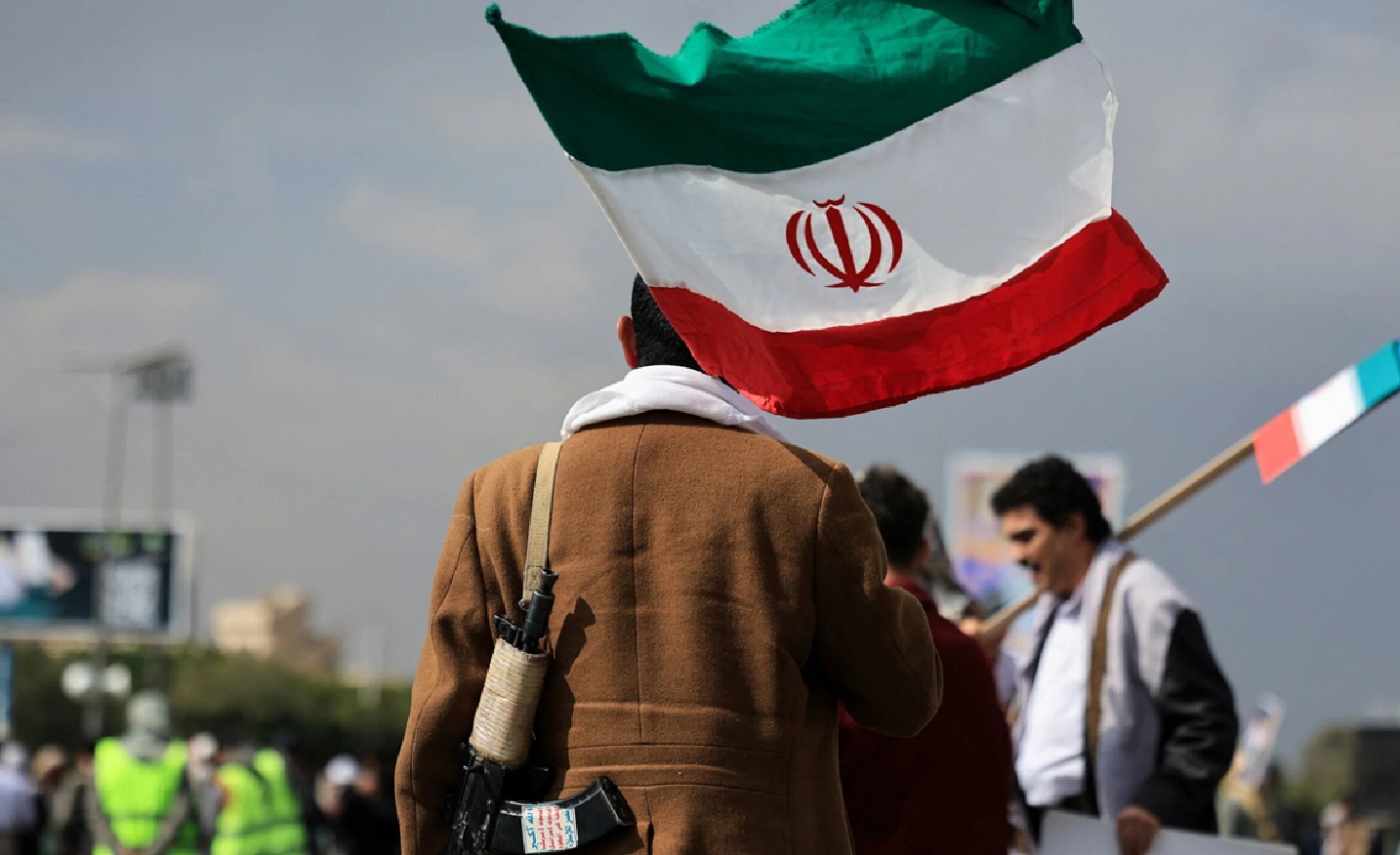
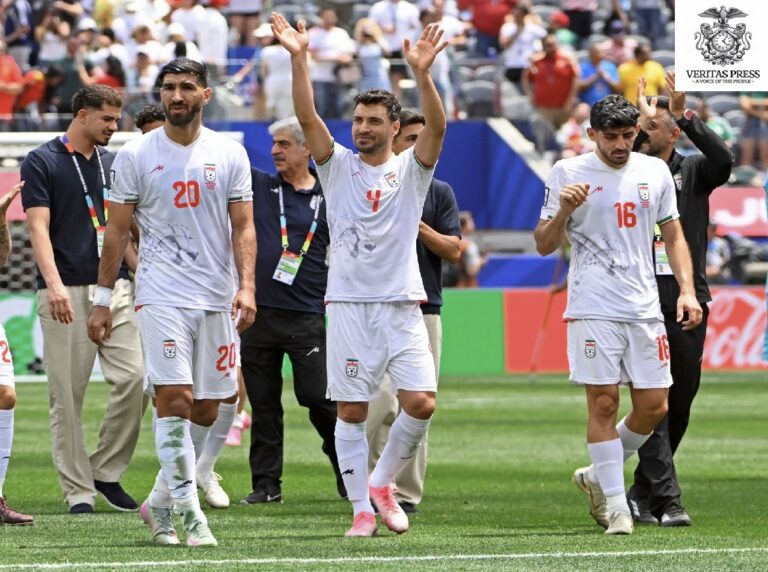
SEATTLE, TEHRAN — The U.S. Department of Homeland Security (DHS) will allow Iran’s national football team to enter the country 48 hours before their critical World Cup match against Egypt on Friday, a modest concession in a tournament where Team Melli’s travel conditions have sparked claims of oppression and competitive disadvantage.
























rvi4v1