Kamran Faqir is a volunteer investigative journalist and writer committed to exposing hidden truths and amplifying underreported stories. Driven by social justice, he brings sharp insight and fearless truth-telling to independent journalism. NUJ registered.
Original Article Date Published:
Article Date Modified:
Listen to this article
Help support our mission—donate today and be the change. Every contribution goes directly toward driving real impact for the cause we believe in.
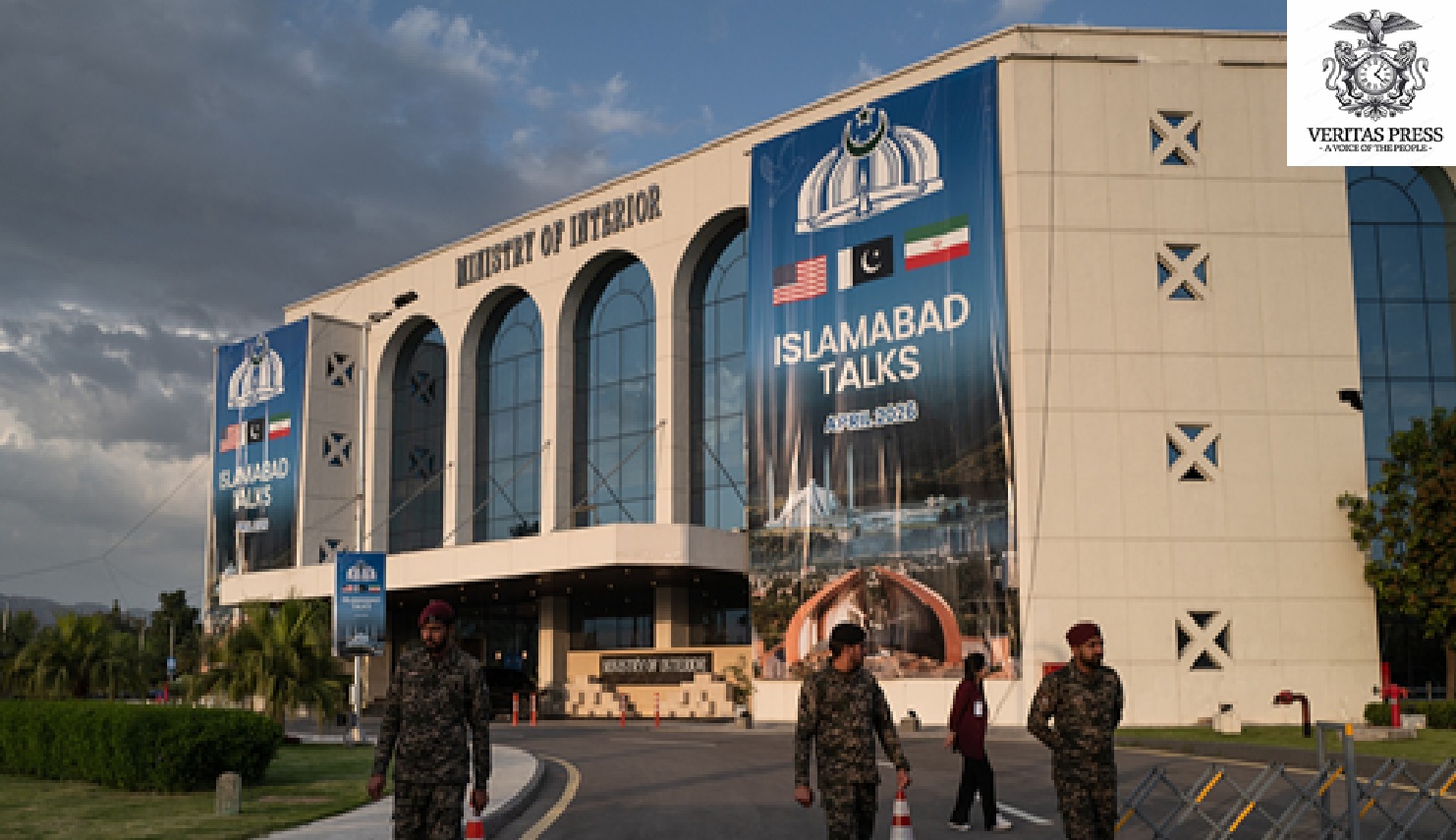
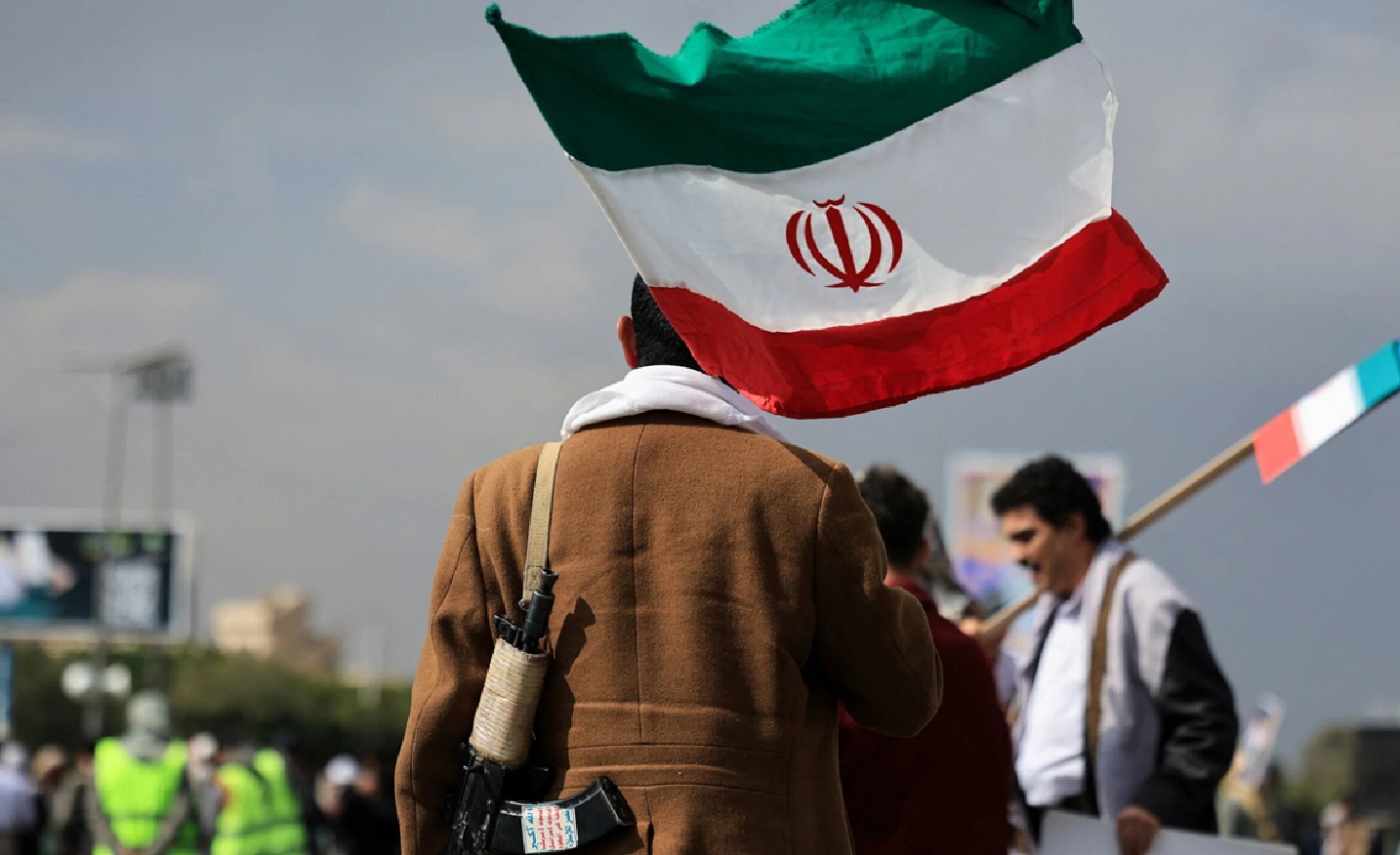
Iran has intensified its warning to Washington to negotiate free from Israeli influence as fragile diplomatic efforts over Tehran’s nuclear programme unfold amid military posturing, regional anxieties, and deep mistrust. The latest statements from Iranian officials, coupled with Israeli demands for dismantlement and US force deployments, underscore a negotiation process shaped as much by geopolitics and coercive signalling as by diplomacy.
Tehran’s Message: Autonomy Or Stalemate.
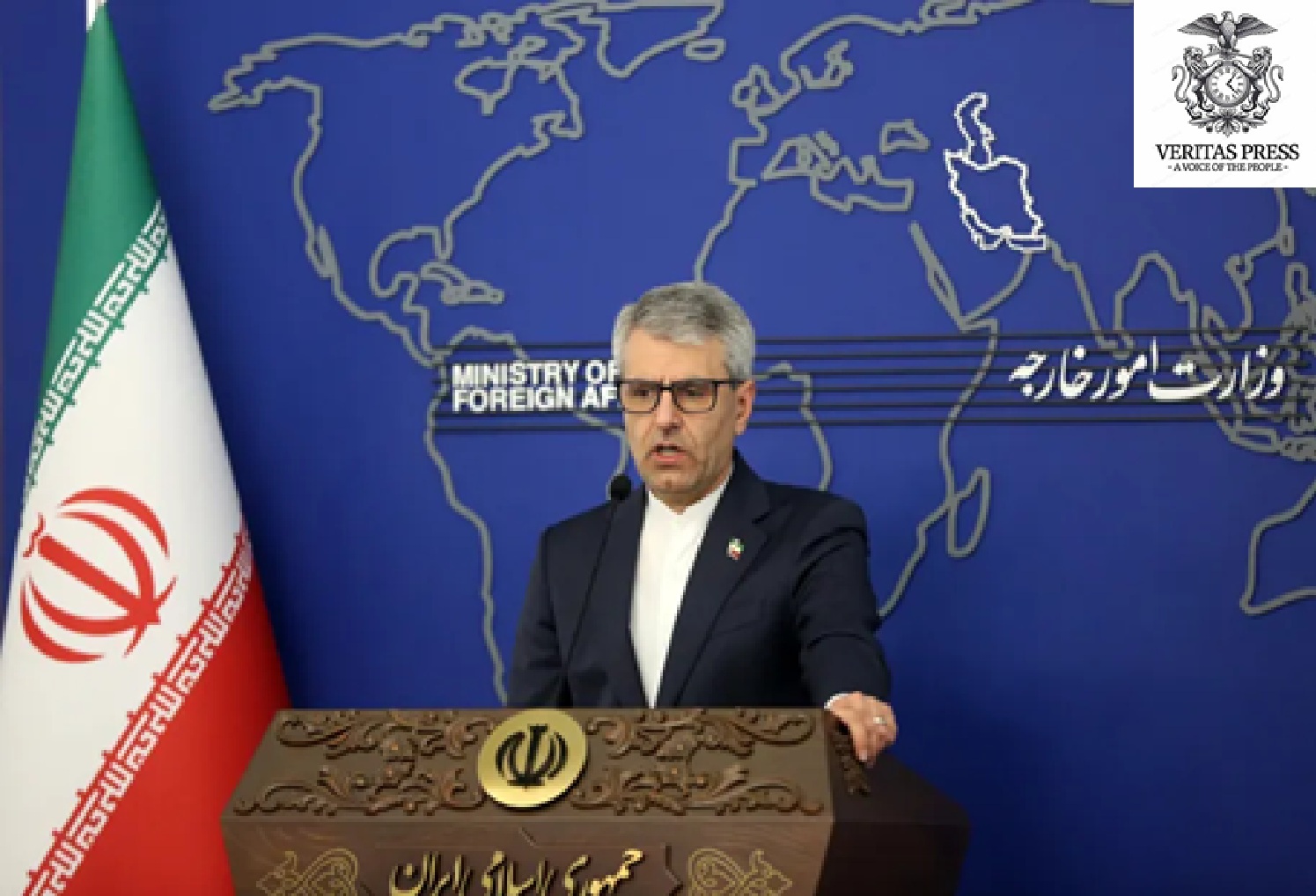
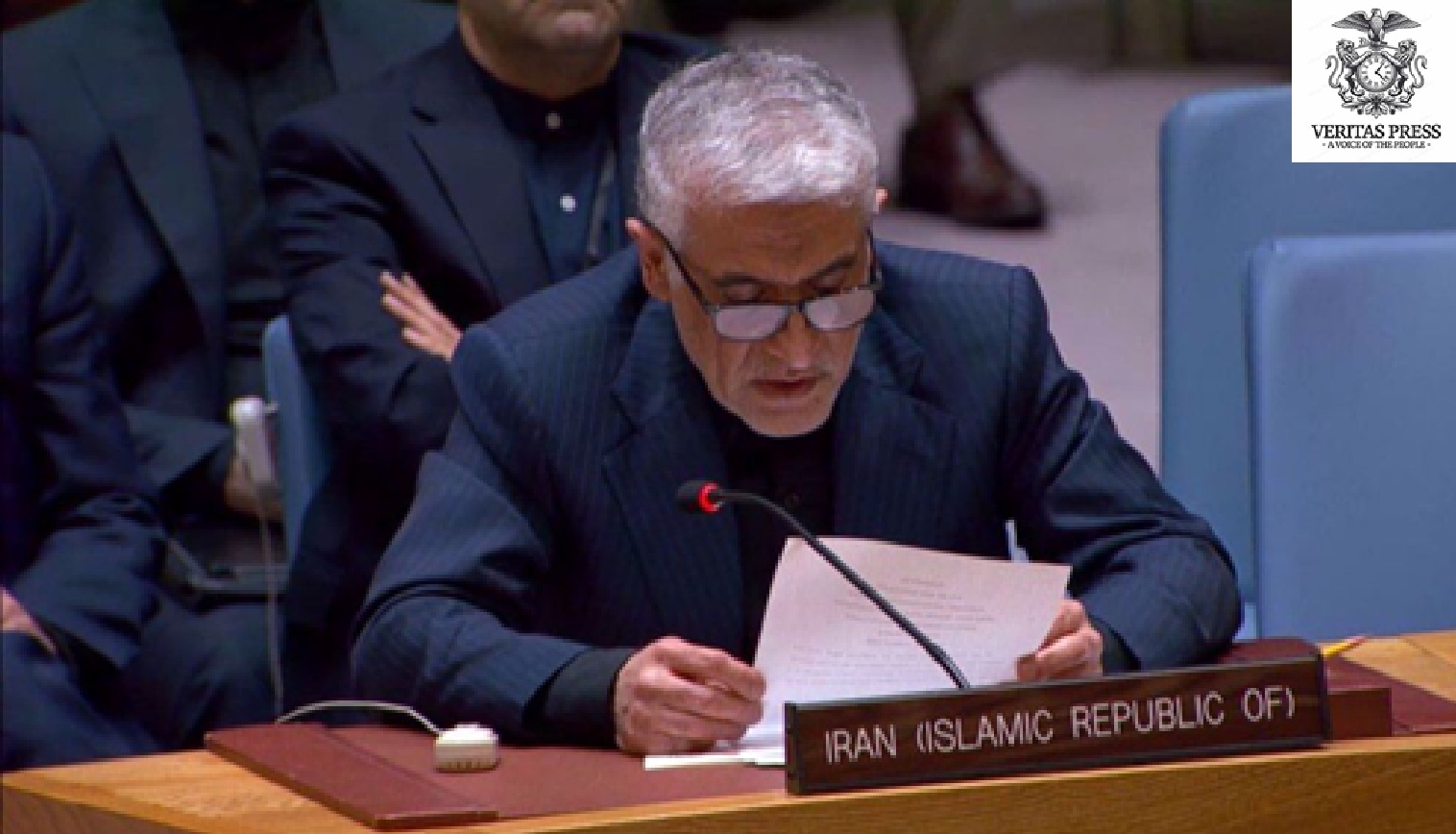
Senior Iranian official Ali Larijani said Tehran remains open to talks but urged Washington to “assess its interests independently” of Israeli pressure, stressing that negotiations must remain limited strictly to nuclear issues.
“Our missile program stands entirely separate from the nuclear one… it cannot be part of these negotiations,” Larijani said, rejecting broader security concessions.
He also dismissed demands for zero uranium enrichment as “impractical,” arguing Iran requires enriched material for health research and treatment.
The remarks reveal a familiar Iranian negotiating posture: openness paired with rigid red lines, a strategy analysts often interpret as defensive bargaining aimed at preserving strategic deterrence while avoiding outright diplomatic collapse.
Iranian Foreign Minister Abbas Araghchi reinforced this stance, declaring Tehran would never abandon enrichment “even if a war is imposed on us,” because “no one has the right to dictate our behaviour.”
Such language signals that for Tehran, enrichment is not merely technical; it is ideological and sovereign.
Israeli Pressure Reshapes The Negotiating Field.
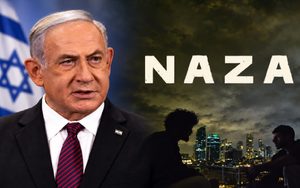
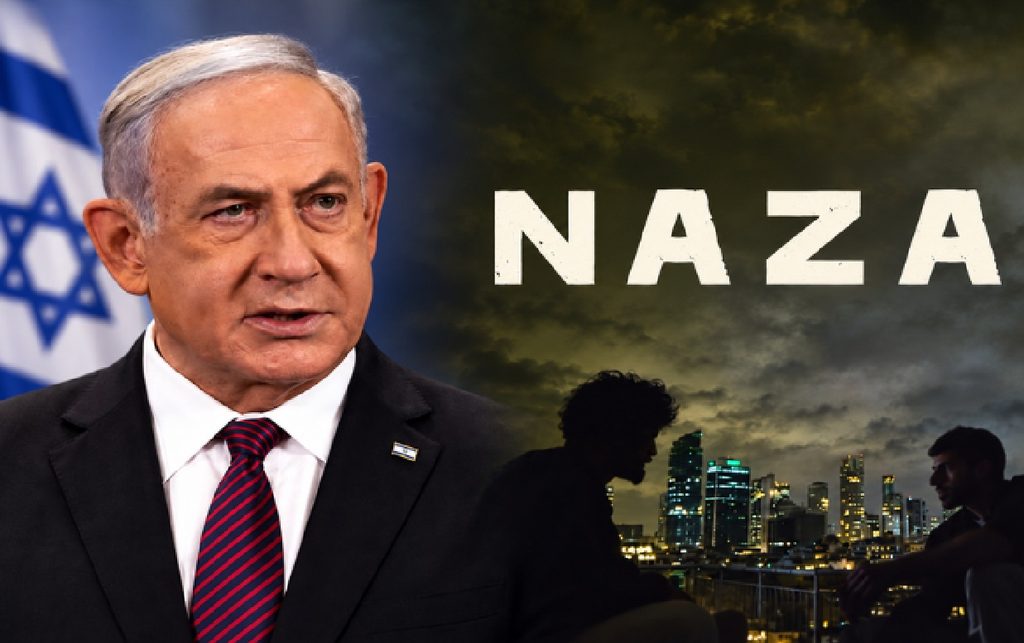
Israeli Prime Minister Benjamin Netanyahu has insisted that any agreement must dismantle Iran’s nuclear infrastructure entirely, not just halt enrichment.
The demand sharply contrasts with Tehran’s position and illustrates the structural gap confronting negotiators.
According to reports, the United States is simultaneously preparing for a potential extended military campaign should diplomacy fail, while deploying additional naval power to the region.
Security analysts view this dual-track approach, diplomacy backed by visible force, as classic coercive bargaining. But it carries risks.
One Western diplomat cited by Reuters noted that Iran is seeking to confine talks strictly to the nuclear file without wider regional participation, an effort widely interpreted as an attempt to reduce Israeli leverage.
Meanwhile, Israeli attempts to broaden negotiations reportedly failed to sway Washington, suggesting subtle friction between the allies even as strategic alignment persists.
Diplomacy Under The Shadow Of War:
Despite tensions, Tehran has described Oman-mediated discussions as showing sufficient seriousness to continue negotiations.
Yet the atmosphere remains volatile.
US President Donald Trump has said he is considering sending a second aircraft carrier to the Middle East, a move widely interpreted as deterrence signalling ahead of talks or provocation.
For critics, such military gestures risk reproducing the very distrust that has derailed previous agreements.
Iranian officials have repeatedly cited past episodes in which negotiations coincided with threats or force, reinforcing what political risk consultancies describe as Tehran’s “deep strategic suspicion” of US intent.
The Unresolved Nuclear Paradox:
At the heart of the dispute lies a contradiction: Washington and its allies seek guarantees that Iran cannot build a bomb, while Tehran insists its programme is peaceful and protected under international norms.
Iranian officials say there is already “common ground” on the principle that Tehran should not possess nuclear weapons.
But intelligence and non-proliferation experts warn that technical capability, not declared intent, ultimately determines breakout risk.
Even cautious diplomacy, therefore, operates against a ticking strategic clock.
Regional Stability Rhetoric Or Recalibration?
Larijani has signalled willingness to cooperate with regional powers, including Saudi Arabia, Egypt and Türkiye, to maintain stability.
Analysts see this as part of Iran’s broader effort to reposition itself diplomatically after years of isolation, leveraging regional normalisation to counterbalance Israeli lobbying in Washington.
However, the credibility of such outreach remains contested.
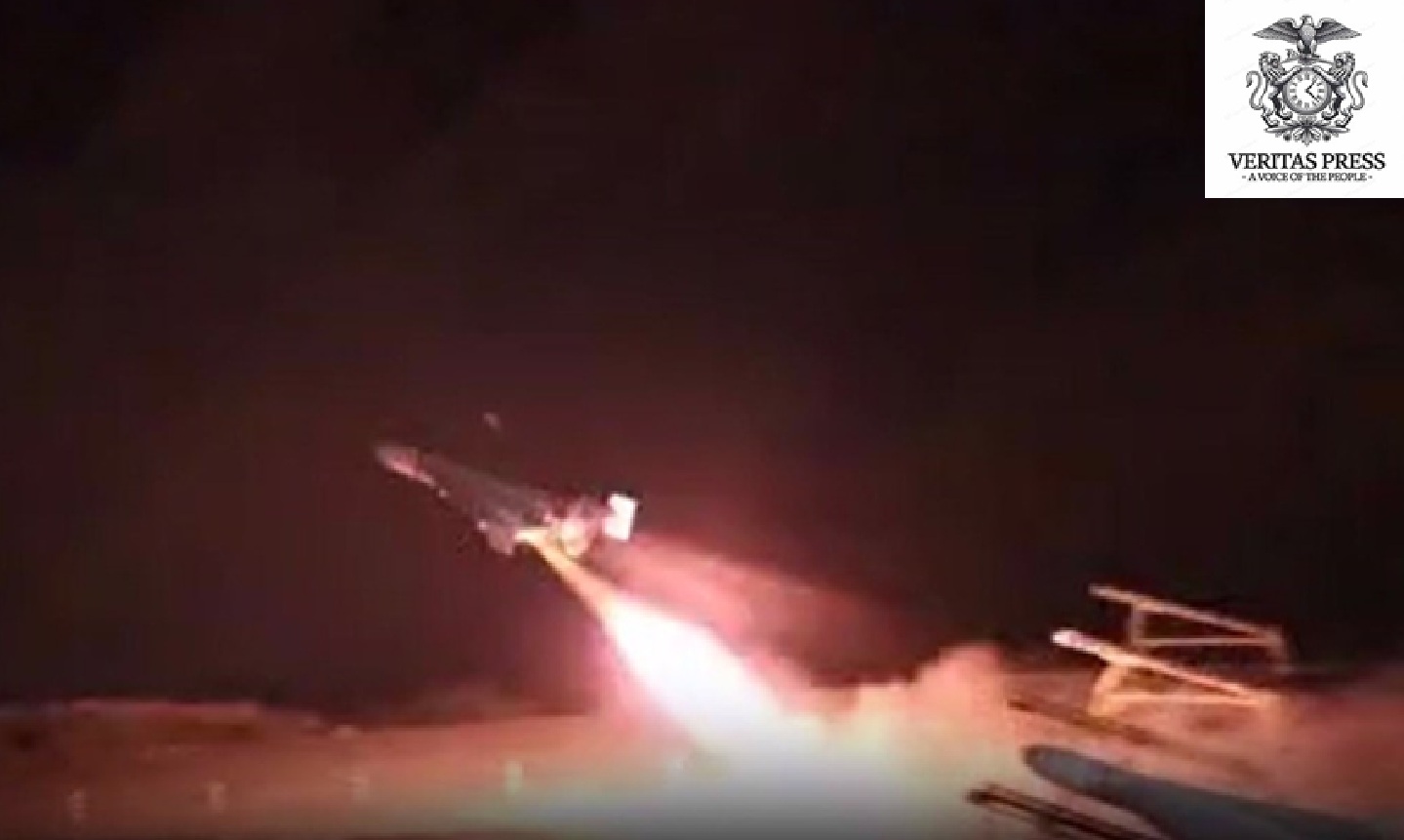
Major General Abdolrahim Mousavi warned that any attack on Iran would engulf the entire region in conflict, even as he insisted Tehran does not seek war.
The statement reflects a deterrence doctrine rooted in escalation risk, essentially signalling that military strikes would carry uncontrollable consequences.
A Negotiation Shaped By Mistrust:
The deeper investigative question is not whether talks will continue, but whether the structural distrust on all sides makes a durable agreement nearly impossible.
Iran Doubts Washington’s Seriousness:
Israel doubts Iran’s intentions. The US doubts both, while trying to prevent another Middle East war.
Political analysts increasingly describe the talks as less a negotiation than a strategic containment exercise.
Tehran’s insistence on independence, Israel’s maximalist dismantlement demands, and US military hedging together create what one regional observer called “a diplomacy conducted with one hand while the other rests on the trigger.”
What Comes Next?
A second round of negotiations is expected soon as Tehran seeks economic relief while Washington aims to cap nuclear risk.
But the pathway forward remains precarious.
If Washington aligns too closely with Israeli demands, Tehran may walk away.
If it compromises too far, Israel could escalate.
If talks fail altogether, military confrontation becomes a far more plausible scenario.
In that sense, Iran’s warning about Israeli influence is not merely rhetorical; it is a reminder that the nuclear file is inseparable from the broader power struggle reshaping the Middle East.
The emerging reality is stark: diplomacy is advancing, but under the constant shadow of deterrence, provocation, alliance politics, and the lingering possibility of war.
Kamran Faqir is a volunteer investigative journalist and writer committed to exposing hidden truths and amplifying underreported stories. Driven by social justice, he brings sharp insight and fearless truth-telling to independent journalism. NUJ registered.
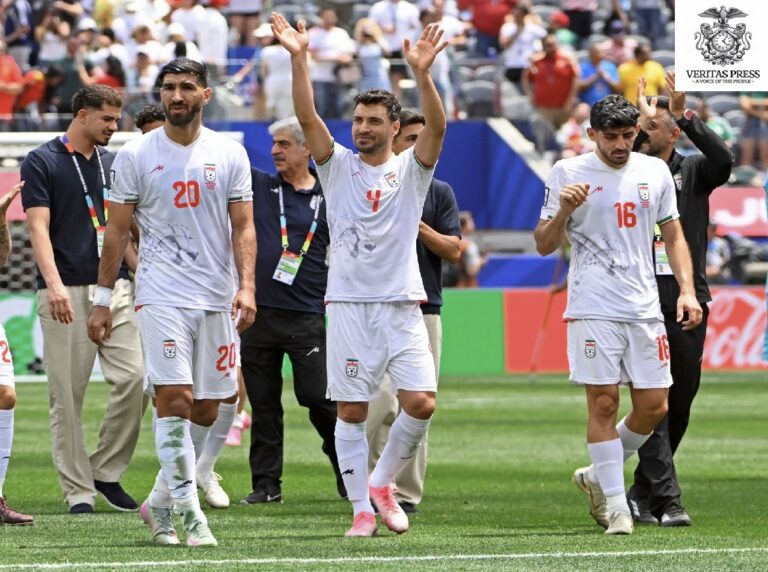
SEATTLE, TEHRAN — The U.S. Department of Homeland Security (DHS) will allow Iran’s national football team to enter the country 48 hours before their critical World Cup match against Egypt on Friday, a modest concession in a tournament where Team Melli’s travel conditions have sparked claims of oppression and competitive disadvantage.