Kamran Faqir is a volunteer investigative journalist and writer committed to exposing hidden truths and amplifying underreported stories. Driven by social justice, he brings sharp insight and fearless truth-telling to independent journalism. NUJ registered.
Original Article Date Published:
Article Date Modified:
Listen to this article
Help Support our mission—donate today and be the change. Every contribution goes directly toward driving real impact for the cause we believe in.
In a ruling that has intensified debate over civil liberties and the right to protest in Britain, the High Court of England and Wales found that the government’s decision to proscribe Palestine Action under terrorism legislation was unlawful and “disproportionate,” delivering a significant setback to the Home Office and the administration of Keir Starmer.
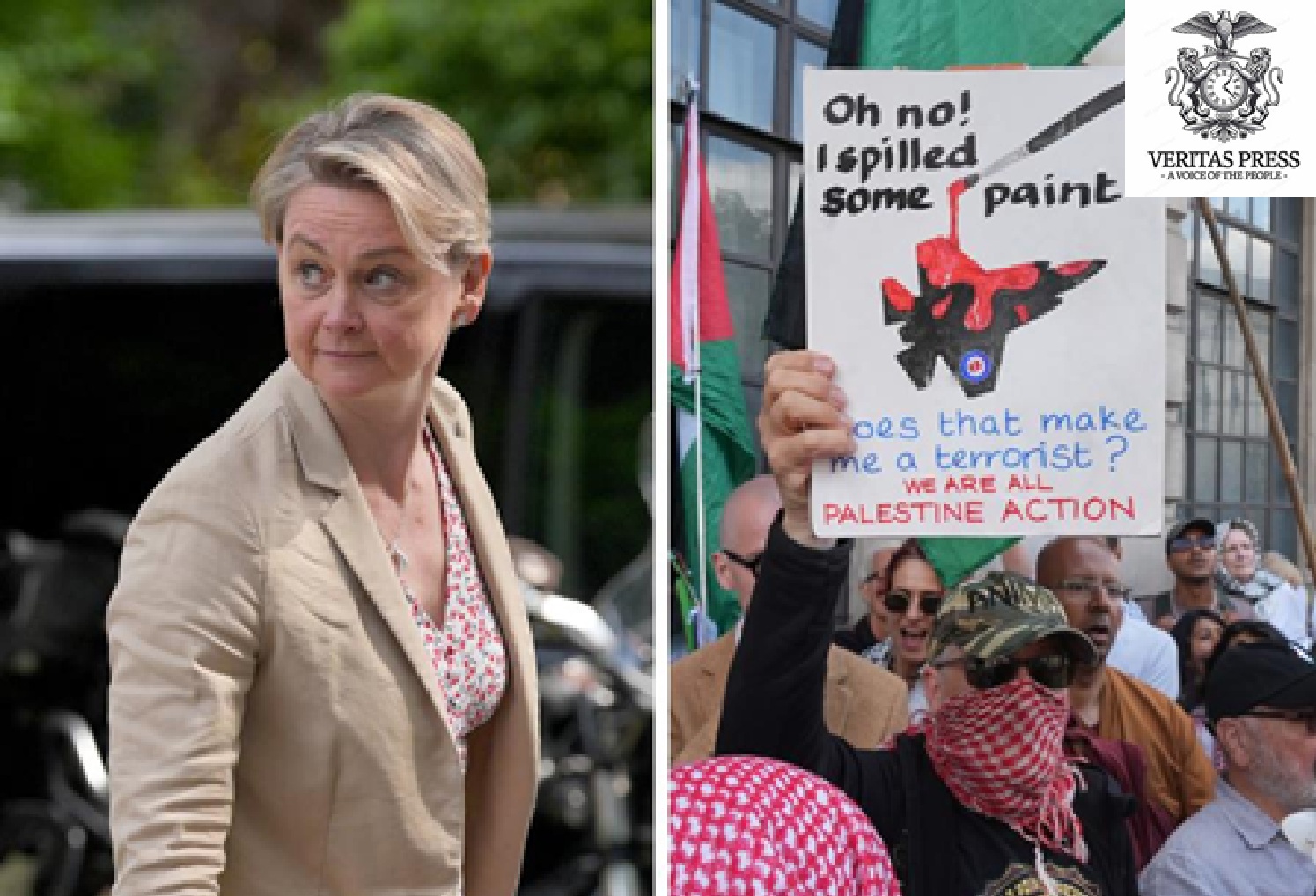
Yet despite the judicial rebuke, Foreign Secretary Yvette Cooper has defended her decision-making, insisting she followed official advice when she imposed the controversial ban last summer during her tenure as home secretary, a stance that has deepened scrutiny over how counterterrorism powers are being deployed against domestic protest movements.
Court Finds Proscription Breached Policy And Free Speech Rights:
The High Court upheld key challenges to the ban, concluding that Cooper had failed to follow her own departmental policies and that the measure constituted a disproportionate interference with freedoms of expression and assembly.
In unusually direct language, the judges stressed that proscription policy exists to “constrain the use of discretion so that not all organisations that meet the criteria in terrorism requirement will be proscribed,” signalling that ministers cannot rely solely on the presence of criminal acts to justify a terrorism designation.
Crucially, the court determined that most of the group’s activities had not reached the “level, scale and persistence” required to classify them as terrorism. While acknowledging that a “very small number” of actions could fall within statutory definitions, judges emphasised that ordinary criminal law was sufficient to address such conduct without resorting to extraordinary counterterror powers.
The ruling described the ban as a “very significant interference” with fundamental rights, a finding legal observers say marks one of the strongest judicial warnings in recent years against the expansion of terrorism legislation into the sphere of political protest.
Nevertheless, the ban remains temporarily in force while current Home Secretary Shabana Mahmood prepares an appeal, setting up what could become a landmark constitutional battle over the limits of state authority in policing dissent.
Cooper Stands By The Decision:
Speaking to Sky News, Cooper rejected suggestions that the government had acted improperly.
“I followed the clear advice and recommendations, going through a serious process that the Home Office goes through, involving different agencies and police advice as well, which was very clear about the recommendation for proscription of this group,” she said.
She further argued that the court had acknowledged the organisation was “not a normal protest group,” alleging it had promoted violence.
Pressed to disclose the intelligence underpinning the decision, Cooper declined, stating only that she had received “significant evidence and advice around risks of violence and risks from public safety.”
“If you ignore advice that you are given about risks to public safety, then you’re really not taking the responsibilities of home secretary seriously,” she added.
Her refusal to detail the evidence has intensified criticism from civil liberties advocates, who argue that the government relied heavily on secret material that ultimately failed to persuade the court, raising broader concerns about transparency and executive accountability in national-security decisions.
Evidence, Secrecy And A Judicial Warning:
Government lawyers had argued that the proscription “strikes a fair balance” between individual rights and community safety and helps deprive suspected extremist organisations of legitimacy and support.
But the court rejected the proportionality assessment, identifying what it described as a “significant” failure to properly weigh contextual factors, a conclusion that strikes at the heart of ministerial discretion.
The implication is stark: even where some criminality exists, terrorism powers cannot be used as a preventive political tool.
For constitutional scholars, the judgment signals judicial discomfort with what appears to be the stretching of counterterror frameworks beyond their original purpose.
Calls For Resignations After “Unlawful Attack” On Protest Rights:
The ruling has triggered mounting calls for accountability, with campaigners demanding the resignation of both Cooper and Mark Rowley, head of the Metropolitan Police.
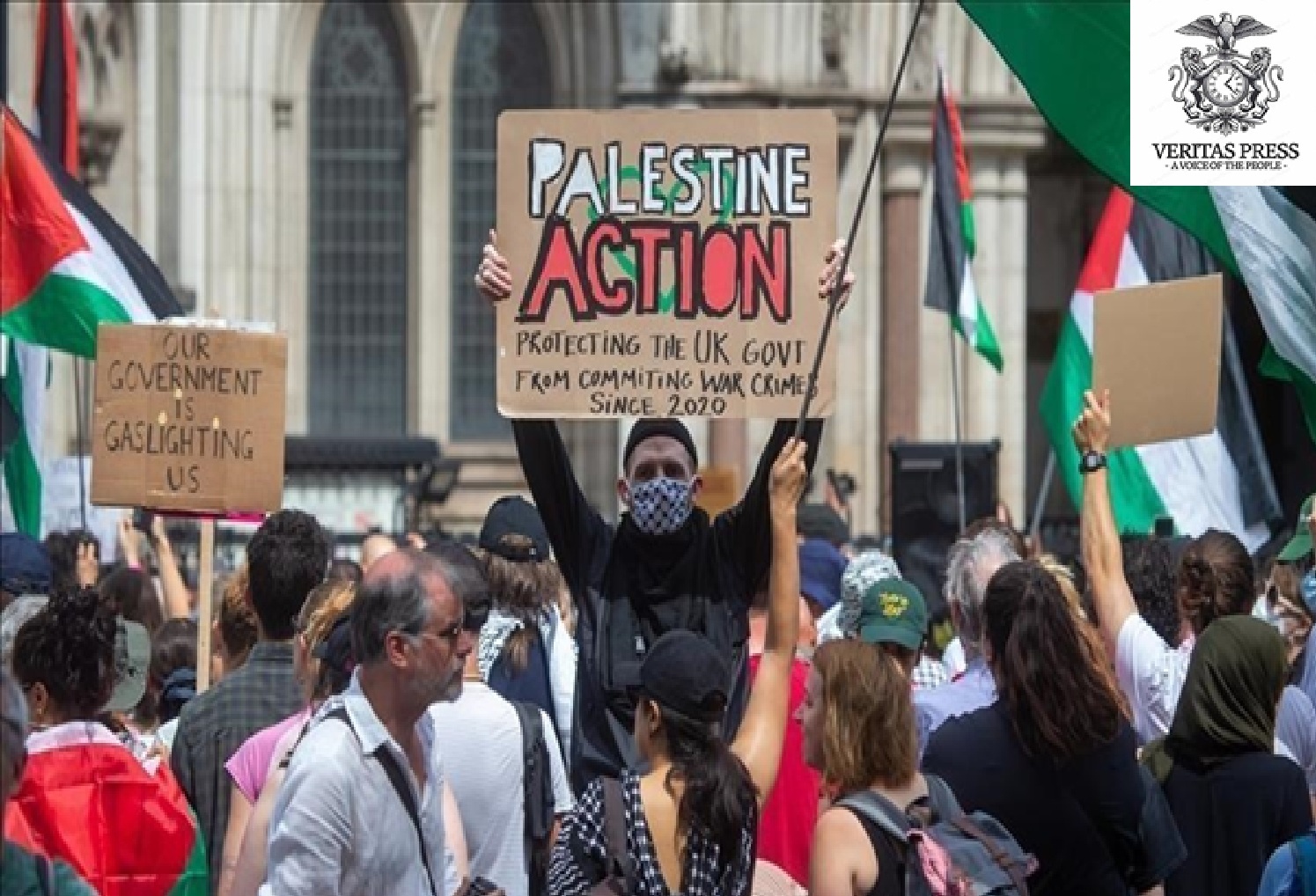
Critics say the proscription led to roughly 3,000 wrongful arrests, many involving demonstrators simply holding placards reading “I support Palestine Action.”
Activists described the episode as “an outrageous attack on civil liberties” and “a disgraceful overreach of police powers,” warning that public confidence in democratic institutions risks erosion if senior officials are not held accountable.
The scale of enforcement has also raised urgent legal questions about potential miscarriages of justice should the proscription ultimately be quashed.
A Ban That Sparked Mass Civil Disobedience:
When Cooper designated the network a terrorist organisation in July 2025, an unprecedented move against a domestic direct-action group, the decision triggered one of Britain’s largest waves of civil disobedience in recent years.
According to Defend Our Juries, more than 2,700 people were arrested after publicly expressing support for the group, contributing to a dramatic surge in terrorism-related detentions.
The crackdown coincided with what campaigners described as the country’s biggest prison hunger strike since the Irish republican protests of 1981, underscoring the depth of resistance to the government’s approach.
For critics, the episode illustrates how quickly counterterror powers can reshape the landscape of lawful protest.
“Monumental Victory”, But Also A Constitutional Test:
For supporters, the judgment represents a major vindication.
“This is a monumental victory both for our fundamental freedoms here in Britain and in the struggle for freedom for the Palestinian people,” said co-founder Huda Ammori, calling the proscription “one of the most extreme attacks on free speech in recent British history.”
Ammori has also argued that the ban “was always about appeasing pro-Israel lobby groups… nothing to do with terrorism,” framing the case as part of a wider political struggle over Palestine solidarity in Britain.
Campaigners say the ruling strengthens claims that ministers acted despite warnings from civil servants, legal experts, and rights observers that the move could backfire, a suggestion that, if borne out, would point to political rather than purely security-driven decision-making.
The court decision follows a not-guilty verdict for activists who targeted a factory linked to Elbit Systems, reinforcing arguments that juries may be reluctant to equate anti-arms protests with terrorism.
Ongoing Prosecutions Deepen Controversy:
Despite the legal setback, authorities continue to pursue cases against prominent activists.
Later this month, Chris Nineham of the Stop the War Coalition and the director of the Palestine Solidarity Campaign are due in court over charges tied to a peaceful demonstration in January 2025.
At a recent rally in London, groups including Liberty called for those charges to be dropped, warning that continued prosecutions risk entrenching what they describe as the criminalisation of political expression.
Government Presses Ahead With Appeal:
While the ban has been ruled unlawful, the government’s determination to challenge the judgment signals that the dispute is far from resolved.
Some police forces have reportedly been advised not to pursue new arrests for expressions of support while the appeal process unfolds, a temporary easing that nonetheless leaves the underlying legal framework intact.
At its core, the case has become a flashpoint in a broader struggle over protest rights in Britain: a confrontation between national security claims and long-standing democratic protections.
The court acknowledged that the group promotes its political cause through criminality, yet still determined that banning it crossed a legal line, a paradox that underscores the judiciary’s attempt to preserve the balance between liberty and security.
As the appeal looms, the eventual outcome could redefine how far the state can go in branding protest movements as security threats, and whether the courts will continue to function as a meaningful check on executive power in an era of expanding security politics.
Kamran Faqir is a volunteer investigative journalist and writer committed to exposing hidden truths and amplifying underreported stories. Driven by social justice, he brings sharp insight and fearless truth-telling to independent journalism. NUJ registered.
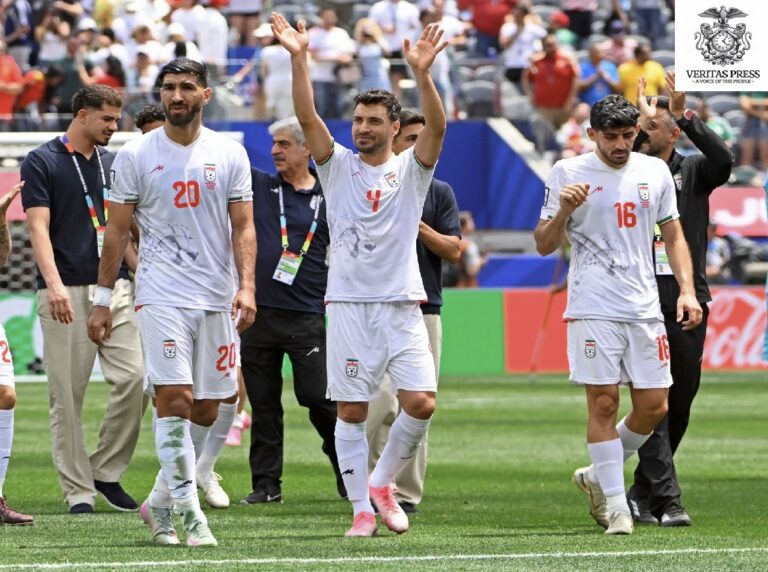
SEATTLE, TEHRAN — The U.S. Department of Homeland Security (DHS) will allow Iran’s national football team to enter the country 48 hours before their critical World Cup match against Egypt on Friday, a modest concession in a tournament where Team Melli’s travel conditions have sparked claims of oppression and competitive disadvantage.