




Help Support our mission—donate today and be the change. Every contribution goes directly toward driving real impact for the cause we believe in.
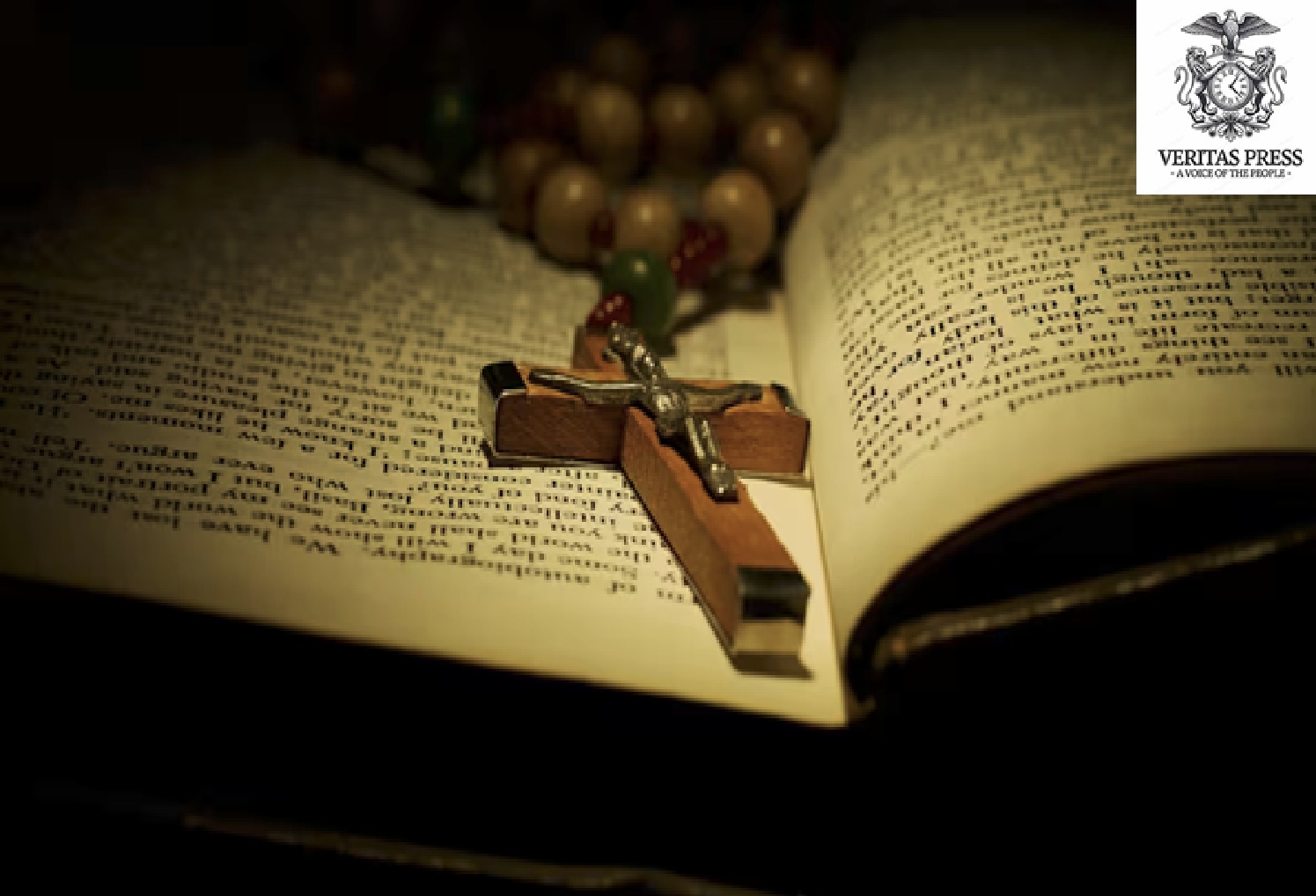
At its most basic level, Christianity is an Abrahamic monotheistic religion based on the life, teachings, death, and resurrection of Jesus of Nazareth. Its followers, known as Christians, believe that Jesus is the Son of God, the long-awaited Messiah (Christ) prophesied in the Hebrew Bible (which Christians call the Old Testament), and the saviour of humanity.
The core Christian belief is that through Jesus’s death on a cross and his subsequent resurrection from the dead, he reconciled a sinful humanity to a holy God, offering them the gift of eternal life.
The Historical Foundation: The Life Of Jesus Christ.
Christianity is inseparable from the person of Jesus. Our primary sources of information about him are four books in the New Testament called the Gospels (Matthew, Mark, Luke, and John). While historians outside the Bible also mention him, the Gospels provide the theological narrative of his life.
- Birth: Christians believe Jesus was born of a virgin, Mary, in Bethlehem, an event understood as the incarnation of God taking on human flesh. His birth is celebrated at Christmas.
- Ministry: Around the age of 30, Jesus began his public ministry. He travelled throughout Galilee and Judea, teaching in synagogues, preaching about the “Kingdom of God,” and gathering a group of 12 close followers known as the Apostles. His teachings, often delivered in parables (simple stories with deep meanings), emphasised love for God and neighbour, forgiveness, humility, and repentance from sin.
- Miracles: The Gospels record Jesus performing numerous miracles, including healing the sick, giving sight to the blind, walking on water, calming storms, and raising people from the dead. These acts are seen as signs of his divine authority and a glimpse of God’s power to restore creation.
- Death: Jesus’s radical teachings and his claim to be the Son of God made him controversial, particularly with the Jewish religious leaders of the time. He was arrested, tried by the Roman governor Pontius Pilate, and sentenced to death by crucifixion, a common and brutal form of Roman execution. His death is commemorated on Good Friday.
- Resurrection: This is the pivotal event of the Christian faith. Three days after his death, his followers found his tomb empty. Over the next 40 days, he appeared to them multiple times, eating with them and talking with them. The resurrection is celebrated on Easter Sunday. For Christians, it is God’s definitive validation of Jesus’s identity and work, demonstrating his victory over sin and death.
Core Beliefs And Theology:
Christian theology is vast, but it can be summarised through a few foundational doctrines.
1. The Trinity
This is a central and complex doctrine, unique to Christianity. It states that God is one being who exists eternally in three distinct persons:
- God the Father: The creator and sustainer of the universe, the loving Father to whom Jesus prayed.
- God the Son (Jesus Christ): The Word of God who became flesh. He is fully God and fully human, the perfect bridge between God and humanity.
- God the Holy Spirit: The presence of God active in the world and in the lives of believers. He is seen as a comforter, guide, and the one who empowers Christians to live a godly life.
The Trinity is not a belief in three gods (tritheism), but one God in three persons, a mystery of faith.
2. The Bible as Sacred Scripture
Christians believe the Bible is the inspired Word of God and the ultimate authority for faith and life. It is divided into two main parts:
- The Old Testament: Shared with Judaism, it contains the history, laws, poetry, and prophecies of ancient Israel. It lays the groundwork for the coming of a Messiah.
- The New Testament: Unique to Christianity, it contains the Gospels (accounts of Jesus’s life), the Acts of the Apostles (the early church’s history), the Epistles (letters written by early leaders like Paul to churches, explaining Christian doctrine), and the Book of Revelation (an apocalyptic vision of the end times).
3. Salvation: Sin and Grace
- The Problem: Sin. Christianity teaches that humanity is inherently flawed by sin, a condition inherited from the first humans (Adam and Eve). Sin is not just bad actions, but a state of rebellion against God that separates people from him. The consequence of this separation is spiritual death.
- The Solution: Grace. Since humans cannot save themselves from this state, God took the initiative. Jesus’s death on the cross is understood as an atonement for sin. He died as a substitute, taking the punishment that humanity deserved. This is a free gift from God, known as grace.
- The Response: Faith. A person receives this gift of salvation through faith. This means believing that Jesus is who he said he was, and trusting in his death and resurrection as the sole basis for one’s forgiveness and relationship with God. This is often accompanied by repentance, a sincere turning away from sin and a commitment to follow Jesus.
Major Branches Of Christianity:
Over its 2,000-year history, Christianity has developed into three major branches:
- Roman Catholicism: The largest branch, led by the Pope in Vatican City. It emphasises the authority of the Church, the seven sacraments (like Baptism and Eucharist), and the importance of both Scripture and Sacred Tradition. Veneration of the Virgin Mary and the saints is a key part of Catholic practice.
- Eastern Orthodoxy: A communion of self-governing churches (e.g., Greek Orthodox, Russian Orthodox). It split from the Roman Catholic Church in the Great Schism of 1054. It places a strong emphasis on liturgy, icons (religious images), and the mystery of faith, with less focus on precise theological definitions than the Catholic Church.
- Protestantism: Originated in the 16th-century Reformation as a protest against certain Roman Catholic practices and doctrines. Key figures include Martin Luther and John Calvin. Protestantism is diverse, including denominations like Lutheran, Baptist, Methodist, Presbyterian, and Anglican. It generally emphasises the authority of the Bible alone (sola scriptura), salvation by faith alone (sola fide), and the priesthood of all believers.
Christian Practices And Worship:
Christian life is expressed through various practices:
- Worship: Regular gatherings on Sundays (the day of Jesus’s resurrection) for prayer, singing hymns (or contemporary worship music), reading Scripture, and hearing a sermon (a teaching based on the Bible).
- The Sacraments / Ordinances:
- Baptism: A ritual using water that symbolises the believer’s identification with Jesus’s death, burial, and resurrection. It signifies the washing away of sin and entry into the Christian community.
- Eucharist / Holy Communion / The Lord’s Supper: A ritual of eating bread and drinking wine (or juice) in remembrance of Jesus’s last meal with his disciples. It commemorates his broken body and shed blood.
- Prayer: Communicating with God is central. Christians pray for guidance, for others (intercession), to confess sins, and to offer praise and thanks. The Lord’s Prayer, taught by Jesus, is a model for prayer.
- Community and Service: Christians are encouraged to live in a loving community (the Church) and to serve others, following Jesus’s example. This includes acts of charity, social justice, and sharing their faith with others.
In summary, Christianity is a rich and complex faith that centres on the person of Jesus Christ. It offers a comprehensive worldview that explains the nature of God, the human condition, and the path to salvation, all rooted in the historical events of his life, death, and resurrection.
GENEVA — A United Nations fact-finding mission has concluded there are “reasonable grounds to believe”
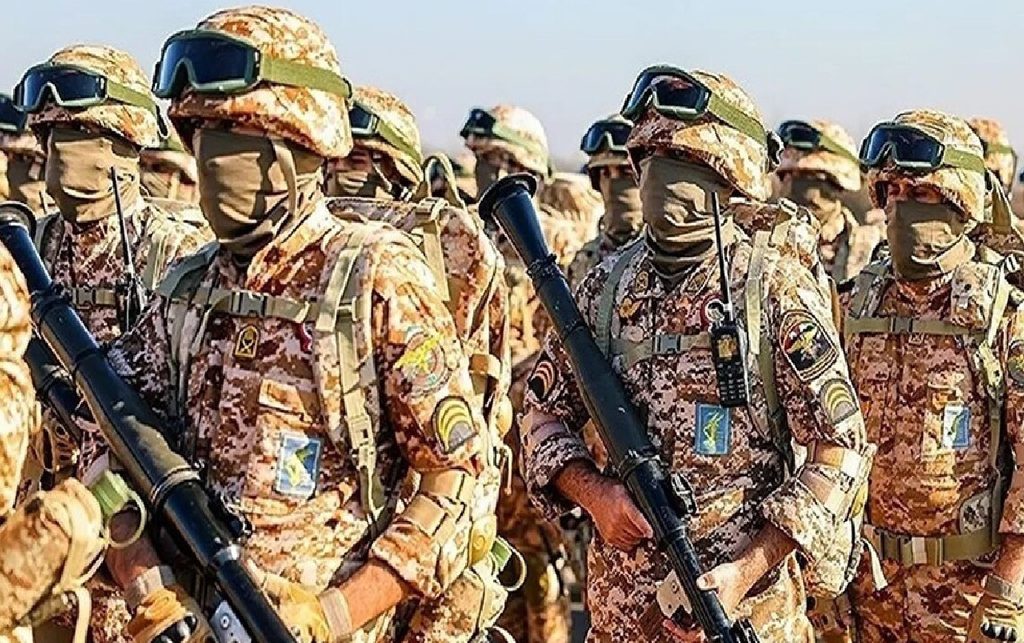
Iran’s GDP is projected to contract by 5.4 to 6.1% in 2026, its worst performance
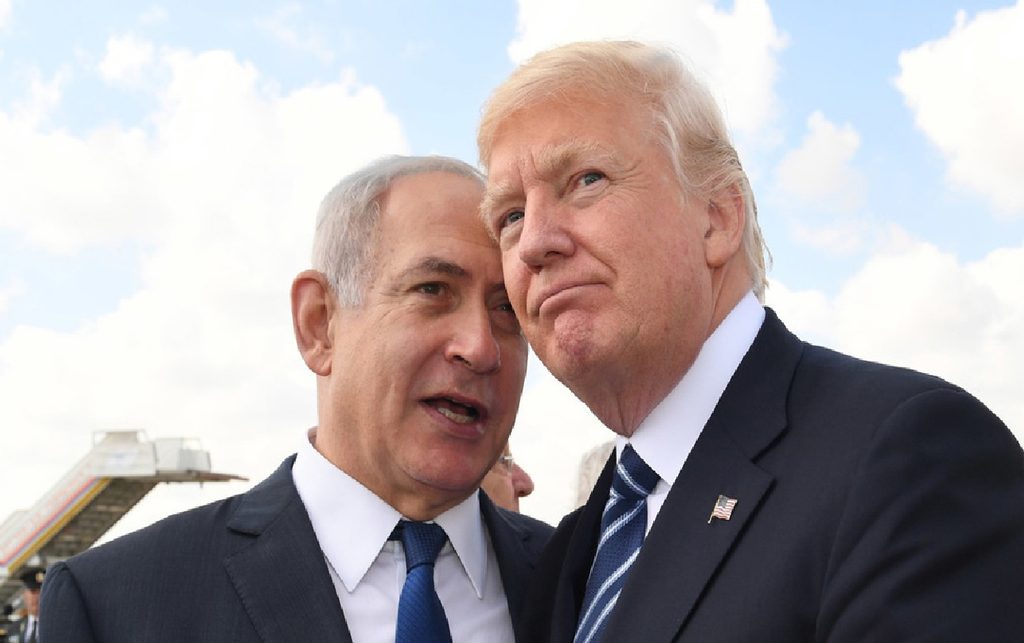
The Trump administration is preparing a $2.8 billion weapons package for Israel containing 40,000 2,000-pound

Film alleges mass civilian deaths are routinely built into military decisions amid Israel’s genocidal war
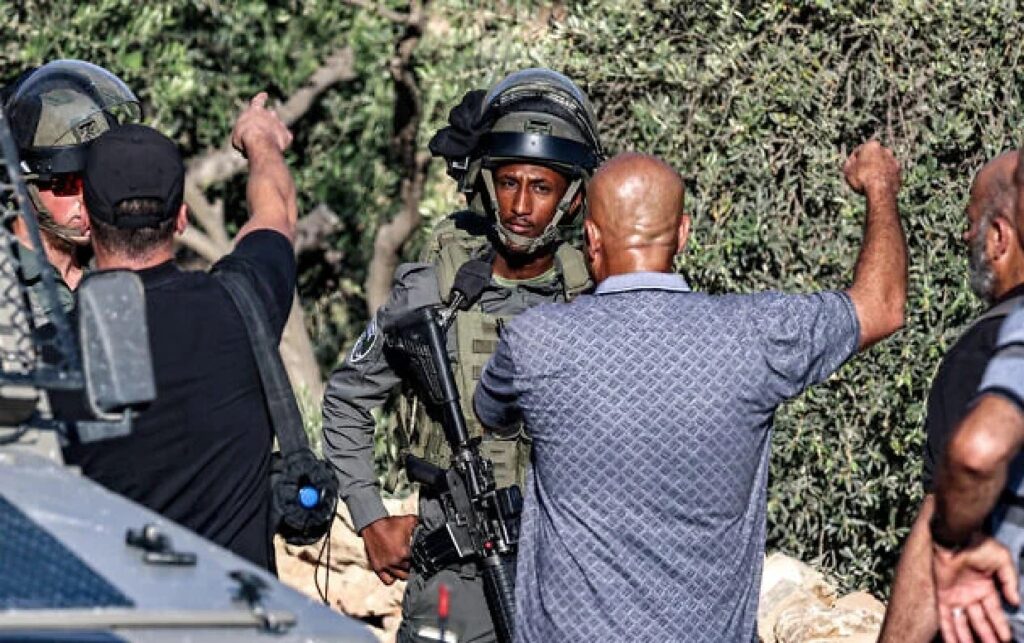
The Israeli rights group says violence, displacement, economic strangulation, and settlement expansion form part of

Houthi forces have captured the historic Red Sea port of Mocha and are advancing on

London’s historic sanctions against Israeli settlements mark a watershed moment in UK foreign policy, but
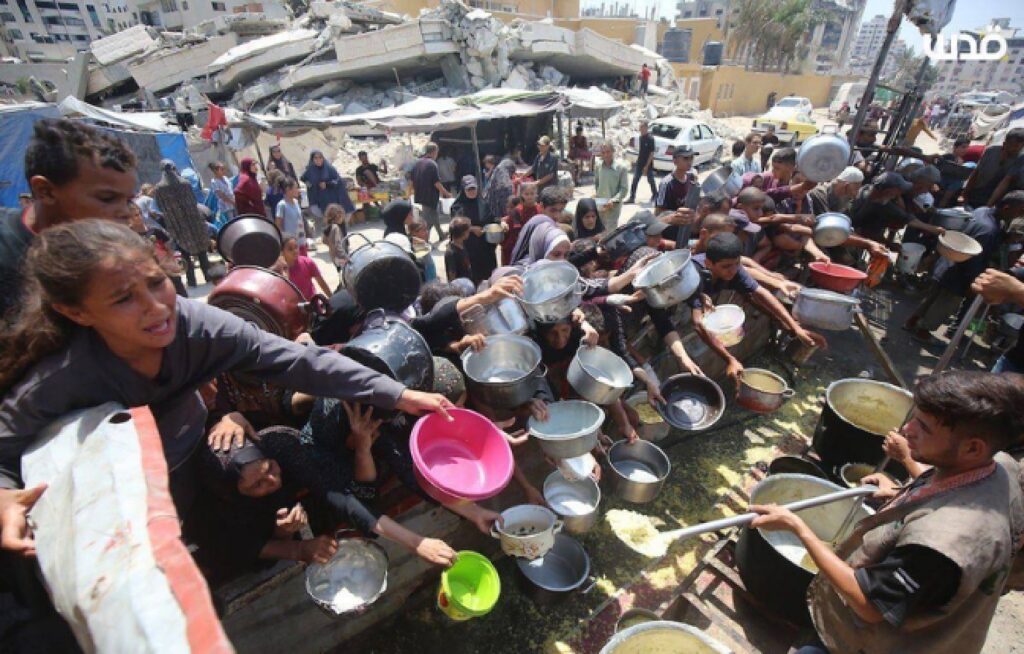
With 95% of Gaza’s population now wholly dependent on aid and more than 90% stripped
India calls for Kashmir and Ladakh to appear only on its official map after a
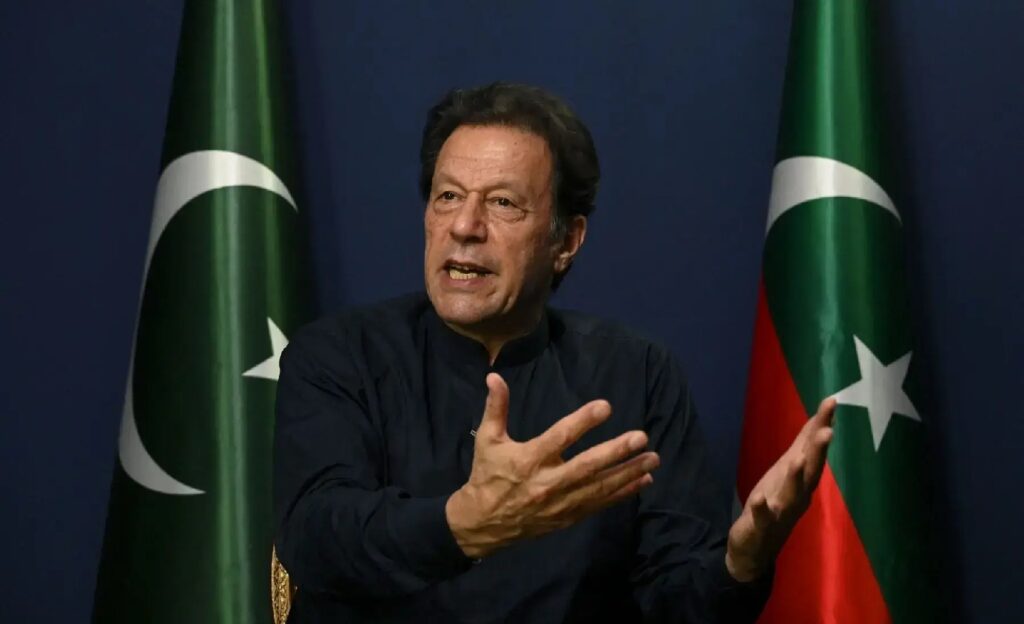
ISLAMABAD – In the high-stakes political theatre of Pakistan, the battleground has shifted from the