
Help Support our mission—donate today and be the change. Every contribution goes directly toward driving real impact for the cause we believe in.
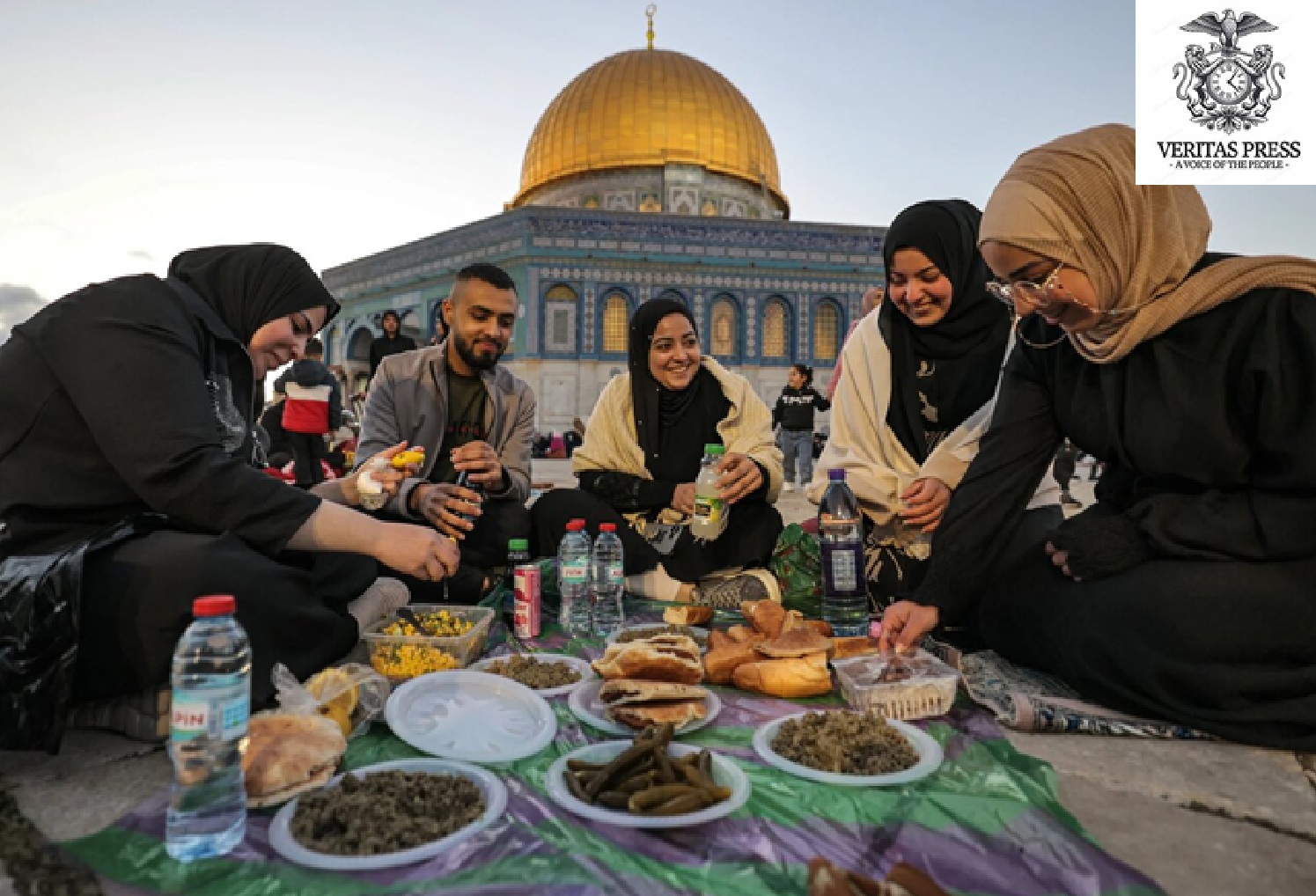
Israeli authorities are preparing sweeping restrictions on Muslim worshippers seeking access to Al-Aqsa Mosque during the upcoming holy month of Ramadan, prompting warnings from Palestinian officials, religious leaders, journalists, and rights advocates that the measures could deepen already volatile tensions in occupied East Jerusalem.
Former Grand Mufti of Jerusalem Ekrima Sabri described the plan as a severe infringement on religious freedom, saying worshippers face “harsh measures” that will significantly reduce attendance during one of Islam’s most sacred periods.
A Policy Of Restriction, Or Strategic Control?
Officials from the Jerusalem Governorate warn that Israeli authorities intend to cap Friday attendance at roughly 10,000 worshippers and impose age limits, typically allowing only older men and women to enter, which they say violates freedom of worship under international law.
Such measures are not unprecedented. During Ramadan in recent years, Israel capped entry numbers, enforced permit requirements, and imposed “rigid age restrictions,” reflecting what local officials called “unprecedented restrictions.”
Analysts note that these controls increasingly transform access to a core religious site into a security-managed privilege rather than a guaranteed right, a shift critics argue is reshaping the status quo governing the compound.
Sabri warned the restrictions would lower participation compared to previous years and “contradict freedom of worship.”
Security Narrative Vs. Political Reality:
Israeli authorities frequently justify Ramadan restrictions on security grounds, especially amid the Gaza war, while many Palestinians reject such limitations outright.
But critics see deeper motives.
The Palestinian Foreign Ministry has warned against “new restrictions” around the mosque, signalling concern that changes could alter the historic arrangement governing the site.
Meanwhile, media monitoring groups say exclusion orders and bans have expanded since October 7, with one observer noting such practices have “escalated since October 7.”
Investigative Takeaway:
Security framing increasingly overlaps with political governance of Jerusalem, a pattern scholars and policy observers say reflects long-term strategic objectives rather than short-term crowd control.
Far-Right Influence And Escalation Risks:
The appointment of a new police commander in East Jerusalem has been interpreted by some observers as advancing the agenda of National Security Minister Itamar Ben-Gvir, whose policies at the flashpoint compound have drawn scrutiny.
Israeli daily Haaretz warned that the minister appears to be “doing everything he can to fan the flames.”
The Palestinian Scholars Association likewise condemned what it called “escalating oppressive measures” against worshippers during Ramadan.
Experts caution that even minor procedural changes at Al-Aqsa can trigger regional unrest, given the site’s symbolic importance across the Muslim world.
Worshippers Speak: Faith Under Checkpoints.
Ramadan typically draws between 50,000 and 250,000 worshippers for Friday prayers at the compound, underscoring the scale of the restrictions’ potential impact.
In past Ramadan periods under similar controls:
- Dozens of Palestinians were denied entry under age-based rules.
- Many remained in the courtyards for prayers and Quran recitations despite limitations.
Organisers have described mobilisation efforts to ensure a Palestinian presence at the site as an assertion of religious rights, illustrating how worship itself has become a form of civic resistance.
Emerging Pattern:
Access to Al-Aqsa increasingly functions as a barometer of sovereignty, identity, and political control in Jerusalem.
Journalists And Civil Society Targeted:
Restrictions are not limited to worshippers.
The Committee to Protect Journalists reports that Palestinian journalists have faced bans and arrests tied to the holy site, with police confirming they issued “a number of exclusion orders.”
Press freedom advocates warn such measures may reduce documentation of events at the compound, a concern with implications for accountability.
Long-Term Trends: Shrinking Access, Rising Tensions.
Research and reporting show a consistent trajectory:
- Attendance has declined amid increasingly aggressive restrictions.
- Authorities have expelled Islamic Waqf staff without explanation.
- Anti-Islamic rhetoric by extremist groups has reportedly increased.
Together, these developments suggest a gradual tightening of administrative and physical control over the sanctuary.
A Flashpoint With Regional Consequences:
Historically, Ramadan tensions at Al-Aqsa have at times turned violent when access was restricted.
Israel has occasionally reversed or softened planned limitations after warnings that they could inflame unrest, demonstrating policymakers’ awareness of the site’s explosive potential.
Strategic Implication:
Every Ramadan now carries the risk of becoming a geopolitical trigger point, not merely a religious gathering.
The Core Dispute: Status Quo Or Structural Change?
At the centre of the controversy lies the fragile “status quo” arrangement governing the compound, an unwritten framework balancing religious administration and security oversight.
Palestinian officials argue current policies form part of a broader attempt to reshape Jerusalem’s demographic and political landscape, while Israeli authorities maintain they are necessary to prevent violence.
The divide is no longer rhetorical; it is operational, visible in permit systems, policing patterns, and demographic filtering at the gates.
Conclusion: Security As Pretext, Sovereignty As Strategy.
The planned Ramadan restrictions at Al-Aqsa Mosque increasingly appear, to critics and political observers alike, as part of a broader architecture of control, one that regulates who may enter the sacred compound, when they may pray, and under what conditions their presence is deemed acceptable.
While Israeli officials consistently frame such measures as necessary for security, a growing number of analysts argue that security language may be functioning as a political shield, masking deeper structural intentions tied to sovereignty over East Jerusalem.
Sheikh Ekrima Sabri has warned that ambitions once confined to ideological fringes are now entering policy discourse, including expanded non-Muslim prayer rights and diminished authority for the Islamic Waqf Department. For Palestinian religious leaders, these developments suggest not episodic security responses but a gradual recalibration of power at the site.
Increasingly, scholars of political violence caution that preventative security frameworks can sometimes operate as pre-emptive geopolitical tools, reshaping realities on the ground before formal policy shifts are declared.
Security, Or Strategic Provocation?
Some regional analysts and commentators warn that the restrictions risk being interpreted not merely as defensive precautions but as pre-emptive measures capable of igniting religious confrontation.
Their argument rests on three converging dynamics:
- Limiting Muslim access during one of the holiest periods of the Islamic calendar
- Allowing the expanded presence of ideological groups advocating changes at the compound
- Normalising extraordinary policing around a site whose symbolism resonates across the Muslim world
Within this reading, the danger is not only unrest, but the perception that religious friction is becoming structurally embedded into governance.
Critics of the government led by Benjamin Netanyahu, particularly amid the rising influence of far-right figures such as Itamar Ben-Gvir, warn that policies which heavily restrict Muslim worship while amplifying nationalist rhetoric risk being viewed internationally as intentional pressure points.
To be clear, Israeli authorities maintain that restrictions are designed to prevent violence and maintain public order. Yet in deeply contested sacred spaces, perception often carries consequences equal to policy.
And the perception taking hold among many Palestinians, and increasingly among foreign policy observers, is that security is being operationalised in ways that could predictably heighten religious tensions rather than defuse them.
The Calculus Of Controlled Worship:
If access to prayer becomes contingent on demographic filtering, older, permit-holding, security-cleared, then the mosque itself is subtly transformed into a managed space governed through surveillance and mobility controls.
Experts in conflict geography note that when states begin determining the social composition of a sacred site, the issue shifts from security management to symbolic authority.
In such environments, even ostensibly preventative policies can function as catalysts.
The deeper risk, analysts warn, is the slow normalisation of exceptional restrictions until they no longer appear exceptional, a process that can fundamentally alter both the physical and psychological landscape of a contested city.
A Flashpoint Beyond Jerusalem:
Few places carry the transnational emotional weight of Al-Aqsa. Actions taken there rarely remain local; they echo across the Middle East and far beyond.
Should worshippers interpret the restrictions as deliberate marginalisation, or worse, as calculated provocation, the consequences could extend well outside Jerusalem.
History suggests that religious flashpoints rarely ignite solely because of a single policy. Rather, they erupt when communities begin to believe that sacred boundaries are being intentionally tested.
The Emerging Question:
The central question facing Israel is no longer just whether it can secure the compound.
It is whether policies justified as security are inadvertently, or deliberately, as some critics fear, cultivating the very instability they claim to prevent.
Because once a conflict is reframed in explicitly religious terms, it becomes exponentially harder to contain.
As Ramadan approaches, Al-Aqsa stands at the intersection of faith, power, and narrative warfare.
What is unfolding is not simply a dispute over crowd management. It is a struggle over legitimacy, sovereignty, and the future character of Jerusalem, a city where authority is measured not only in borders, but in who is permitted to cross the threshold of its most sacred spaces.
If current trajectories persist, the restrictions may come to symbolise something far larger than seasonal policy: the institutionalisation of controlled worship, and, potentially, the dangerous escalation of a political conflict into a far more combustible religious one.
Plan No. 1284223 would extend Jerusalem’s southern settlement belt toward Bethlehem. In Qusra, three Palestinian
As the Reform UK leader celebrates a theatrical win over Count Binface, the resumption of
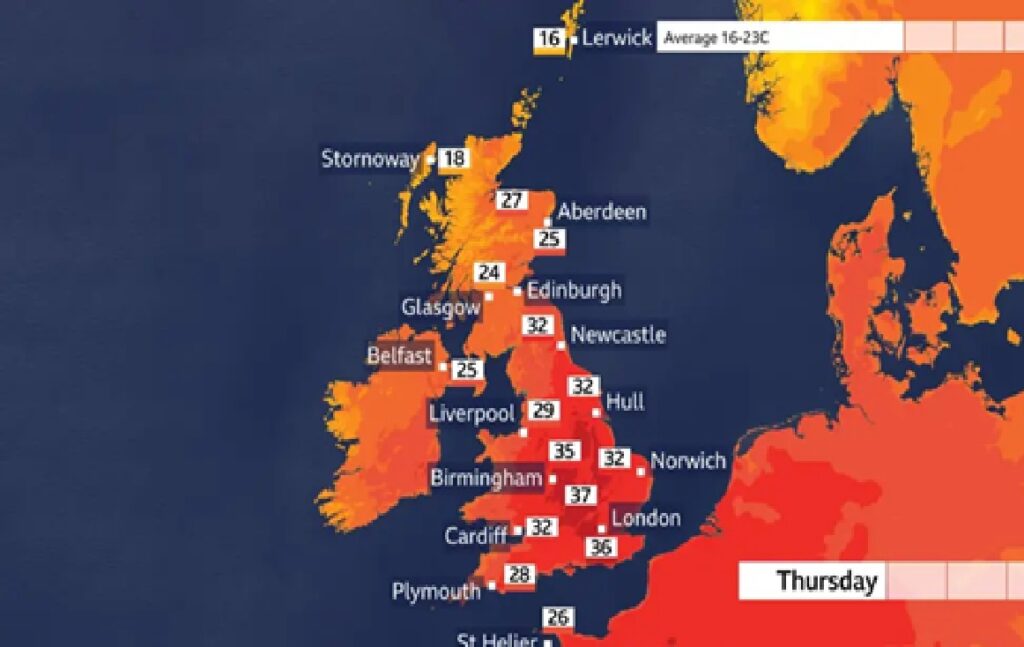
The United Kingdom is not merely experiencing a spell of hot weather; it is undergoing
As Iran locks down the Strait of Hormuz and its Houthi allies turn the Bab
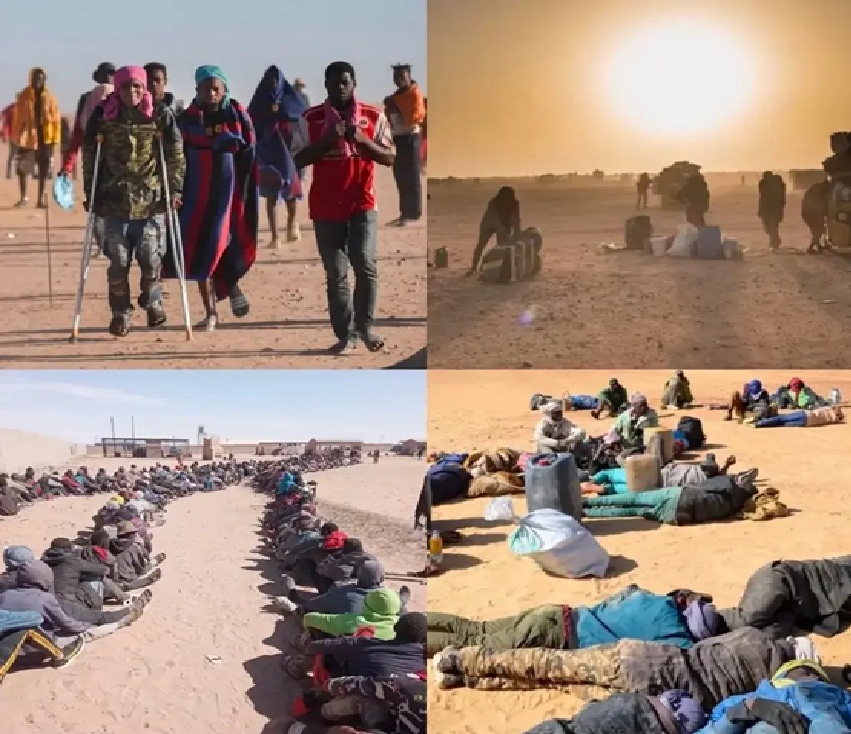
As social media mobilises thousands for a new mass crossing into Ceuta, evidence mounts that
Exclusive report from Gaza City, 10 August 2026 — Despite a ceasefire agreement that has
It happens roughly once every five days. A brick through a prayer-hall window. Graffiti scrawled
President Donald Trump was told that the war with Iran would be quick and decisive.
MUZAFFARABAD / RAWALAKOT / ISLAMABAD — The Pakistan-administered territory of Azad Jammu and Kashmir (AJK)
With Damascus silent, weekly incursions and home raids turn Quneitra countryside into a militarised frontier.