Kamran Faqir is a volunteer investigative journalist and writer committed to exposing hidden truths and amplifying underreported stories. Driven by social justice, he brings sharp insight and fearless truth-telling to independent journalism. NUJ registered.
Original Article Date Published:
Article Date Modified:
Listen to this article
Help Support our mission—donate today and be the change. Every contribution goes directly toward driving real impact for the cause we believe in.
In a stunning legal defeat for the British government, the High Court in London has ruled that the proscription of the direct-action group Palestine Action as a “terrorist organisation” was unlawful and disproportionate. The February 12, 2026, ruling marks the first time an organisation banned under the UK’s anti-terrorism legislation has successfully challenged its proscription in court. While the ban remains temporarily in place to allow for a government appeal, the judgment has been hailed as a “monumental victory” by free speech campaigners and has thrown the legal status of thousands of arrestees into limbo.
The High Court’s Ruling: A Disproportionate Measure.
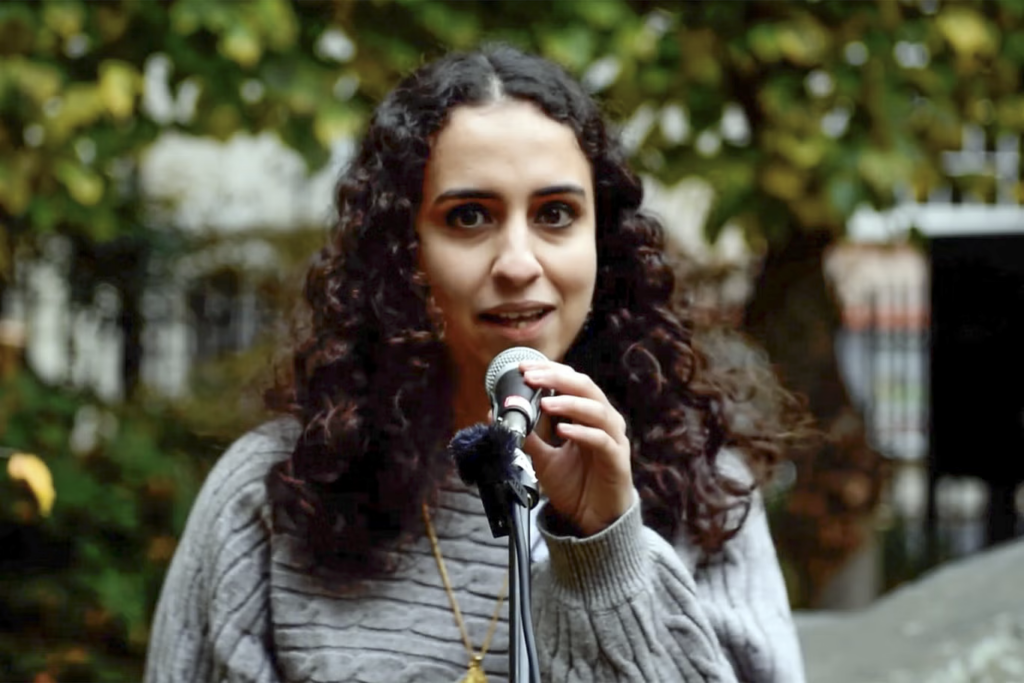
Huda Ammori, co-founder of Palestine Action, in 2021 (Peace Pledge Union/YouTube)
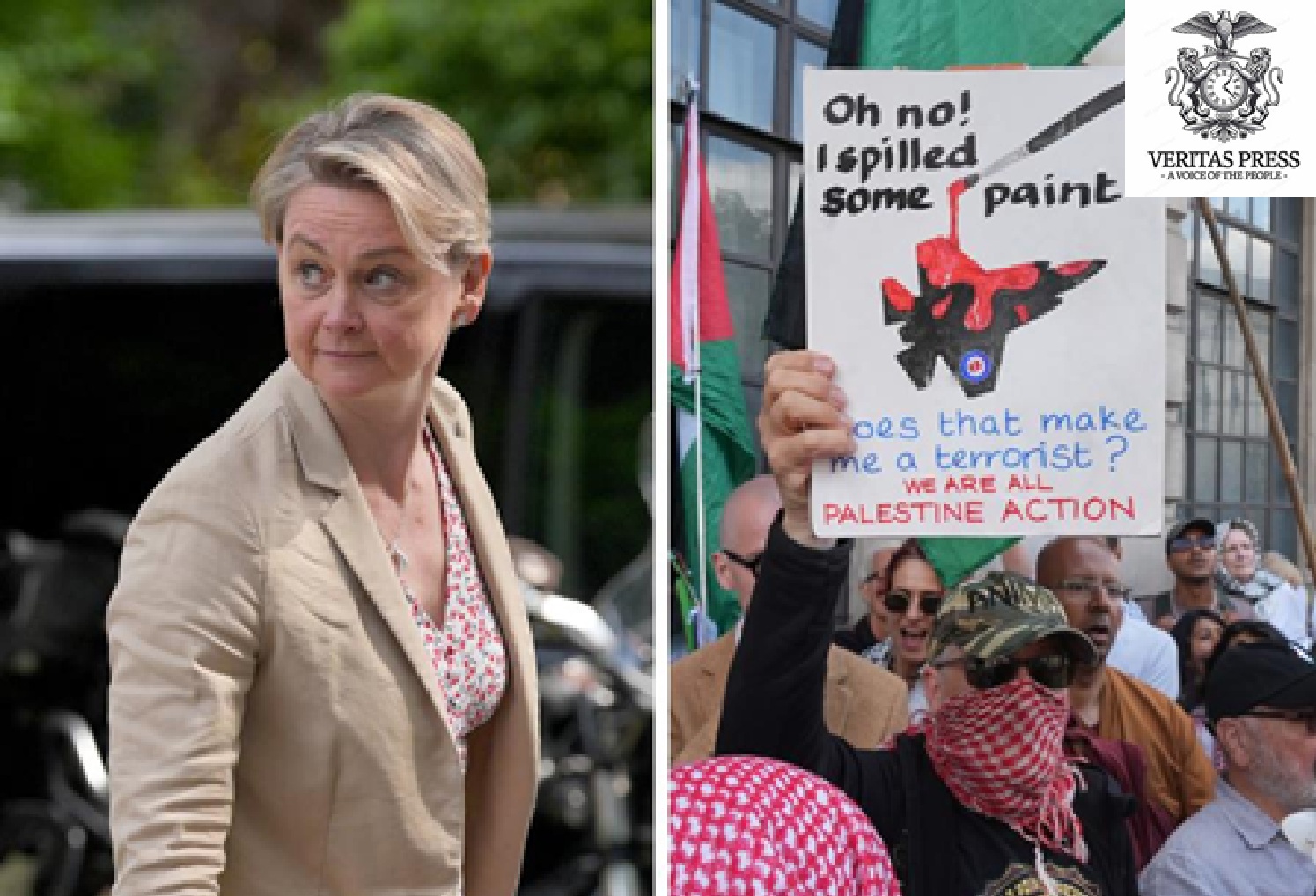
The challenge was brought by Huda Ammori, a co-founder of Palestine Action, who argued that then-Home Secretary Yvette Cooper’s decision to proscribe the group in July 2025 was a “blatant abuse of power”. The ban had placed Palestine Action on the same legal footing as Islamist militant groups like ISIS and Al-Qaeda, making membership or support for the group a criminal offence punishable by up to 14 years in prison.
A panel of three senior judges, led by Dame Victoria Sharp, the president of the King’s Bench Division, delivered a damning 46-page verdict. They concluded that the proscription was “disproportionate” and resulted in “a very significant interference with the right to freedom of speech and the right to freedom of assembly”.
The judges acknowledged that Palestine Action “promotes its political cause through criminality” and that a “very small number of its activities amounted to acts of terrorism” as defined by the Terrorism Act 2000. However, they ruled that the group’s actions had not reached the “level, scale and persistence to warrant proscription.” Crucially, they stated that for these criminal acts, “the general criminal law remains available,” suggesting that existing legislation was sufficient to prosecute offences like property damage without resorting to the “draconian” anti-terror powers.
The court also found that Cooper had made a “significant” error by failing to follow the Home Office’s own policy, which requires ministers to consider the proportionality of a ban and its impact on the right to protest.
A ‘Monumental Victory’ And A ‘Shot In The Arm For Democracy’:
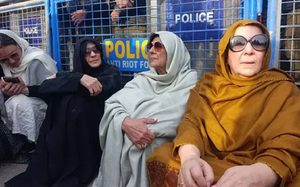
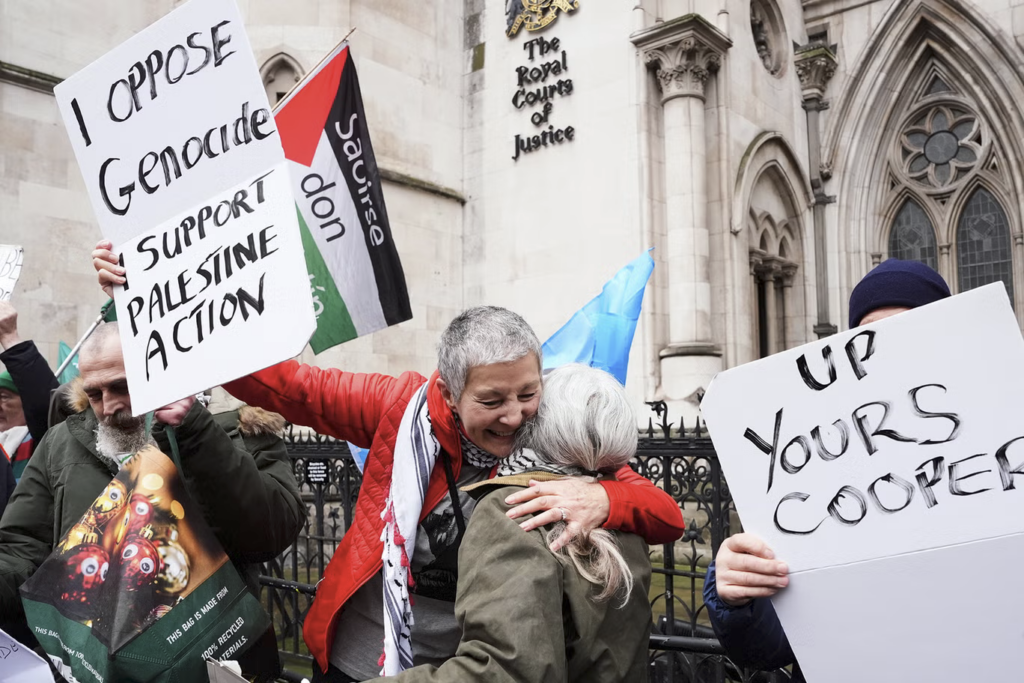
Protesters celebrate outside the High Court in London on Friday
As news of the ruling broke, a crowd of around 100 supporters gathered outside the Royal Courts of Justice in London, erupting in cheers and chants of “Free, free Palestine”.
Huda Ammori celebrated the decision on social media and in statements to the press, calling it a “monumental victory both for our fundamental freedoms here in Britain and in the struggle for freedom for the Palestinian people.” She described the original ban as “one of the most extreme attacks on free speech in recent British history” and a “Trumpian abuse of power” that the Labour government had used to target a modern-day iteration of the suffragettes.
The ruling was widely welcomed by human rights organisations. Tom Southerden, Law and Human Rights Director at Amnesty International UK, described the judgment as a “vital affirmation of the right to protest,” sending a clear message that the “government cannot simply reach for sweeping counter-terrorism powers to silence critics or suppress dissent”.
Protesters outside the Royal Courts of Justice following the verdict. Photograph: Tolga Akmen/EPA
Yasmine Ahmed, UK Director of Human Rights Watch, called the verdict a “shot in the arm for British democracy.” She added that it reinforced what many had been saying all along: that the government’s use of terrorism legislation was a “brazen and gross abuse of power” designed to stifle legitimate criticism of Israel.
Former Labour Party leader Jeremy Corbyn termed it an “enormous victory for the Palestinian solidarity movement, for civil liberties and for our common humanity,” arguing that the government was trying to shield itself from accountability for its role in the conflict in Gaza.
The Fallout: Thousands Of Arrests In Legal Limbo.
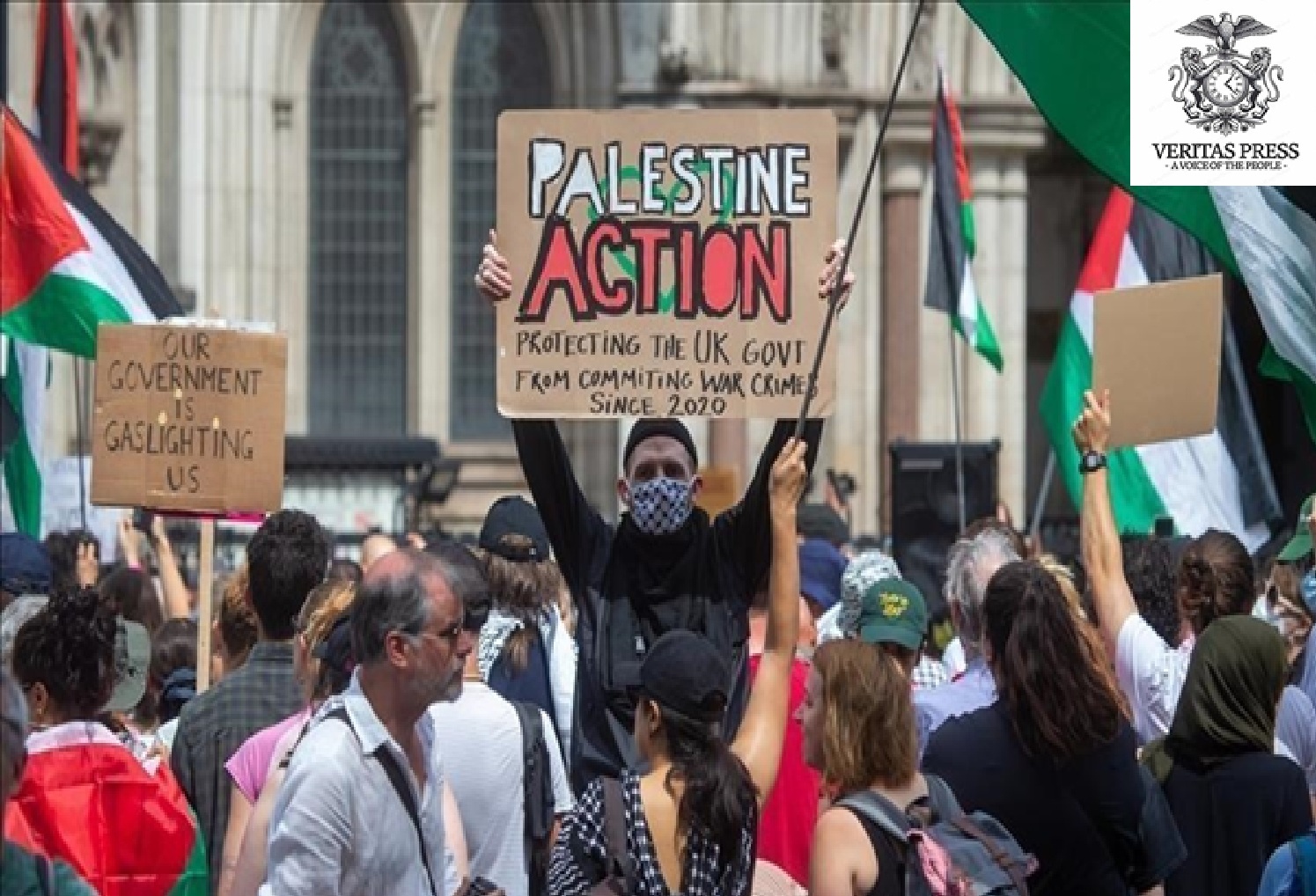
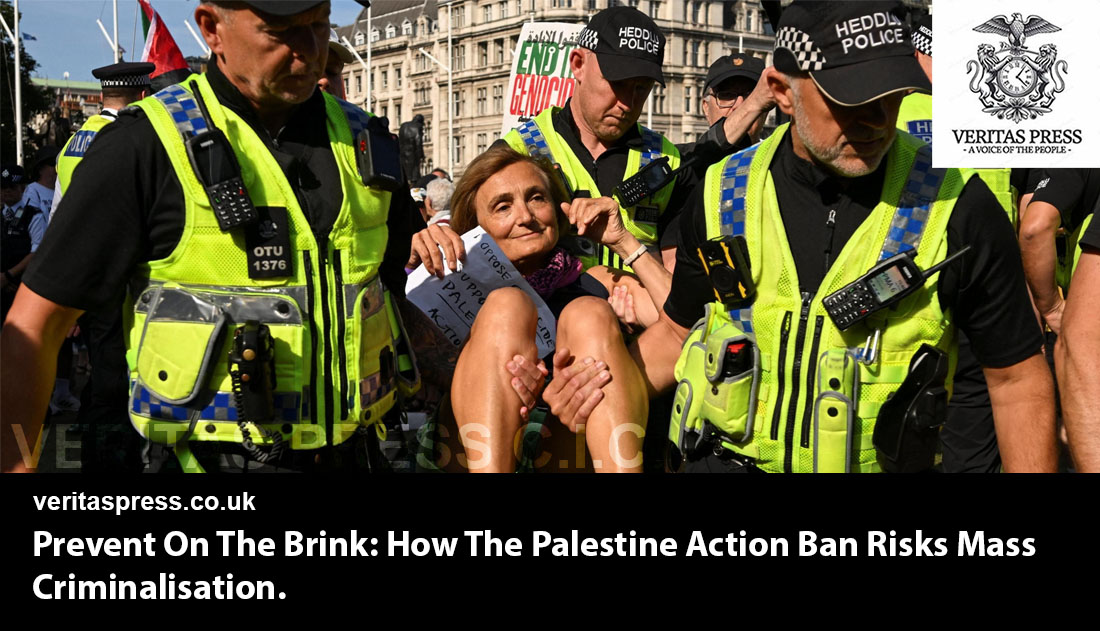
The most immediate consequence of the ban’s legal uncertainty affects the thousands of people who were arrested for supporting Palestine Action. According to the protest group Defend Our Juries, nearly 2,800 people have been detained since the proscription came into effect on July 5, 2025. Many of those arrested were simply holding placards reading “I oppose genocide – I support Palestine Action.” Those charged include “priests, vicars, pensioners, retired British Army officers, and former magistrates,” with some facing up to 14 years in prison.
While the High Court has ruled the ban unlawful, the group remains proscribed until further legal arguments are heard, leaving these individuals in a state of uncertainty. Angie Zelter, a 74-year-old activist facing charges for holding a placard, described the situation as “up in the air”.
In response to the “unusual circumstances,” the Metropolitan Police announced it will change its tactics. While expressing support for Palestine Action remains a criminal offence until the appeal is resolved, officers will stop making immediate arrests and will instead focus on gathering evidence for potential future prosecutions. The force acknowledged the situation was likely to cause “confusion among the public”.
The ruling is already having a tangible impact on related legal proceedings. A plea hearing at the Old Bailey for four defendants accused of causing over £1 million in damage to the Moog Aircraft Group factory in Wolverhampton was adjourned to allow their lawyers to consider the implications of the High Court’s decision.
Government To Appeal, Citing National Security:
The government reacted swiftly and defiantly to the judgment. Home Secretary Shabana Mahmood expressed her disappointment and confirmed the government would appeal the ruling. “I disagree with the notion that banning this terrorist organisation is disproportionate,” she stated. “The proscription of Palestine Action followed a rigorous and evidence-based decision-making process, endorsed by parliament… Home secretaries must… retain the ability to take action to protect our national security and keep the public safe”.
Mahmood, a former Lord Chancellor, stressed her respect for the judiciary but insisted the government must “fight this judgment in the Court of Appeal”. Her stance was supported by the shadow home secretary, Chris Philp, and by Jewish representative bodies. The Board of Deputies of British Jews and the Jewish Leadership Council said they were “deeply concerned” by the ruling, arguing that Palestine Action has repeatedly targeted buildings hosting Jewish communal institutions and businesses, causing “fear and disruption far beyond the immediate protest sites”.
What Happens Next?
The legal battle is far from over. The High Court has set a deadline of February 20 for both sides to provide further submissions before deciding whether to formally quash the ban or stay the order pending the government’s appeal to the Court of Appeal.
For now, the situation is a complex and unprecedented one. An activist group deemed to have been unlawfully proscribed remains a banned organisation. With a government determined to appeal and a public and legal sector digesting the implications of the ruling, the coming weeks will be critical in determining the fate of Palestine Action and the hundreds of people swept up in the police crackdown that followed its original designation. The case has firmly reignited the debate over the boundaries of protest, the definition of terrorism, and the state’s power to curtail civil liberties in the name of national security.
Kamran Faqir is a volunteer investigative journalist and writer committed to exposing hidden truths and amplifying underreported stories. Driven by social justice, he brings sharp insight and fearless truth-telling to independent journalism. NUJ registered.
SEATTLE, TEHRAN — The U.S. Department of Homeland Security (DHS) will allow Iran’s national football team to enter the country 48 hours before their critical World Cup match against Egypt on Friday, a modest concession in a tournament where Team Melli’s travel conditions have sparked claims of oppression and competitive disadvantage.