Kamran Faqir is a volunteer investigative journalist and writer committed to exposing hidden truths and amplifying underreported stories. Driven by social justice, he brings sharp insight and fearless truth-telling to independent journalism. NUJ registered.
Original Article Date Published:
Article Date Modified:
GAZA STRIP (February10,2026) — The killing of at least five Palestinians on Tuesday amid intensified Israeli bombardment across the Gaza Strip is not an isolated flare-up but part of a systemic collapse of civilian protection and healthcare infrastructure, according to doctors, humanitarian organisations, analysts, and rights groups. While official military statements frame these incidents as narrow security operations, field testimony, medical data and independent monitoring suggest a far wider breakdown in adherence to humanitarian law and the stated terms of the October ceasefire.
A Ceasefire In Name Only: Violations And Deaths.
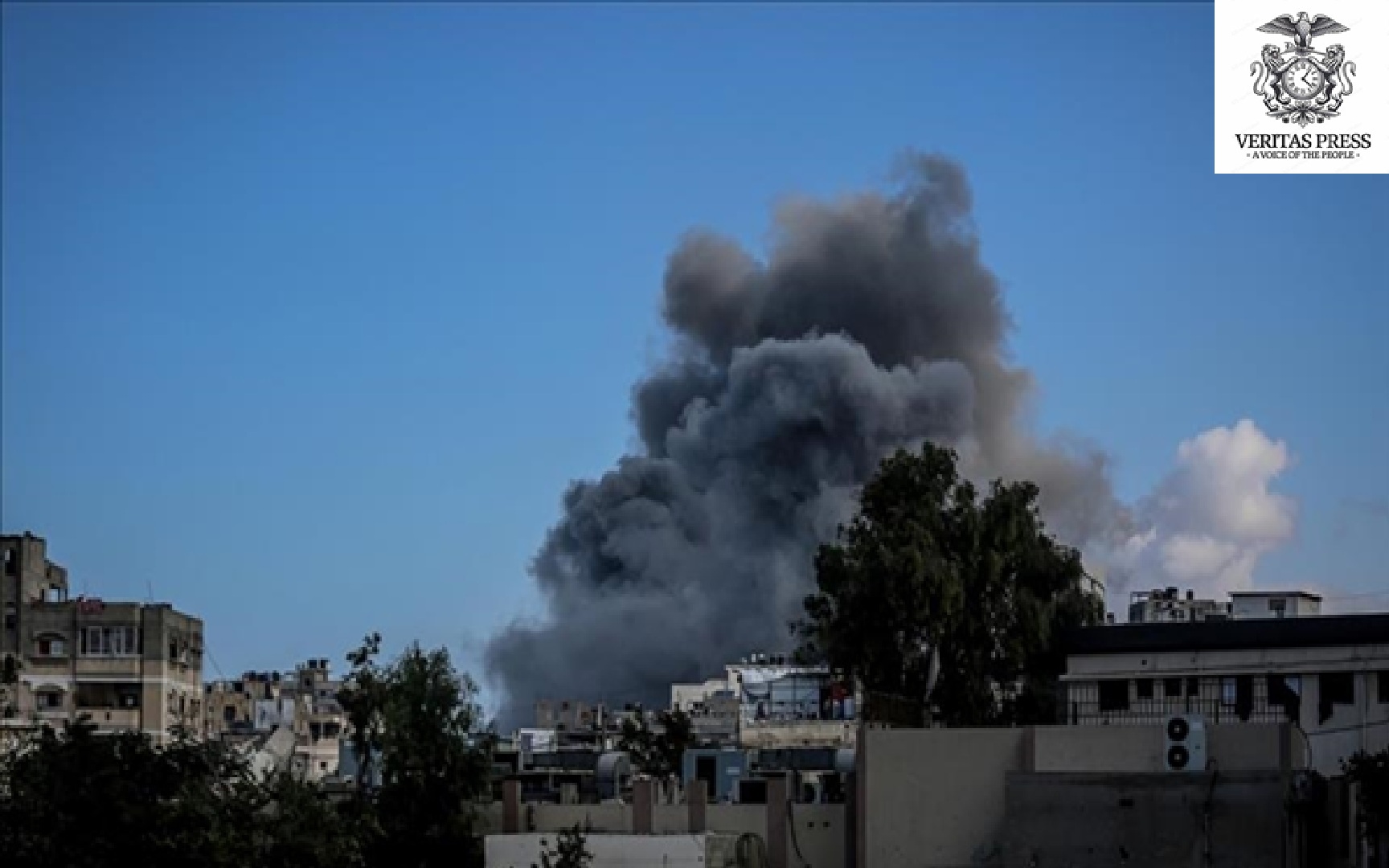
Tuesday’s attack, including drone strikes on civilians, shelling in central Gaza and gunfire in Gaza City and Beit Lahia, illustrates how violence persists below the threshold of full war yet remains lethal. Local hospitals reported multiple deaths and injuries from Israeli fire even beyond established deployment zones, undermining claims that “operations are targeted and limited.”
Analysts highlight that the current ceasefire is structurally fragile, lacking enforcement mechanisms to prevent incremental escalations that cumulatively claim civilian lives. Recent reporting notes that Gaza health authorities count hundreds of Palestinians killed since October, despite the truce, predominantly civilians, even as Israel insists that forces are acting against threats near the ceasefire line.
As one human rights monitor put it: “A ceasefire that allows recurrent shelling and drone strikes on densely populated areas is a ceasefire in name only.”
“Hospitals Are Barely Functional”, WHO And Global Health Experts Sound The Alarm:
Beyond trauma from strikes, Gaza’s healthcare system is teetering on total collapse:
The World Health Organization (WHO) reported that nearly half of essential medicines and vaccines are depleted, with more than 60 % of medical supplies at zero stock, and only a fraction of primary health centres and hospitals are partially functioning. The continued inability to provide basic services, from emergency care to maternal health, is a direct consequence of sustained bombardment and blockade conditions that predate and postdate the ceasefire.
WHO officials have repeatedly warned that health needs far exceed available services and that internal movement is restricted even for aid deliveries due to checkpoints, military operations, and bureaucratic impediments.
A senior WHO representative explained in Geneva that the public health picture is “a near‑total collapse of essential services,” with fuel shortages now crippling electricity-dependent care such as dialysis and intensive units, and diagnostic capabilities at near zero.
Firsthand Testimony From Within The System:
Gazan medics and hospital directors portray a crisis beyond figures:
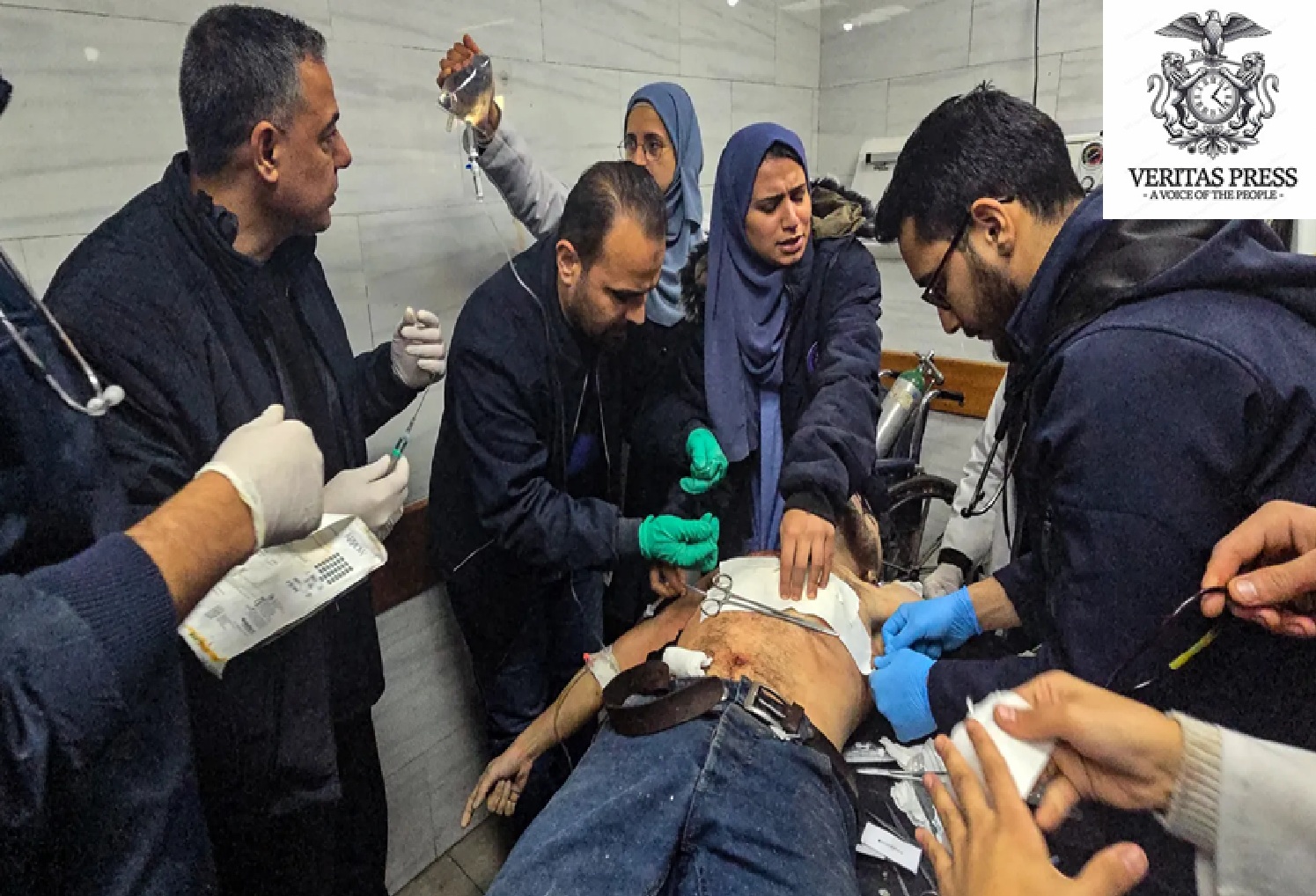
“We are often performing what is not medicine but survival,” said one senior surgeon at a major Gaza hospital.
“We operate without anaesthesia, postpone even life-saving surgeries, and ration antibiotics. People are dying not just from trauma but from lack of treatment that would be routine anywhere else.” — Senior Medical Official, Gaza Health Ministry (testimony summarised from multiple local medical reports).
Dr. Mohammad Abu Salmiya, director of al‑Shifa Medical Complex, warned that the fury of conflict has been matched by the silence of medical supply lines, leaving staff to triage the untriageable: patients with treatable injuries succumb due to lack of basic supplies, a scenario he described as “catastrophic and unconscionable.”
Another medic confided, “We have medicines for only emergencies, and sometimes not even that. We are choosing who lives and who dies every day.”
Medic Shortages = Structural Violence:
Independent monitoring groups and rights organisations argue that the crisis is manufactured, not just incidental:
Gaza’s own Ministry of Health and the Gaza Centre for Human Rights documented that nearly half of essential medicines and two-thirds of medical consumables are entirely out of stock, and 84% of laboratory and blood bank supplies are depleted. They warn that oncology, surgery, intensive care, and even primary care are no longer possible at scale.
Hospitals face deadly fuel shortages, rendering generators, the lifeline of intensive care, oxygen provision, and surgical lighting, precarious or defunct.
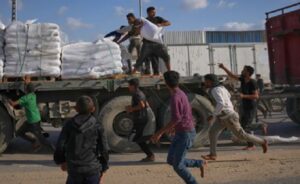
Humanitarian organisations repeatedly demand the unconditional and expanded entry of medical fuel and supplies, noting that the current volume of aid is both inadequate and inconsistently delivered.
Humanitarian Groups Issue Scathing Critiques, Rights And Relief Organisations Are Increasingly Vociferous:
Physicians and rights advocates have publicly called for lifting all restrictions on medical supplies, framing the blockade as an assault on public health itself, not merely a side effect of military action.
The International Federation of Red Cross and Red Crescent Societies has demanded unimpeded humanitarian access, warning that medical facilities are overwhelmed and under-resourced amid new waves of casualties.
One humanitarian analyst commented: “This is not emergency relief, it is a defensive struggle to keep a health system from disintegrating while bodies pile up outside.”
Political And Legal Context: Structural Failure Or Strategy?
Legal experts and international analysts have begun to frame the situation as more than a logistics failure, suggesting the denial of medical access may constitute a breach of international humanitarian law:
“When medicine and fuel are systematically restricted, and damage to civilian infrastructure is routine, the line between collateral harm and prohibited civilian suffering becomes alarmingly thin,” said a scholar of international conflict law.
This viewpoint underscores a broader critique, that ceasefires without enforcement, accountability, or sustained aid access are hollow, and that the consequences are borne most acutely by civilians and the infirm.
Across The Strip, The Human Toll Deepens, The Medical Emergency Compounds Other Crises:
Nearly 20,000 wounded or chronically ill patients remain unable to exit Gaza for urgent care due to bureaucratic obstruction and logistical barriers.
Maternal and reproductive health services have been devastated, with increases in preterm births and declines in safe delivery care as hospitals lose capacity.
Struggles for clean water and basic sanitation continue, elevating risks of epidemics in overcrowded shelters.
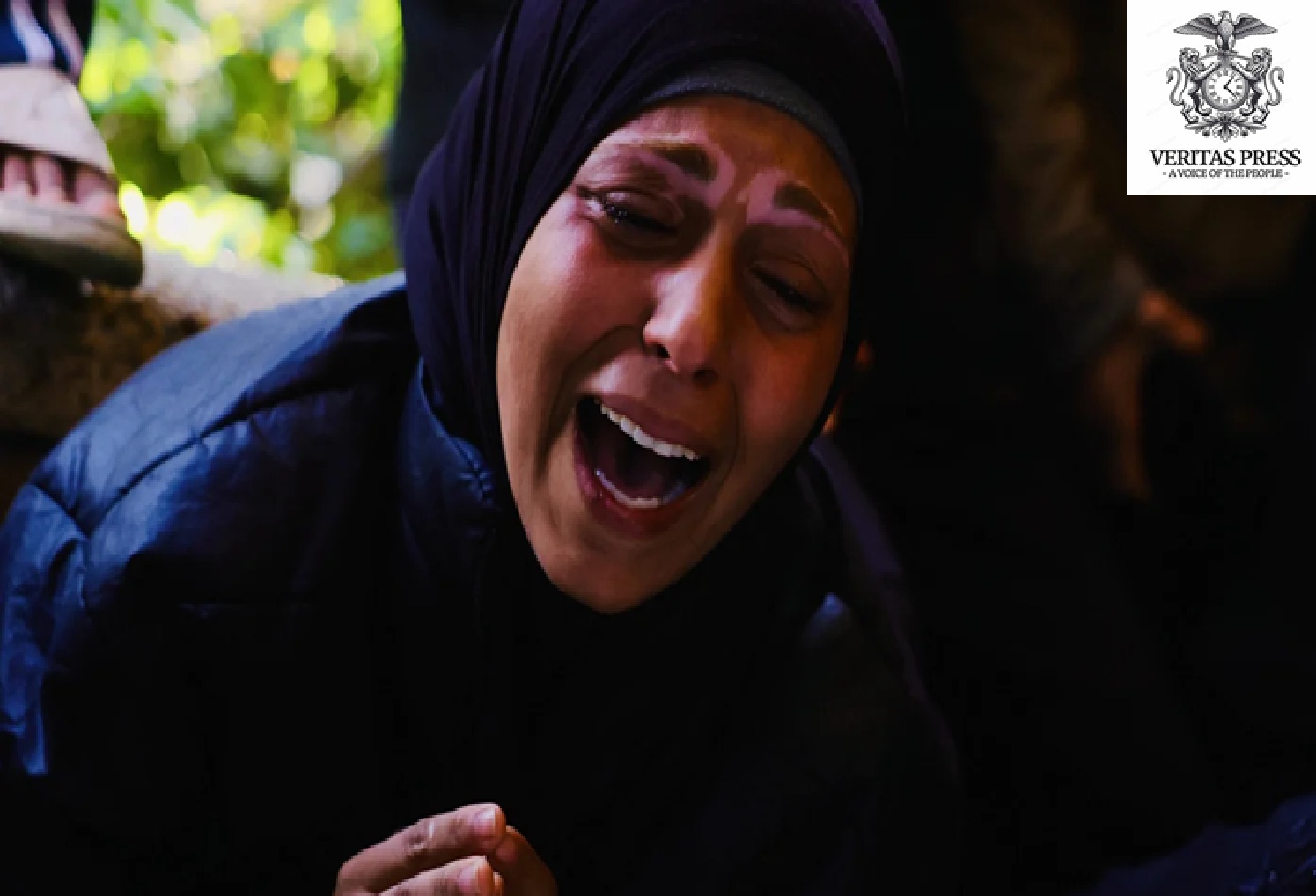
As one displaced mother put it: “We are dying in multiple ways, from bombs, from hunger, from sickness we cannot treat.”
Conclusion: A Health Catastrophe In A Humanitarian Straitjacket.
Tuesday’s deaths and injuries in Gaza are a grim snapshot of a much larger systemic violence:
a degraded health system where supplies, fuel and staff are in crisis;
a fragile ceasefire consistently punctured by lethal operations;
a humanitarian framework that fails to ensure consistent, adequate aid or accountability;
and a population caught between battlefield harm and preventable deaths from treatable conditions.
Without unrestricted, sustained humanitarian and medical access, and robust international monitoring to enforce ceasefire terms, Gaza’s health emergency will not simply persist but escalate, deepening civilian suffering and making mass mortality from treatable causes not an exception but a predictable outcome.
Kamran Faqir is a volunteer investigative journalist and writer committed to exposing hidden truths and amplifying underreported stories. Driven by social justice, he brings sharp insight and fearless truth-telling to independent journalism. NUJ registered.
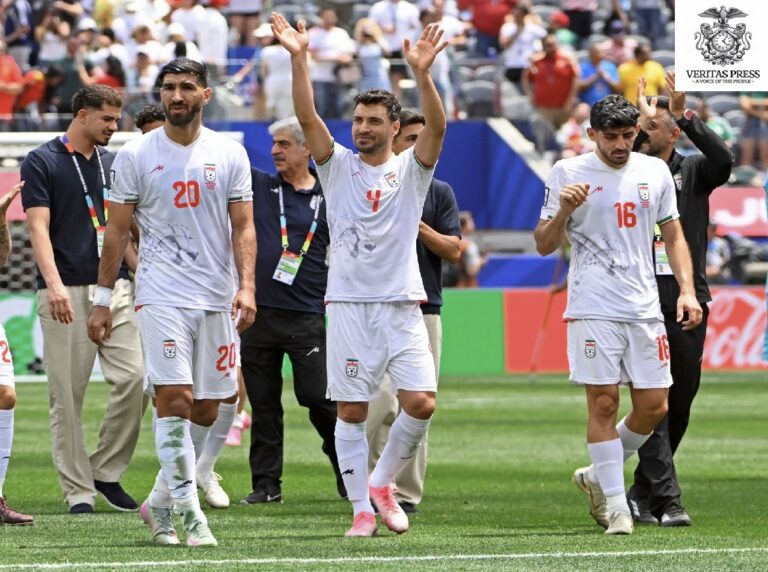
SEATTLE, TEHRAN — The U.S. Department of Homeland Security (DHS) will allow Iran’s national football team to enter the country 48 hours before their critical World Cup match against Egypt on Friday, a modest concession in a tournament where Team Melli’s travel conditions have sparked claims of oppression and competitive disadvantage.