Kamran Faqir is a volunteer investigative journalist and writer committed to exposing hidden truths and amplifying underreported stories. Driven by social justice, he brings sharp insight and fearless truth-telling to independent journalism. NUJ registered.
Original Article Date Published:
Article Date Modified:
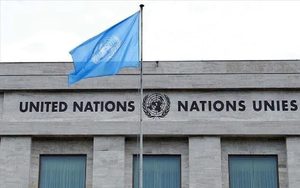
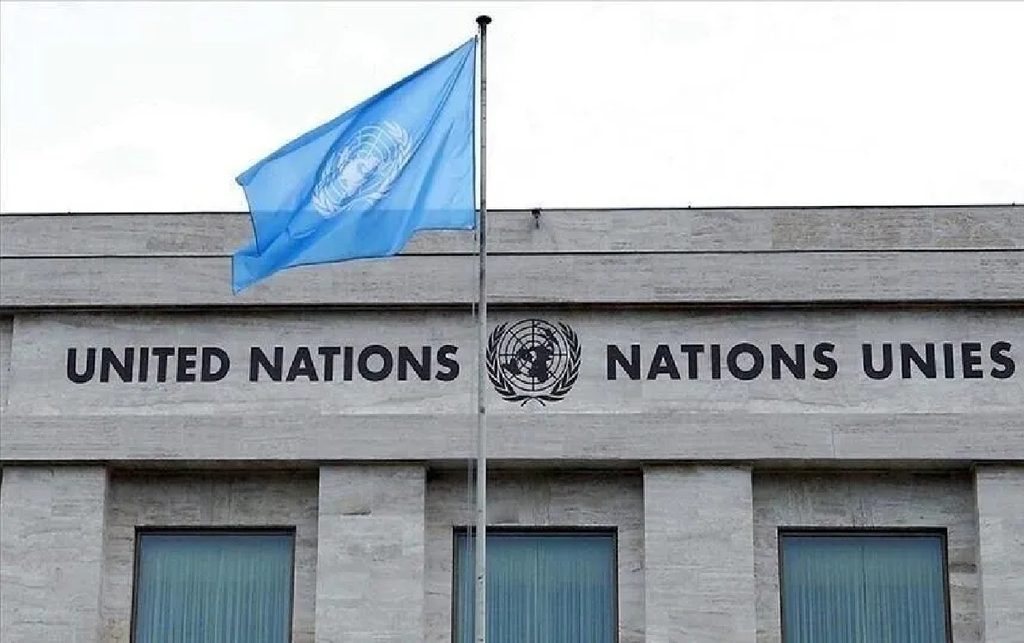
The United Nations has issued one of its starkest warnings yet: Cuba is drifting toward a “humanitarian collapse” as a spiralling fuel emergency threatens to paralyse hospitals, transport networks, and food distribution systems across the island.
UN Secretary-General António Guterres is “extremely concerned about the humanitarian situation,” his spokesperson said, cautioning that conditions could deteriorate rapidly if energy shortages persist.
But what appears at first glance to be another episode in the long U.S., Cuba sanctions saga is increasingly being interpreted by analysts, legal scholars, and Global South policymakers as something more structural, a test case for a new era of economic coercion in which tariffs, supply chains, and financial leverage are deployed as instruments of geopolitical control.
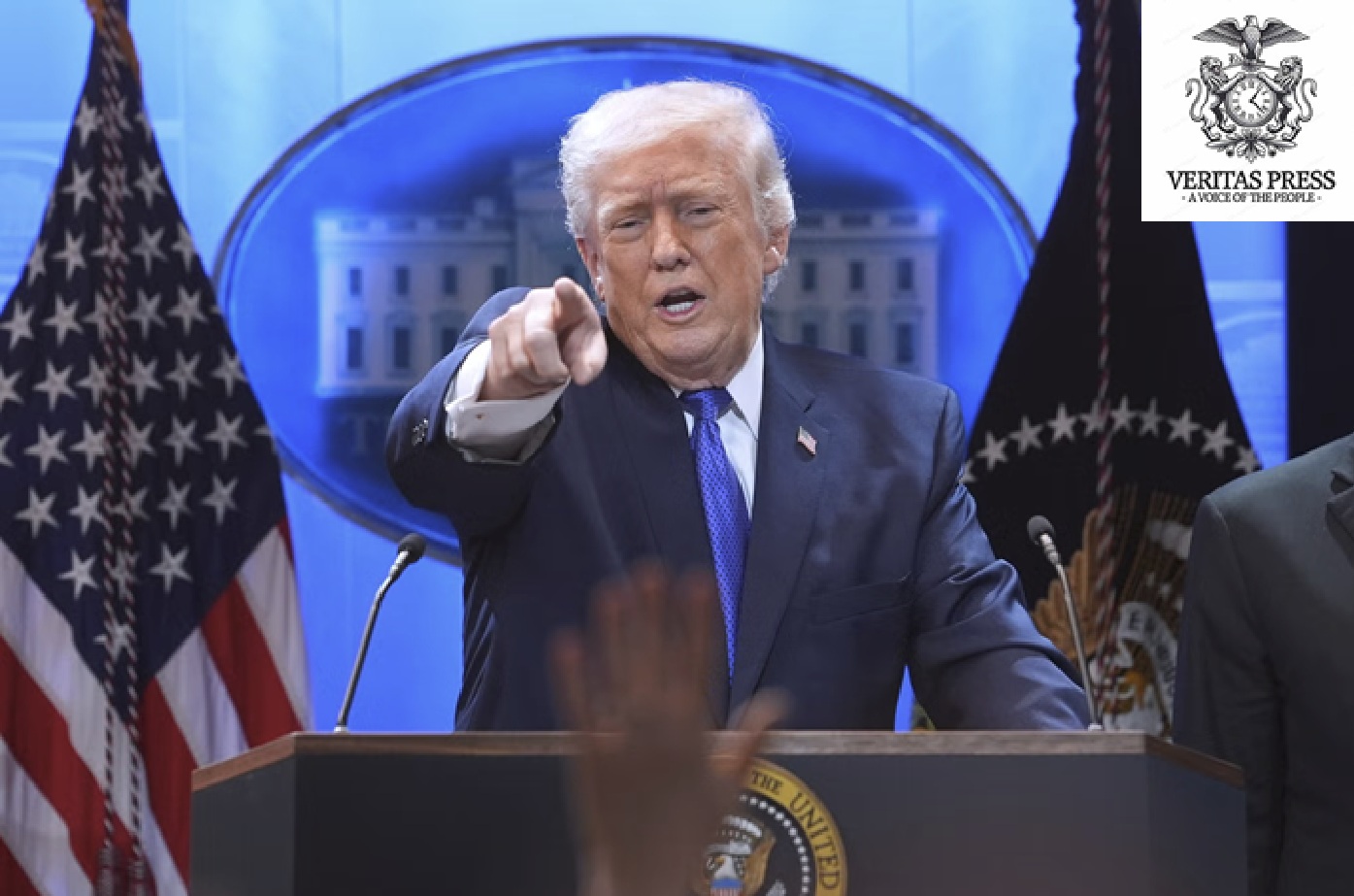
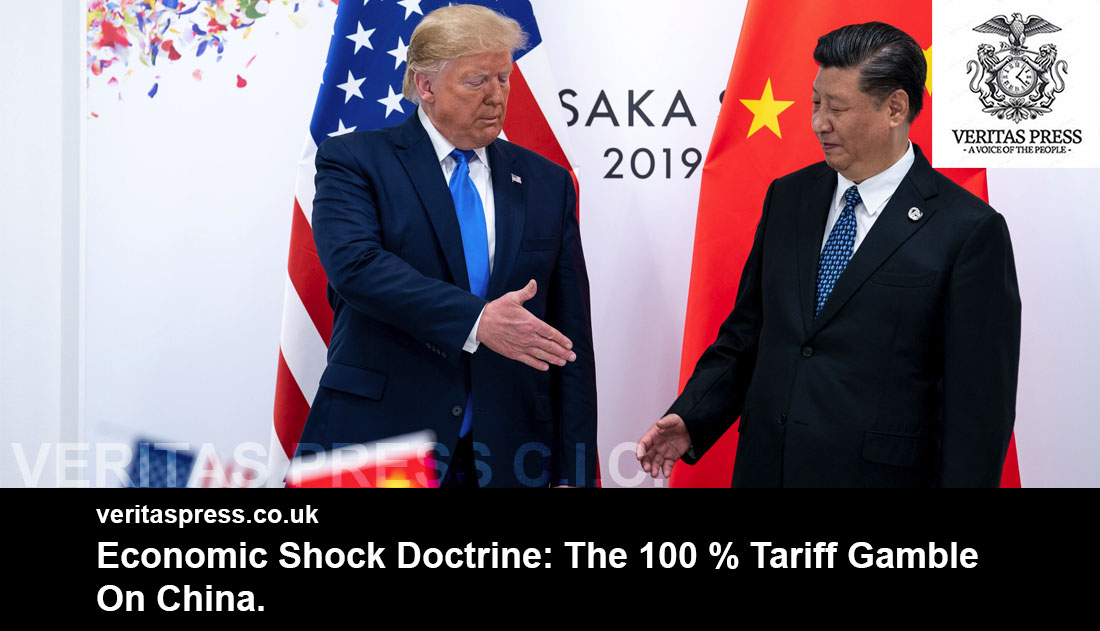
At the centre of the crisis is President Donald Trump’s tariff regime targeting countries that supply oil to Havana, a policy critics say is not merely punitive but transformative, capable of reordering national economies and international markets.
For Cuba, the consequences are immediate.
For the world, they may be systemic.
A Nation Running On Days Of Fuel:
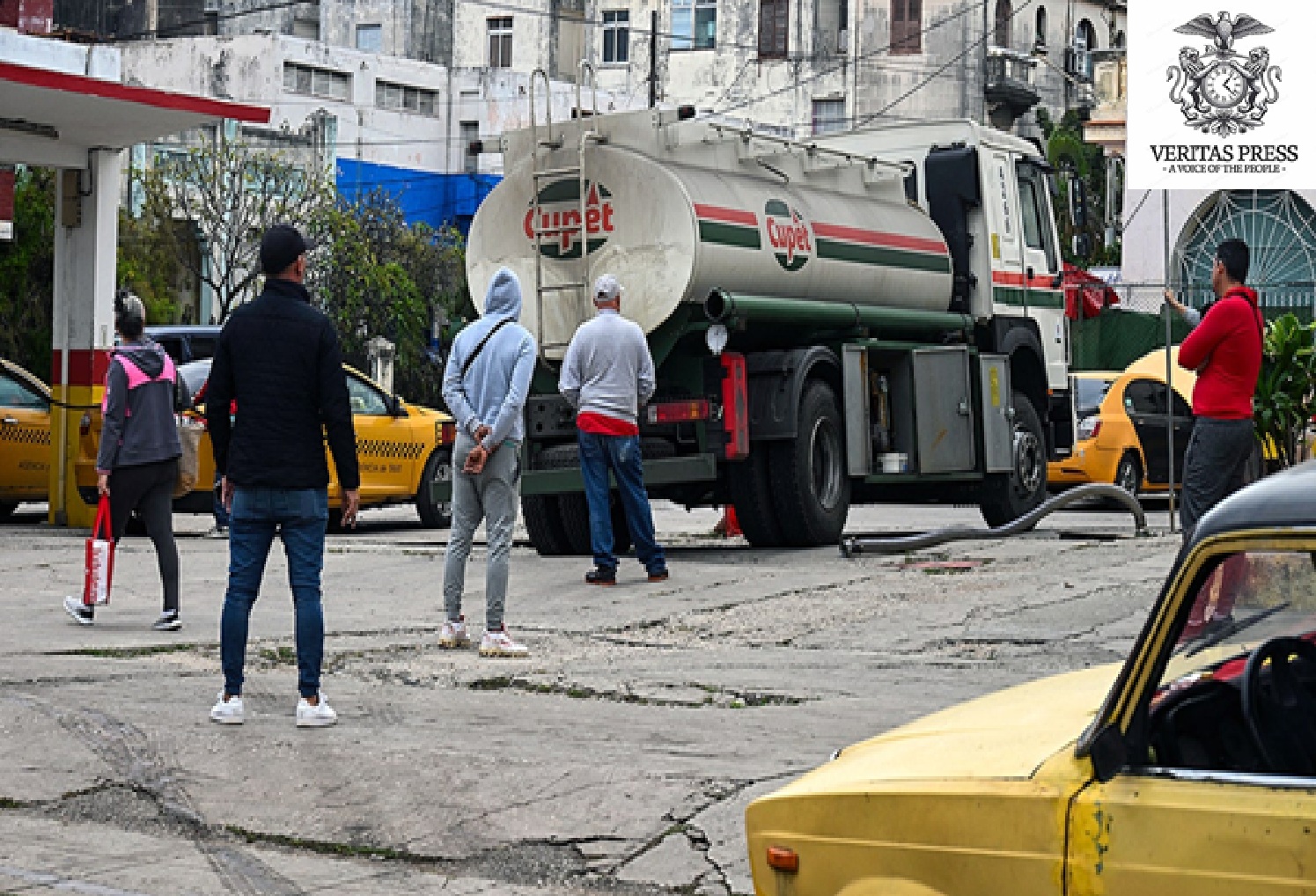
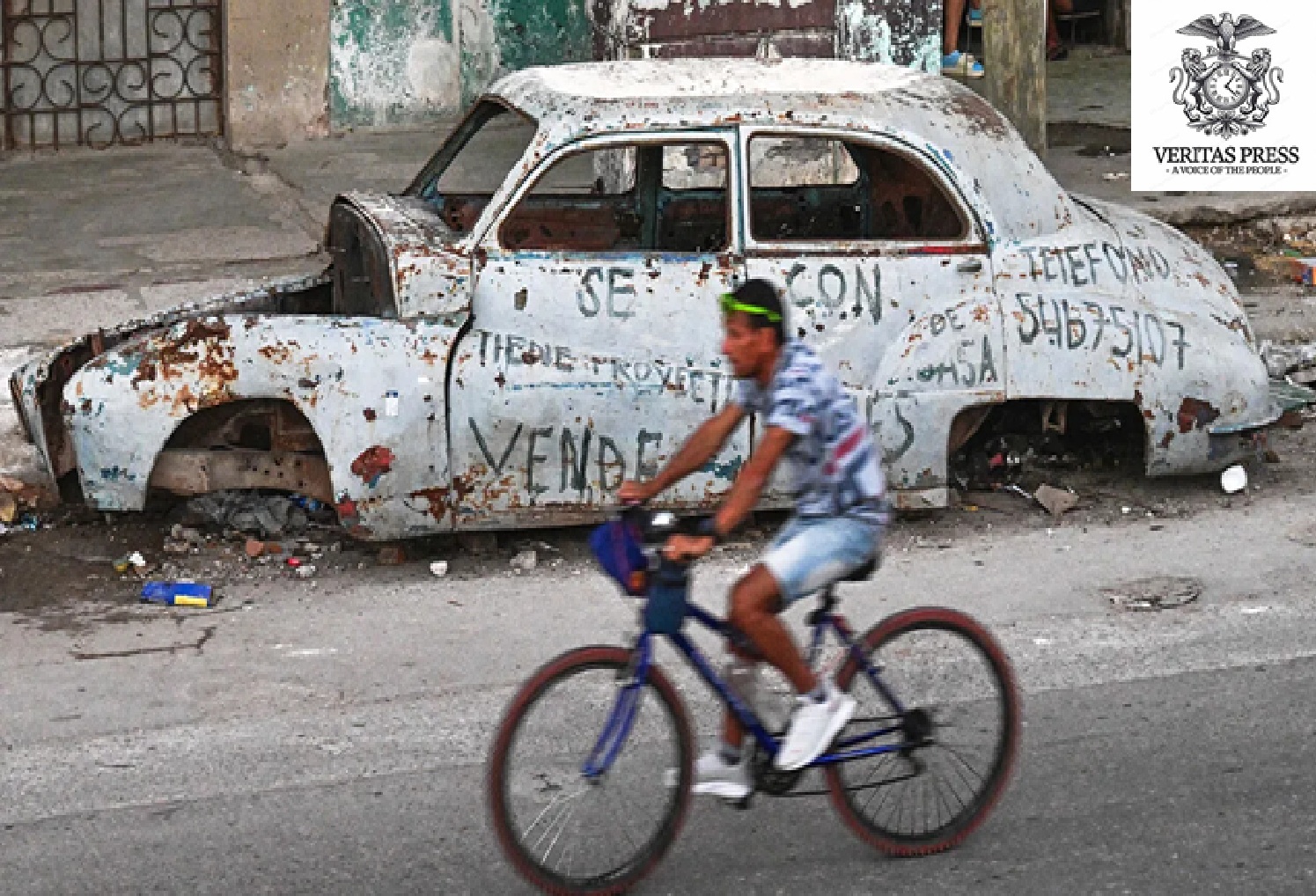
Cuba is confronting what energy officials privately describe as a near-total breakdown.
Oil shipments from Venezuela and Mexico have stalled under U.S. pressure, leaving reserves estimated at just 15–20 days. Rolling blackouts now stretch for hours. Surgical procedures are being postponed. Food refrigeration systems are failing.
The government has warned airlines it cannot guarantee jet fuel at major airports until at least March, forcing carriers such as Air Canada to suspend flights while others scramble to refuel abroad.
The shockwaves extend far beyond transport:
Hospitals struggle to maintain life-saving equipment
Tourism, a primary source of foreign currency, is faltering during peak season
Cultural institutions and schools face closures
Public transit disruptions strand workers
For older Cubans, the moment evokes the trauma of the “Special Period” of the 1990s, when the collapse of Soviet support plunged the island into deprivation marked by hunger, power outages, and economic freefall.
Yet unlike that crisis, this one is not driven by geopolitical collapse, but by deliberate economic policy.
Tariffs As Geopolitical Enforcement:
A January executive order authorises tariffs on goods from any country that “directly or indirectly” provides oil to Cuba, dramatically expanding Washington’s economic reach beyond bilateral sanctions.
Using emergency powers, U.S. agencies are now tasked with monitoring global energy flows, effectively transforming trade policy into a mechanism of geopolitical surveillance.
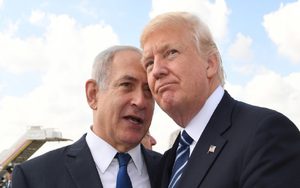
President Trump framed the campaign bluntly:
“There will be no more oil or money going to Cuba… they need to make a deal.”
U.S. officials have simultaneously reiterated regime change as a strategic objective, even while signalling openness to negotiations.
Investigative Reading:
This dual posture, strangulation paired with conditional dialogue, mirrors classic coercive diplomacy: engineer economic pain severe enough to force political concessions without deploying military force.
But critics argue the scale of the measures crosses into something more destabilising.
Mexico has already paused shipments while weighing the risk of U.S. retaliation.
President Claudia Sheinbaum called the sanctions “very unjust,” warning:
“You cannot strangle a people in this way.”
The tariff threat is reshaping global energy routes, demonstrating Washington’s ability to indirectly dictate third-party trade decisions.
For many observers in the Global South, the message is unmistakable:
Economic sovereignty remains conditional.
Legal Fault Lines: Collective Punishment Or Lawful Sanctions?
The intensifying crisis is reviving a long-running legal debate over whether sweeping economic restrictions violate international law.
UN Charter Considerations:
Critics point to Article 2(4) of the UN Charter, which prohibits coercive measures that undermine the political independence of a state.
While sanctions themselves are not illegal, many legal scholars argue that unilateral measures causing widespread civilian suffering may breach humanitarian principles, particularly when not authorised by the UN Security Council.
Collective Punishment:
Human rights experts increasingly invoke the doctrine of collective punishment, prohibited under international humanitarian law, when economic measures predictably harm civilian populations rather than political elites.
When hospitals lose electricity and food systems falter, the question becomes unavoidable:
Are Tariffs Targeting Governments Or Societies?
Washington maintains the policy is lawful and necessary to counter an authoritarian regime.
Yet the UN has repeatedly warned that broad economic restrictions risk exacerbating humanitarian crises in already fragile economies.
The legal ambiguity reflects a wider gap in international governance:
Global trade rules were never designed to police weaponised interdependence.
Neo-Colonial Echoes In The Caribbean:
Viewed historically, the strategy aligns with a long pattern of economic statecraft in the Caribbean, a region repeatedly shaped by external powers seeking trade dominance, strategic footholds, and resource access.
Although Cuba is not a major oil producer, its geographic location near critical shipping lanes and the Gulf energy corridor grants it enduring geopolitical weight.
Analysts suggest forcing economic dependence could open pathways for:
Expanded U.S. commercial penetration
Political realignment
Infrastructure influence
Energy sector access
Such outcomes would echo earlier eras when economic pressure preceded political restructuring across the hemisphere.
Investigative Analysis:
The current policy has been described as a modern “stick-and-carrot” architecture:
Accept integration into a U.S.-aligned economic framework or face destabilising shortages capable of provoking internal unrest.
Officials have even indicated that Cuba is “the next country whose regime needs to be changed.”
For many Global South scholars, this language is familiar.
They call it economic imperialism updated for the 21st century, control achieved not through occupation, but through financial chokepoints.
America First, Global Shockwaves:
Trump’s tariff doctrine extends beyond Cuba.
Market analysts warn that aggressive trade weaponisation is beginning to fracture international commerce itself.
Supply chains are being rerouted not for efficiency, but for political safety.
Energy exporters are recalculating risk exposure.
Allies are reassessing dependence.
Some economists argue the “America First” framework is gradually destabilising the very system that underpinned decades of global growth.
Instead of rules-based trade, the emerging order may hinge on power asymmetry.
The result?
Greater volatility.
Higher costs.
Fragmented markets.
For developing nations already navigating debt crises and climate shocks, the implications are profound.
If access to fuel can be curtailed through secondary tariffs today, what prevents similar pressure tomorrow?
A Global South Warning Signal:
Across Latin America, Africa, and parts of Asia, policymakers increasingly interpret Cuba not as an isolated case, but as a warning.
The concern is less about ideology than precedent.
If major powers can weaponise trade networks at will, smaller economies may find their sovereignty constrained by invisible financial borders.
This anxiety has fueled renewed calls for:
South-South energy cooperation
Alternative payment systems
De-dollarisation efforts
Regional supply chains
Whether these ambitions materialise remains uncertain.
But the strategic intent is clear:
Reduce vulnerability to economic siege.
Humanitarian Fallout Accelerates:
The UN warns the blockade is amplifying an economy already weakened by decades of sanctions, pandemic-era tourism losses, and recurring natural disasters.
Families endure prolonged outages.
Bus stops sit empty.
Households revert to wood and coal for cooking.
Mexico has delivered hundreds of tons of food and humanitarian relief, replacing the oil it once supplied.
Yet aid cannot stabilise an energy grid nearing systemic failure.
Kamran Faqir is a volunteer investigative journalist and writer committed to exposing hidden truths and amplifying underreported stories. Driven by social justice, he brings sharp insight and fearless truth-telling to independent journalism. NUJ registered.
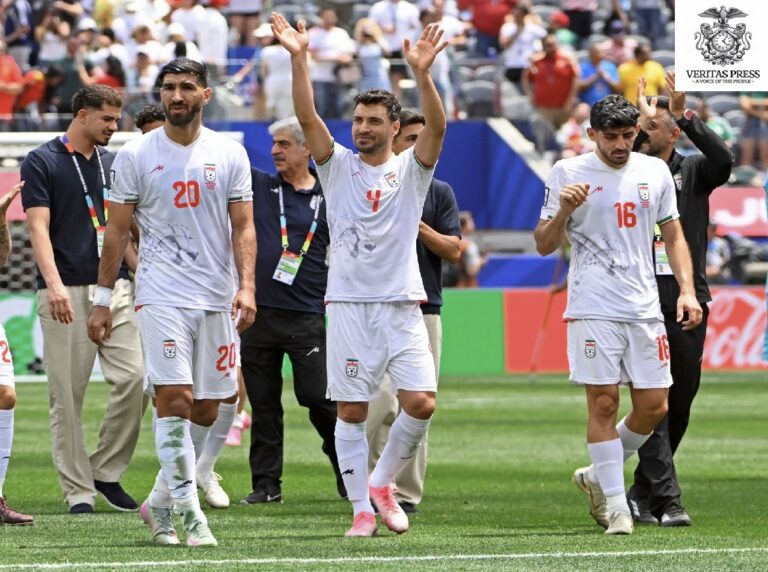
SEATTLE, TEHRAN — The U.S. Department of Homeland Security (DHS) will allow Iran’s national football team to enter the country 48 hours before their critical World Cup match against Egypt on Friday, a modest concession in a tournament where Team Melli’s travel conditions have sparked claims of oppression and competitive disadvantage.