
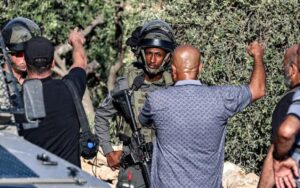


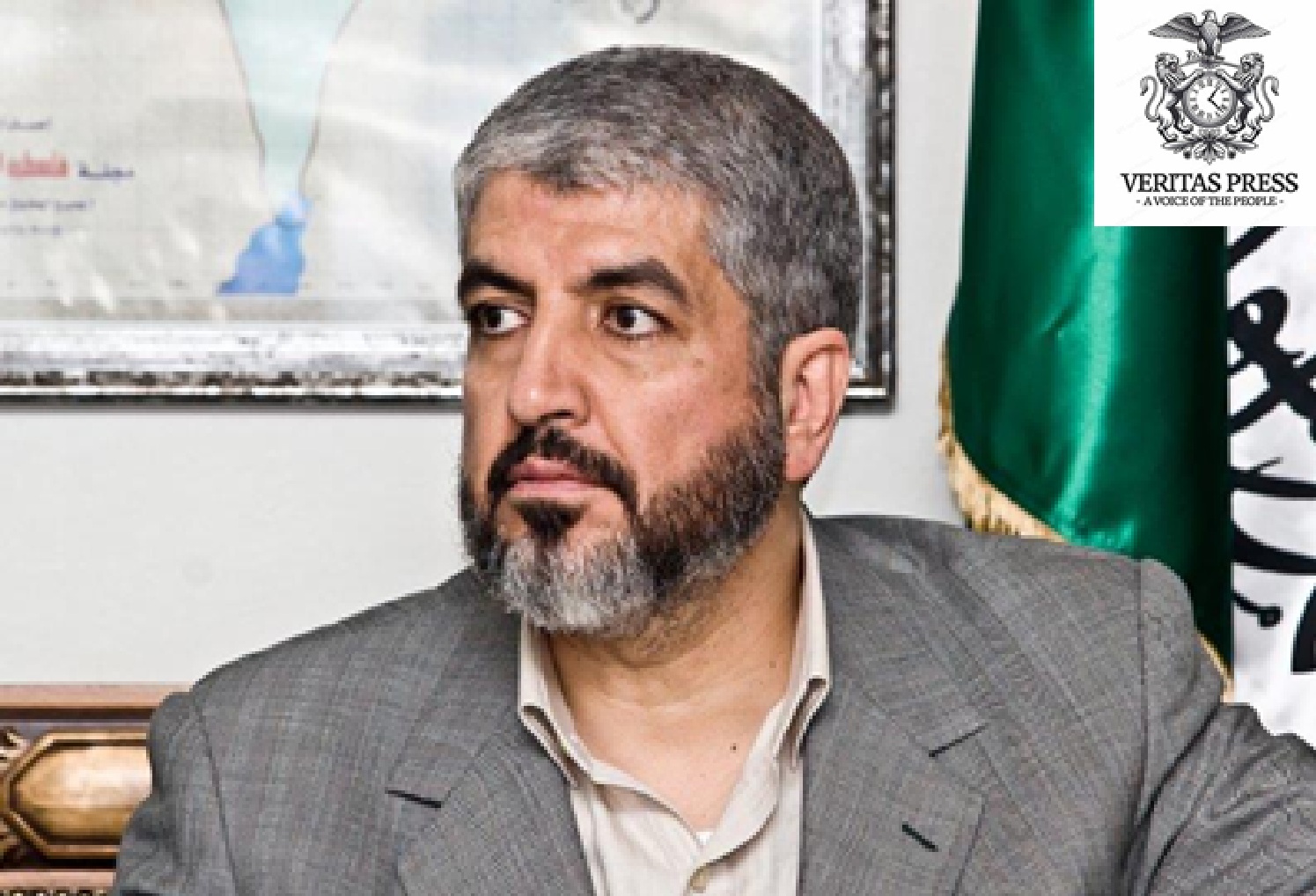

GAZA STRIP – Israeli attacks across the Gaza Strip have persisted despite a fragile ceasefire, exposing the truce as little more than a pause in a war that has already claimed tens of thousands of lives. Artillery fire, airstrikes, and demolition operations continue to target civilians and infrastructure, while diplomatic efforts to stabilise the ceasefire remain stalled. Meanwhile, Hamas political leader Khaled Meshaal has rejected calls for disarmament, framing the issue as inseparable from Israel’s ongoing military occupation.
Analysts increasingly describe the situation not as a truce but as a shift in the phase of conflict: the battlefield may have quieted in some areas, but the war’s structural violence, siege, displacement, and political coercion remain unrelenting.
Killings Despite The Truce:
On Sunday morning, Israeli artillery killed at least one Palestinian and seriously wounded another in Beit Lahia in northern Gaza, according to medical sources. Helicopter gunfire and shelling were reported simultaneously in Khan Yunis and Rafah, while residential buildings were demolished in multiple neighbourhoods. Health authorities report that these incidents are not isolated, but part of a consistent pattern of violations since the October 2025 ceasefire.
The Gaza Health Ministry reports that 576 Palestinians have died since the truce began, adding to a total death toll exceeding 100,000, with more than 377,000 wounded or maimed. Independent monitoring, cited by Al Jazeera, indicates Israel has violated the ceasefire at least 1,450 times through air raids, artillery strikes, shootings, and property destruction.
Separate reporting highlights the rapid erosion of confidence in the truce: at least 21 people, including women and children, were killed in Israeli tank shelling and airstrikes earlier this week.
In Rafah, the death of Dalia Khaled Hafez Asfour, who succumbed to wounds sustained earlier in the war, represents a multigenerational toll, joining four of her children killed in previous strikes. Local journalists describe her death as emblematic of the ceasefire’s failure to protect civilians.
Returning To A Ruined Gaza:
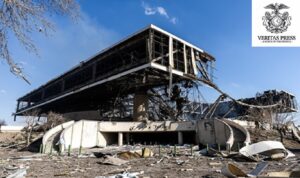
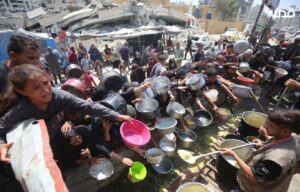
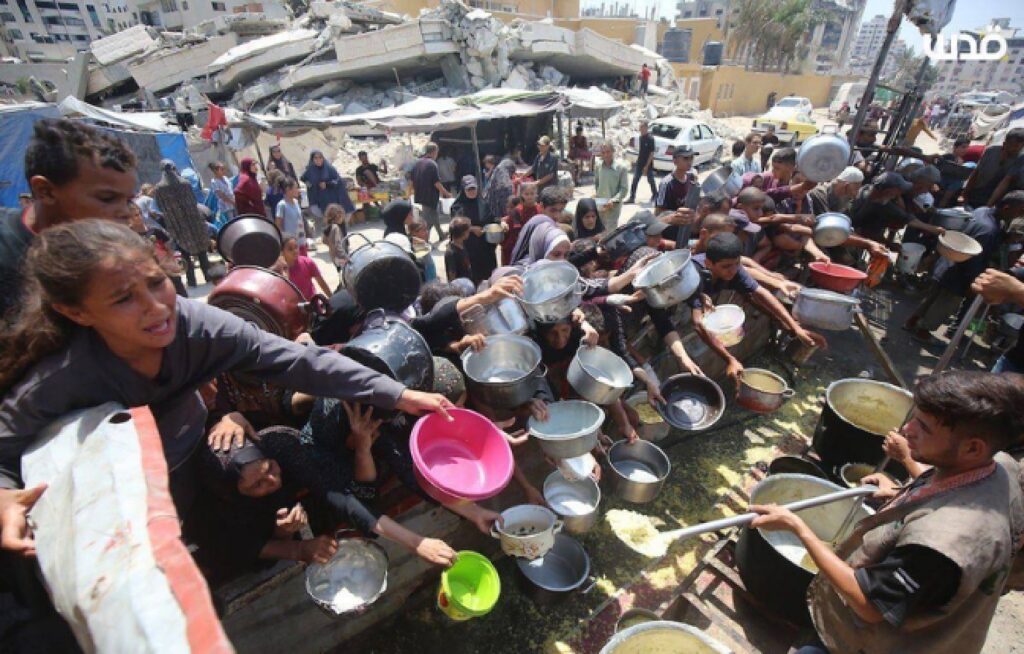
The partial reopening of the Rafah crossing allowed some displaced Palestinians to return, but the territory they re-entered was largely unrecognisable. According to Quds News Network, neighbourhoods are reduced to rubble, water and sanitation systems are destroyed, and makeshift tent encampments are now home to thousands.
Sabah Saleh, 65, described her return after losing her husband and three sons:
“Gaza became a city of tents, without water, without treatment, without the most basic necessities of life.”
Even limited medical evacuations have been inconsistent. The Palestinian Red Crescent recently transferred 15 patients and 31 companions to Egypt, but further transfers remain stalled, leaving thousands stranded despite Israel’s claims that the crossing is open. Officials estimate 20,000 patients still await permission to travel abroad for life-saving treatment.
Humanitarian organisations warn that the partial reopening is largely symbolic, unable to address the systemic collapse of health, shelter, and essential services, leaving Gaza’s residents in what one aid worker described as a “slow-motion humanitarian catastrophe.”
Meshaal: Weapons Are Non-Negotiable.
At the Al Jazeera Forum in Doha, Hamas political leader Khaled Meshaal issued one of the most forceful statements yet on the group’s position regarding disarmament, directly linking it to Israel’s occupation:
“Talk about disarmament will turn our people into a victim that can be easily preyed on by Israel. As long as there is occupation, there is resistance.”
Meshaal emphasised that the October 2025 ceasefire should not be interpreted as a surrender of Hamas’s defensive capabilities. He confirmed that Hamas has offered a five-to-ten-year truce as a compromise, contingent on international guarantees that their weapons would not be used offensively during this period.
“The problem is not Gaza’s weapons; the problem is Israel. Disarmament under occupation is an attempt to make our people easy prey.”
Other members of the Hamas politburo echoed this position, warning that any attempt to remove arms unilaterally would destabilise Gaza further. One official, speaking on condition of anonymity, noted:
“The mediators may ask us to hand over our weapons, but without clear guarantees on Israeli withdrawal and the protection of civilians, that is impossible.”
The United States has pushed for comprehensive demilitarisation, while Israel has insisted Hamas must be disarmed. Yet key components of the truce, including Israeli withdrawal from eastern Gaza and the deployment of an international peacekeeping force, remain unresolved, leaving negotiations precarious.
International Alarm And Regional Pressure:
The continued violations have provoked regional alarm. Foreign ministers from eight Muslim-majority countries issued a joint statement condemning ceasefire violations, warning they risk undermining stability and eroding trust in diplomatic mechanisms. They called on all parties to respect agreements and allow for reconstruction, implicitly acknowledging that Gaza’s recovery cannot begin while attacks persist.
Regional mediators, including Qatar and Turkey, have described the truce as a “pause rather than a solution”, stressing that without progress on sovereignty, borders, and civilian protection, the arrangement risks collapse.
Global Protests And Public Pressure:
Public outrage has spread across Europe, where demonstrations in Berlin, Paris, and Milan called for sanctions, boycotts, and diplomatic accountability. Protesters accused Western governments of complicity in the ongoing occupation and demanded enforcement of the ceasefire. Activists have pledged to maintain pressure, reflecting the internationalisation of Gaza’s struggle and the perception that the truce has not delivered tangible protections for civilians.
A Fragile Pause, Or A Forever War?
The October 2025 ceasefire, brokered with U.S. support, was intended to halt more than two years of war. Yet ongoing attacks, unresolved medical evacuations, and a political deadlock over Hamas’s weapons indicate the conflict has entered a prolonged, uncertain phase.
Independent journalists and human rights groups note that Gaza’s residents are living in a “liminal space”: a truce that exists largely on paper, while the daily reality is continued violence, deprivation, and fear. Meshaal captured the dilemma in stark terms:
“This conflict has forced the world to reopen the Palestinian question. Without a political solution, the cycle of violence will continue. Recognition by 159 countries is a step, but without enforcement on the ground, it remains meaningless.”
For Palestinians returning to flattened neighbourhoods, the distinction between war and truce has blurred. The ongoing ceasefire, riddled with violations, humanitarian collapse, and political stalemate, suggests that Gaza is caught in a protracted war disguised as a fragile peace, one that threatens to continue until underlying political and territorial disputes are addressed.
GENEVA — A United Nations fact-finding mission has concluded there are “reasonable grounds to believe”
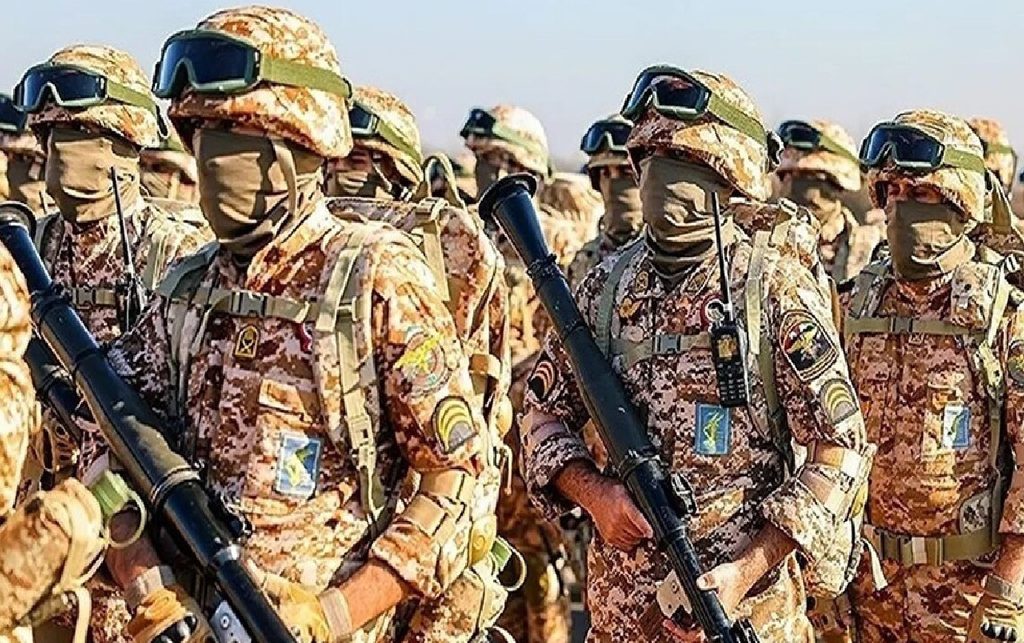
Iran’s GDP is projected to contract by 5.4 to 6.1% in 2026, its worst performance
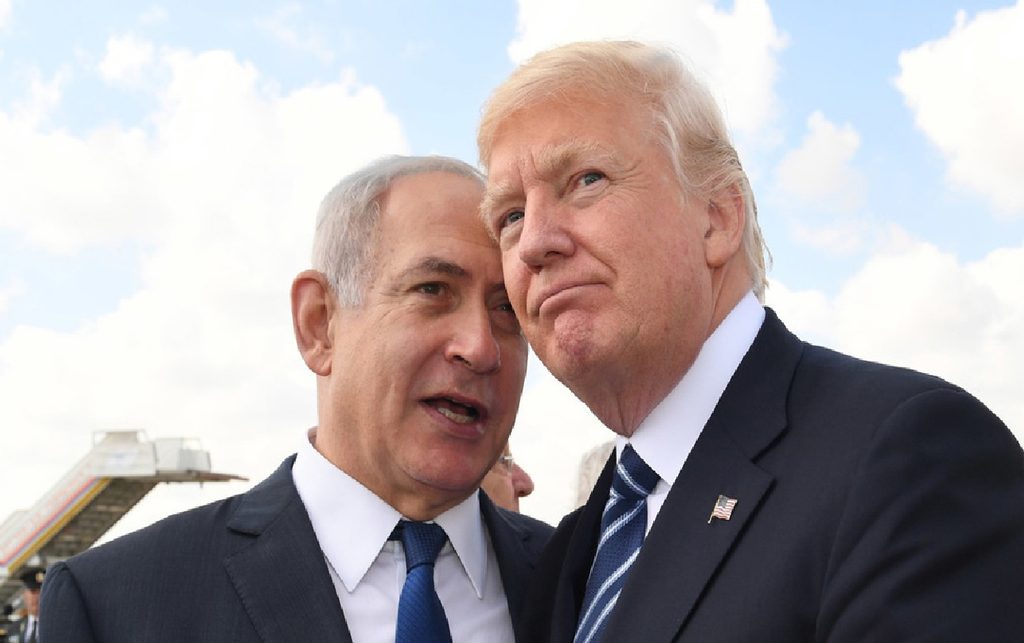
The Trump administration is preparing a $2.8 billion weapons package for Israel containing 40,000 2,000-pound

Film alleges mass civilian deaths are routinely built into military decisions amid Israel’s genocidal war
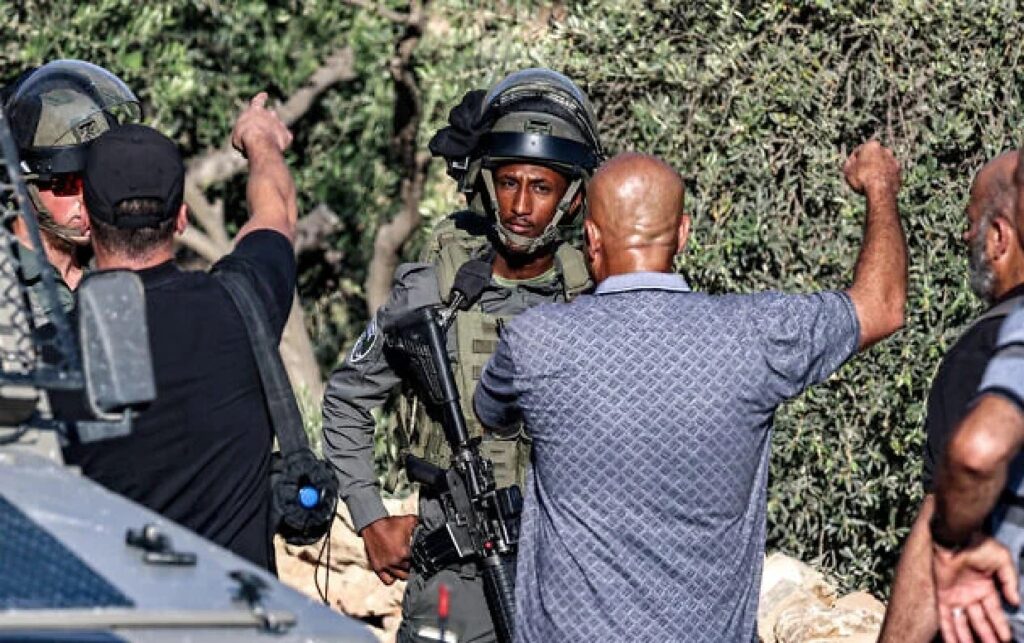
The Israeli rights group says violence, displacement, economic strangulation, and settlement expansion form part of

Houthi forces have captured the historic Red Sea port of Mocha and are advancing on
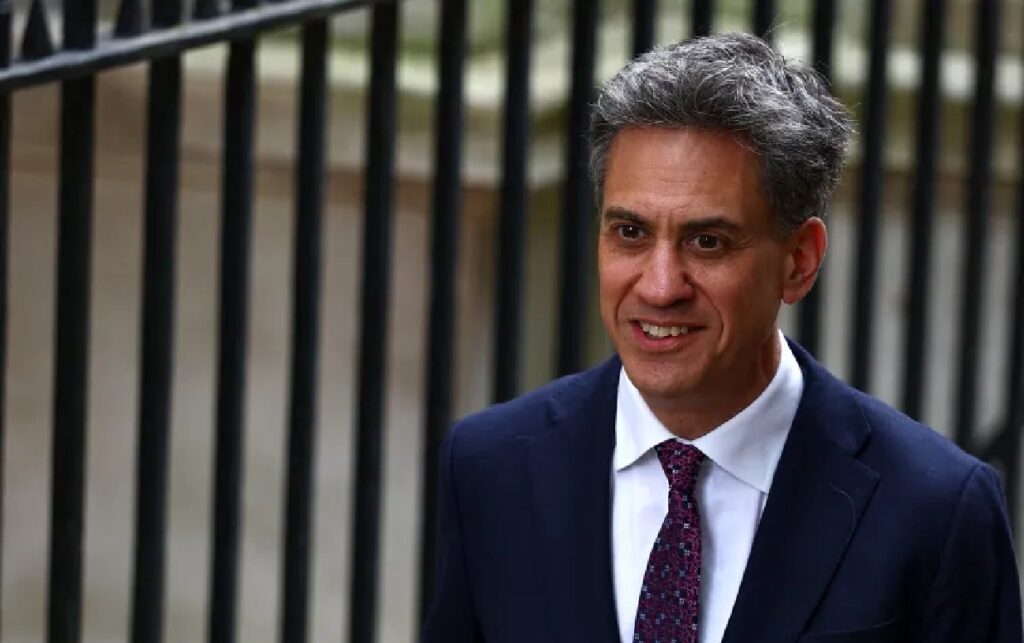
London’s historic sanctions against Israeli settlements mark a watershed moment in UK foreign policy, but
With 95% of Gaza’s population now wholly dependent on aid and more than 90% stripped
India calls for Kashmir and Ladakh to appear only on its official map after a
ISLAMABAD – In the high-stakes political theatre of Pakistan, the battleground has shifted from the