

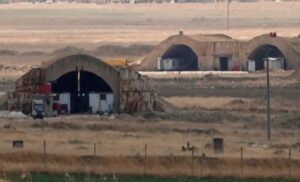

SUWAYDA, SYRIA – The killing of four civilians by a member of Syria’s internal security forces in the southern province of Suwayda is being viewed by residents and rights advocates not as an isolated tragedy, but as another warning sign of entrenched impunity, fractured authority, and unresolved sectarian tensions in post-Assad Syria.
Authorities confirmed that an internal security officer was arrested after opening fire on a group of olive harvesters in the village of al-Matana, leaving four dead and a fifth critically wounded.
Internal security chief Hossam al-Tahhan described the attack as a “heinous crime,” adding that the suspect was “immediately detained and referred for investigation.”
The victims had reportedly been cleared by authorities to work in the government-controlled area before the shooting occurred, a detail that has intensified questions about command responsibility and civilian protection.
Survivors, Locals Fear A Pattern Rather Than An Anomaly:
While officials urged calm, the broader context suggests the incident fits into a longer trajectory of violence in the Druze-majority province.
Witnesses, Druze factions, and monitoring groups have previously accused government forces of siding with rival Bedouin fighters and committing abuses during earlier clashes, allegations Damascus denies.
Residents interviewed after earlier bloodshed described friends and neighbours being “shot at close range in their homes or in the streets,” with some identifying the perpetrators as government troops based on uniforms and insignia.
The violence has “deepened their distrust of the Islamist-led government,” Reuters reported, highlighting growing anxiety among minorities about future protection.
Kenan Azzam, a dentist from Suwayda, captured the scale of loss during the previous wave of killings:
“I can’t keep up with the calls coming in now about the dead.”
Such testimonies underscore why many locals interpret the latest shooting less as a rogue act and more as evidence of systemic security failures.
Analysts Question The Credibility Of Investigations:
Scepticism toward official probes runs deep in Suwayda.
Rayyan Maarouf, a researcher with the citizen-journalism network Suwayda24, warned that investigative bodies lack legitimacy because they have no access to crime scenes.
“It has shown no interest in investigating the chain of command… The killings were not traffic accidents.”
Druze residents have increasingly distanced themselves from Damascus, with many expressing doubt that perpetrators, especially those within state institutions, will face meaningful accountability.
Rights Groups: Reform Needed To Prevent Recurring Abuses.
Human Rights Watch recently said Syria’s transitional government had taken “initial steps” toward justice mechanisms, including bodies to address abuses and missing persons.
Yet rights advocates stress that structural reform, particularly of the security sector, remains essential if civilians are to be protected.
The complexity of Syria’s current security environment, marked by overlapping armed actors and unclear legal responsibility, makes preventing violations extremely difficult, according to the Syrian Network for Human Rights.
Province Shaped By Mass Violence And Displacement:
The latest killings come after catastrophic fighting in 2025 between Druze fighters, Bedouin tribes, and government forces.
A ceasefire ended sectarian violence that killed more than 1,260 people, including nearly 200 noncombatants “summarily executed” by government forces, according to monitoring data cited by Al-Monitor.
Reuters separately reported that at least 558 people were killed during one phase of the violence, while the fighting tested Syria’s new leadership and deepened national fractures.
For civilians trapped in the conflict, fear became routine.
Fatima Abdel-Qader, a displaced Bedouin resident, recalled:
“We were afraid that someone would come to our home and kill us all.”
More than 185,000 people remain uprooted, according to monitoring groups, illustrating the enduring humanitarian fallout.
Government Narrative Vs. Local Reality:
Officials maintain their forces intervened to halt sectarian fighting and protect minorities.
Information Minister Hamzah al-Mustafa acknowledged reports of “serious violations” that could amount to atrocities, but said investigations were delayed due to military redeployments.
The Interior Ministry has similarly framed attacks in the province as attempts by “outlaw armed groups” to undermine public safety.
Yet the repeated implication of state-linked actors, whether confirmed or alleged, continues to erode public confidence.
Fragile Ceasefire, Militarised Landscape:
The July truce halted open warfare but failed to dismantle the conditions that produced it.
Government troops were drawn directly into earlier clashes between Druze militias and Bedouin fighters, with Israeli airstrikes and regional tensions further complicating the battlefield.
Many observers now see Suwayda as a microcosm of Syria’s post-war dilemma: a transitional state attempting to consolidate authority while relying on security institutions that communities often fear.
Accountability As A Turning Point, Or Another Missed Opportunity?
The swift arrest of a security officer may signal responsiveness, but analysts say the real test lies in transparency.
Past investigations have been criticised for failing to examine command structures or senior responsibility, a gap that fuels perceptions of institutional impunity.
For residents still burying their dead from previous waves of violence, justice is measured not by announcements but by prosecutions.
Until then, the olive grove shooting risks reinforcing a grim conclusion shared quietly by many in Suwayda: that the ceasefire froze the conflict, but never resolved the forces driving it.
Conclusion: A Province Suspended Between Ceasefire And Collapse And A Frontier Reshaped By Regional Power.
The killing of four olive harvesters by a security officer is more than a criminal case awaiting prosecution; it is a stress test for Syria’s transitional order and its promise of civilian protection. In Suwayda, where the boundary between state authority and armed power remains dangerously blurred, each episode of violence erodes the credibility of institutions tasked with restoring stability after years of war.
For many residents, the central question is no longer whether abuses occur, but whether the state is structurally capable of preventing them. The repeated implication of security actors, whether through direct involvement, negligence, or systemic oversight failures, suggests a deeper governance crisis rather than a series of isolated violations.
Analysts warn that fragile states often drift into cycles where emergency security logic substitutes for institutional reform. Without investigations that extend beyond the triggerman to examine command responsibility, operational culture, and rules of engagement, accountability risks becoming performative, a mechanism to contain public anger rather than deliver structural justice.
The optics of a swift arrest may project control, but comparative post-conflict experience shows prosecutions rarely rebuild trust unless they are independent, transparent, and followed by measurable reform. Otherwise, mistrust calcifies, minority communities arm themselves, and localised power centres begin to rival the state.
Suwayda already exhibits many of these warning signs: sectarian polarisation, proliferating militias, recurring displacement, and a population increasingly sceptical of Damascus’ intentions. A ceasefire can silence guns temporarily, but legitimacy, not coercion, ultimately determines whether fractured societies stabilise.
Yet the Suwayda killings are not merely a localised security failure. They are unfolding within a rapidly internationalising conflict environment in which southern Syria is shifting from post-war periphery to strategic frontier.
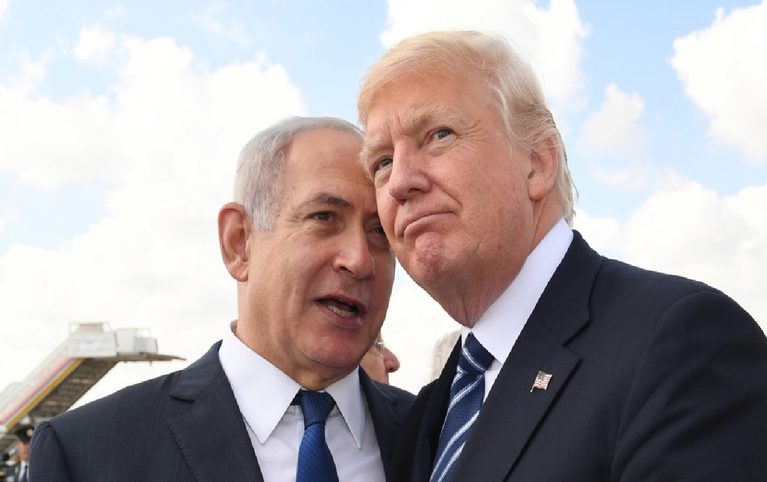
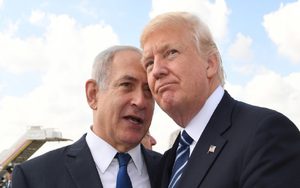
Over the past year, Israel has steadily expanded its operational footprint in Syria, moving into a U.N.-patrolled buffer zone after the collapse of the Assad government and insisting that the territory remain demilitarised to secure its northern frontier. Israeli leadership has articulated unusually explicit red lines: Prime Minister Benjamin Netanyahu has declared that Israel would not allow hostile forces south of Damascus while demanding full demilitarisation of provinces including Suwayda and pledging protection for the Druze minority.
Defence officials have gone further, signalling that Israeli forces could remain in parts of southern Syria for an indefinite period to neutralise threats and cultivate ties with what they describe as “friendly populations.” For analysts, such language suggests something more structural than temporary border defence.
A growing body of regional analysis interprets Israel’s operations, publicly framed as minority protection, as part of a broader effort to construct a hostile-free buffer environment governed indirectly through selective alliances and localised security relationships. The doctrine is increasingly recognisable across contested borderlands: influence without formal occupation, leverage without annexation.
Israel maintains that its actions are defensive, aimed at preventing militant entrenchment and safeguarding Druze communities with whom Israeli Druze share deep social and military bonds. Yet this justification remains contested. Critics warn that movement into buffer areas risks exploiting Syrian instability for territorial and strategic advantage, an accusation Israel rejects, but one that continues to shadow its policy.
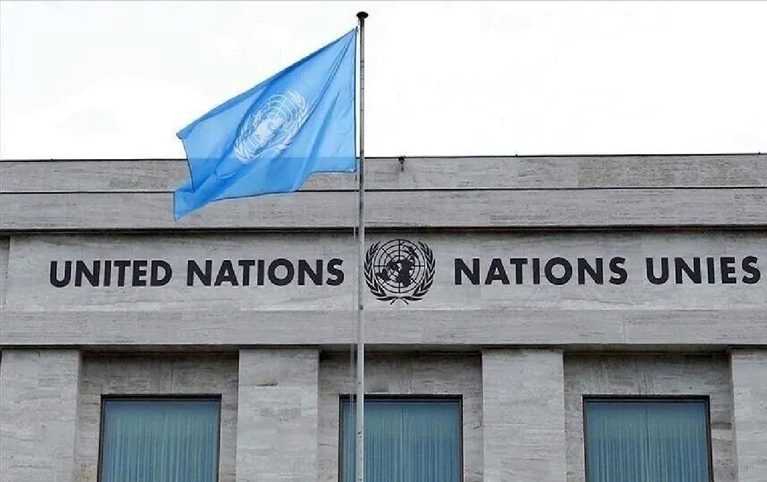
International concern has reinforced the stakes. The United Nations has condemned repeated strikes as violations of Syrian sovereignty, cautioning that sustained external military activity could intensify sectarian fault lines. Meanwhile, Syrian authorities argue that demands for a demilitarised south risk eroding national sovereignty and institutionalising foreign interference.
Taken together, these competing narratives reflect a classic regional security dilemma: each actor frames its posture as defensive while rivals interpret the same moves as expansionist.
The Druze question illustrates how quickly community protection narratives can evolve into geopolitical instruments. Israeli strikes on Syrian military assets, and previous operations that pushed government forces from parts of Sweida, have altered local balances of power amid clashes involving Druze factions, Bedouin tribes, and state troops.
Even limited interventions can reshape internal hierarchies, incentivising militia consolidation as communities mobilise to defend territory. The danger is not necessarily overt proxy warfare but something more ambiguous and therefore more durable: security dependence. Once local actors begin calibrating their survival around anticipated foreign backing, internal conflicts become structurally harder to resolve.
Repeated strikes carried out under the banner of defending the Druze and keeping militants away from Israel’s border, a policy intertwined with Israel’s own domestic Druze constituency, further blur the line between humanitarian rationale and strategic positioning.
What is emerging is not a conventional battlefield but a layered strategic theatre. Israel is simultaneously negotiating security arrangements linked to longstanding disengagement frameworks, signalling openness to a long-term buffer architecture, and conducting calibrated military actions designed to shape the environment before adversaries can consolidate.
This amounts to a two-track strategy: political engineering paired with controlled force projection.
Such approaches are not unusual in contested border regions, but in Syria’s fragmented landscape, they carry outsized escalation risks. The July 2025 Sweida crisis, which killed hundreds and nearly triggered a wider confrontation before external mediation intervened, demonstrated how quickly localised violence can draw in regional actors.
Suwayda now sits precisely on that fault line.
If current trajectories hold, several high-probability risks are emerging.
Entrenched militarised buffers may transform temporary deployments into durable geopolitical realities.
Militia legitimisation could turn community defence forces into semi-formal security actors, complicating state reconstruction.
Sovereignty erosion risks becoming normalised as cross-border interventions reshape authority on the ground.
Escalation through miscalculation grows more plausible as Israeli forces, Syrian troops, tribal fighters, and Druze factions operate in increasingly compressed proximity.
And competitive proxy penetration remains a latent danger, where one regional power consolidates influence, others historically follow.
Human rights advocates argue that what follows the olive grove shooting will signal whether Syria is entering a phase of rule-based governance or merely managing volatility through coercion. If the investigation stops at the individual perpetrator, it will reinforce long-standing fears that some lives remain expendable within broader security calculations.
The Suwayda shooting should therefore be read less as an isolated atrocity than as a warning indicator inside a volatile geopolitical ecosystem. Southern Syria is transitioning from a post-conflict margin to a strategic frontier, a space where border security doctrines, minority politics, militia formation, and regional deterrence increasingly intersect.
Whether Israel’s posture ultimately stabilises the frontier or accelerates fragmentation depends on a fragile equation: can external security guarantees coexist with Syrian sovereignty, or will they gradually supplant it?
If the latter trajectory prevails, Suwayda may not remain a provincial flashpoint for long. It could instead become the testing ground for the next phase of Middle Eastern power competition, one fought less through declared wars than through controlled instability, political leverage, and locally embedded force structures.
Until Syria can demonstrate credible institutional control while insulating its internal order from external contestation, Suwayda will remain suspended in a precarious equilibrium, not fully at war, yet far from peace, where a single localised gunshot can reverberate across a widening regional battlefield.
GENEVA — A United Nations fact-finding mission has concluded there are “reasonable grounds to believe”
Iran’s GDP is projected to contract by 5.4 to 6.1% in 2026, its worst performance
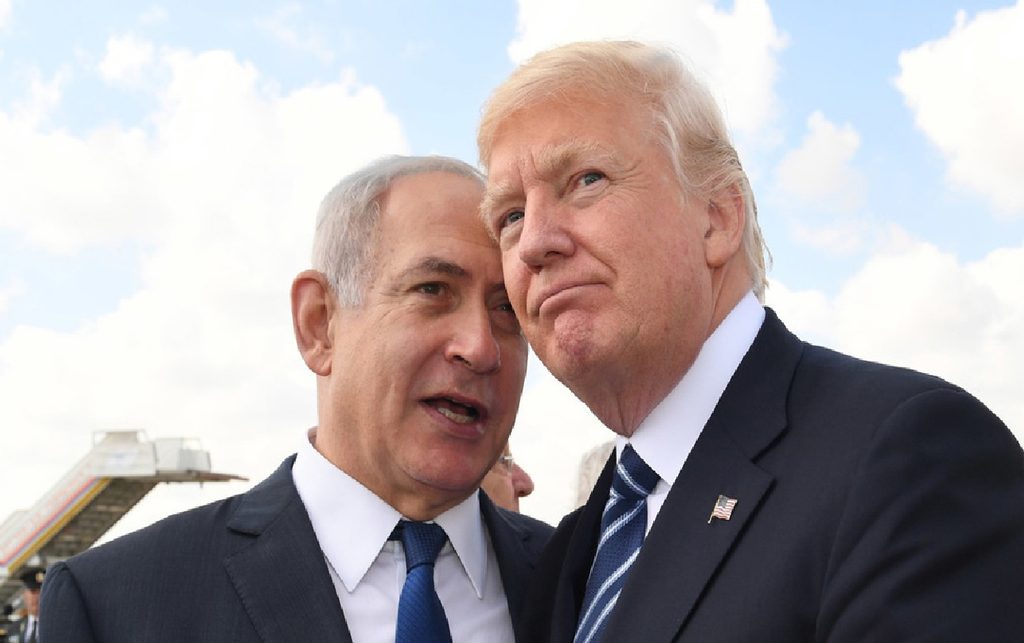
The Trump administration is preparing a $2.8 billion weapons package for Israel containing 40,000 2,000-pound

Film alleges mass civilian deaths are routinely built into military decisions amid Israel’s genocidal war
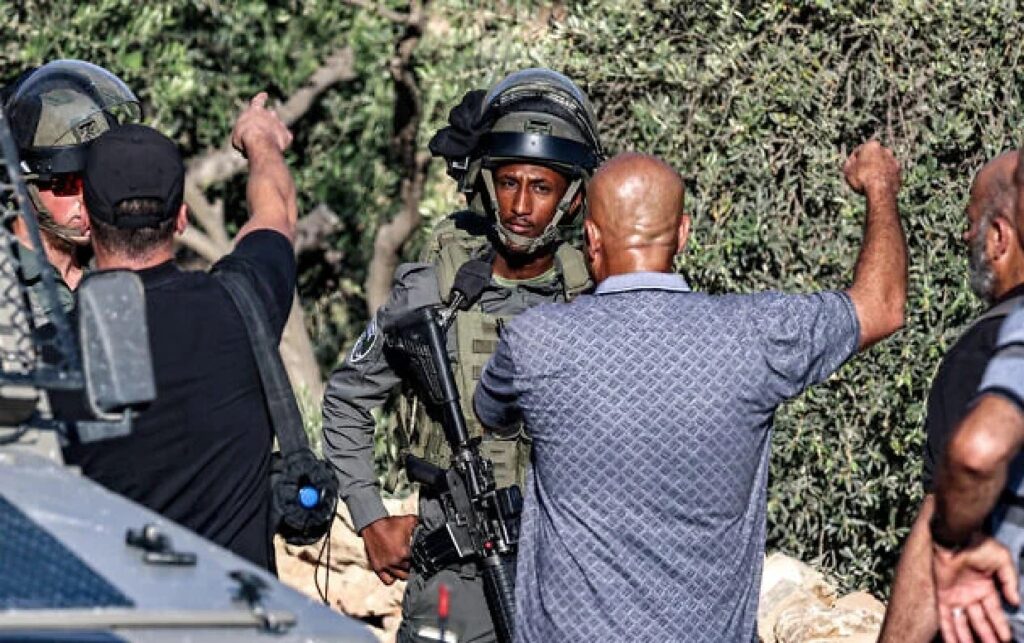
The Israeli rights group says violence, displacement, economic strangulation, and settlement expansion form part of

Houthi forces have captured the historic Red Sea port of Mocha and are advancing on
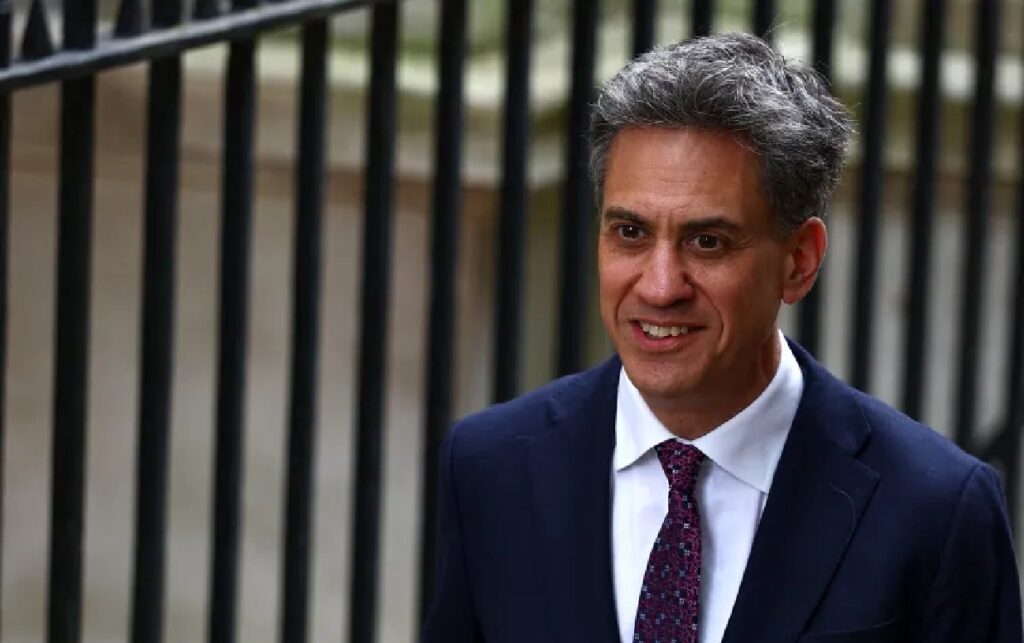
London’s historic sanctions against Israeli settlements mark a watershed moment in UK foreign policy, but
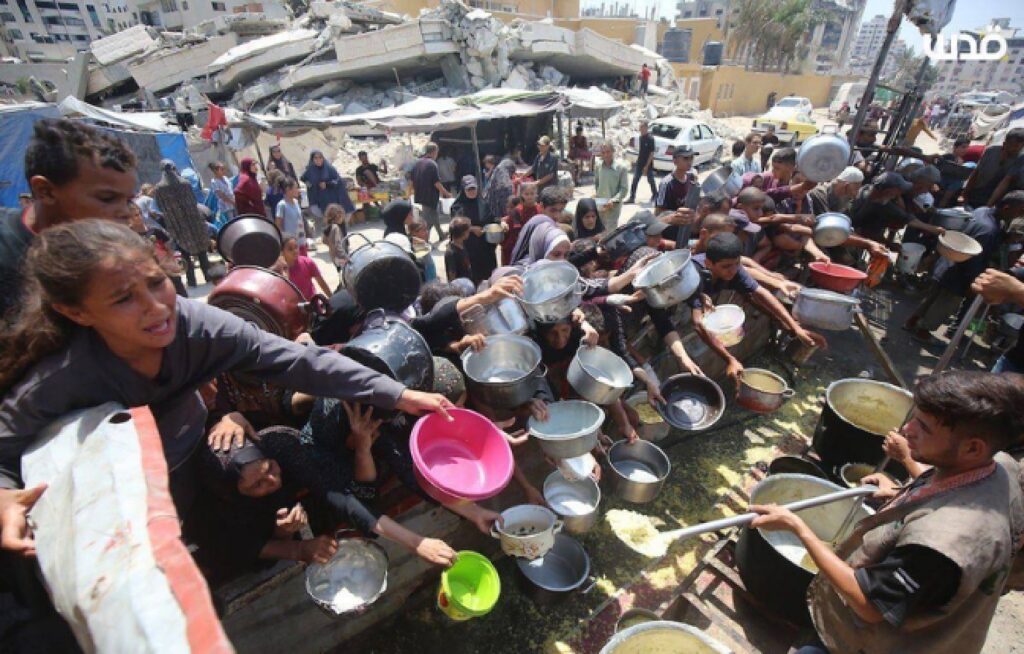
With 95% of Gaza’s population now wholly dependent on aid and more than 90% stripped
India calls for Kashmir and Ladakh to appear only on its official map after a
ISLAMABAD – In the high-stakes political theatre of Pakistan, the battleground has shifted from the