
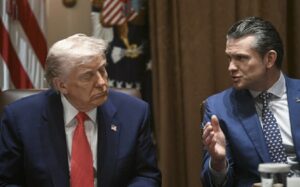




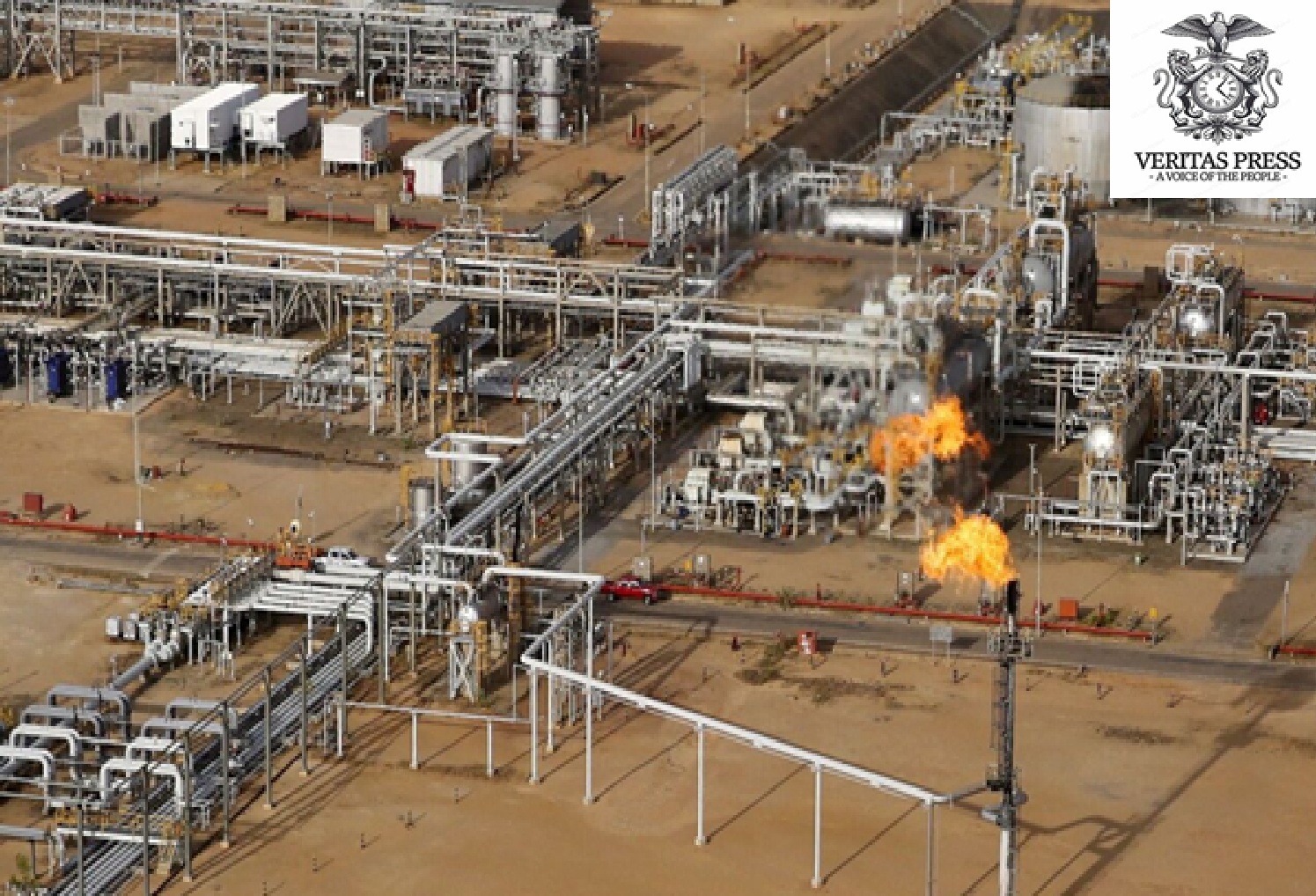

VENEZUELA/USA – The US President Donald Trump has announced that roughly 50 million barrels of Venezuelan oil are now bound for American shores, declaring Washington is “getting along very well” with Caracas. Critics warn this is less about cooperation than a strategic takeover of Venezuela’s battered energy industry.
“We took in 50 million barrels of oil… and we’re getting along very well with them,” Trump said, noting that the revenue would be overseen by the US government “to benefit the people of Venezuela and the United States.” Analysts argue that the phrasing signals custodianship, not collaboration, over Venezuela’s most valuable resource.
The announcement follows the dramatic capture of President Nicolás Maduro by U.S. forces in January 2026 and the installation of an interim government under ex-VP Delcy Rodriguez. The political rupture has accelerated foreign intervention into the oil sector, raising urgent questions about sovereignty, resource control, and international law.
Oil Transfer After Regime Shock, A Landmark Supply Deal:
Washington and Caracas are finalising a roughly $2 billion agreement to sell 30–50 million barrels of crude, previously stranded due to a U.S.-imposed blockade. Trump frames this as a pathway to rebuild Venezuela’s deteriorating infrastructure while benefiting American corporations.
Yet the scale and structure of the deal have sparked intense debate over sovereignty, resource control, and the precedent set by allowing a foreign government to administer revenue from a country’s primary natural asset. Critics warn that Venezuela’s oil is being effectively privatised and monetised by US corporations, while Venezuelans see very little direct benefit.
Timeline Of Key Events: Venezuela Oil Takeover.
| Date | Event | Key Actors | Significance |
| Dec 2025 | US blockade begins, stranding Venezuelan crude in storage | US Treasury, PDVSA | Venezuela’s exports effectively halted; dependence on US channels increases. |
| Jan 3, 2026 | US forces capture Nicolás Maduro | US military, CIA | Political shock triggers installation of US-aligned interim leadership |
| Jan 5, 2026 | An interim government was installed under Delcy Rodriguez | US State Dept., interim authorities | US gains control over decision-making for oil exports |
| Jan 10, 2026 | Announcement of 30–50M barrels for the US | Trump, PDVSA | The material transfer of Venezuelan oil to Houston |
| Jan 12, 2026 | Chevron, Vitol, Trafigura enter licensing agreements | Chevron, Vitol, Trafigura | Corporate scramble for control of exports |
| Jan 15, 2026 | ExxonMobil and ConocoPhillips invited to White House talks | ExxonMobil, ConocoPhillips | Major US companies evaluate participation amid legal/operational risk |
| Jan 20, 2026 | US seizes Russian-flagged Marinera tanker | US Navy, PDVSA, Russia | Enforcement demonstrates coercive leverage over international trade partners. |
| Jan 25, 2026 | Shipments begin to the Gulf Coast refineries | Chevron, Valero, Phillips 66 | Oil enters the US market under direct corporate oversight |
| Feb 2, 2026 | Sanctions and tariffs applied to non-US intermediaries | US Treasury | Limits Venezuelan autonomy, increases dependency on US-approved deals |
Corporate Actor Roles:
| Actor | Role | Notes |
| Chevron Corp | Operational lead in Venezuela | Ships crude to US refineries; negotiating expanded joint ventures |
| ExxonMobil | Evaluating re-entry | CEO cites legal, political instability; sceptical of Venezuela’s investment climate |
| ConocoPhillips | Potential re-entry | Holds $8.7B arbitration award from Chávez expropriation; cautious due to non-payment risk |
| Vitol | Licensed trader | Securing contracts to sell Venezuelan barrels on US-controlled markets |
| Trafigura | Licensed trader | Competing for export deals; history of compliance controversies |
| Halliburton, SLB, Baker Hughes | Infrastructure/service providers | Potential contractors for facility upgrades and technical support |
| Valero Energy | Refining of Venezuelan heavy crude | Adjusting refinery operations to handle high-sulfur grades |
| Phillips 66 | Refining & distribution | Integrating Venezuelan crude into Gulf Coast networks |
Exxonmobil And Conocophillips: Giants At A Geopolitical Crossroads.
Trump’s administration has courted ExxonMobil and ConocoPhillips, inviting them to White House talks about expanded roles in Venezuelan oil. Both companies remain cautious after decades of legal disputes and expropriations under Chávez and Maduro.
ExxonMobil publicly described Venezuela as “uninvestable” without significant legal assurances, citing political instability and ambiguous property rights. ConocoPhillips, which won a multibillion-dollar arbitration award after expropriation but remains unpaid, also stays circumspect.
Their reticence highlights a central paradox: while political signals encourage corporate entry, risk, legal uncertainty, and geopolitical volatility restrain the very companies Washington wants to lead the recovery.
Corporate Scramble, Ethical And Political Alarms:
Beyond Chevron, Vitol and Trafigura have secured licenses to handle Venezuelan crude, while Halliburton, SLB, and Baker Hughes are positioned for infrastructure contracts. Critics warn that this rush, under political pressure rather than commercial negotiation, risks turning Venezuela’s oil sector into a bonanza for outside interests while Venezuelans bear the social and economic cost.
“Control distressed assets, reopen them on your terms, and arbitrage the output. It is a familiar playbook,” said one energy policy researcher.
Resource Realities vs. Rhetoric:
Much public discussion still cites 300 billion barrels of oil, touted as the world’s largest reserve. Experts stress a distinction: resources (oil that may exist) versus reserves (oil economically recoverable).
Decades of underinvestment, skilled-worker emigration, and infrastructure decay mean Venezuela’s actual production is under 1 million barrels per day, a fraction of its peak and a rounding error globally.
“The theoretical ‘trillion-barrel resource’ doesn’t automatically translate into cash or jobs for Venezuelans,” said an independent petroleum consultant.
Doug Casey, a resource analyst, added:
“Under Chávez and Maduro, production fell from 3 million BPD to under 1 million BPD. Most competent oilmen left, and facilities were neglected. Trump may kidnap Maduro and orchestrate oil transfers, but the real economic potential is minimal without decades of investment, and the Venezuelan people pay the price.”
Voices From The Ground:
- Daniela Rojas, Caracas teacher: “We were crushed by sanctions for years, and now foreigners decide where our oil goes. It feels like our sovereignty is being negotiated without us.”
- Luis Mendoza, Maracaibo refinery worker: “Oil leaves. Wealth leaves. Ordinary people stay poor.”
- Wills Rangel, head of Venezuela’s oil workers federation FUPTV: “If they want to buy it, they will have it sold at the international price. Not as if that oil belongs to them because we supposedly owe them. We do not owe anything to the United States.”
Sanctions, Seizures, And Shrinking Options:
Analysts warn that the restructuring of Venezuela’s oil trade has severely constrained autonomy. Washington has intensified enforcement of sanctions, seized multiple tankers, and forced exports through US-approved channels, sidelining traditional Asian buyers. Critics describe this as economic containment rather than cooperation.
Sovereignty And International Law Under Strain:
Legal scholars cite permanent sovereignty over natural resources (UN Resolution 1803, 1962). When resource governance occurs under coercive conditions, such as sanctions, military leverage, and political instability, the legitimacy of agreements is highly contested.
“If powerful states begin administering weaker states’ commodities during political transitions, the architecture of sovereign equality erodes,” said a professor of international economic law.
U.S. officials argue measures regulate sanctioned commerce and ensure transparency, yet the tension between legal principle and geopolitical practice is stark.
Conclusion: Venezuela’s Oil And The Architecture Of Modern Imperialism.
The Venezuela oil saga is a classic imperial-resource playbook: military force, financial pressure, and corporate instruments are deployed to extract wealth, while political narratives maintain a façade of legitimacy. The dramatic seizure of Nicolás Maduro, the installation of a US-aligned interim government, and direct oversight of billions in oil revenue are all part of a systematic erosion of national sovereignty.
Corporate profiteering is baked into the process. Chevron, Vitol, Trafigura, ExxonMobil, and ConocoPhillips are positioned to reap enormous profits, while ordinary Venezuelans see limited or no direct benefit. Infrastructure upgrades, refinery adjustments, and export licensing are being conducted on terms dictated by US policy, underscoring that this is not merely commercial engagement but a strategically orchestrated transfer of control.
Sovereignty erosion is institutionalised through revenue oversight, sanctioned trade controls, tariff measures, and coercive enforcement actions. Venezuelans are being systematically coerced into economic and financial submission, forced to operate within frameworks approved by Washington while traditional buyers and alliances are sidelined. This reinforces US hegemony over global export channels and constrains Caracas’s ability to exercise independent economic diplomacy. Legal scholars warn that such actions may violate UN Resolution 1803 on Permanent Sovereignty over Natural Resources, which affirms a state’s right to control and benefit from its natural wealth. By asserting authority over both the proceeds and the pathways of Venezuelan oil, the US risks establishing a quasi-administered model of resource control, undermining international norms and the principle of non-coercion.
Voices from the ground underscore the human and social toll. Schoolteacher Daniela Rojas laments: “We were crushed by sanctions, and now others decide what happens to our oil. It feels like our sovereignty is being negotiated away.” Refinery worker Luis Mendoza adds, “Oil leaves. Wealth leaves. Ordinary people stay poor.” Trade unionist Wills Rangel warns: “We do not owe anything to the United States.” These testimonies reveal the disconnect between corporate and geopolitical gains and the lived realities of Venezuelans, who are effectively being coerced into compliance under economic and financial pressure.
The ultimate question transcends economics: it is political, legal, and ethical. Who truly controls Venezuela’s oil: its people, its government, or a US-directed network of corporate actors? The stakes extend far beyond barrels of crude: they touch the very meaning of sovereignty, the legitimacy of international law, and the ethical limits of corporate and state power.
In Venezuela, the oil beneath the soil is no longer just a resource. It has become a strategic chess piece in a broader game of imperial influence, corporate profit, and geopolitical leverage, with the Venezuelan people coerced into submission and relegated to spectators in the fate of their own nation.
President Donald Trump was told that the war with Iran would be quick and decisive.
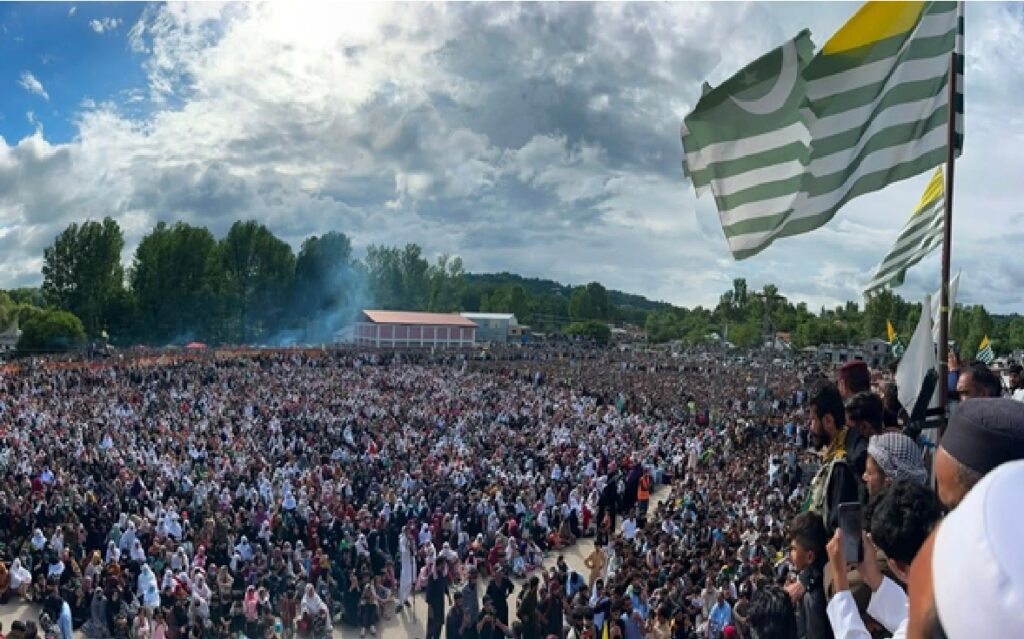
MUZAFFARABAD / RAWALAKOT / ISLAMABAD — The Pakistan-administered territory of Azad Jammu and Kashmir (AJK)
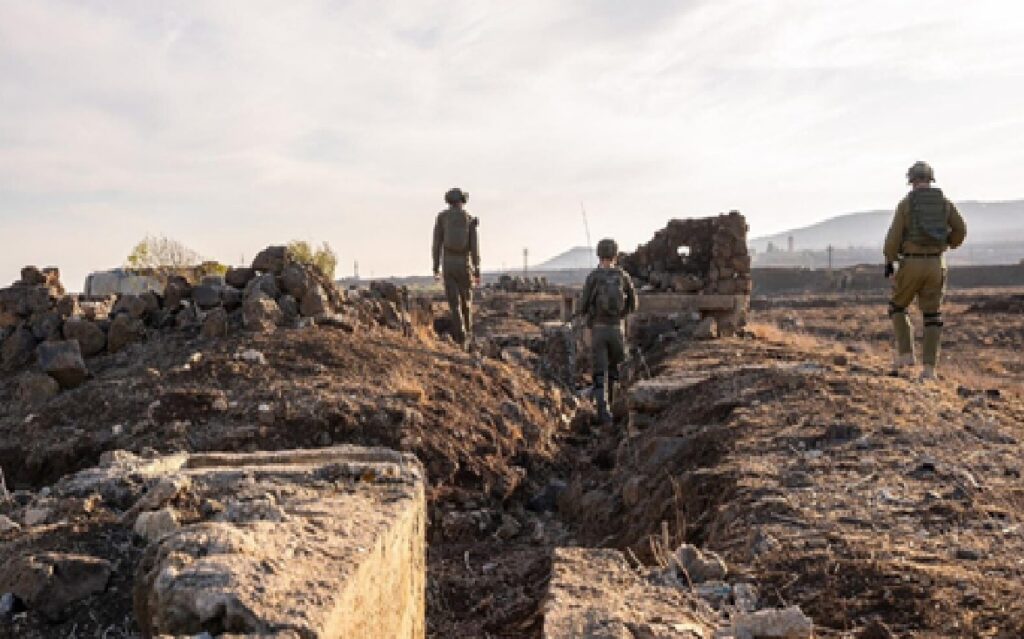
With Damascus silent, weekly incursions and home raids turn Quneitra countryside into a militarised frontier.
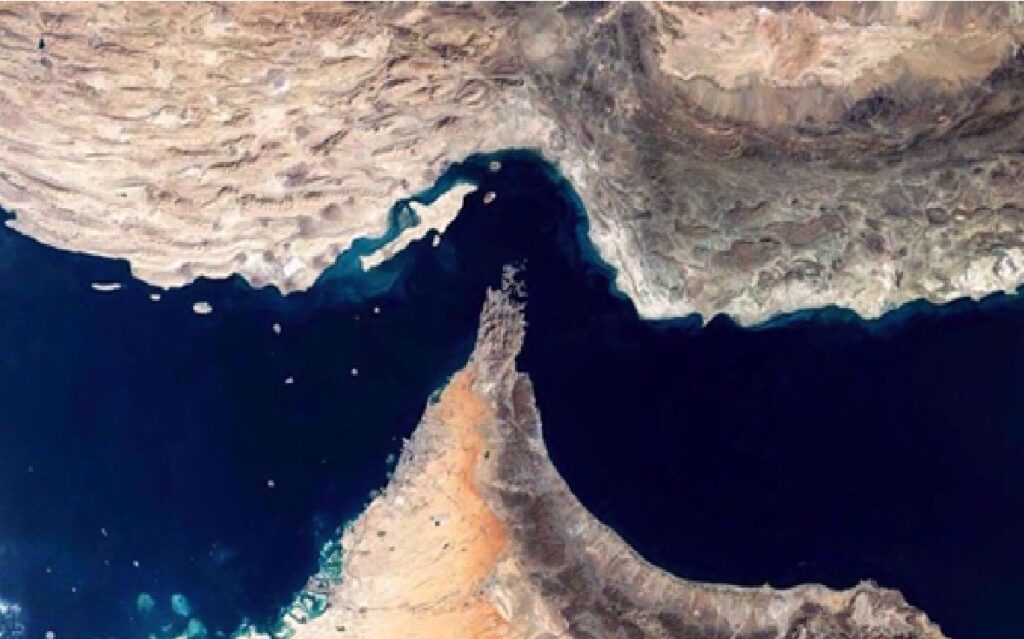
A spiralling confrontation in the Persian Gulf, the collapse of a fragile ceasefire, and the

From Virginia’s Data Centre Valley to the parched communities of Uruguay and Gaza, the hidden
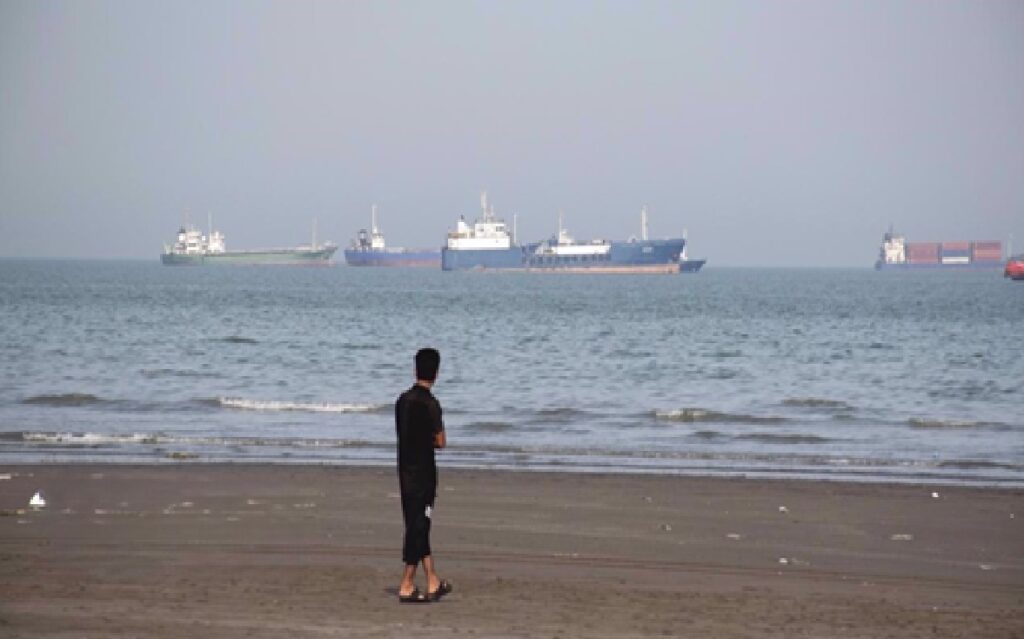
TEHRAN — The Islamic Revolutionary Guard Corps declared on Thursday that the Strait of Hormuz

A tour of illegal outposts reveals the machinery of dispossession. New government billions, a fresh

Multiple UN and human rights reports now converge on a single, devastating finding: Israel’s military
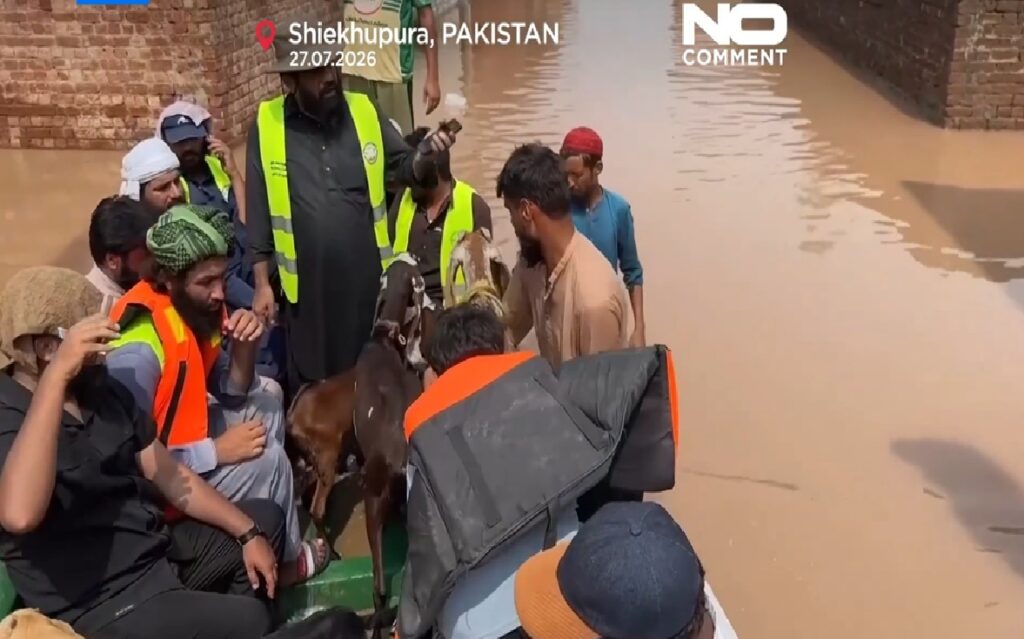
MURIDKE, SHEIKHUPURA DISTRICT – The floodwater swallowed Muhammad Ramzan’s world in the dead of night.
This article examines a hypothetical, but increasingly discussed, scenario in Westminster: what a Labour government