



Title: Gaza As A Global Test: How Trump, Netanyahu, And The Rise Of Authoritarianism Are Rewriting The Rules Of The World.
Press Release: Veritas Press C.I.C.
Author: Kamran Faqir
Article Date Published: 03 Feb 2026 at 12:40 GMT
Category: Americas | World | Gaza As A Global Test: How Trump, Netanyahu, And The Rise Of Authoritarianism Are Rewriting The Rules Of The World.
Source(s): Veritas Press C.I.C. | Multi News Agencies
Website: www.veritaspress.co.uk

Business Ads

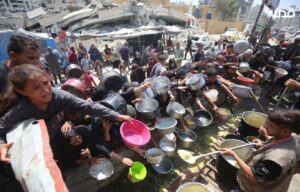
The humanitarian catastrophe in Gaza is more than a regional crisis. It is the visible epicentre of a global shift, where decades of postwar multilateralism collide with the rise of a power-first, law-second worldview. The consequences reach far beyond the borders of Palestine or Israel; they resonate in Washington, Tel Aviv, and across Europe’s capitals, signalling a civilizational pivot.
From Gaza Initiative to Global Ambition:
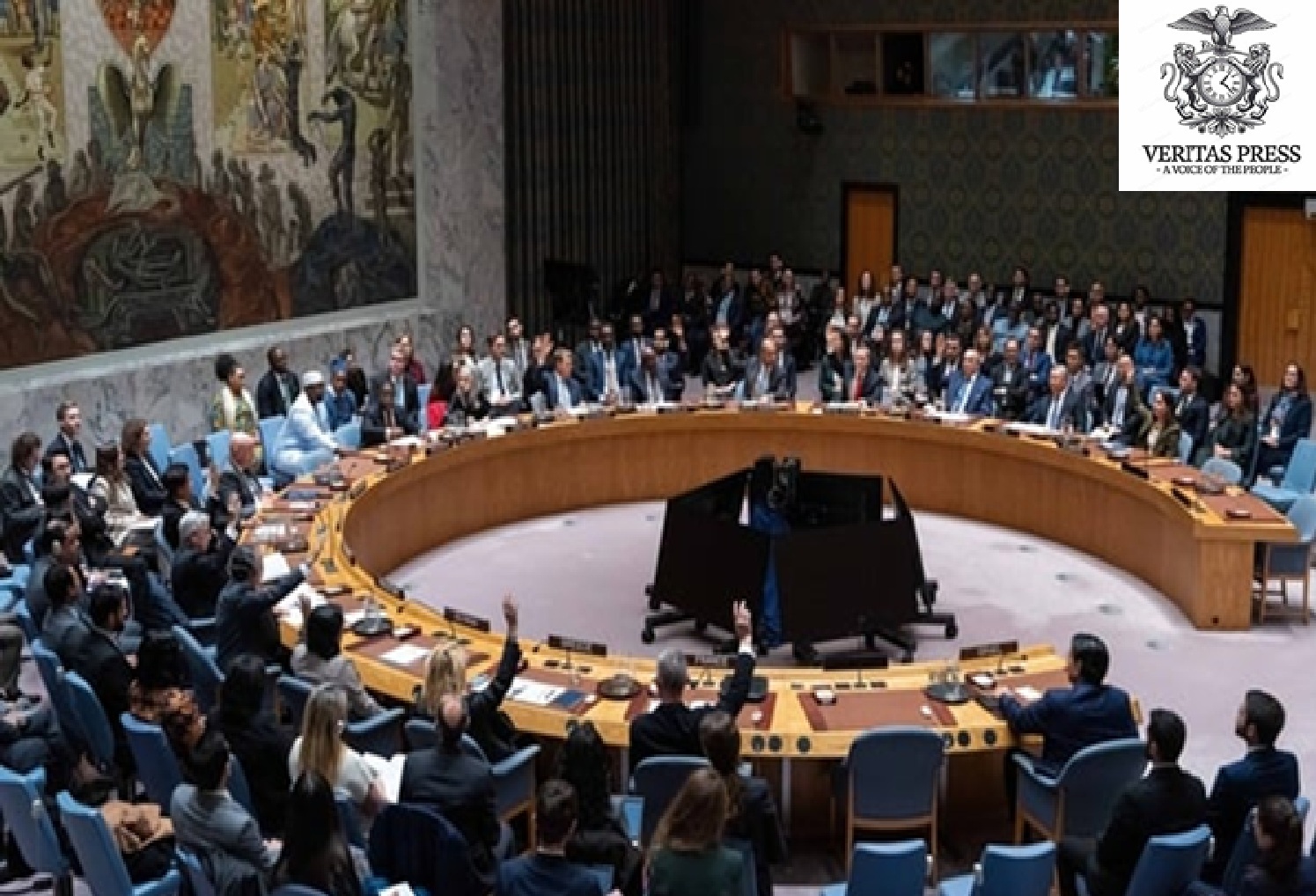
Reforming the United Nations, particularly the Security Council, has long been acknowledged as overdue. Yet meaningful reform has repeatedly stalled, largely because the Permanent Five (P5) have shown little appetite for surrendering their privileged veto power. Now, a new geopolitical fault line is emerging.
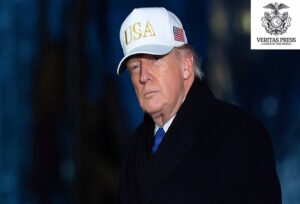
US President Donald Trump’s newly unveiled “Board of Peace,” announced on the sidelines of the World Economic Forum in Davos, has triggered intense global debate: Is this merely a Gaza-focused reconstruction mechanism, or the blueprint for an alternative international order, a kind of UN 2.0 built around American leadership? More importantly, does it signal a deeper shift away from multilateralism toward a world governed increasingly by unilateral power?
The concept did not originate in Davos. In September, Washington presented a 20-step plan to the UN aimed at securing a lasting ceasefire in Gaza, with the establishment of a “Board of Peace” positioned as a secondary mechanism to oversee reconstruction and stabilisation. By November, the UN Security Council had cautiously supported the idea, lending it a degree of legitimacy. But what emerged in Davos appeared far more ambitious.
A draft charter outlined objectives extending well beyond Gaza, promoting governance, stability, and conflict management worldwide. The language notably suggested that durable peace requires “the courage to depart from institutions that have too often failed,” widely interpreted as a direct critique of the UN. Nearly 20 governments reportedly signed on immediately, with invitations sent to roughly 60 states. Türkiye and Azerbaijan quickly aligned themselves with the initiative, underscoring their growing diplomatic activism. Most major European powers, however, kept their distance; France refused outright, while Britain signalled concern. Hungary stood among the few EU states willing to engage.
An Executive Board is expected to include figures such as former UK Prime Minister Tony Blair and the US Secretary of State, while a separate Gaza Executive Board may feature Türkiye’s foreign minister, Hakan Fidan. Yet the most controversial provision centres on governance: the chairman, Trump, would wield sweeping authority to create or dissolve subsidiary bodies and hold a casting vote in deadlocks. Critics argue that this concentrates extraordinary power in a single individual.
“Global Problems Will Not Be Solved by One Power”:
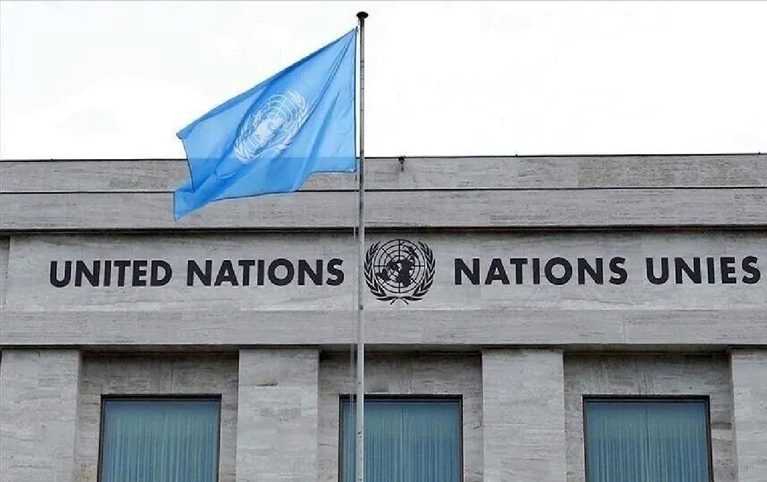
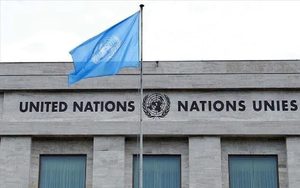
UN Secretary-General António Guterres responded with a thinly veiled warning. “Global problems will not be solved by one power calling the shots,” he said in his annual address, cautioning that international cooperation is “eroding.” Without naming Trump directly, Guterres also warned against the world being carved into rival spheres of influence, an apparent reference to both Washington and Beijing.
His remarks come at a moment when the credibility of international institutions is being tested not only in diplomatic chambers but on active battlefields. Far from being an isolated humanitarian catastrophe, Gaza increasingly appears, to many analysts, as a proving ground for a new era in global politics. The war has already produced unprecedented consequences for the very system designed to regulate conflict. It has become the deadliest conflict in history for United Nations personnel, with hundreds of aid workers killed and UN facilities repeatedly struck, developments humanitarian officials warn are eroding the foundation of civilian protection in modern warfare.
When the organisations created after World War II to prevent precisely such catastrophes are sidelined, defunded, or attacked, the crisis ceases to be merely regional. It becomes systemic.
Gaza and the Global Surge of Authoritarianism: A Civilizational Crossroads.
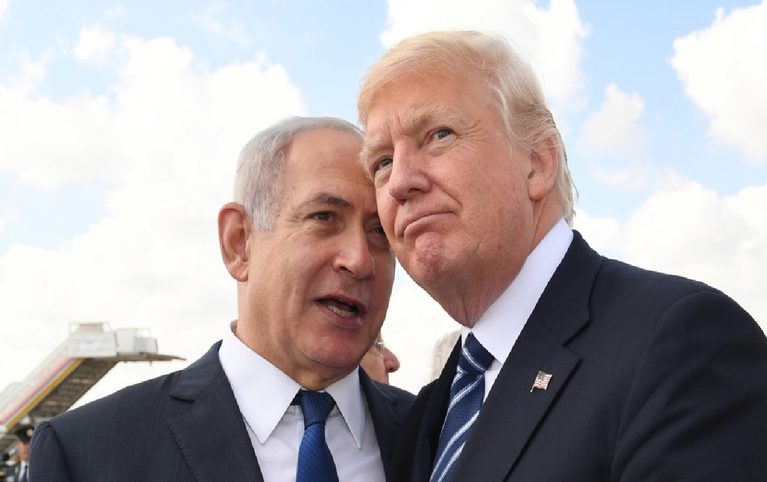
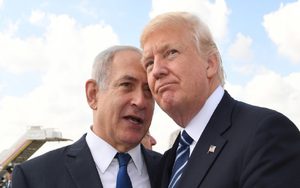
Gaza is more than a humanitarian disaster. It is the visible epicentre of a global shift, where decades of postwar multilateralism collide with the rise of a power-first, law-second worldview. The convergence of Donald Trump and Benjamin Netanyahu exemplifies a new playbook:
- Executive dominance over checks and balances: Courts, oversight bodies, and bureaucracies are recast as obstacles to decisive action.
- Selective law enforcement: International norms, treaties, and judicial rulings are applied inconsistently or dismissed outright.
- Normalisation of force over dialogue: Military and economic leverage replace negotiation as the primary tool of statecraft.
- Instrumentalisation of institutions: UN agencies, peacekeeping operations, and humanitarian programs are undermined when inconvenient.
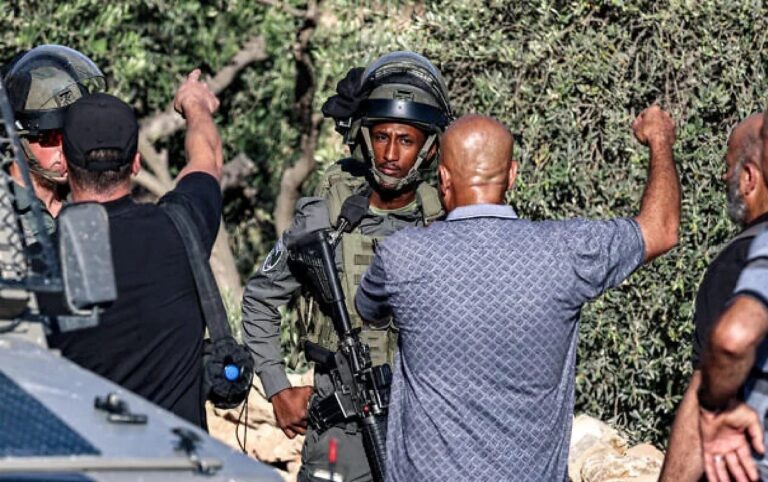
In Gaza, this model is starkly tangible: UN compounds shelled, humanitarian convoys blocked, aid workers killed. The implications are global. When the postwar system of civilian protection fails in one theatre, it establishes a precedent, a practical demonstration that international law can be bypassed with impunity.
This strategy resonates in Europe. Across the continent, far-right parties exploit nationalist sentiment, ethnonationalist narratives, and distrust of multilateral institutions to consolidate power. Hungary openly aligns with Trump’s Board of Peace; Italy and France grapple with far-right electoral gains; Germany contends with a resurgent anti-immigrant, anti-EU coalition. These movements echo the same logic: strength, identity, and executive authority trump law and deliberation.
The stakes are civilizational. Democracy is hollowed from within; judicial independence, media freedom, and legislative oversight are delegitimised. Multilateral institutions are subordinated or replaced; the Board of Peace exemplifies a transactional, US-centric alternative to the UN. Conflict and coercion define legitimacy. Gaza demonstrates that territorial control, force projection, and strategic disregard for freedoms and international norms can achieve political goals with minimal consequence.
The rise of a coordinated ideological current, from Washington to Jerusalem to Budapest, signals a global authoritarian ecosystem in formation. Gaza is the test case, not the exception. It signals what happens when law is subordinated to power: civilian protections erode, accountability vanishes, and precedents are set for future conflicts, in the Middle East and beyond. If unchecked, this trajectory threatens to normalise authoritarianism on a global scale, undermining not only the UN but the very idea of shared international rules.
A War Testing The Limits Of International Order:
The international system is at a critical, transformative crossroads, facing severe strain from geopolitical conflicts in Ukraine and Gaza, declining multilateralism, and intense competition between the US, China, and Russia. The post-Cold War liberal order is faltering, threatening to slide into a “ruleless” abyss, requiring reinvigoration of the UN Charter and international law to prevent total fragmentation.
Key aspects of this moment include:
- Crises of Multilateralism: The UN and other traditional institutions are under attack, risking reduced legitimacy and effectiveness. The system is shifting from a universally agreed legal framework toward narrow, non-consensual, and sometimes alternative methods of international problem-solving.
- Geopolitical and Power Shifts: A move away from Western-dominated, liberal-democratic norms toward a more multipolar or fragmented structure, driven by rising and revisionist powers.
- Structural Threats: Escalating conflicts, economic inequalities, and a lack of consensus on shared values pressure the system.
- Urgent Needs: A call to defend international law, foster dialogue, and create cross-regional alliances to uphold the principles of the UN Charter.
Analysts warn this is not a temporary crisis but a gradual crumbling of the existing global structure.
The Trump–Netanyahu Axis: Power Over Process.
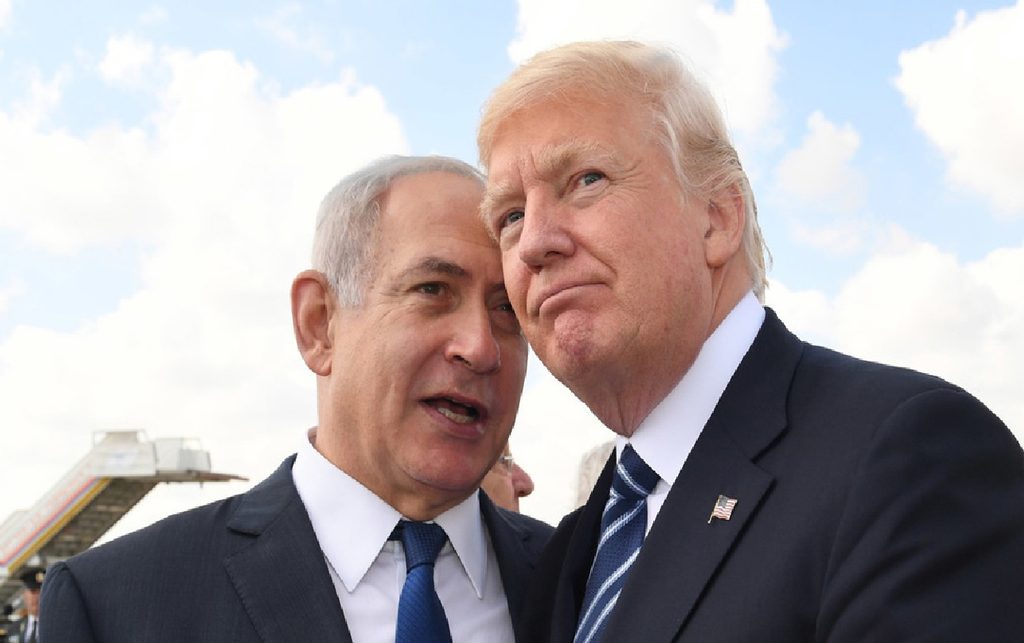
The Board of Peace cannot be understood in isolation. It aligns with a broader geopolitical trend increasingly associated with both Donald Trump and Israeli Prime Minister Benjamin Netanyahu, one that critics say prioritises power politics over institutional restraint. Across multiple arenas, both leaders have challenged international frameworks: opposing ICC and ICJ investigations, sanctioning international officials, dismissing legal scrutiny as politically motivated, and withdrawing from multilateral bodies. Israel’s wartime conduct is pushing forward despite mounting international criticism while challenging and razing the UN agencies operates within the same gravitational field.
Critics argue the emerging model replaces negotiated law with transactional diplomacy, where influence flows from military strength, economic leverage, and centralised leadership. Some scholars describe this trajectory as the early contour of a power-centred century, one marked by expanding executive authority, security doctrine overriding humanitarian restraint, and technocratic decision-making supplanting slower democratic processes.
Democracy Under Pressure, At Home And Abroad:
The Trump–Netanyahu convergence also reflects domestic political currents. Both leaders have framed courts, bureaucracies, and oversight mechanisms as components of a hostile “deep state,” weakening democratic guardrails internally while normalising executive dominance externally. Efficiency, in such systems, often comes at the expense of accountability.
The Board of Peace, streamlined, leader-driven, and structurally centralised, appears consistent with this trajectory. Across Europe, far-right governments and movements echo the same philosophy: executive authority over rule-based governance, neo-nationalism over universal norms, and force over negotiation.
The System At A Crossroads:
Antonio Gramsci once wrote: “The old world is dying, and the new world struggles to be born.” Today, the UN is battered but not obsolete. Trump’s Board of Peace is bold but untested. Whether it becomes a complementary mechanism, a rival institution, or merely a geopolitical experiment will depend on one question: will states choose cooperation or coercive power?
History suggests that rebuilding such a system is far harder than dismantling it. If the trajectory toward unilateralism continues, driven by leaders willing to bypass laws, sideline institutions, and centralise authority, the post-war multilateral order may not collapse dramatically. It may be replaced.
Gaza is not just a crisis of human suffering. It is a barometer of our era, a moment where the postwar liberal order is being tested against the rise of authoritarian, technocratic, and nationalist forces. The world is watching. And history will judge whether the international community chose law, cooperation, and multilateralism or let unilateral power and fascist-leaning ideologies define the next century.
GENEVA — A United Nations fact-finding mission has concluded there are “reasonable grounds to believe”
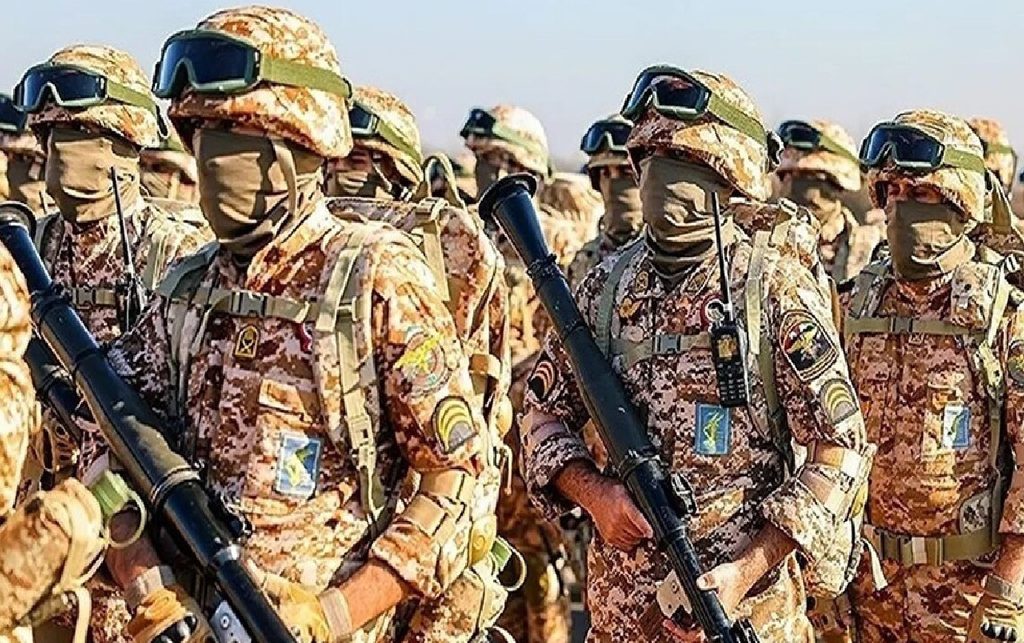
Iran’s GDP is projected to contract by 5.4 to 6.1% in 2026, its worst performance
The Trump administration is preparing a $2.8 billion weapons package for Israel containing 40,000 2,000-pound

Film alleges mass civilian deaths are routinely built into military decisions amid Israel’s genocidal war
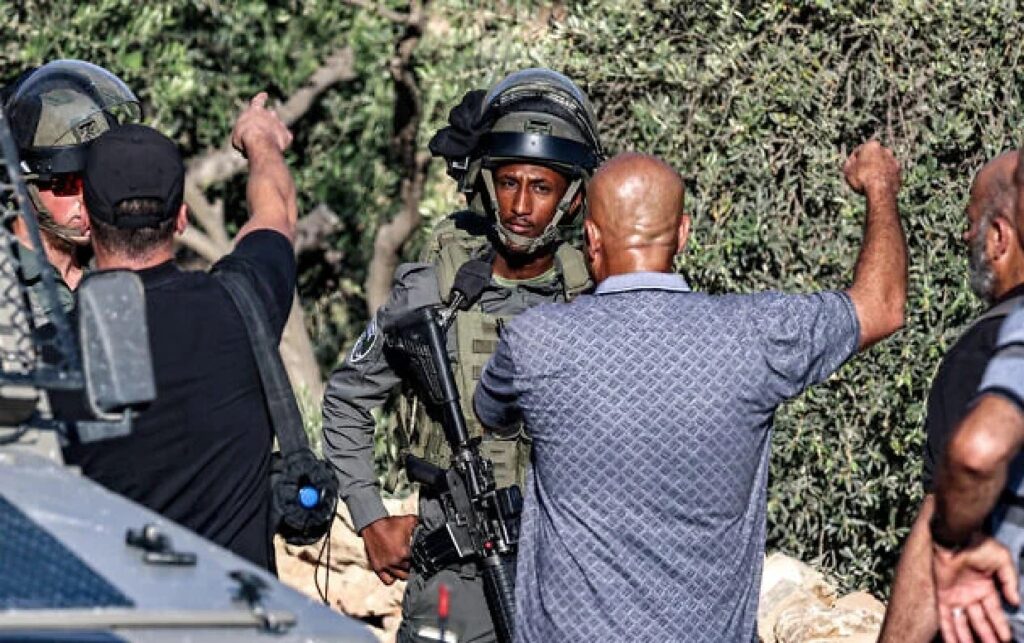
The Israeli rights group says violence, displacement, economic strangulation, and settlement expansion form part of

Houthi forces have captured the historic Red Sea port of Mocha and are advancing on
London’s historic sanctions against Israeli settlements mark a watershed moment in UK foreign policy, but
With 95% of Gaza’s population now wholly dependent on aid and more than 90% stripped