





Title: Republicans Go All-In On ‘Sharia Law’ Attacks Ahead Of Texas Primary.
Press Release: Veritas Press C.I.C.
Author: Kamran Faqir
Article Date Published: 30 Jan 2026 at 15:57 GMT
Category: Americas | Politics | Republicans Go All-In On ‘Sharia Law’ Attacks Ahead Of Texas Primary
Source(s): Veritas Press C.I.C. | Multi News Agencies
Website: www.veritaspress.co.uk

Business Ads

As the Texas Republican primary heats up, anti-Muslim rhetoric has emerged as a defining feature of the campaign season. From high-profile Senate contests to local races, candidates are competing to portray themselves as the staunchest defenders against the supposed spread of Sharia law, leveraging fear of Islam to energise their base. Analysts note that much of this rhetoric is intentionally misleading, designed to stoke division, increase hate, and disrupt communal harmony, reflecting broader trends of far-right populism and the rise of authoritarian, fascist-style politics in the United States.
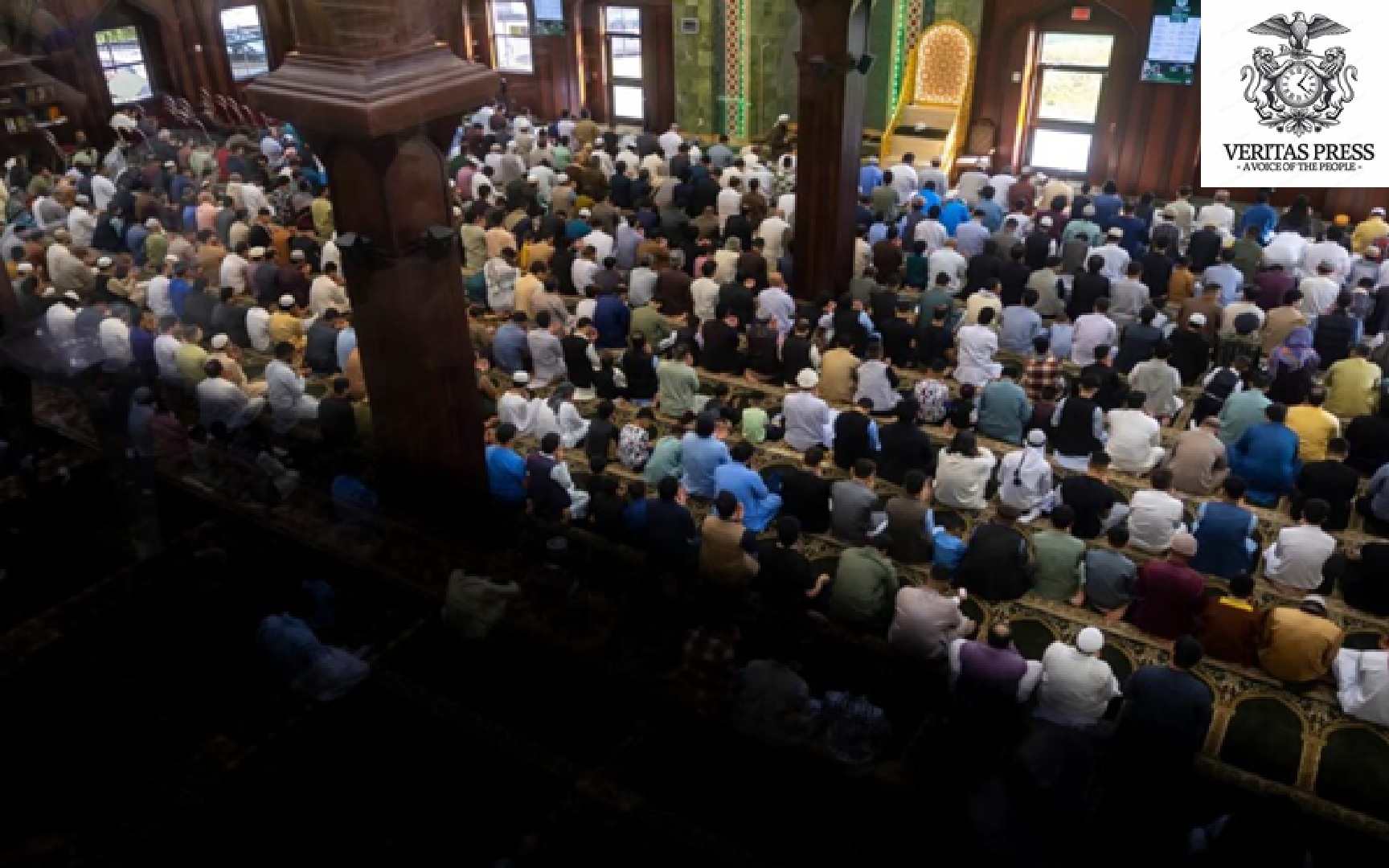
The controversy centres in part around a planned residential development of 1,000 homes, anchored by a mosque, in North Texas. Republicans, including Sen. John Cornyn (R-Texas) and Texas Attorney General Ken Paxton, have used the project to attack one another and to stoke concerns over Islamic influence in Texas communities. Cornyn has called for federal investigations into the development, while Paxton filed a lawsuit alleging securities fraud and framing the project as a “radical plot.” Experts say the repeated references to Sharia law are designed less to address legal or security concerns and more to deceive the public, increase fear, disrupt communal harmony, and justify restrictive policies targeting Muslim communities, all hallmarks of a political environment increasingly influenced by fascist rhetoric.
Texas is among the most demographically diverse Republican strongholds, with non-Hispanic whites making up less than 40% of the population. The state’s relatively small but fast-growing Muslim community has become a target for candidates seeking to appeal to fear-based politics. This year’s GOP ads have escalated rhetoric traditionally used to rally voters, including condemning terror attacks and referencing Muslim advocacy organisations like the Council on American-Islamic Relations (CAIR). Civil rights advocates warn that this rhetoric not only increases the risk of hate crimes but also provides a pretext for restricting migration from Asian countries, particularly Muslim-majority nations.
“The Muslim community is the boogeyman for this cycle,” said Vinny Minchillo, a Texas GOP consultant. “One hundred percent this message works, there’s no question about it. It has been extensively polled, and with Texas Republican primary voters, it works.”
Muslim advocacy groups and Democrats have denounced the campaign messaging as racist, misleading, and deliberately inflammatory. Joel Montfort, a Democratic strategist, told POLITICO, “The Texas GOP has declared war on Islam in Texas, claiming that Islamic leaders are implementing Sharia law in courts. None of it is true, it is fearmongering to stir up the GOP base and get votes. The goal is to increase hate, disrupt communal harmony, push restrictive policies against Muslim immigrants, particularly from Asia, and ultimately create a political environment resembling fascist tactics of exclusion and authoritarian control.”
Political Ads And Candidate Messaging:
A POLITICO review identified anti-Sharia law ads in six major races since 2025, all linked to Republican candidates. Sen. Cornyn recently launched a seven-figure campaign ad titled “Evil Face,” which labels “radical Islam” a “bloodthirsty ideology” and cites his efforts to revoke CAIR’s tax-exempt status. Paxton has countered by attacking Cornyn’s previous support for Afghan refugee resettlement programs, alleging Cornyn facilitated the “invasion” of Texas by radical Islamic elements.
In the attorney general race, candidate Aaron Reitz aired an ad claiming “Islam is not compatible with Western civilisation” and pledging to “stop the invasion” of Muslims. State Sen. Mayes Middleton has run ads emphasising his commitment to stopping Sharia law in Texas. Meanwhile, congressional hopeful Valentina Gomez gained attention for burning a Quran in a campaign video, warning of extreme violence if Islam is allowed to proliferate unchecked.
Historical Context:
Anti-Muslim sentiment has long been leveraged in U.S. politics, notably after 9/11 and during Barack Obama’s presidency. Trump intensified these narratives through repeated attacks on Muslims and travel bans targeting Muslim-majority countries. While Islam-focused rhetoric had waned in recent years, the Texas primaries mark a resurgence, particularly among candidates competing in highly contested Republican races. Analysts note that the intensity and coordination of these attacks reflect patterns historically associated with rising fascist movements: demonising minorities, restricting freedoms, and consolidating political power through fear.
Legal And Policy Manoeuvres:
Beyond campaign ads, Republican leaders have sought to use policy to curb Muslim influence. Gov. Greg Abbott, whose administration has signed laws targeting “Sharia compounds” and labelled CAIR as a terrorist organisation, recently called on the attorney general to take additional legal steps to shut down CAIR’s Texas chapter, citing unfounded allegations of “radical Islamism” despite constitutional challenges from the group.
Candidates like Chip Roy and Keith Self have introduced bills denying entry to the U.S. for individuals adhering to Sharia law and mandating removal for non-citizen adherents. Reitz and Roy have promised to use the attorney general’s office to scrutinise Muslim organisations and developments such as the East Plano Islamic Centre, now called The Meadow. Analysts note these measures are largely symbolic and serve to increase social division rather than address actual security threats, further reflecting the fascist-style strategy of targeting minority communities for political gain.
Community And Political Implications:
Texas hosts over 300,000 Muslims, with established communities in Houston and North Texas. While the Muslim population has grown in size and political engagement, Republican attacks risk alienating potential voters, heightening communal tensions, and encouraging hate crimes. Advocates argue the rhetoric is intended to mislead the public, justify anti-Muslim migration policies, and make ordinary acts of civic engagement, community building, or charitable work appear suspicious. The political environment mirrors elements of fascist governance, where scapegoating minorities, restricting movement, and inciting fear become tools of power.
Campaign Dynamics:
In the Senate primary, Cornyn and Paxton are leveraging the East Plano development as a battleground. Cornyn accuses Paxton of being “soft on radical Islam,” while Paxton calls Cornyn’s attacks a “desperate Hail Mary.” Rep. Wesley Hunt has framed the issue as one of immigration and assimilation, portraying Sharia law as incompatible with American values.
House races have similarly adopted anti-Muslim messaging. State Rep. Steve Toth has attacked Rep. Dan Crenshaw for supporting Afghan refugee resettlement, despite proper vetting and humanitarian considerations. Crenshaw’s campaign emphasises the moral obligation to protect allies after the Taliban takeover in 2021.
Conclusion:
The 2026 Texas Republican primary demonstrates the resurgence of Islamophobic rhetoric as a political tool. Far-right U.S. politicians and state candidates have used Sharia law as a way to mislead voters, incite fear, increase hate, disrupt communal harmony, justify restrictive migration policies, and consolidate political influence, all reflecting the rise of fascist-style tactics in American politics. With candidates openly targeting Muslim communities through ads, policy proposals, and legal challenges, Texas Muslims face increased scrutiny and pressure. Advocacy groups continue to fight these measures in court, emphasising constitutional protections and civic engagement. As campaigns intensify, the political and social consequences of anti-Muslim messaging are likely to shape both voter behaviour and community dynamics across the state.
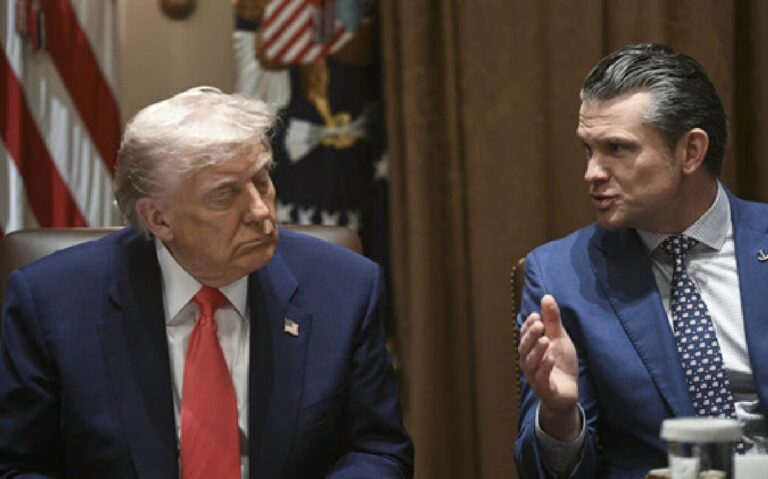
President Donald Trump was told that the war with Iran would be quick and decisive.
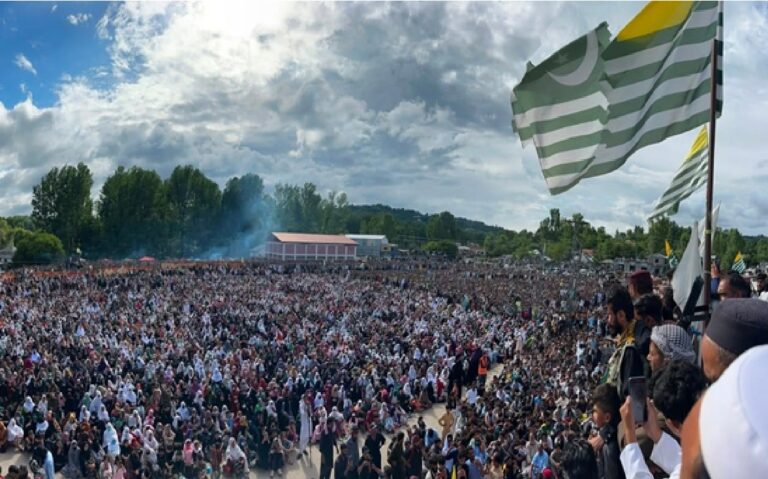
MUZAFFARABAD / RAWALAKOT / ISLAMABAD — The Pakistan-administered territory of Azad Jammu and Kashmir (AJK)
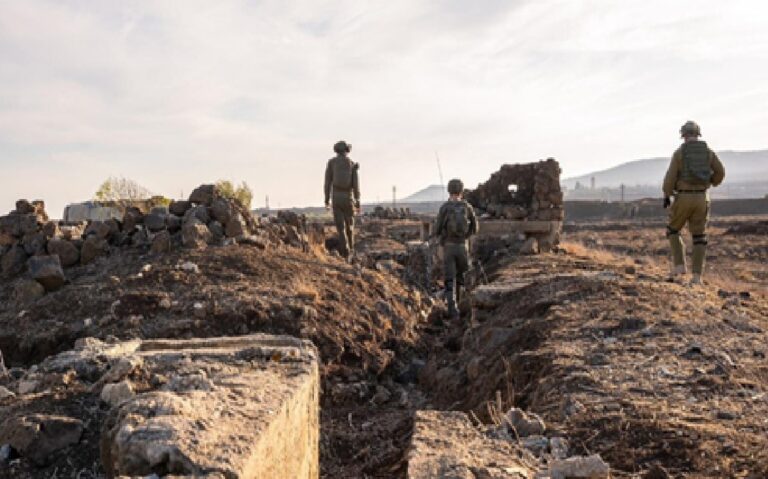
With Damascus silent, weekly incursions and home raids turn Quneitra countryside into a militarised frontier.
A spiralling confrontation in the Persian Gulf, the collapse of a fragile ceasefire, and the

From Virginia’s Data Centre Valley to the parched communities of Uruguay and Gaza, the hidden

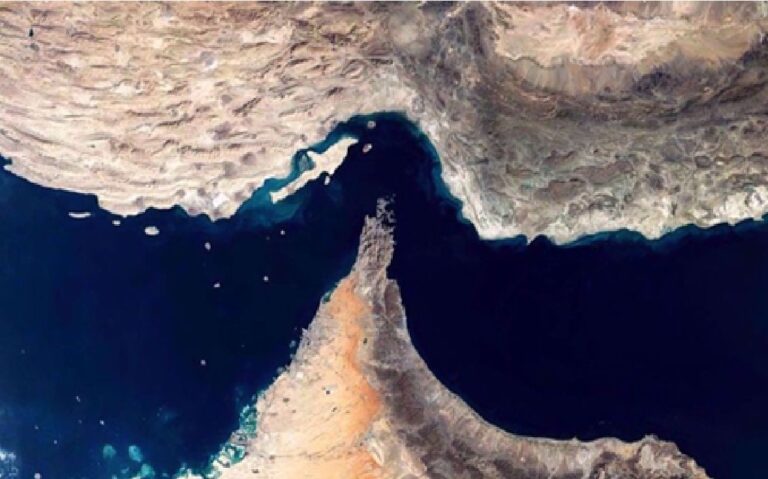
TEHRAN — The Islamic Revolutionary Guard Corps declared on Thursday that the Strait of Hormuz
A tour of illegal outposts reveals the machinery of dispossession. New government billions, a fresh
Multiple UN and human rights reports now converge on a single, devastating finding: Israel’s military