Kamran Faqir is a volunteer investigative journalist and writer committed to exposing hidden truths and amplifying underreported stories. Driven by social justice, he brings sharp insight and fearless truth-telling to independent journalism. NUJ registered.
Title: Trump’s ‘Great Stupidity’ Attack Reveals A Strategic Breakdown In UK Foreign Policy, NATO Fractures, And A Legacy Of Colonial Injustice.
Press Release: Veritas Press C.I.C.
Author:
Article Date Published: 20 Jan 2026 at 14:05 GMT
Category: UK | Politics | Trump’s ‘Great Stupidity’ Attack Reveals A Strategic Breakdown In UK Foreign Policy, NATO Fractures, And A Legacy Of Colonial Injustice
Source(s): Veritas Press C.I.C. | Multi News Agencies
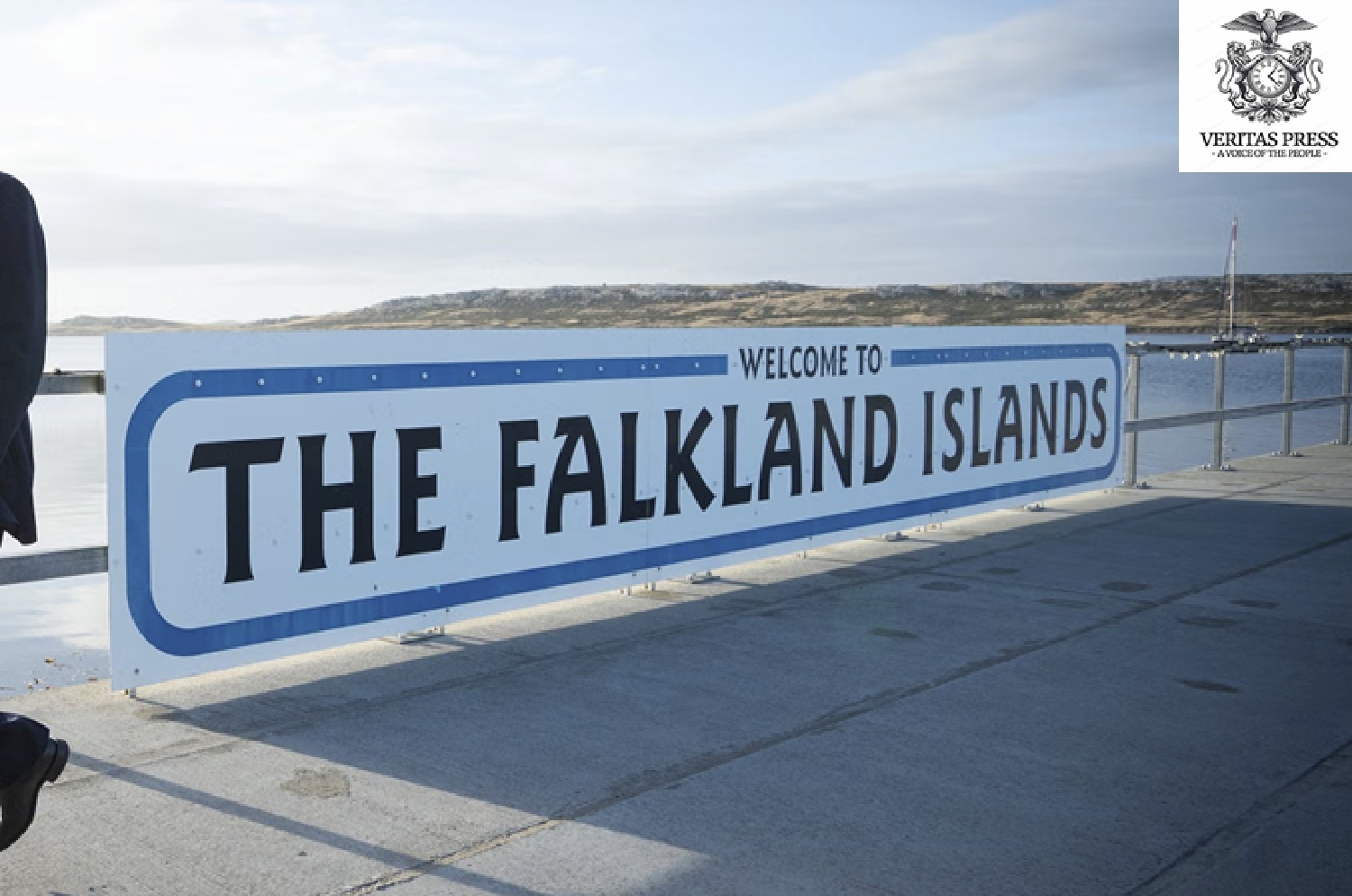
LONDON — US President Donald Trump’s blistering denunciation of the UK’s Chagos Islands agreement, branding it an “act of great stupidity” and “total weakness,” has ignited a moment of reckoning for British foreign policy at the intersection of geopolitics, legal obligations, alliance politics, and human rights.
What began as a diplomatic settlement with Mauritius has become a lightning rod exposing deep vulnerabilities in Britain’s strategic calculus, an emboldened US unilateralism, and the unresolved legacy of colonial dispossession that refuses to fade into history.
Trump’s About‑Face, From Support To Strategic Leveraging:
When the UK and Mauritius signed the sovereignty agreement in May 2025, the Trump White House publicly endorsed it as a stabilising resolution to a decades-old territorial dispute, designed to secure the vital joint US-UK military base on Diego Garcia.
Now, Trump has recharacterised the same deal as emblematically weak, a “great stupidity” that allegedly signals vulnerability to China and Russia while justifying his campaign to “acquire” Greenland, a NATO ally of Denmark.
This isn’t mere disagreement; it is highly performative geopolitics. Trump is instrumentalising the Chagos issue to bolster his own narrative of American strength and to delegitimise multilateral norm-based diplomacy. By intertwining Chagos with Greenland, he portrays sovereign negotiations as geopolitical liabilities, a message that shifts strategic discourse away from alliance consultation and international law toward transactional dominance and coercive power projection.
NATO At A Crossroads: Transatlantic Strains And European Alarm.
Trump’s public attack comes amid broader strains in the transatlantic alliance. European leaders, from Belgium’s prime minister to other NATO capitals, have warned that the US president’s rhetoric is “crossing red lines” and undermining 80 years of collective defence norms.
Just days earlier, Trump refused to rule out the use of force in pursuit of Greenland, triggering sharp responses across Europe and prompting Denmark to boost troop deployments on the island.
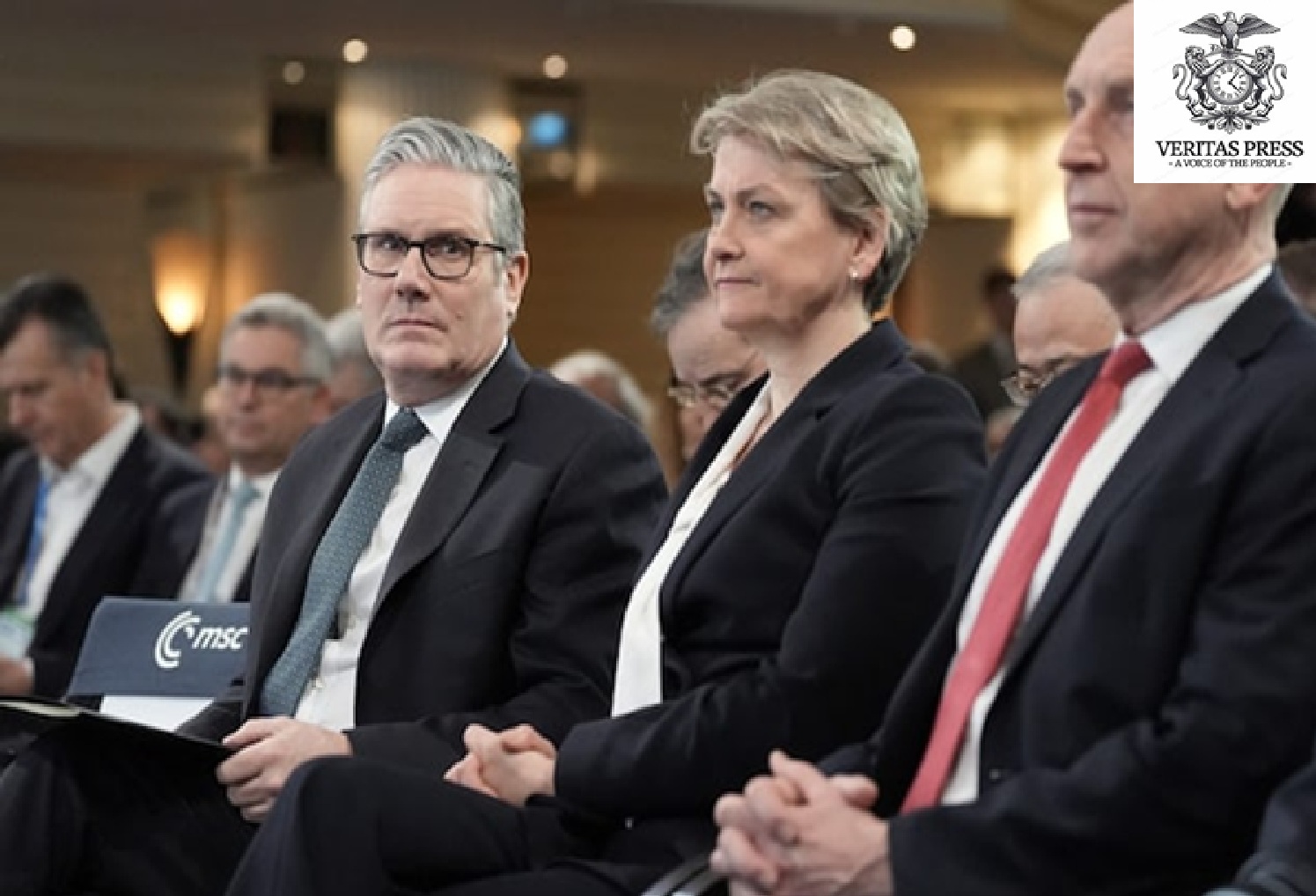
In this context, Trump’s language on Chagos is not an isolated outburst; it signals growing strategic divergence between Washington’s transactional posture and European expectations of alliance solidarity. UK Prime Minister Sir Keir Starmer has explicitly sought to de-escalate tensions, ruling out retaliatory tariffs and stressing diplomatic channels, yet faces mounting domestic and international pressure to adopt a sturdier stance.
A Foreign Policy Misread: Britain’s Strategic Calculus Under Scrutiny.
The UK government justifies the Chagos agreement on legal necessity, citing previous international court findings and a diplomatic need to avoid worsening legal jeopardy for the Diego Garcia base.
But Trump’s sudden repudiation suggests that London overestimated its diplomatic leverage with Washington and underestimated the likelihood that shifts in US politics would translate into abrupt policy reversals. This episode reveals a broader vulnerability in British foreign policy: excessive reliance on assumptions about US continuity and insufficient preparation for geopolitical volatility.
Critics argue that Britain’s strategy lacked both a strong narrative to justify the deal at home and mechanisms to safeguard it against sudden shifts in US leadership preferences. Analysts warn that this kind of strategic gamble, anchored on expected US support, has now boomeranged, undermining the UK’s reputation for predictability and coherence in international relations.
The Human Rights And Legal Dimension: Chagossians Still Left Behind.
Beyond elite diplomatic wrangling, the Chagos deal exposes unresolved moral and legal questions about indigenous rights and colonial accountability. The archipelago’s native inhabitants were forcibly expelled in the 1960s and 1970s to make way for the Diego Garcia base, a fact that has never been meaningfully rectified.
Under the 2025 treaty, Mauritius may implement resettlement programmes on islands other than Diego Garcia, effectively barring Chagossians from their most significant ancestral homeland. Critics, including Chagossian leaders and UN experts, argue that the UK negotiated the deal without meaningful consultation with the community and failed to secure substantive rights of return, cultural preservation, or reparations.
This starkly contrasts with how the UK frames the agreement, as a legal compliance measure and strategic preservation of security interests. The human rights dimension, long obscured by great‑power politics, now threatens to reassert itself as Chagossians and civil society groups press for redress and political recognition.
Domestic Backlash And Internal UK Fractures:
Trump’s intervention has emboldened voices critical of the Chagos deal across the UK political spectrum. Conservatives like Kemi Badenoch and Reform UK’s Nigel Farage have seized on Trump’s language, echoing claims that Starmer’s approach undermines national security and British sovereignty.
This alignment between American populism and British right-wing politics amplifies domestic pressure on Starmer’s government, not merely for political point‑scoring, but as part of a broader narrative questioning the UK’s strategic competence and global influence.
Geopolitical Stakes: Beyond An Island In The Indian Ocean.
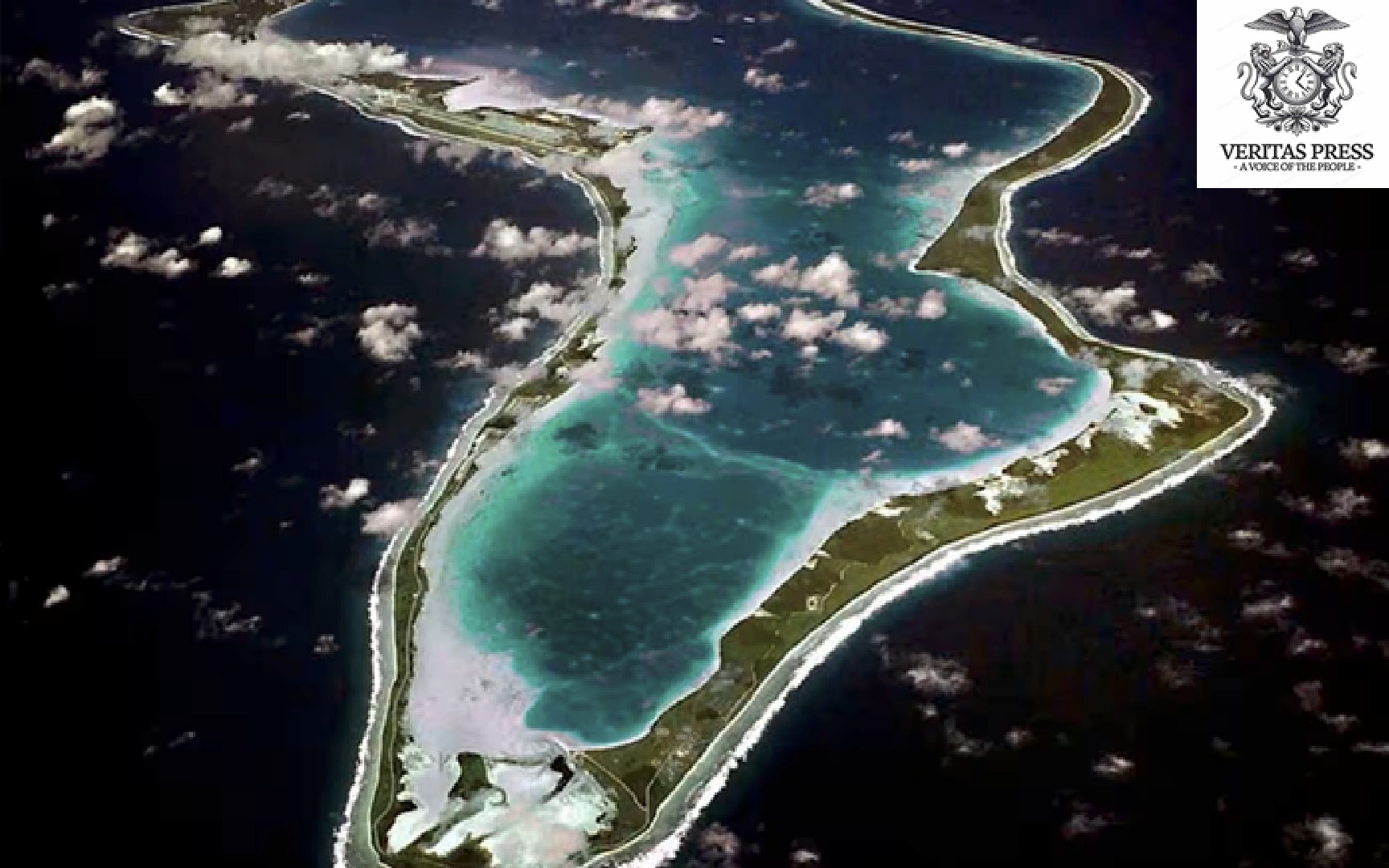
Diego Garcia is far from a peripheral possession. It has been central to Western power projection across the Middle East and Indo-Pacific for decades, forming a fulcrum of intelligence, logistics and maritime operations.
That Trump has leveraged this issue to justify aggressive rhetoric on Greenland highlights a deeper shift in how strategic assets are being discussed: not as components of cooperative security frameworks, but as bargaining chips or leverage points in great‑power rivalry.
This recalibration away from alliance consensus undermines NATO cohesion, weakens legal norms governing territorial sovereignty, and signals to global powers like China and Russia that Western unity may no longer be a reliable bulwark.
Conclusion: A Strategic Reckoning With Global Implications.
Trump’s attack on the Chagos deal is more than a rhetorical provocation. It exposes:
A UK foreign policy caught between legal obligation, strategic insecurity, and diplomatic miscalculation.
Fragile alliance trust between the UK and the United States, revealing how quickly bilateral understandings can fracture when domestic politics shift.
The marginalisation of indigenous rights even in negotiations ostensibly framed around legal compliance and decolonisation.
The erosion of normative multilateralism as strategic disputes increasingly centre on power projection and transactional politics rather than legal commitments.
As NATO and European capitals grapple with Trump’s Arctic ambitions and tariff threats, the Chagos row stands as a symbol of deeper transatlantic instability, one that British leaders will be forced to confront not just in defence debates but in the very conception of Britain’s role on the global stage.
Kamran Faqir is a volunteer investigative journalist and writer committed to exposing hidden truths and amplifying underreported stories. Driven by social justice, he brings sharp insight and fearless truth-telling to independent journalism. NUJ registered.
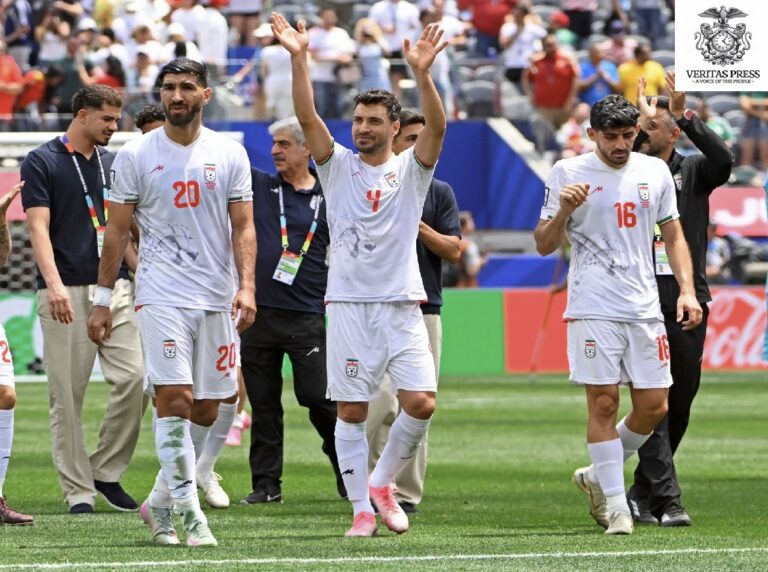
SEATTLE, TEHRAN — The U.S. Department of Homeland Security (DHS) will allow Iran’s national football team to enter the country 48 hours before their critical World Cup match against Egypt on Friday, a modest concession in a tournament where Team Melli’s travel conditions have sparked claims of oppression and competitive disadvantage.