Kamran Faqir is a volunteer investigative journalist and writer committed to exposing hidden truths and amplifying underreported stories. Driven by social justice, he brings sharp insight and fearless truth-telling to independent journalism. NUJ registered.
Title: One Hundred Days After The ‘Ceasefire’: Gaza’s Destruction Normalised And Prolonged.
Press Release: Veritas Press C.I.C.
Author: Kamran Faqir
Article Date Published: 19 Jan 2026 at 14:05 GMT
Category: Americas | Politics | One Hundred Days After the ‘Ceasefire’: Gaza’s Destruction Normalised and Prolonged
Source(s): Veritas Press C.I.C. | Multi News Agencies
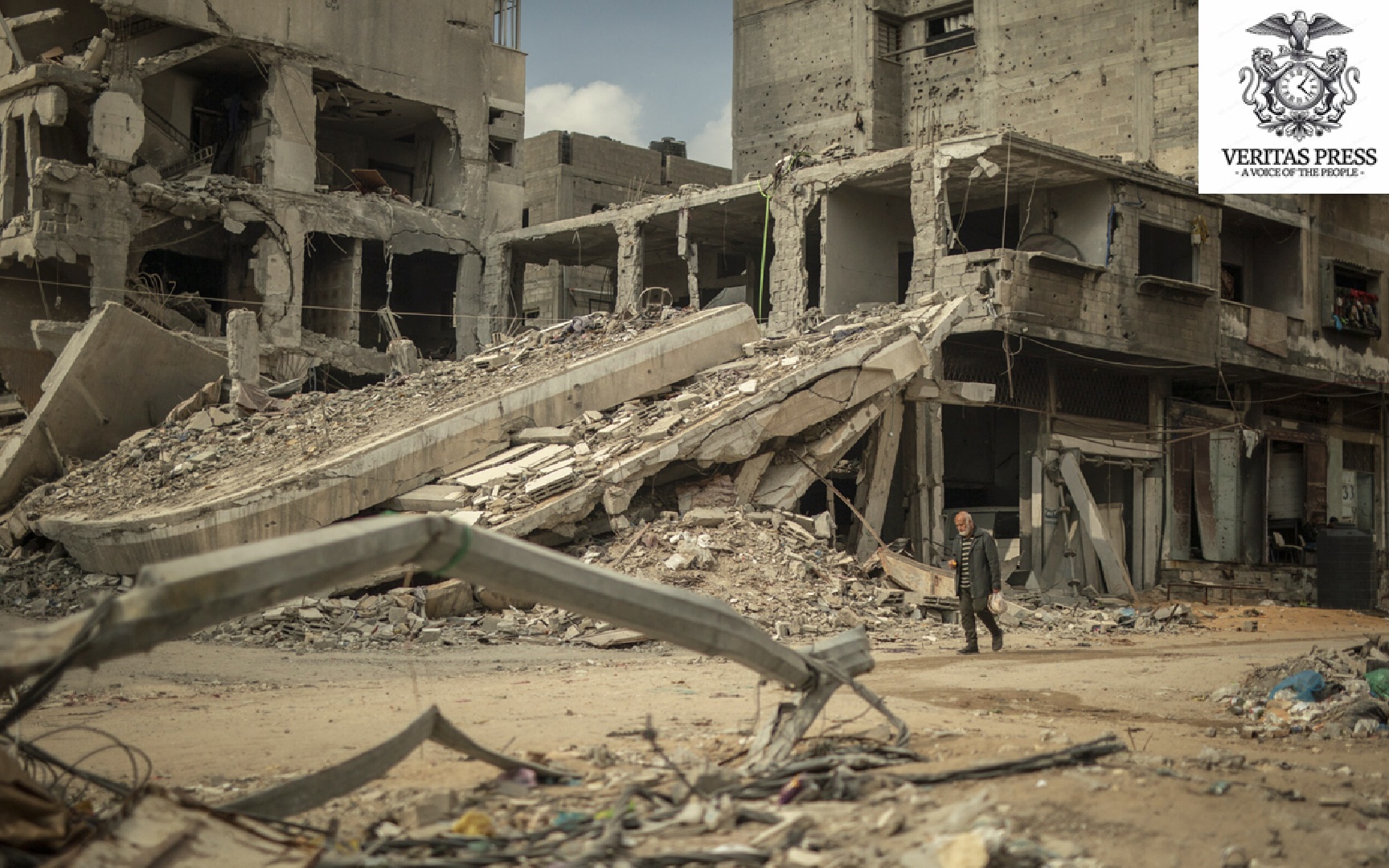
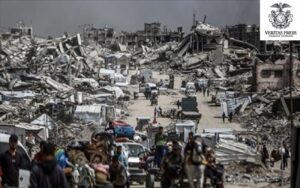
One hundred days after the so-called ceasefire in Gaza, the enclave remains trapped in sustained violence, hunger, and displacement. What was touted internationally as a humanitarian pause has, in practice, become a mechanism of control, normalising ongoing violations while obscuring the structural violence underpinning Gaza’s crisis.
According to the International Committee of the Red Cross (ICRC), Gaza’s population continues to endure extreme deprivation, compounded by winter weather, restrictions on aid, and intermittent Israeli military activity. In a statement marking the 100-day milestone, the ICRC stressed:
“The people of Gaza remain in urgent need of an end to violence and sustained humanitarian access. Winter storms and fuel shortages have made daily survival even more precarious.”(ICRC, Jan 2026)
A Ceasefire Designed Without Enforcement:
Legal analysts and human rights groups have highlighted that the ceasefire lacked independent monitoring or binding enforcement mechanisms. Dr. Raji Sourani, Director of the Palestinian Centre for Human Rights, told Al Jazeera:
“The so-called truce is a legal fig leaf. There is no way to hold Israel accountable for violations, and civilians are left entirely unprotected. This is not peace, it is management of violence.” (Al Jazeera, Jan 2026)
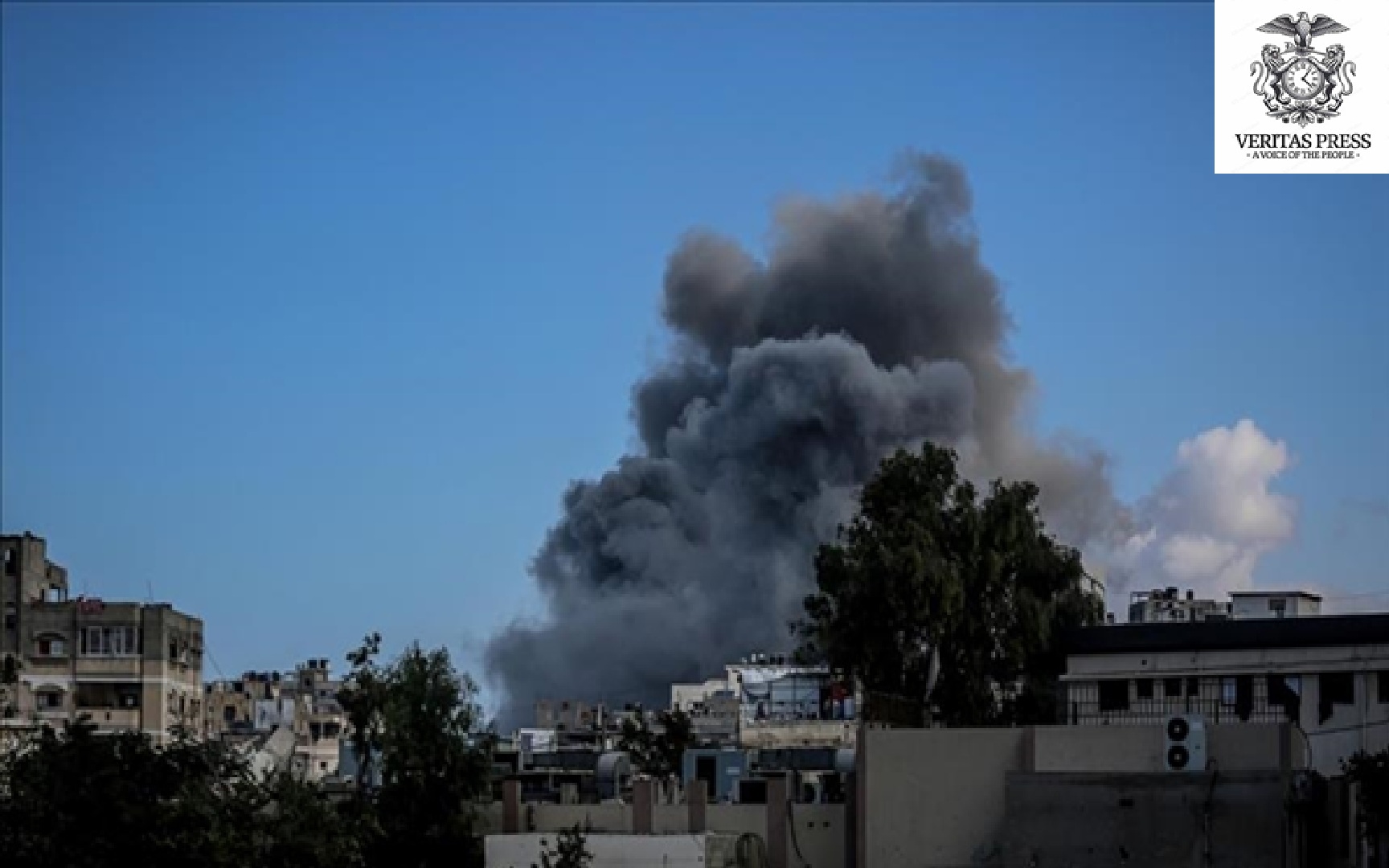
The pattern of violations has been strikingly consistent. Reports document drone strikes, gunfire, demolitions, and incursions in areas nominally covered by the ceasefire. Local resident Fatima Abu Salah, sheltering in Gaza City’s Zeitoun neighbourhood, recounted:
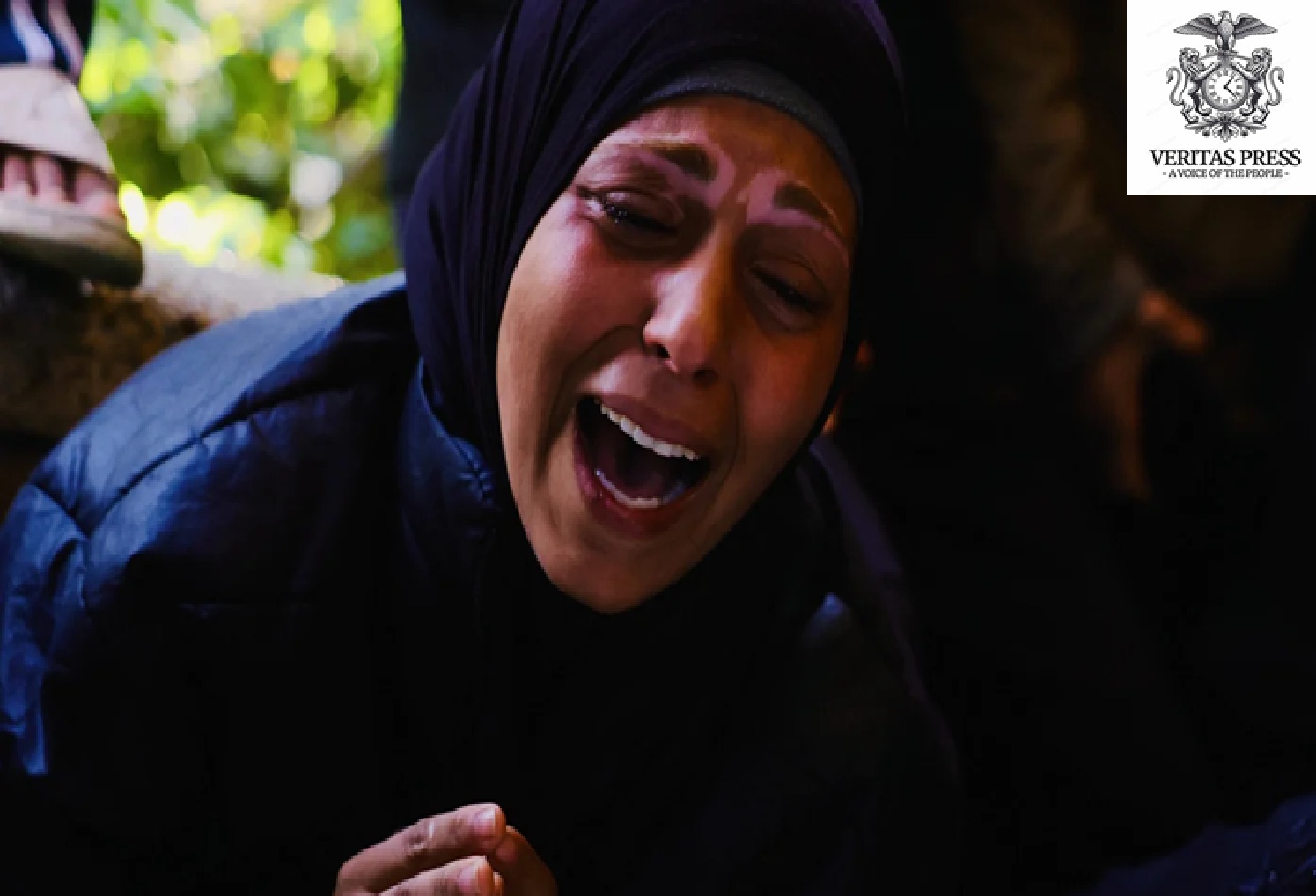
“We thought the fighting had stopped. But the drones still fly overhead, and we live in fear every time we hear gunfire. We cannot sleep, we cannot work, we cannot rebuild.” (Reuters, Jan 2026)
Lives Lost After The ‘Truce’:
Since the ceasefire, Gaza’s health authorities report hundreds of deaths and over a thousand injuries. UNICEF has confirmed that over 100 children were killed during this period alone. Humanitarian sources note that hundreds of bodies are still being recovered from rubble, highlighting the ongoing danger civilians face even after fighting has ostensibly stopped.
The Gaza Centre for Human Rights stated:
“The first 100 days of the ceasefire reveal a systematic continuation of Israeli policies that amount to genocidal practices by quieter means. Civilians are still being killed, starved, and deprived under the cover of ‘peace.’” (Palestine Chronicle, Jan 2026)
Journalist Amal Jaber, reporting for The Guardian from northern Gaza, described conditions on the ground:
“Infants are dying from hypothermia. Women are giving birth in shelters without medical support. The ceasefire has not brought safety; it has brought stagnation and slow death.” (The Guardian, Jan 2026)
Humanitarian Aid As A Tool Of Control:
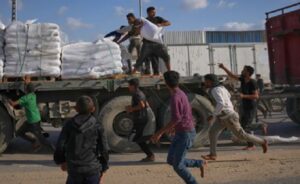
Aid shipments, including France’s recent dispatch of a container ship with hundreds of tons of food, have been presented as evidence of progress. However, UN agencies warn that these deliveries are insufficient. Only a fraction of the needed food, fuel, and medical supplies reach the population, leaving hospitals, schools, and water systems unable to function.
CARE’s Acting Deputy Regional Director for MENA, Hiba Tibi, said:
“There is no doctor, midwife, or nurse to support women during labour. Pregnant women ask: ‘Will I survive childbirth? Will my child survive?’ These are real dangers, every day.” (CARE International, Jan 2026)
Maternal And Neonatal Crisis:
Maternal healthcare has collapsed. Only 15 of 36 hospitals remain partially operational, operating at 250% capacity. UNICEF and WHO report severe shortages of neonatal incubators, medicines, and electricity. Over 17,000 women have given birth since the ceasefire began, many in dangerous conditions, leading to complications, sepsis, or maternal death.
Dr. Rania Abu Hamad, a gynaecologist at Shifa Hospital in Gaza City, told Reuters:
“We are delivering babies in tents and damaged facilities. Premature babies are dying because incubators fail. This is a crisis that will leave lifelong scars on an entire generation.” (Reuters, Jan 2026)
Hunger As Policy:
Food insecurity remains extreme. WFP reports that only 40% of the necessary food aid has reached Gaza, leaving millions at risk of malnutrition. Winter flooding and power outages have exacerbated conditions, with contaminated water and collapsing shelters compounding the crisis.
Human rights expert Sara Roy, Senior Research Fellow at Harvard University, explained:
“Starvation, lack of medical care, and infrastructure collapse are not accidents they are instruments of control. Gaza has been transformed into a population under siege even during a ceasefire.” (Harvard Kennedy School, Jan 2026)
International Complicity:
International actors have largely failed to enforce accountability. While UN statements highlight violations and aid shortfalls, no state has taken meaningful action to sanction Israel or ensure compliance. As Michael Lynk, UN Special Rapporteur on human rights in the Palestinian territories, observed:
“The world has allowed the ceasefire to be a cover for ongoing crimes against humanity. Gaza is slowly dying, and the international community watches.” (UN, Jan 2026)
In Summary: A Pause Without Justice Is Not Peace.
Gaza’s situation 100 days after the ceasefire exposes a chilling reality: ceasefires without enforcement, accountability, or unrestricted aid are mechanisms of slow destruction, not protection. Civilians continue to be killed, starved, and deprived under the cover of “peace.”
As activist Mohammed Omer noted in a statement to Al Jazeera:
“This is not a ceasefire. It is a cage. Gaza’s population survives by luck, endurance, and the barest margins of aid. Until accountability is enforced, nothing will change.” (Al Jazeera, Jan 2026)
The past 100 days underline that humanitarian pauses without structural change only prolong suffering. Without international enforcement, unrestricted access for aid, and accountability for violations, Gaza remains trapped in a war against life itself.
Kamran Faqir is a volunteer investigative journalist and writer committed to exposing hidden truths and amplifying underreported stories. Driven by social justice, he brings sharp insight and fearless truth-telling to independent journalism. NUJ registered.
SEATTLE, TEHRAN — The U.S. Department of Homeland Security (DHS) will allow Iran’s national football team to enter the country 48 hours before their critical World Cup match against Egypt on Friday, a modest concession in a tournament where Team Melli’s travel conditions have sparked claims of oppression and competitive disadvantage.