Kamran Faqir is a volunteer investigative journalist and writer committed to exposing hidden truths and amplifying underreported stories. Driven by social justice, he brings sharp insight and fearless truth-telling to independent journalism. NUJ registered.
Title: Norovirus Hospital Admissions Soar 57% In A Week As NHS Trusts Declare Critical Incidents
Press Release: Veritas Press C.I.C.
Author: Kamran Faqir
Article Date Published: 15 Jan 2026 at 16:15 GMT
Category: UK | Health | Norovirus hospital admissions soar 57% in a week as NHS trusts declare critical incidents
Source(s): Veritas Press C.I.C. | Multi News Agencies
Hospitals across England are buckling under mounting winter pressures after norovirus admissions surged by 57 per cent in just one week, forcing at least 10 NHS trusts to declare critical incidents and cancel routine operations as A&E departments overflow.
Cases of norovirus are on the rise in England Credit: Getty
New NHS figures released on Thursday show that an average of 567 hospital beds were occupied each day last week by patients suffering from norovirus symptoms, up sharply from 361 the previous week. It is the highest level recorded so far this winter, compounding a wider crisis driven by flu, respiratory infections, staff sickness and post-Christmas demand.
The vomiting bug surge has pushed already overstretched hospitals to the brink, with doctors warning that patients are being left waiting for days in corridors and emergency department waiting rooms in what one senior clinician described as a “dreadful” week for the health service.
“An Awful Picture Nationwide”
Dr Vicky Price, president of the Society for Acute Medicine, said the scale of delays now being normalised within NHS hospitals should alarm ministers and NHS leadership alike.
“The thing that’s so hard is seeing patients waiting for days in a waiting room and on corridors. That has certainly rocketed. It’s almost seen as acceptable now,” she told The Independent.
“For the people sitting in waiting rooms, once they have exceeded 12 hours, there is no emphasis to move them onto wards. We regularly hear about trusts dismissing anything other than ambulance patients because it is so target-driven, not patient-driven.”
Norovirus is a stomach bug that causes vomiting and diarrhoea (CDC)
Doctors report patients waiting up to 48 hours for a bed after arriving at A&E, with emergency departments holding dozens of patients overnight due to a lack of capacity.
One emergency care doctor at a major hospital said:
“We had a nice Christmas, then the cold snap afterwards made us very busy with many, many broken bones, and we’ve not recovered from that position.
“This week we were holding 50-plus people awaiting beds in the department on one night, with 12-hour waits just to be seen.”
Critical Incidents Declared Across England And Wales:
At least 10 NHS trusts have declared critical incidents this week, the highest escalation level, allowing hospitals to suspend non-urgent services, redeploy staff and prioritise emergency care.
Among them:
Nottingham University Hospitals NHS Trust, which declared a critical incident on Tuesday, cited “severe and sustained pressure” since Christmas.
The trust recorded its busiest day of 2026 so far on 7 January, with 550 A&E attendances.
It warned of “significant and unacceptable delays” and patients waiting in corridors while staff work “under extreme pressure”.
Sherwood Forest Hospitals NHS Foundation Trust, University Hospitals of North Midlands, South Warwickshire University NHS Foundation Trust, and East Suffolk and North Essex NHS Foundation Trust have all followed suit.
East Kent Hospitals University NHS Foundation Trust declared a critical incident at Queen Elizabeth The Queen Mother Hospital in Margate due to “sustained pressures”.
Four Surrey trusts, Ashford and St Peter’s, Royal Surrey, Epsom and St Helier, and Surrey and Sussex Healthcare, also triggered emergency measures amid what NHS Surrey Heartlands described as “exceptionally high demand”.
In Wales, Aneurin Bevan University Health Board announced a critical incident over the weekend, citing an influx of “very sick patients”, winter virus outbreaks and staffing pressures.
A&E Waiting Times Worsen:
The norovirus surge comes as A&E performance deteriorates further, according to monthly NHS England data also published on Thursday.
In December:
151,724 patients (10.5%) waited more than 12 hours to be seen, treated or admitted after arriving at A&E, the worst level so far this winter.
137,763 patients waited at least four hours from the decision to admit to actually being given a bed, up from November.
Just 73.8% of patients were treated within four hours, down from 74.2% the previous month.
While these figures remain below the worst points of winters 2023 and 2024, they are moving further away from the government and NHS England’s target of 78% four-hour performance by March 2026.
Flu Eases, But Bed Occupancy Remains Dangerously High:
There is some limited relief on one front: flu hospitalisations have begun to fall.
An average of 2,725 flu patients were in hospital each day in England during the week ending 11 January, down 7 per cent from the previous week. However, this follows a sharp festive surge, and bed occupancy remains perilously high.
Professor Meghana Pandit, NHS national medical director, warned that hospitals are still operating well beyond safe capacity.
“While it’s positive that the number of flu cases in hospital is falling, this comes after a rise following the festive period, leaving bed occupancy very high at 94 per cent,” she said.
“At 92 per cent is the point at which staff performance drops. It is clear we are still in the thick of winter.”
Health leaders continue to urge the public to use 999 and A&E only for life-threatening emergencies, directing others to NHS 111, GPs and pharmacies.
What Is Norovirus, And What Should You Do?
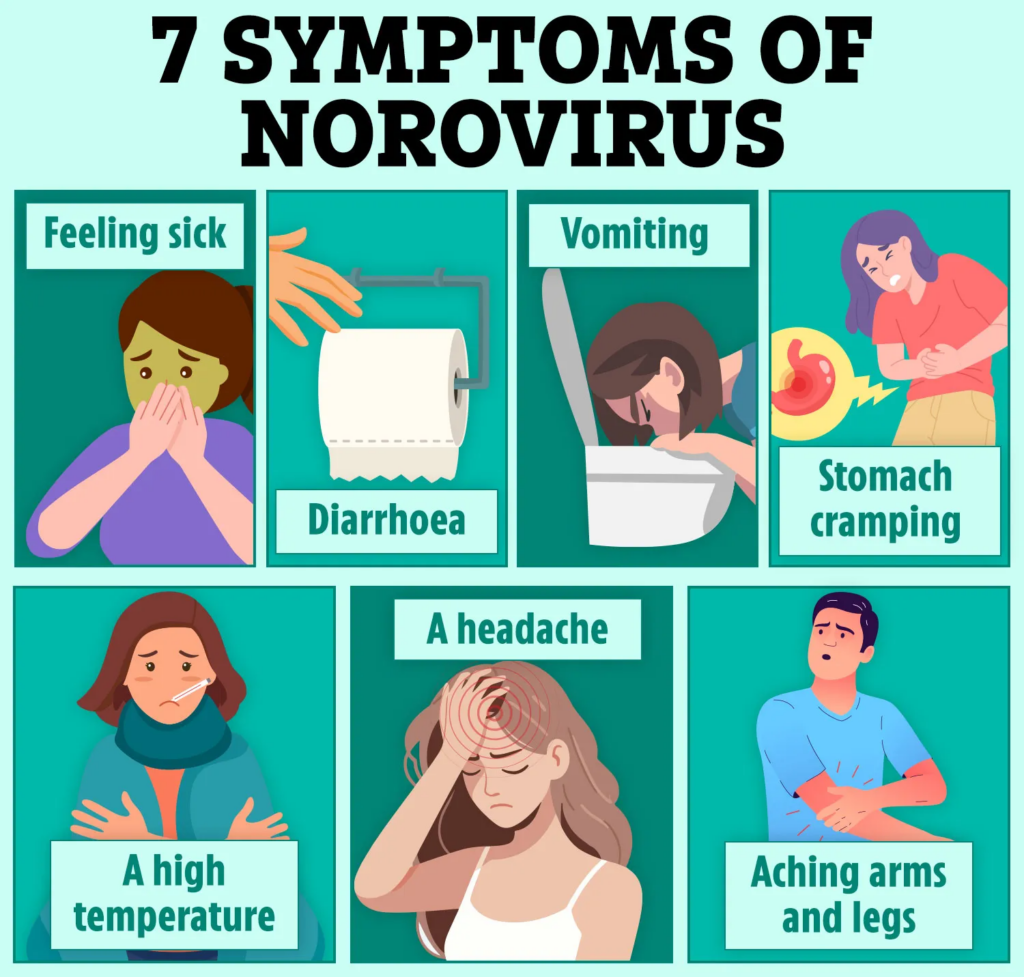
Often dubbed the “two-bucket disease”, norovirus is highly contagious and causes:
Projectile vomiting
Diarrhoea
Stomach cramps
Fever, headache and muscle aches
In young children, high fevers can occasionally trigger seizures.
The virus spreads easily through close contact, contaminated surfaces or food handled by an infected person. Alcohol hand gels do not kill norovirus; proper handwashing with warm soapy water is essential.
The NHS advises people with norovirus to:
Stay at home until symptoms fully subside
Avoid cooking for others
Do not share towels, bedding or cutlery
Eat bland foods, rest and stay hydrated
Use paracetamol for pain and fever
Most people recover within a few days, but anyone whose symptoms persist beyond three days, or who becomes severely dehydrated, should seek medical advice.
How To Treat Norovirus
Though unpleasant, you can usually treat yourself or your tots at home, according to NHS guidance. It doesn’t tend to be a dangerous illness, and complications from it are rare, Patient.info says. Aside from keeping an eye out for symptoms of dehydration, getting plenty of rest is the most important thing you can do to get well. When you’re able to keep fluids down, paracetamol is the safest option for symptoms like fever, headaches, and body aches. Avoid ibuprofen if you’re dehydrated or vomiting heavily, as it can irritate your stomach and put strain on your kidneys.
Medicines like loperamide can reduce diarrhoea, but they’re not always recommended because diarrhoea helps clear the virus. When your appetite returns, start with bland foods like toast, crackers, bananas, and rice. Avoid fatty, spicy, or dairy-heavy foods until your symptoms settle. You’ll usually start to feel better within two or three days. But you should stay off school or work until you have not been sick or had diarrhoea for at least two days, as this is when you are most infectious. Also, don’t visit any hospitals or care homes during this time.
A System Under Strain:
The norovirus surge has once again exposed the fragility of England’s hospital system during winter, with years of underinvestment, staffing shortages and social care bottlenecks leaving little resilience when seasonal viruses collide.
As one senior doctor put it bluntly:
“This isn’t just about winter bugs, it’s about a system that has no slack left.”
With weeks of winter still to come, NHS leaders warn that without sustained capacity relief, corridor care, cancelled operations, and critical incidents may become the norm rather than the exception.
When To Call 111 And 999 For Norovirus
NOROVIRUS usually goes away on its own after a couple of days and doesn’t require medical attention. But you might need to speak to a doctor if: You’re worried about your baby, who is younger than 12 months old. Your child stops breast or bottle feeding while they’re ill You think your child under five might be dehydrated – signs could include fewer wet nappies. You’ve used rehydration sachets, but still have signs of dehydration You or your child keeps being sick and can’t keep fluids down. You or your child has bloody.
diarrhoea or start bleeding from the bottom. You or your child has diarrhoea for more than seven days or is vomiting for more than two days. And if you spot any of the following signs, it’s vital to seek urgent care: Blood in your vomit Vomit that looks like ground coffee Green vomit (adults) or yellow-green vomit (children) A stiff neck Pain when looking at bright lights A sudden, severe headache or stomach ache.
Kamran Faqir is a volunteer investigative journalist and writer committed to exposing hidden truths and amplifying underreported stories. Driven by social justice, he brings sharp insight and fearless truth-telling to independent journalism. NUJ registered.
SEATTLE, TEHRAN — The U.S. Department of Homeland Security (DHS) will allow Iran’s national football team to enter the country 48 hours before their critical World Cup match against Egypt on Friday, a modest concession in a tournament where Team Melli’s travel conditions have sparked claims of oppression and competitive disadvantage.