Kamran Faqir is a volunteer investigative journalist and writer committed to exposing hidden truths and amplifying underreported stories. Driven by social justice, he brings sharp insight and fearless truth-telling to independent journalism. NUJ registered.
Title: Children Expected To Die Of Hunger In Darfur ‘Within Days’ As Sudan’s War Enters Its Fourth Year
Press Release: Veritas Press C.I.C.
Author: Kamran Faqir
Article Date Published: 15 Jan 2026 at 14:55 GMT
Category: Africa’s | Politics | Children Expected to Die of Hunger in Darfur ‘Within Days’ as Sudan’s War Enters Its Fourth Year
Source(s): Veritas Press C.I.C. | Multi News Agencies
UN warns of imminent child deaths, mass starvation and collapsing aid operations more than 1,000 days into the conflict.
Children in Sudan’s war-ravaged Darfur region are expected to die from hunger “within days” as famine conditions deepen more than 1,000 days into a brutal civil war, the United Nations’ top official in the country has warned, laying bare what humanitarian agencies describe as the world’s worst humanitarian catastrophe.
Speaking to Middle East Eye from Port Sudan after a series of rare UN missions into previously inaccessible conflict zones, Denise Brown, the UN’s resident and humanitarian coordinator in Sudan, said aid teams were encountering conditions she described as “horrendous, shocking and appalling” as limited access is negotiated amid ongoing fighting.
“We can expect deaths within days, for sure weeks,” Brown said, referring to children suffering from severe acute malnutrition. “Frankly, it’s quite devastating to see this in the communities.”
Malnutrition At Catastrophic Levels:
Brown revealed that a UN assessment conducted two weeks earlier in Um Baru, North Darfur, found that 53 percent of children were malnourished, more than three times the internationally recognised emergency threshold.
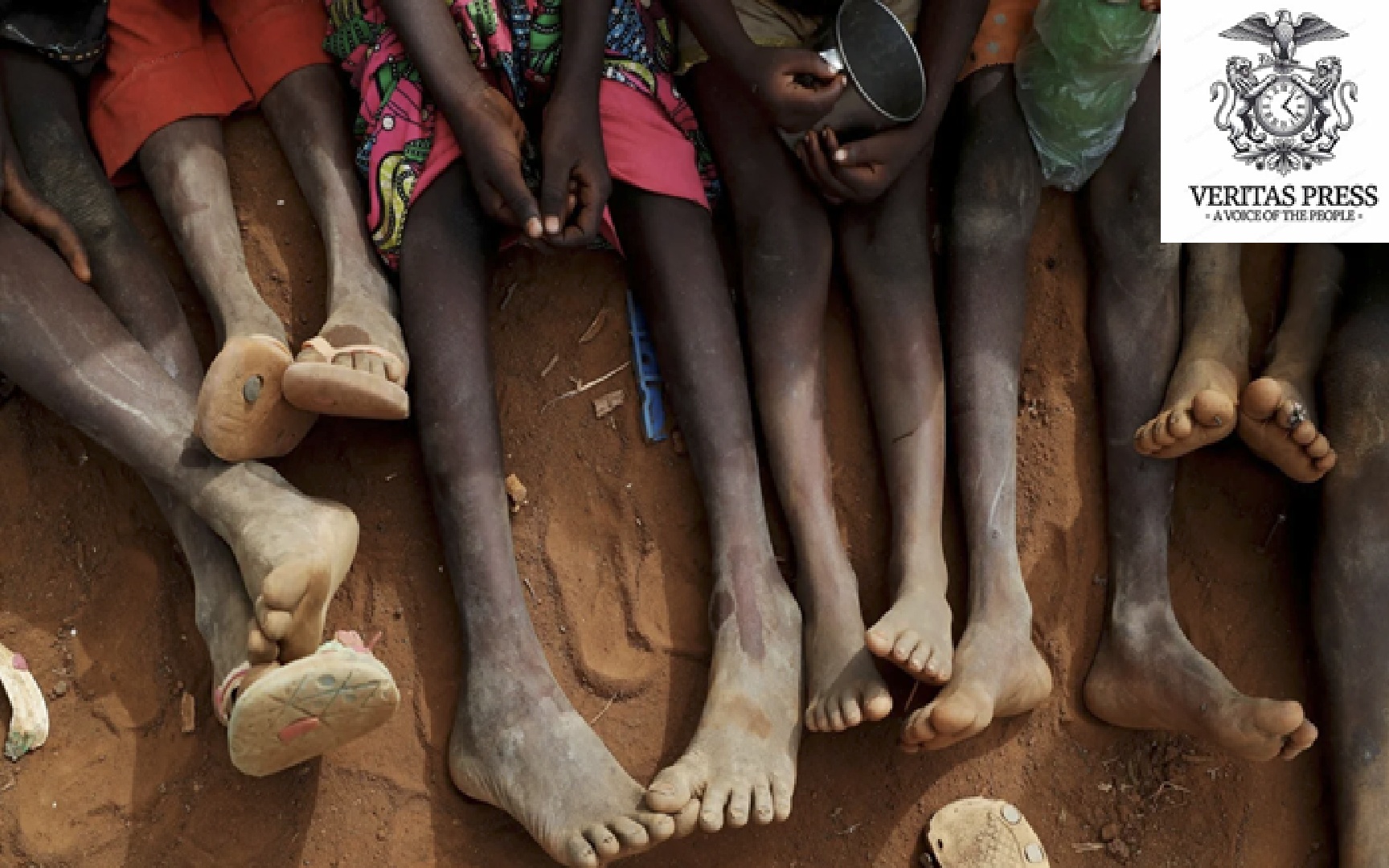
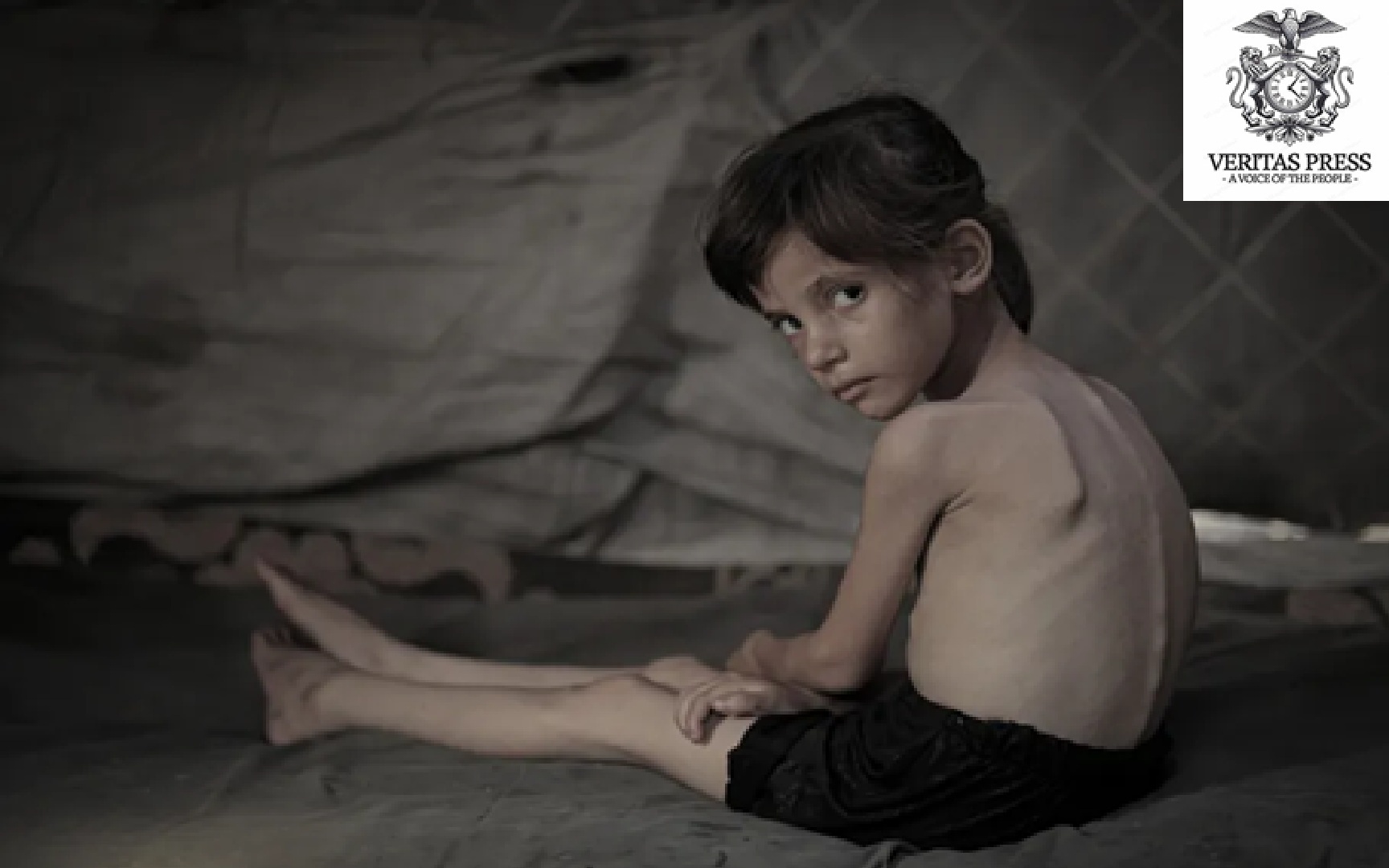
“I’ve actually never seen anything like this,” she said. Many of the children are suffering from severe acute malnutrition, a condition that can kill within weeks if left untreated.
The findings come as Sudan’s war, which erupted in April 2023 between the Sudanese Armed Forces (SAF) and the paramilitary Rapid Support Forces (RSF), enters its fourth year. The conflict has killed tens of thousands, displaced nearly 13 million people, and pushed over 40 percent of the population into acute food insecurity.
“This is not accidental,” Brown said. “There’s a pattern of atrocities that have been carried out in Sudan.”
She urged world leaders to act decisively. “They need to work out how to interrupt that pattern before the next one takes place. This is of paramount importance for the women and children of this country who are bearing the brunt of this war.”
Famine Spreading Despite Harvest Season:
Brown’s warning aligns with the latest assessments from the UN-backed Integrated Food Security Phase Classification (IPC) system and the US-funded Famine Early Warning Systems Network (Fews Net).
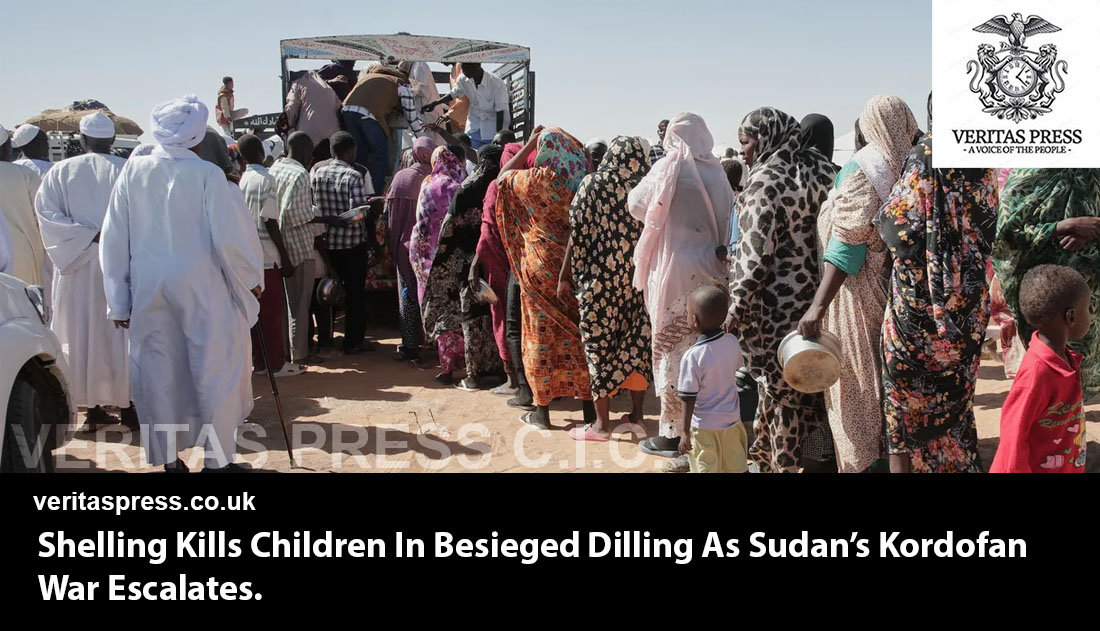
In its most recent analysis, Fews Net confirmed that famine conditions are persisting in El‑Fasher in North Darfur and Kadugli in South Kordofan, even during what should be Sudan’s post‑harvest period. The agency also warned that famine was likely underway in Dilling, another besieged town in South Kordofan, though insecurity has prevented a formal declaration.
“In Kadugli and Dilling, famine is likely to continue through at least May unless humanitarian access becomes consistent and sustained,” Fews Net said, warning that RSF forces are expected to tighten blockades around both towns.
Conditions in El‑Fasher, brutally seized by the RSF in October after more than 550 days of siege, are so volatile that the agency said it cannot predict food security levels for the coming months, citing “ongoing deaths, starvation and mass displacement.”
Inside A Besieged City:
Brown confirmed that UN teams have accessed El‑Fasher twice in recent weeks, most recently on Tuesday, offering a rare glimpse into a city devastated by siege warfare.
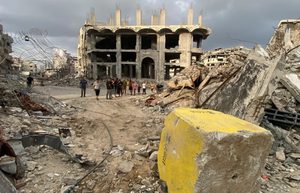
“Much of the town is destroyed,” she said, describing heavy shelling, widespread unexploded ordnance and landmine contamination. “We’re limiting our movements to paved roads. We don’t want to drive over anything we can’t see.”
UN teams focused on hospitals, markets and displaced communities, delivering water purification tablets, chlorine, health supplies and therapeutic nutrition for malnourished children. Clean water, Brown stressed, remains one of the most urgent needs.
“Pumps have been destroyed because of the war, so people are not able to access clean water,” she said, warning that the conditions are fuelling deadly disease outbreaks.
Between January and late November 2025, Sudan recorded more than 72,000 cholera cases, more than double the number reported during the same period in 2024. Over 1,000 new cases were recorded in just four weeks between late October and November, with sharp increases in Kordofan.
Siege, Displacement And Mass Killings:
The humanitarian catastrophe has been intensified by mass displacement and deliberate siege tactics. Fews Net estimates that at least 106,387 people were displaced following the RSF’s takeover of El‑Fasher alone.
Many civilians remain trapped in and around the city, unable to flee due to insecurity, blocked escape routes, the risk of kidnapping, or prohibitive transport costs. Multiple eyewitnesses told Middle East Eye that RSF fighters killed fleeing civilians and carried out door-to-door executions when they seized the city. Some civilians reported being forced to give blood at RSF checkpoints as they tried to escape.
A December report by Yale University’s Humanitarian Research Lab suggested the RSF has engaged in a campaign to destroy evidence of mass killings in El‑Fasher, likely burying or burning tens of thousands of bodies since capturing the city.
The World Food Programme (WFP) estimates that between 70,000 and 100,000 people may still be inside El‑Fasher.
“These people have been living under siege for more than 500 days,” Brown said. “The economy is disrupted, agricultural production is disrupted. Basic social services — I don’t think we can say they even exist.”
Kordofan Crisis ‘Under-Reported’:
Brown warned that conditions in Kordofan are deteriorating rapidly but remain largely overlooked.
“Our access there is quite difficult,” she said, explaining that she was forced to cancel a planned visit to Kadugli in December after six UN peacekeepers were killed the day before her arrival. “We are trying to send convoys into Kadugli. We have several convoys on the road, negotiating that access.”
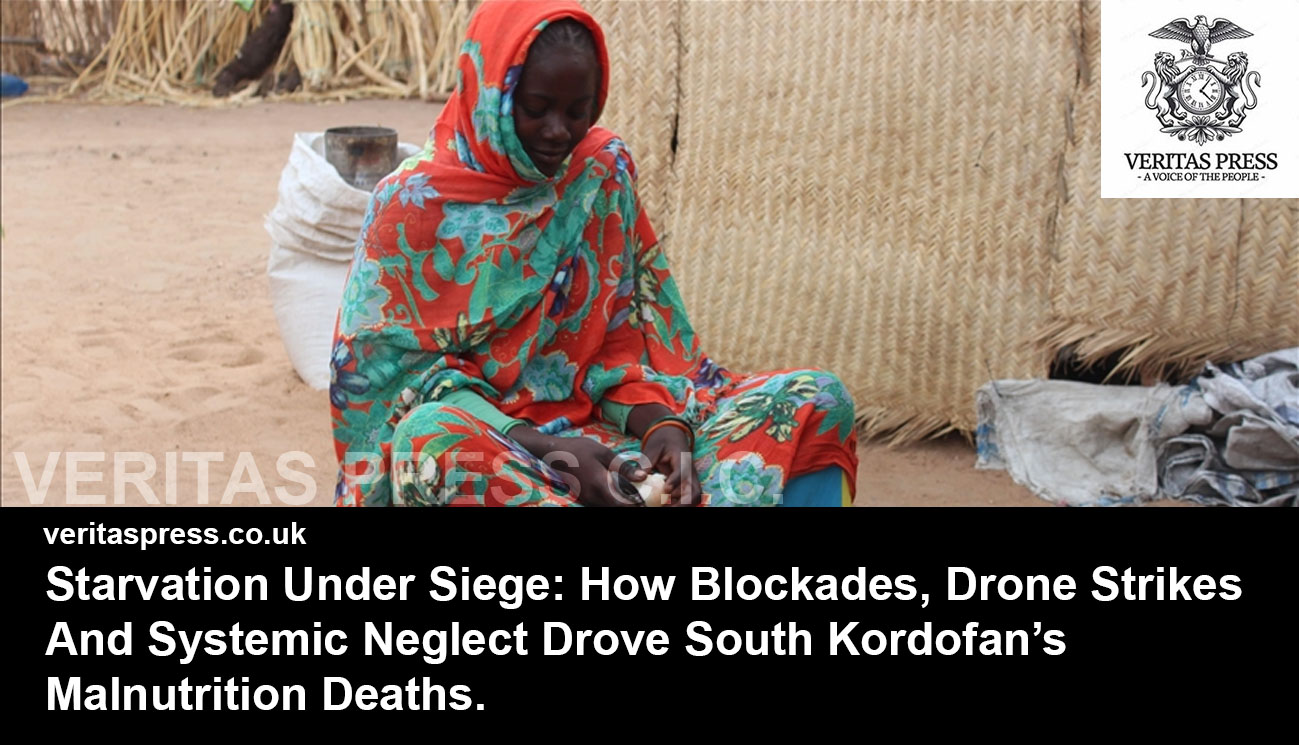
In the western Nuba Mountains, Fews Net warned that rural communities around Kadugli and Dilling face a credible risk of famine emerging as fighting cuts them off from already scarce food and income sources.
Even if famine is not formally declared, the agency warned that starvation, acute malnutrition and hunger-related deaths are likely to rise sharply during the coming pre-lean season.
‘A Crime Scene’:
Brown said El‑Fasher continues to be described by UN staff as a “crime scene,” though she stressed that her office is not mandated to collect evidence of war crimes.
The International Criminal Court has confirmed that its long-running investigation into atrocities in Darfur includes the latest events in El‑Fasher.
“We are not human rights investigators,” Brown said. “We are not going into these communities looking to collect evidence.”
Visible Wounds Of War:
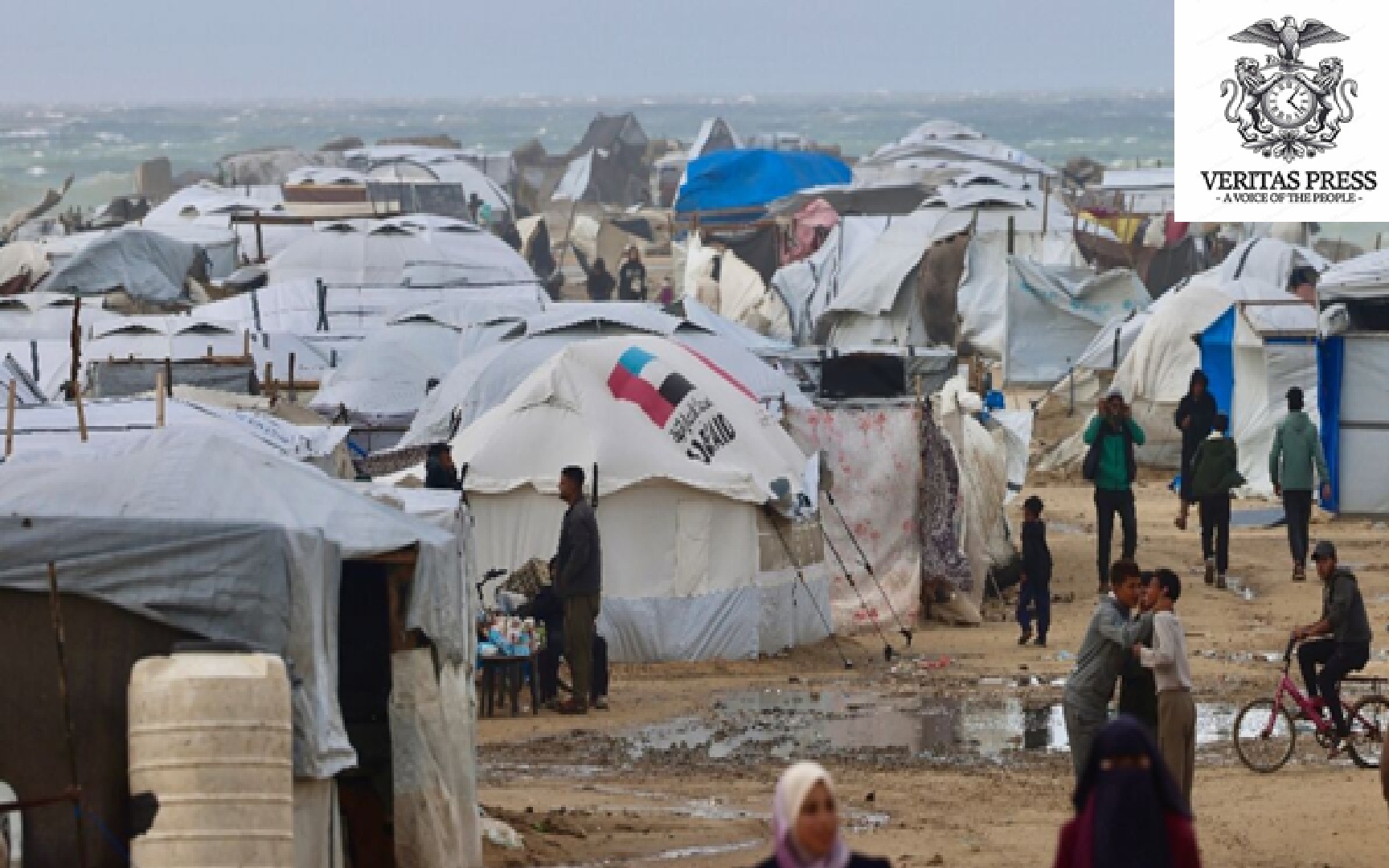
During a visit to Al‑Dabbah in Sudan’s Northern State, where some 80,000 people have fled from Darfur and Kordofan, Brown said the violence was evident not only in survivors’ testimonies but on their bodies.
“It’s not just the stories,” she said. “It’s actually what you see on people’s bodies.”
She described meeting an eight-year-old boy whose foot had been amputated after he was caught in artillery fire. “His feet were basically destroyed and had to be removed,” she said.
Aid System On The Brink Of Collapse:
Despite Sudan’s designation as the world’s worst humanitarian crisis, the international response remains dangerously underfunded. As of late 2025, the UN’s Sudan appeal was just 27 percent funded, a shortfall exacerbated by US funding cuts under the Trump administration.
The consequences are now immediate. The World Food Programme has warned that food assistance in Sudan will run out by the end of March unless urgent new funding is secured.
“By the end of March, we will have depleted our food stocks in Sudan,” said Ross Smith, WFP’s Director of Emergency Preparedness and Response. “Without immediate additional funding, millions of people will be left without vital food assistance within weeks.”
Smith said the WFP has already been forced to reduce rations “to the absolute minimum for survival.”
More than 21 million people, almost half of Sudan’s population, are now facing acute food insecurity, according to the UN. Famine has been confirmed in El‑Fasher and Kadugli, with civilians in Dilling and multiple displacement camps likely experiencing famine conditions as well.
‘1,000 Days Of Agony’ For Sudan’s Children:
Marking 1,000 days since the war began, UNICEF’s regional director for the Middle East and North Africa, Edouard Beigbeder, said Sudan’s children are paying the highest price.
“For the children of Sudan, the world is 1,000 days late,” Beigbeder said in a statement.
“In 2026, 33.7 million people, about two-thirds of the population, are expected to need urgent humanitarian assistance. Half of them are children.”
More than five million children have been displaced, the equivalent of 5,000 children every day, often multiple times. Millions are at risk of sexual violence, which UNICEF says is being used as a tactic of war, with children among the survivors.
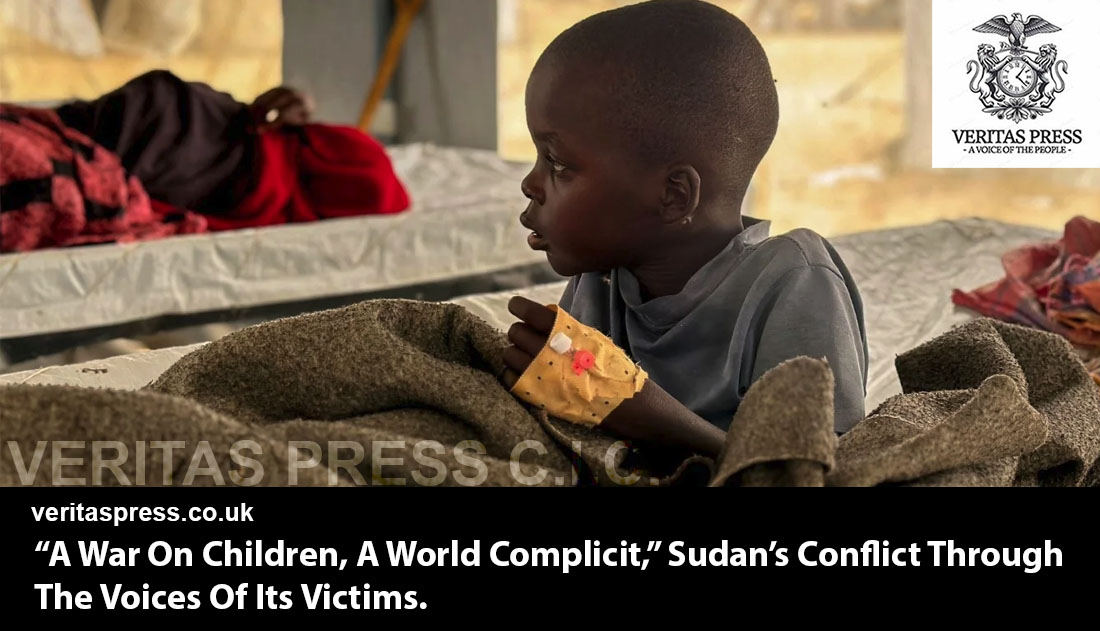
In North Darfur alone, nearly 85,000 children suffering from severe acute malnutrition were treated between January and November 2025, roughly one child every six minutes.
“These efforts are keeping children alive under the most difficult conditions,” Beigbeder said, “but they remain far from sufficient in the absence of sustained access, adequate funding and a meaningful reduction in hostilities.”
Voices From The Ground: Doctors, Aid Workers And Survivors.
Beyond the statistics and UN assessments, doctors, local aid workers and survivors describe a humanitarian collapse unfolding in real time.
A Sudanese doctor working in a makeshift clinic on the outskirts of El-Fasher, who spoke on condition of anonymity for security reasons, said children were arriving daily in states of extreme starvation.
“Many of the children we see are skin and bones,” the doctor said. “Some are so weak they cannot cry. When severe acute malnutrition reaches this stage, even treatment can come too late. We are losing children not because we don’t know how to save them, but because food and medicine are blocked.”
The doctor described families grinding animal feed or wild leaves to make a thin porridge. “Mothers tell us they skip eating for days so their children can have one meal. Then the milk dries up. Then the child dies.”
Local aid workers echoed those accounts. A humanitarian volunteer from North Darfur, displaced to Al-Dabbah, said the destruction of water systems has compounded hunger with disease.
“People are drinking from ponds and contaminated wells because the pumps were bombed or looted,” she said. “We see diarrhoea, cholera, malnutrition, everything together. Hunger weakens the body, then disease finishes the job.”
Survivors who fled El-Fasher described violence and starvation as inseparable. A 42-year-old father of four said his family survived months under siege before escaping on foot.
“There was no food in the markets, no money, no work,” he said. “When the RSF came, people were killed in their homes. Those who tried to flee were shot. My youngest child fainted from hunger on the road. We thought he was dead.”
In displacement sites across Northern State, aid workers say trauma is visible everywhere. A nurse working with displaced families said children regularly present with shrapnel wounds, burns and untreated fractures alongside malnutrition.
“These children are not just starving,” she said. “They are wounded, terrified, and they have seen things no child should ever see.”
‘A Moral Necessity’:
Brown said that despite repeated high-level UN visits, she still struggles to convey the sheer scale of suffering in Sudan.
“Horrendous, shocking, appalling are the words that come to mind,” she said. “It’s really difficult to convey the pain, the trauma, the fear, the suffering caused by this war.”
UN agencies are now calling for an immediate end to the conflict, unfettered humanitarian access, and full compliance with international humanitarian law.
“Children in Sudan are not statistics,” UNICEF warned. “Ending this conflict is a moral necessity. It cannot wait.”
Kamran Faqir is a volunteer investigative journalist and writer committed to exposing hidden truths and amplifying underreported stories. Driven by social justice, he brings sharp insight and fearless truth-telling to independent journalism. NUJ registered.
SEATTLE, TEHRAN — The U.S. Department of Homeland Security (DHS) will allow Iran’s national football team to enter the country 48 hours before their critical World Cup match against Egypt on Friday, a modest concession in a tournament where Team Melli’s travel conditions have sparked claims of oppression and competitive disadvantage.