Kamran Faqir is a volunteer investigative journalist and writer committed to exposing hidden truths and amplifying underreported stories. Driven by social justice, he brings sharp insight and fearless truth-telling to independent journalism. NUJ registered.
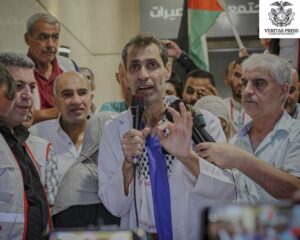
GAZA CITY — January 2026 — Palestinians in the Gaza Strip staged a protest on Sunday as humanitarian and environmental conditions deteriorated to catastrophic levels, exposing what residents, aid workers and analysts describe as a ceasefire in name only. Despite the October 10, 2025 ceasefire agreement, displaced families continue to face lethal cold, spreading disease, uncollected waste and systematic deprivation after more than two years of Israel’s assault on the besieged enclave.
The demonstration, held at a densely packed refugee camp in Gaza City, brought together families uprooted by Israel’s military campaign and years of blockade. Protesters carried banners reading “Enough with injustice and neglect,” “An epidemic is threatening us,” and “Trash is everywhere,” voicing collective anger at what they say is international abandonment.
Protesters directly appealed to the United Nations and international humanitarian agencies to intervene, accusing global powers of allowing Gaza’s civilian population to descend into a slow-motion humanitarian collapse.
‘We Want To Rebuild Our Lives’: Voices From The Camps.
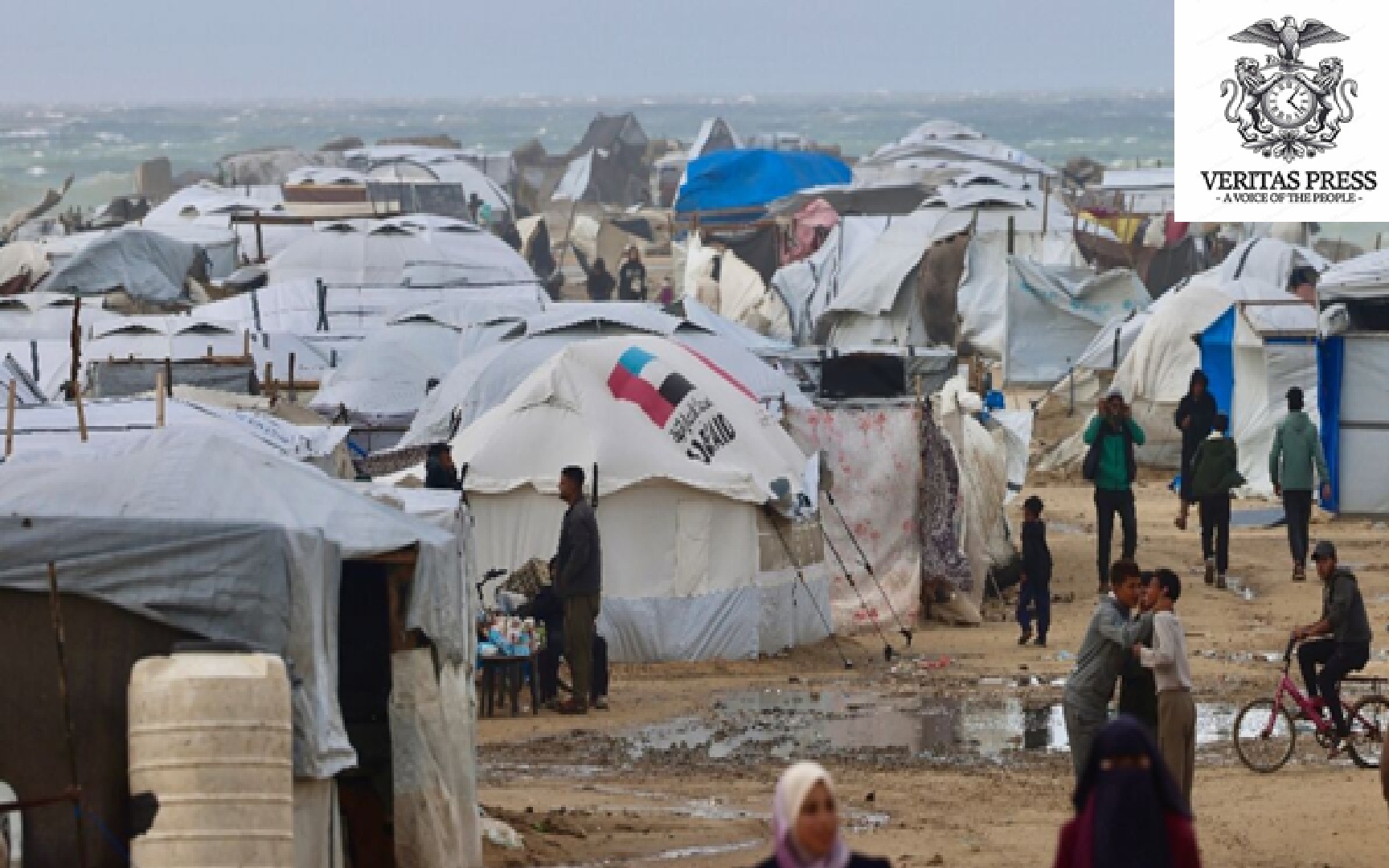
Among the demonstrators was Eylin, a Palestinian girl forcibly displaced by Israeli attacks, whose words captured the daily reality for hundreds of thousands of families surviving winter in makeshift shelters.
“We live in tents that offer no protection from heat or cold,” she told Anadolu Agency. “Children and people are dying because of disease, rodents and extreme cold. We want to rebuild our lives, and we need homes that will protect us.”
Local journalists and humanitarian workers describe infants shivering through the night, elderly residents suffering respiratory illness, and families forced to burn scraps of plastic or debris for warmth. UNICEF has repeatedly warned that children in Gaza face a heightened risk of hypothermia and disease due to prolonged exposure, malnutrition and lack of shelter.
A Gaza-based aid worker told Al Jazeera that “winter has turned displacement into a death sentence,” noting that many tents have collapsed under rain and wind, leaving families exposed to freezing conditions.
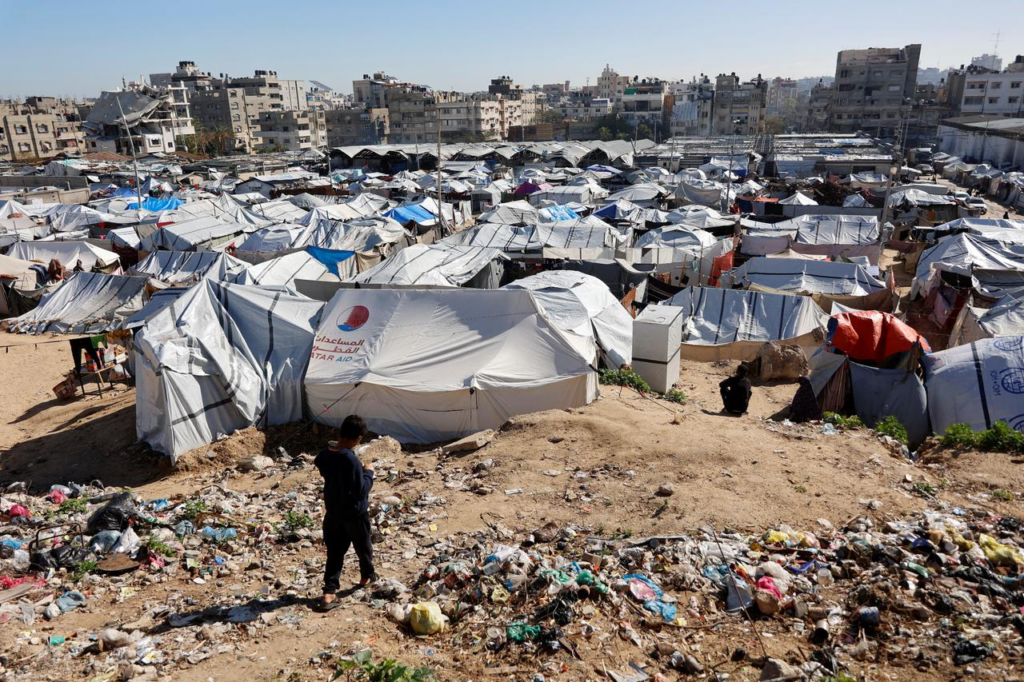
A child walks past garbage towards tent shelters housing displaced Palestinian families are set-up on empty land in Gaza City on Jan. 11, 2026. (AFP Photo)
Environmental Collapse: Waste, Disease And Public Health Breakdown.
Health officials say Gaza is now facing an environmental disaster layered atop a humanitarian one. Said Akluk, an official with Gaza’s Health Ministry, said waste collection mechanisms have effectively collapsed across the territory.
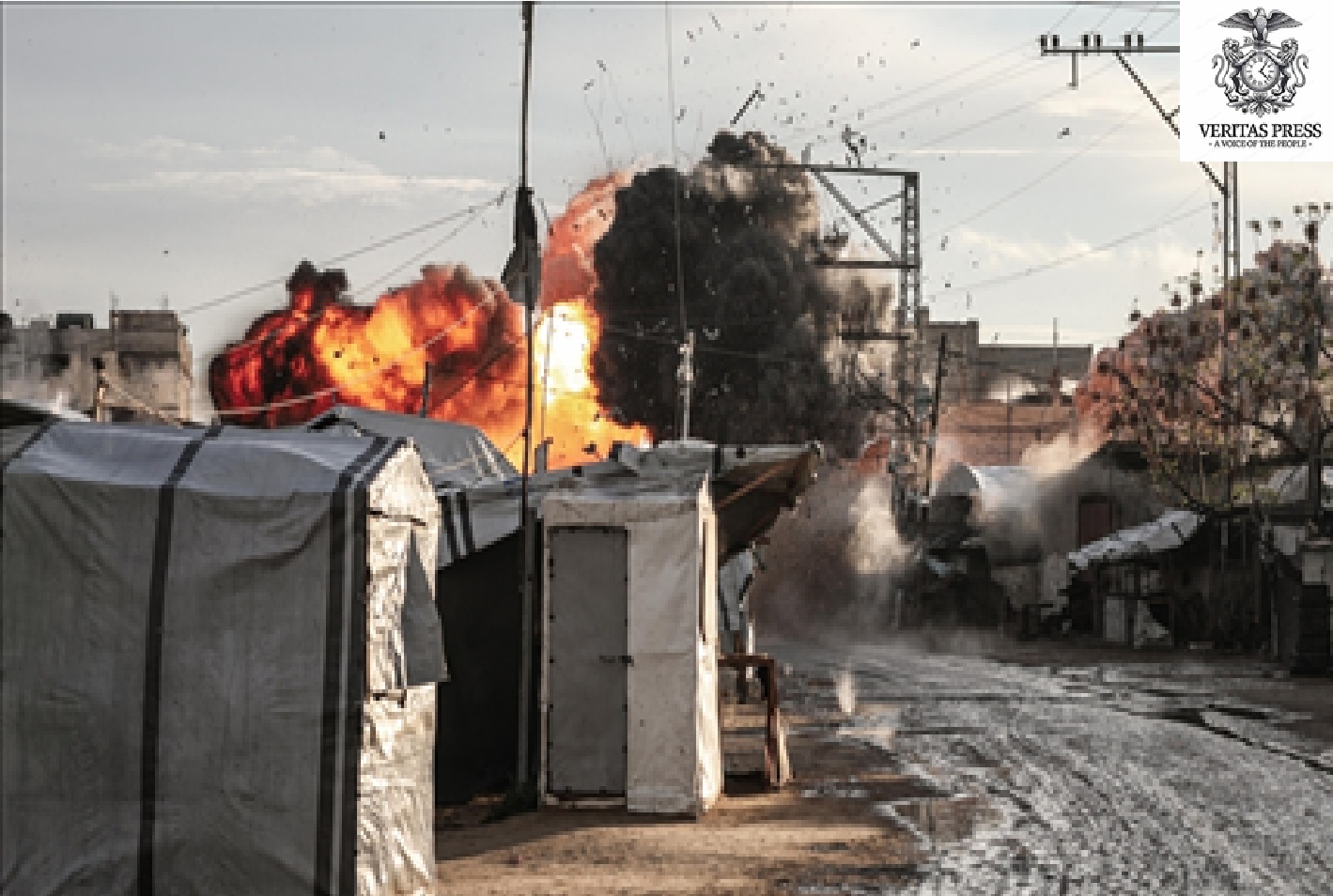
Ongoing Israeli attacks and access restrictions, he explained, have made it impossible to transport garbage to landfills outside residential areas under hygienic conditions. As a result, waste piles up next to tents and crowded camps, accelerating the spread of infectious diseases.
“The tents do not meet even the minimum hygiene standards,” Akluk said, warning of rising skin infections, respiratory illnesses and gastrointestinal disease.
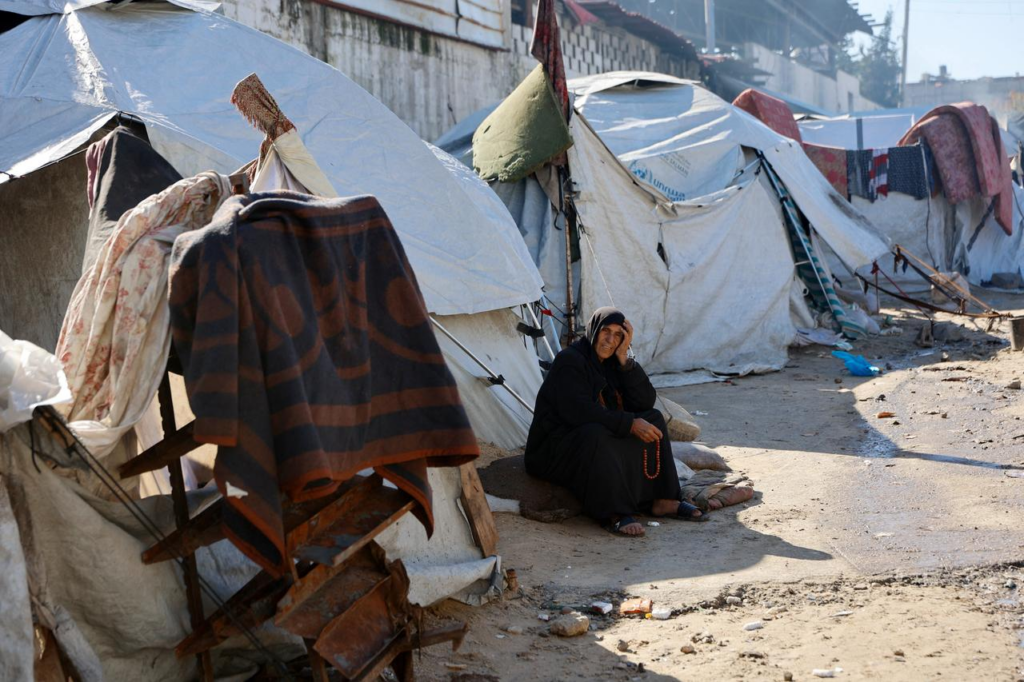
A displaced Palestinian woman rolls her pray beads as she sits outside a family tent shelter set-up in Gaza City on Jan. 11, 2026. (AFP Photo)
Rodents and insects have multiplied rapidly after Israel banned the entry of pest control products, he added, while authorities have received growing reports of stray animal attacks, particularly involving children. Public health experts warn that the convergence of overcrowding, waste accumulation and weakened immunity could trigger large-scale outbreaks.
Winter Deaths: Preventable Tragedies.
Since the beginning of winter, at least 21 Palestinians have died from exposure to cold, according to health officials, a figure humanitarian organisations say is likely an undercount. Hospitals and NGOs report that infants and young children are among the dead, many succumbing not to direct bombardment, but to exposure, respiratory illness and untreated infections.
A UNICEF representative previously warned that “children are now freezing to death,” describing conditions that violate the most basic standards of civilian protection. Human rights groups argue these deaths are not natural disasters, but the foreseeable result of siege, displacement and blocked humanitarian access.
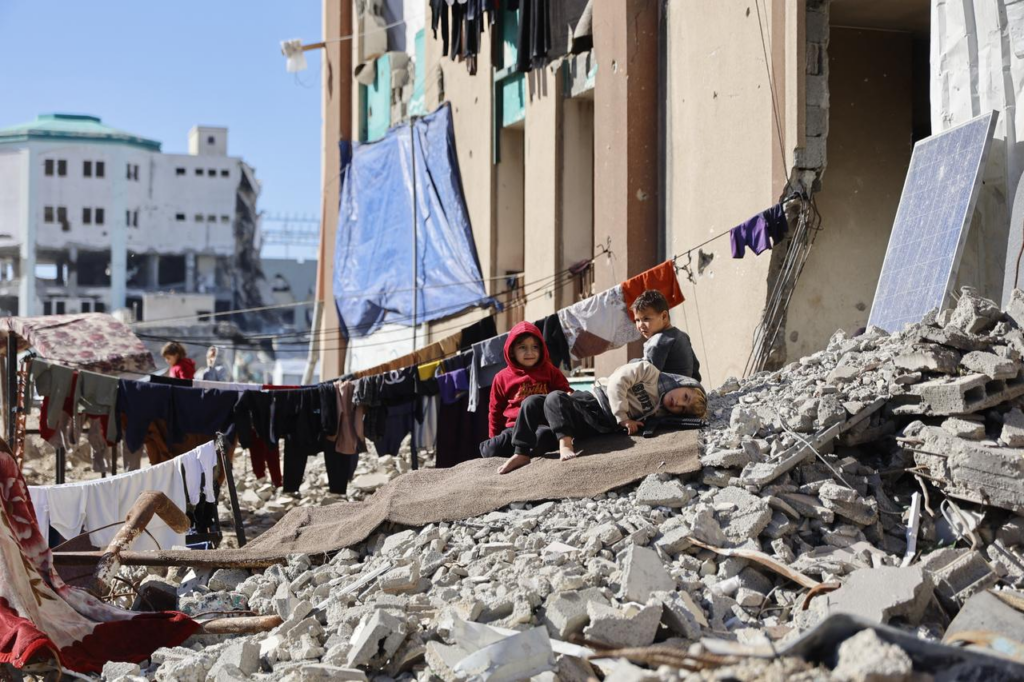
Laundry hangs on lines strung across the rubble of destroyed buildings where displaced Palestinian families set-up their home shelters, in Gaza City on Jan. 11, 2026. (AFP Photo)
Ceasefire In Name Only: Aid Still Restricted.
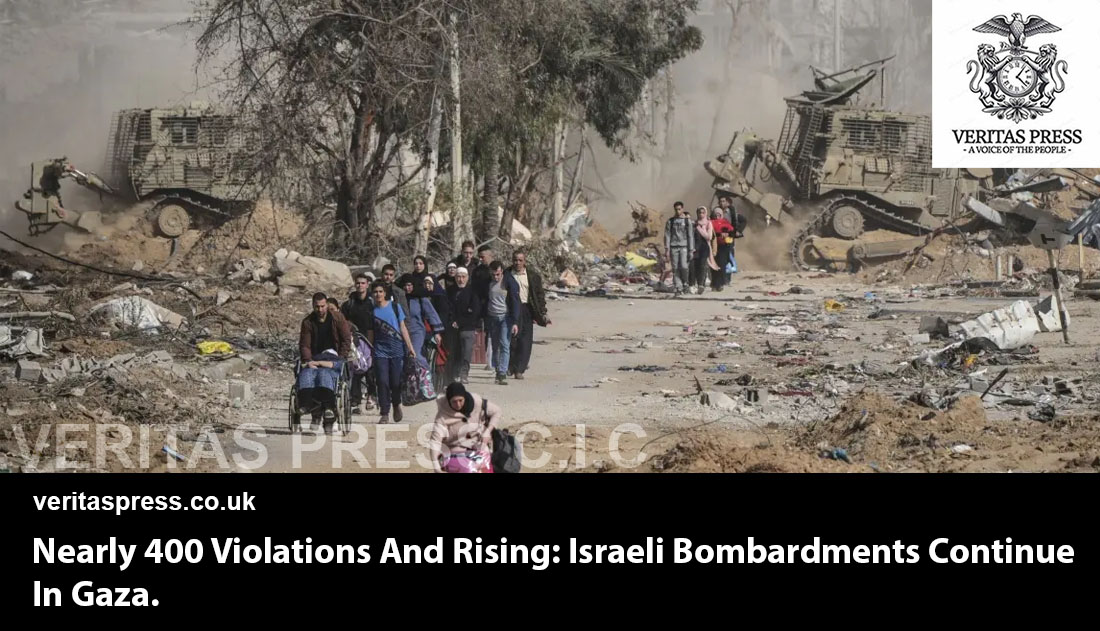
Despite the ceasefire agreement that took effect on October 10, 2025, Gaza’s Government Media Office says Israel has continued violations while sharply restricting the entry of humanitarian aid, shelter materials, fuel and medical supplies.
“Hundreds of thousands of Palestinians are struggling to survive in makeshift tents with no protection from severe cold, rain and wind,” the office said in a statement. “Infants and children are facing life-threatening risks due to the lack of shelter, healthcare and heating.”
International organisations, including OCHA and the Norwegian Refugee Council, have confirmed that shelter aid entering Gaza remains far below minimum needs, even months after the ceasefire. NRC officials warned that without an immediate surge of materials, winter would claim lives, a warning now borne out by rising cold-related deaths.
Aid Under Siege: NGO Restrictions And Political Barriers.
Humanitarian groups say the crisis is being deepened by new Israeli restrictions on international NGOs and aid workers. According to Reuters, dozens of foreign aid organisations now face suspension or expulsion unless they comply with stringent registration and vetting requirements.
Aid officials warn these measures threaten to dismantle already fragile delivery networks. “It’s not just about trucks crossing borders,” one NGO director told Reuters. “It’s about doctors, engineers and coordinators who make aid work. Without them, people die.”
Legal experts argue that conditioning humanitarian access violates Israel’s obligations under international humanitarian law, particularly the duty to ensure the welfare of an occupied civilian population.
Structural Catastrophe, Not Temporary Crisis:
Analysts stress that Gaza’s humanitarian emergency is not a short-term aftermath of war, but a structural collapse driven by prolonged blockade, destruction of infrastructure, and political decisions that restrict reconstruction and relief.
A Middle East policy analyst in London said Gaza is “being pushed into managed destitution,” where survival depends on limited aid rather than meaningful rebuilding. “Ceasefires that do not allow reconstruction, sanitation systems or free humanitarian access merely pause the killing, they do not end it,” he said.
UN food security experts warn that one in five Palestinians in Gaza still faces starvation, while health systems operate at a fraction of pre-war capacity.
International Law Under Strain: Civilian Protection And Collective Punishment.
Human rights lawyers and international law experts say the conditions driving Sunday’s protest raise grave questions about war crimes and violations of international humanitarian law (IHL). Under the Fourth Geneva Convention, an occupying power is obligated to ensure the provision of food, medical care, sanitation and shelter to the civilian population. Legal experts argue that the sustained restriction of humanitarian aid, shelter materials, fuel, sanitation equipment and pest control products constitutes collective punishment, explicitly prohibited under Article 33 of the Convention.
A senior legal adviser with an international human rights organisation told reporters that the deaths of civilians from cold, disease and exposure are not accidental. “When a population is forcibly displaced, denied adequate shelter, and prevented from accessing humanitarian relief, the resulting deaths are legally attributable,” the adviser said. “These are foreseeable consequences of policy, not acts of nature.”
The UN Special Rapporteur on the situation of human rights in the occupied Palestinian territory has repeatedly warned that Israel’s conduct in Gaza may amount to war crimes and crimes against humanity, including forcible transfer, persecution and the deliberate creation of life-threatening conditions. Rights groups say the post-ceasefire restrictions reinforce these findings rather than mitigate them.
Ceasefire Without Protection: Legal Obligations Ignored.
International humanitarian law does not suspend during ceasefires. On the contrary, legal scholars note that ceasefires heighten the obligation to allow rapid and unimpeded humanitarian access. The continued obstruction of aid following the October 10, 2025, ceasefire, analysts say, may itself constitute an independent violation of IHL.
The International Committee of the Red Cross (ICRC) has stressed that parties to a conflict must “ensure the basic survival needs of the civilian population,” including shelter and protection from the elements. Legal observers argue that allowing infants to freeze to death in displacement camps represents a clear failure to uphold these duties.
In January, a coalition of Palestinian and international human rights organisations submitted documentation to international bodies detailing deaths from exposure, sanitation collapse and disease outbreaks, arguing these form part of a broader pattern of deliberate deprivation.
ICJ Scrutiny And The Question Of Accountability:
The unfolding humanitarian collapse is occurring under the shadow of ongoing proceedings at the International Court of Justice (ICJ), where Israel is subject to provisional measures under the Genocide Convention. In its January 2024 order, the Court required Israel to “take all measures within its power to prevent the commission of all acts within the scope of Article II of the Genocide Convention” and to “enable the provision of urgently needed basic services and humanitarian assistance” to civilians in Gaza.
Legal scholars argue that the continued deaths of civilians from cold, disease and deprivation, months into a ceasefire, raise serious questions about Israel’s compliance with those binding orders. “When shelter materials, heating fuel and sanitation supplies are still blocked while children freeze to death, it is extremely difficult to argue that humanitarian assistance is being ‘enabled’ in any meaningful sense,” said a former ICJ legal adviser cited by regional media.
Civil society organisations have submitted affidavits and field documentation to international bodies detailing winter deaths, sanitation collapse and the obstruction of aid, arguing these conditions constitute evidence of non-compliance with ICJ measures and reinforce allegations of genocidal acts through the creation of life-threatening conditions.
UN Special Rapporteurs: ‘Conditions Calculated To Destroy Life’.
UN Special Rapporteurs have repeatedly warned that Gaza’s humanitarian catastrophe is not incidental, but the result of deliberate policies. Francesca Albanese, the UN Special Rapporteur on the situation of human rights in the occupied Palestinian territory, has stated that Israel’s conduct in Gaza reflects “a pattern of violence and destruction that appears calculated to destroy life itself.”
In multiple briefings and reports, Albanese has warned that the denial of shelter, food, water and medical care may amount to genocidal conduct under international law. “Genocide is a process, not an event,” she said in a widely cited intervention. “What we are witnessing in Gaza is the systematic destruction of the conditions necessary for life.”
Other UN mandate holders, including Special Rapporteurs on the right to food, health and adequate housing, have echoed these concerns. In a joint statement, they warned that the blocking of humanitarian aid, combined with mass displacement and exposure to the elements, constitutes “collective punishment of a civilian population,prohibited under international humanitarian law.”
Human rights experts have further stressed that a ceasefire does not absolve legal responsibility. “Ceasefires do not suspend international law,” Albanese said in a recent media interview. “They heighten the obligation to protect civilians and allow life-saving assistance. When this does not happen, accountability must follow.”
Protest As Legal And Moral Indictment:
Sunday’s protest was not only a humanitarian plea but a legal indictment, a public record of civilian suffering under conditions that international law was designed to prevent. Demonstrators warned that without unrestricted humanitarian access, restoration of sanitation systems, and genuine reconstruction, Gaza faces prolonged humanitarian collapse even in the absence of active bombardment.
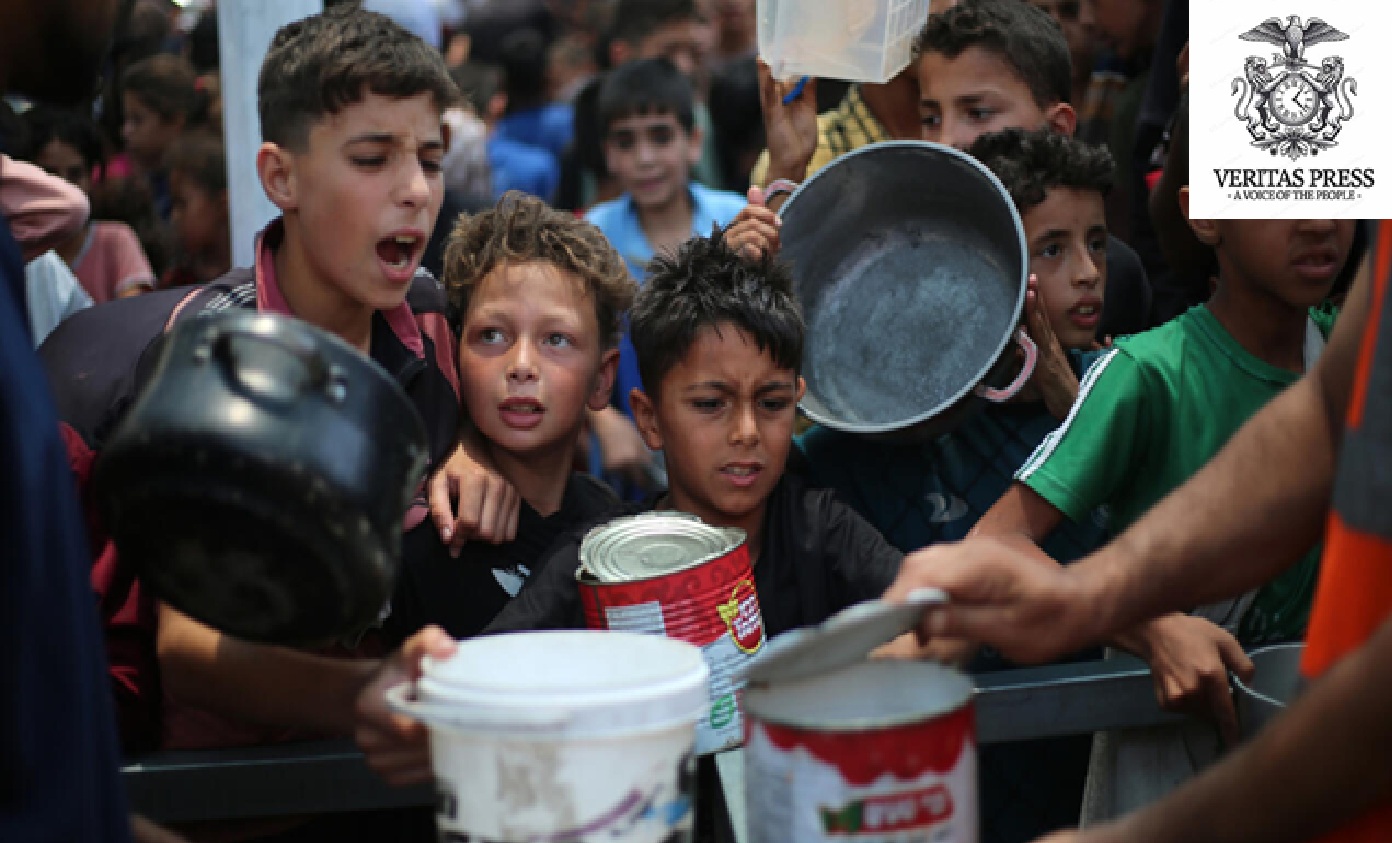
As children stood among the protesters holding signs calling for dignity and safety, their presence underscored a central legal truth: civilian protection is not optional, and ceasefires do not absolve occupying powers of responsibility.
For Gaza’s displaced families, the demand is no longer simply for aid, but for accountability, and for international law to be enforced not in courtrooms alone, but on the ground where lives continue to be lost to cold, disease and enforced deprivation.
Kamran Faqir is a volunteer investigative journalist and writer committed to exposing hidden truths and amplifying underreported stories. Driven by social justice, he brings sharp insight and fearless truth-telling to independent journalism. NUJ registered.
SEATTLE, TEHRAN — The U.S. Department of Homeland Security (DHS) will allow Iran’s national football team to enter the country 48 hours before their critical World Cup match against Egypt on Friday, a modest concession in a tournament where Team Melli’s travel conditions have sparked claims of oppression and competitive disadvantage.