Kamran Faqir is a volunteer investigative journalist and writer committed to exposing hidden truths and amplifying underreported stories. Driven by social justice, he brings sharp insight and fearless truth-telling to independent journalism. NUJ registered.
Title: ‘My Chest Tightened’: A Gaza Doctor’s Return To A System Destroyed, Medics, Law, And Human Catastrophe.
Press Release: Veritas Press C.I.C.
Author: Kamran Faqir
Article Date Published: 12 Jan 2026 at 12:25 GMT
Category:Middle East | Palestine-Gaza-West Bank-OPT | ‘My Chest Tightened’: A Gaza Doctor’s Return To A System Destroyed, Medics, Law, And Human Catastrophe.
Source(s): Veritas Press C.I.C. | Multi News Agencies
“Dr Ahmed Muhanna, one of the country’s most senior emergency care consultants, says the scale of destruction he saw on his release brought him to tears”
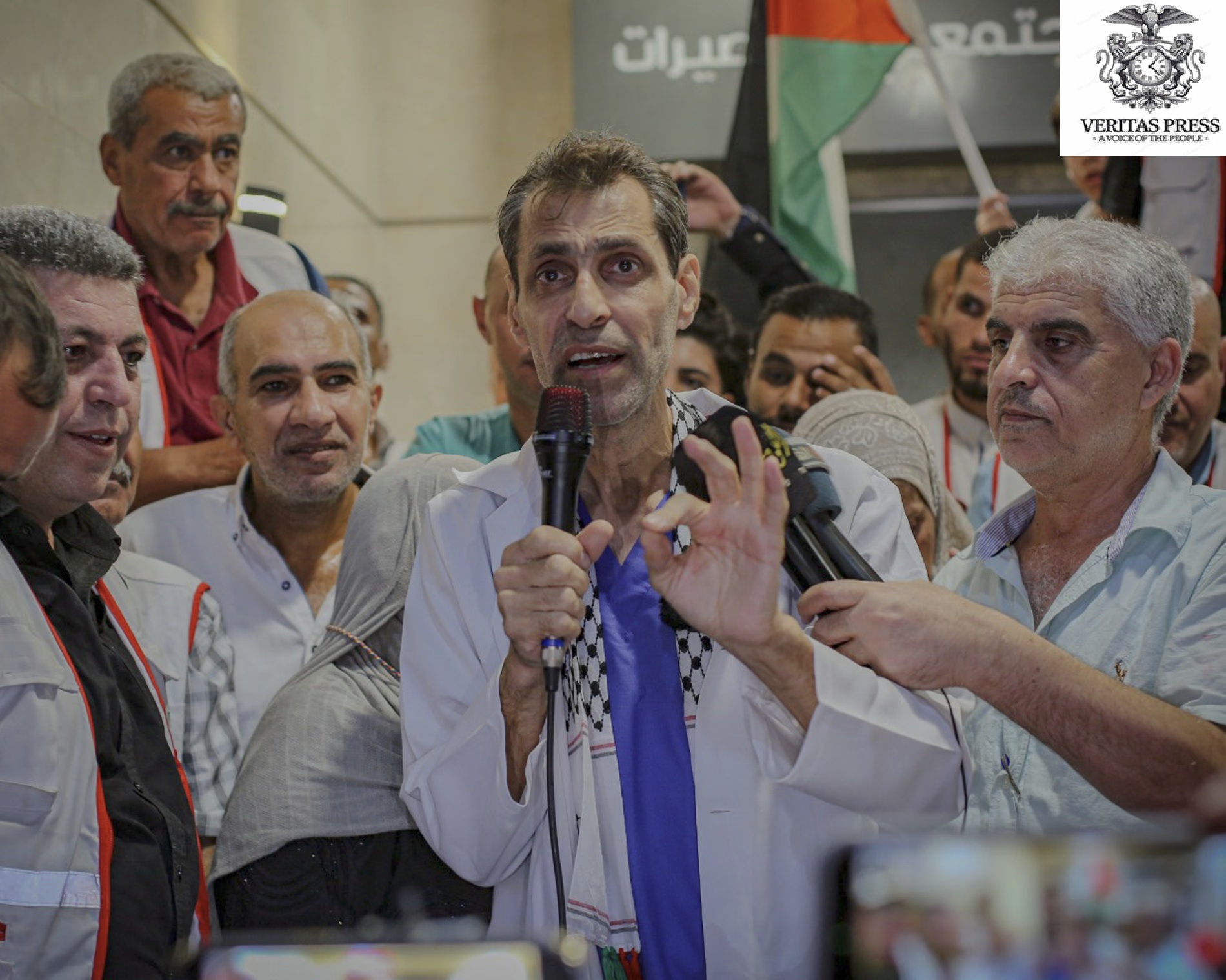
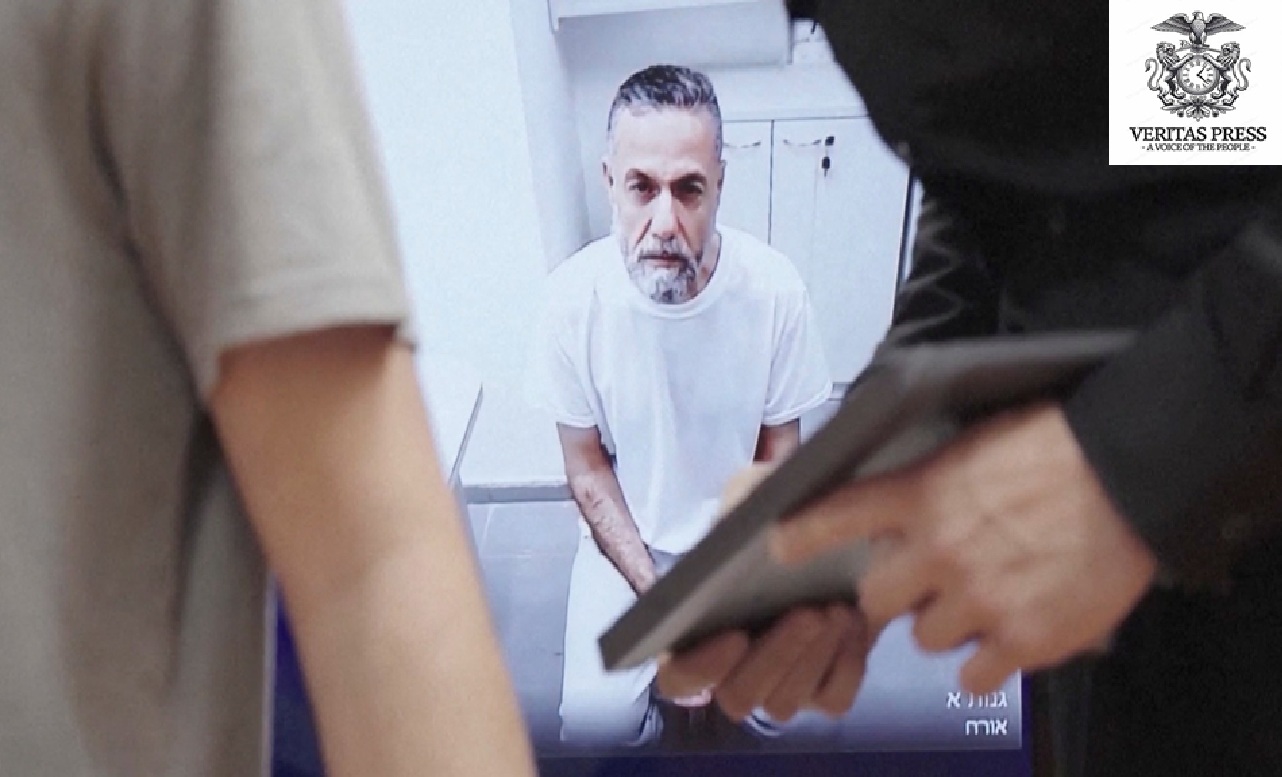
GAZA CITY, 12 January 2026 — After 665 days in Israeli detention, Dr Ahmed Muhanna, one of Gaza’s most senior emergency care consultants, returned to a scene of utter destruction, not just of buildings, but of an entire healthcare ecosystem. What confronted him at al-Awda Hospital was not simply damage from war: it was the collapse of medicine itself.
“My skin crawled… my chest tightened, and my tears began to flow,” he told The Guardian on his first visit back.
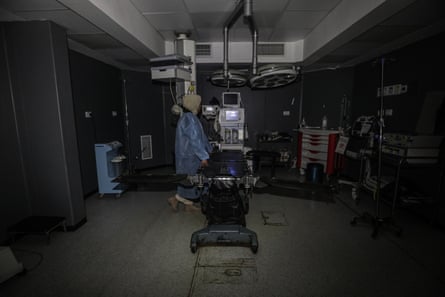
In December 2025, al-Awda Hospital suspended medical services after the closure of border crossings meant there was too little fuel to run its electric generators. Photograph: Anadolu/Getty
In December 2025, al-Awda Hospital suspended medical services after the closure of border crossings meant there was too little fuel to run its electric generators. Photograph: Anadolu/Getty
In December 2025, al-Awda Hospital suspended medical services after the closure of border crossings meant there was too little fuel to run its electric generators. Photograph: Anadolu/Getty
Doctors like Muhanna, trained to save lives, now find themselves in daily confrontation with what leading analysts call systematic medical erasure.
Devastation Beyond The Battlefield:
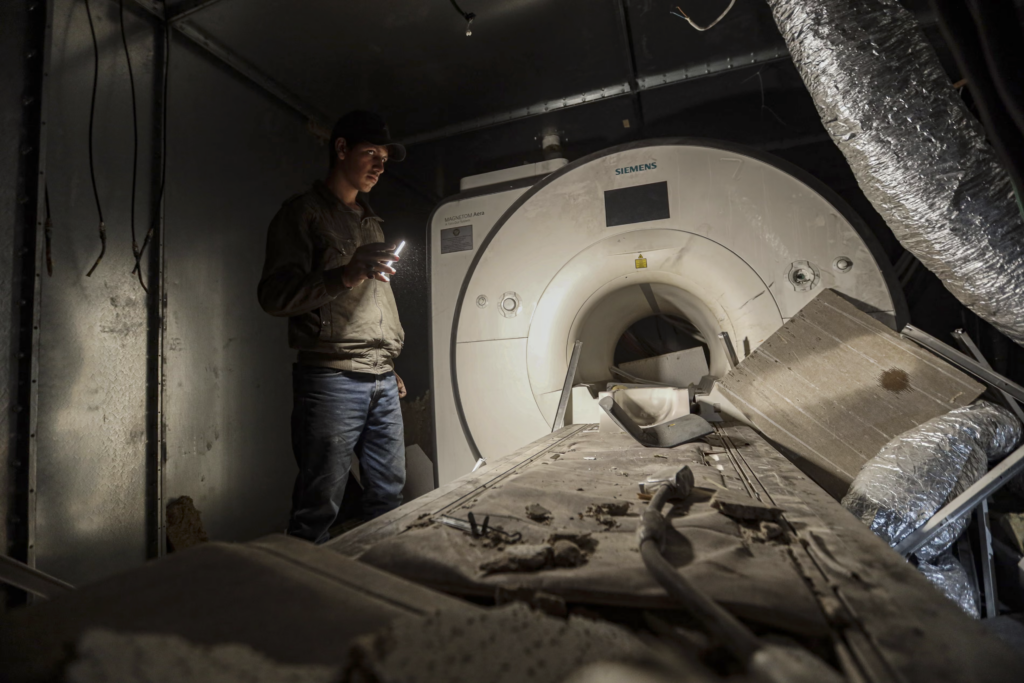
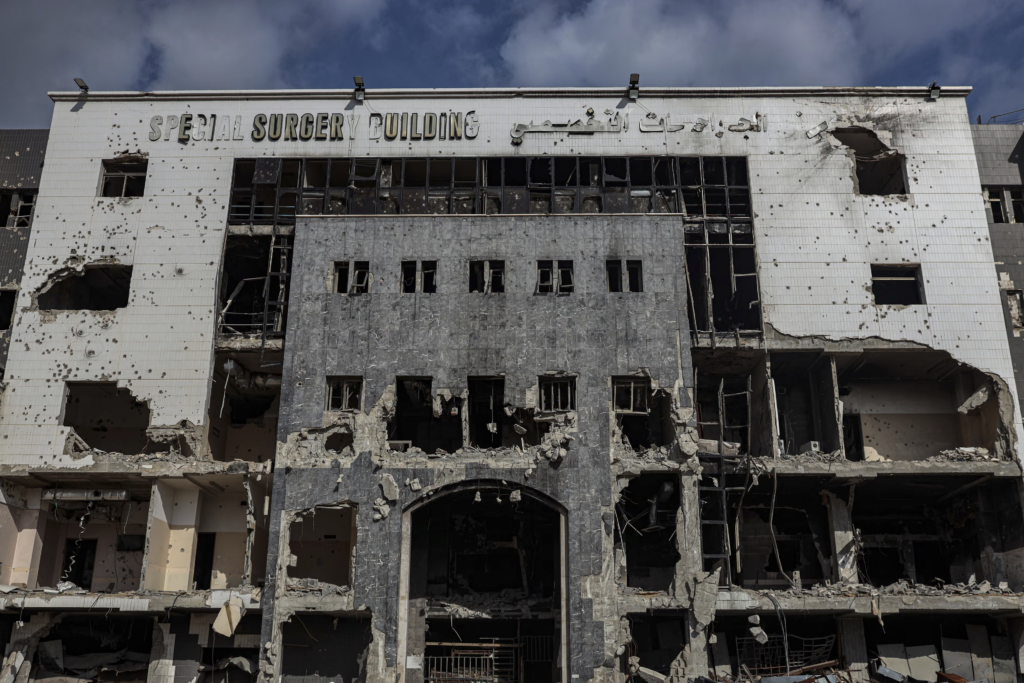
When Muhanna returned, almost all hospital departments lay in ruins. Essential diagnostic machines, once the backbone of emergency medicine, were gone. Gaza now has no functioning MRI machines and only one CT scanner for more than two million people.
The destroyed MRI scanner in al-Shifa hospital. Photograph: APAImages/Shutterstock
The World Health Organisation (WHO) confirms that only 19 of Gaza’s 36 hospitals remain operational, struggling with supply shortages and ongoing attacks.
Doctors describe scenes that transcend typical war damage:
Operating without anaesthesia,
Improvised wards in warehouses,
Dialysis and oncology treatments have been halted indefinitely.
“Long gone are the days when we could diagnose, treat, and save,” said one Gaza surgeon speaking on condition of anonymity. “Now we are matchsticks against a hurricane.”
Al-Shifa hospital in Gaza last month. It no longer has an MRI machine, after the Israeli army destroyed it along with most of its other equipment. Photograph: APAImages/Shutterstock
A Systematic Assault On Healthcare, Terminology Matters:
International human rights experts are no longer hesitant to describe what has happened to Gaza’s medical system as not merely collateral damage, but as deliberate and systematic destruction:
UN Special Rapporteurs described the targeted dismantling of Gaza’s healthcare as “medicide” — the intentional elimination of medical care as a method of weakening and destroying a population.
Human Rights Watch (HRW) found that Israeli forces occupied hospitals, denied water and electricity, expelled patients and staff, and destroyed facilities in ways that constitute war crimes under international humanitarian law.
A UN Human Rights Office report documented repeated attacks that pushed Gaza’s health system to the brink of collapse with “blatant disregard for international humanitarian and human rights law.”
According to the Geneva Conventions and customary international law, hospitals, medical personnel, and ambulances are protected at all times unless they are used for combat purposes, conditions that independent investigations often find unverified or mischaracterised.
“Deliberate Conditions Of Life Calculated To Destroy”:
In December 2024, Human Rights Watch concluded that the destruction of essential infrastructure, including healthcare, water, and sanitation, amounted to policies likely creating conditions of life calculated to bring about the destruction of part of the population. Such conduct meets elements of the crime of extermination under the Rome Statute of the International Criminal Court.
“Israeli authorities’ intentional destruction of and rendering useless objects indispensable to the survival of the civilian population… and the obstruction of humanitarian aid amounts to war crimes.” — Human Rights Watch.
Multiple UN agencies have similarly conveyed that attacks on medical infrastructure and denial of aid access are violations of international humanitarian law (IHL) that demand accountability and judicial scrutiny.
Arrests, Torture, And The Targeting Of Medical Workers:
Dr Muhanna’s testimony about torture and deprivation aligns with documented patterns:
UN OHCHR has stated that Israel’s arbitrary detention and ill-treatment of healthcare workers has had a “catastrophic impact” on care delivery.
According to The Guardian and healthcare research groups, dozens of doctors and nurses were detained under military laws granting sweeping powers, often without charges or due process, with many reporting torture, beatings, and intentional harm while incarcerated.
World Health Organisation Director-General Dr Tedros Adhanom condemned the detention of health personnel and urged their immediate release under the Geneva Convention protections for medical staff.
The arbitrary detention and mistreatment of doctors, based on their profession rather than any violent conduct, constitutes a violation of the Geneva Conventions’ protections for medical personnel and intersects with prohibitions against enforced disappearance and torture under international law.
Blocked Aid And NGO Restrictions:
Despite the ceasefire, Israel has restricted medical and humanitarian aid, impeding the entry of essential medicines, nutritional supplies, and fuel. According to Reuters, foreign medical staff have been barred from entry unless NGOs comply with new registration rules, affecting groups such as Médecins Sans Frontières and others, threatening critical services for trauma care, malnutrition, and emergency response.
Gaza’s health authorities warn of healthcare collapse amid severe medication shortages and disruptions to payments for local health workers, risks that NGOs and UN bodies say violate the obligation to ensure humanitarian access.
Voices From The Field:
Doctors and medical organisations worldwide have condemned the removal of safeguards and targeting of medical infrastructure:
The British Medical Association decried the devastation of health facilities and the arbitrary detention and torture of medical professionals as illegal under international law.
A coalition of health workers internationally described the destruction and blockade as war crimes and indicative of genocidal intent, highlighting forced starvation, blocked aid, and the collapse of clinical services.
Frontline medics have spoken openly about improvising surgeries without pain relief, lack of electricity, and makeshift treatment tents, scenes that echo the collapse of medical neutrality.
Legal Framework: War Crimes, Crimes Against Humanity, And Genocide.
The international legal framework relevant here includes:
1. Geneva Conventions (IHL):
Protected status for hospitals & medical personnel
Prohibitions against attacks on civilian medical facilities unless used for combat
Obligations to facilitate humanitarian aid and protect health systems
2. Rome Statute (ICC):
War crimes: intentional attacks on hospitals and medical staff not engaged in hostilities.
Crimes against humanity: widespread and systematic attacks against civilians, including deprivation of access to food and medicine.
Extermination: intentional infliction of conditions of life calculated to destroy part of a population.
3. UN Genocide Convention:
Deliberate actions intended to destroy, in whole or in part, a national, ethnical, racial, or religious group — language invoked by Palestinian authorities and NGOs based on the destruction of societal foundations, including healthcare.
Multiple independent bodies, including UN special rapporteurs and human rights organisations, have assessed that actions contributing to starvation, denial of care, and healthcare system dismantling may fulfil the criteria of genocidal conduct, even absent direct extermination orders.
The Human Toll And The Future Of Care:
Dr Muhanna summarised what many survivors express:
“There is no future for my children here… Gaza used to have life, restaurants, beaches. Now there is nothing left.”
What he and his colleagues witness every day, the untreated cancer patients, the dying children from preventable diseases, the hospitals reduced to rubble, is not just a medical disaster, but a structural destruction of civilian life itself.
As international legal bodies prepare further investigations, the deteriorating health situation in Gaza highlights a sobering reality: a healthcare system under erasure becomes a society under erasure.
Conclusion: When Medicine Is Destroyed, Survival Becomes A Crime.
Dr Ahmed Muhanna’s return to Gaza is not simply the story of a doctor coming home after unlawful detention. It is an indictment of a system that has transformed healthcare into a battlefield and survival itself into an act of defiance. What he encountered at al-Awda Hospital, empty wards, dead colleagues, missing machines, and starving patients, is not an accidental byproduct of war. It is the foreseeable and documented outcome of deliberate policy choices.
The evidence is overwhelming. Hospitals were not merely damaged but systematically disabled. Medical workers were not incidentally detained but targeted, disappeared, and tortured. Aid was not delayed by logistical chaos but obstructed by bureaucratic and military controls. The result is a population deprived of the most basic conditions necessary to sustain life, food, medicine, clean water, and care, precisely the elements international law identifies as indispensable to civilian survival.
Under the Geneva Conventions, the targeting of medical facilities and personnel constitutes a grave breach. Under the Rome Statute, the intentional destruction of healthcare infrastructure, combined with the denial of humanitarian assistance, meets the threshold for war crimes and crimes against humanity, including extermination. Under the Genocide Convention, the deliberate infliction of conditions of life calculated to bring about the physical destruction of a people, by dismantling the systems that keep them alive, demands urgent legal scrutiny.
This is not an abstract legal debate. It is visible in the bodies of malnourished children, in cancer patients dying without treatment, in dialysis patients turned away because machines no longer exist. It is visible in doctors like Muhanna, trained to heal yet forced to watch preventable deaths unfold daily. The destruction of Gaza’s healthcare system has not only multiplied mortality; it has stripped medical professionals of the ability to practice medicine itself.
What makes this moment historically significant is not only the scale of devastation but the degree of documentation. United Nations agencies, international medical organisations, human rights groups, journalists, and frontline clinicians have produced a consistent and corroborated record. The question is no longer whether violations occurred, but whether international institutions will act on their own findings.
Silence and inaction do not constitute neutrality. They constitute acquiescence.
If accountability fails, the message sent is clear: that hospitals can be bombed, doctors imprisoned, patients starved, and an entire health system erased without consequence. Such a precedent does not remain confined to Gaza. It reshapes the global rules governing war, medicine, and civilian protection.
Dr Muhanna continues to work not because the system supports him, but because abandonment would mean surrendering to a logic that treats Palestinian life as expendable. His endurance, and that of Gaza’s remaining health workers, stands in stark contrast to the international community’s failure to uphold the laws it claims to defend.
When medicine is destroyed, survival becomes criminalised. And when the world allows that destruction to continue, it is not merely witnessing a humanitarian catastrophe; it is participating in the erosion of the very principles meant to prevent one.
Kamran Faqir is a volunteer investigative journalist and writer committed to exposing hidden truths and amplifying underreported stories. Driven by social justice, he brings sharp insight and fearless truth-telling to independent journalism. NUJ registered.
SEATTLE, TEHRAN — The U.S. Department of Homeland Security (DHS) will allow Iran’s national football team to enter the country 48 hours before their critical World Cup match against Egypt on Friday, a modest concession in a tournament where Team Melli’s travel conditions have sparked claims of oppression and competitive disadvantage.