Kamran Faqir is a volunteer investigative journalist and writer committed to exposing hidden truths and amplifying underreported stories. Driven by social justice, he brings sharp insight and fearless truth-telling to independent journalism. NUJ registered.
Title: Palestinians Killed As Israeli Raids Strike Areas Under Ceasefire Agreement
Press Release: Veritas Press C.I.C.
Author: Kamran Faqir
Article Date Published: 11 Jan 2026 at 11:30 GMT
Category: Middle East | Palestine-Gaza-West Bank-OPT | Palestinians Killed as Israeli Raids Strike Areas Under Ceasefire Agreement
Source(s): Veritas Press C.I.C. | Multi News Agencies
Israeli air, artillery and naval attacks intensify across Gaza as hundreds have been killed since the October truce.
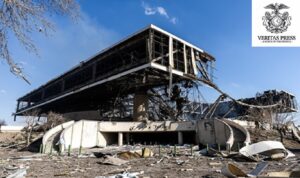
Israeli forces have carried out a new wave of airstrikes, artillery shelling and naval bombardment across the Gaza Strip, killing and wounding Palestinians in what local authorities and witnesses describe as systematic violations of the ceasefire agreement that came into force in mid-October 2025. The attacks have struck areas that, under the terms of the agreement, were meant to be either withdrawn from or frozen under Israeli military control, raising mounting questions over whether the truce is being used as cover for territorial consolidation and continued population displacement.
Deadly Raids Despite Ceasefire:
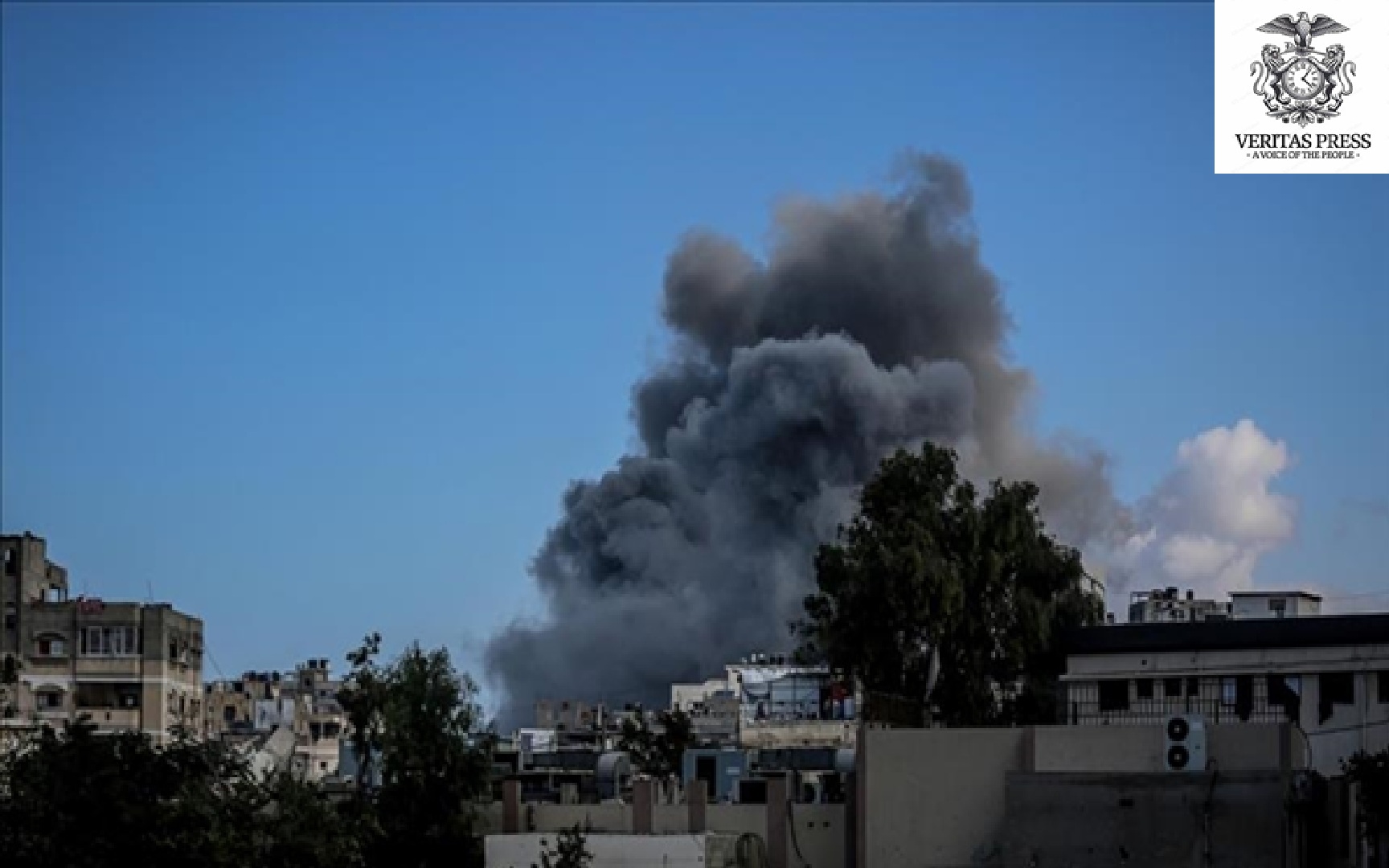
Israeli aircraft launched a series of airstrikes early Sunday targeting multiple locations across the enclave, including areas east of Rafah and Khan Younis in southern Gaza, the Al-Bureij refugee camp in central Gaza, and neighbourhoods in Gaza City. These raids followed similar attacks on Saturday in which Israeli fire killed Palestinians and wounded several others in different parts of the Strip.
Medical sources confirmed that at least three Palestinians were killed overnight into Sunday and seven others wounded in separate attacks, marking the latest fatalities under what Palestinians describe as a “ceasefire in name only.” Among the dead was a Palestinian man killed by an Israeli quadcopter strike while being transported to a hospital in Khan Younis. Two others were shot dead by Israeli gunfire east of the Zeitoun neighbourhood in southeastern Gaza City.
Artillery shelling and gunfire were also reported in the eastern areas of Tuffah and Zeitoun, while Israeli jets bombed locations in Jabalia and Beit Lahia in northern Gaza and eastern parts of the Bureij refugee camp. Israeli naval vessels fired shells toward northern coastal areas, some of which were supposed to have been vacated under the truce.
Israeli Army Admits Killings:
On Saturday, the Israeli occupation army acknowledged killing three Palestinians in separate incidents across southern and northern Gaza, claiming they posed an “immediate threat” to troops deployed in the field. According to a military statement, forces from the 188th Brigade’s combat team identified three Palestinians who crossed what Israel refers to as the “yellow line”, a demarcation imposed by Israeli forces inside Gaza under the ceasefire.
The army said the Israeli Air Force, guided by the brigade’s fire-control system, carried out an airstrike west of the yellow line, killing a man it described as a “militant.” In a separate incident in northern Gaza, Israeli forces claimed they detected several “armed men” approaching their positions, prompting troops to open fire and kill two Palestinians.
It remains unclear whether these admissions correspond to the same incidents reported by Palestinian medical sources. Gaza-based doctors and witnesses have repeatedly disputed Israeli claims that those killed posed imminent threats, noting that many of the attacks have occurred in evacuated or civilian areas where residents are attempting to return, retrieve belongings, or seek aid.
Strikes In Supposed Withdrawal Zones:
Eyewitnesses quoted by regional media reported that all the areas targeted by Israeli forces fall within zones from which Israel was supposed to have withdrawn or frozen operations under the ceasefire agreement. Despite this, Israeli airstrikes, artillery shelling and demolition operations have continued in areas designated as being under Israeli control according to the truce’s terms.
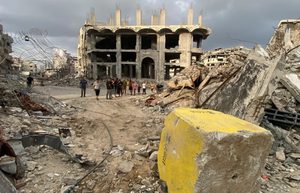
In northern Gaza, residents of Beit Lahia reported that Israeli forces detonated explosive-laden vehicles near the Sheikh Zayed roundabout, while further demolitions targeted homes near the Zayed intersection. Similar destruction was documented in residential blocks east of the Tuffah neighbourhood in Gaza City.
Al Jazeera correspondent Tareq Abu Azzoum, reporting from Gaza City, described what he called a “dizzying period of escalation,” with Israeli drones hovering constantly overhead and strikes extending beyond the agreed front lines. “There is a widescale flattening of buildings in Rafah, which has been under Israeli military control for two years, in Khan Younis, and in the Jabalia refugee camp,” he said. “These activities appear designed to expand areas under Israeli military control to be used as leverage in further negotiations in the second phase of the ceasefire agreement.”
“What we are documenting are demolitions and strikes in already evacuated civilian spaces,” Abu Azzoum added, “raising serious questions about whether this is security enforcement or territorial reshaping under the cover of the ceasefire.”
Mounting Death Toll Since October:
Since the ceasefire came into effect in October, Palestinian sources say Israel has committed hundreds of violations through airstrikes, shelling and live fire. According to the Gaza Ministry of Health, at least 439 Palestinians have been killed and more than 1,223 injured since the truce began, with dozens more bodies recovered from areas previously inaccessible due to destruction.
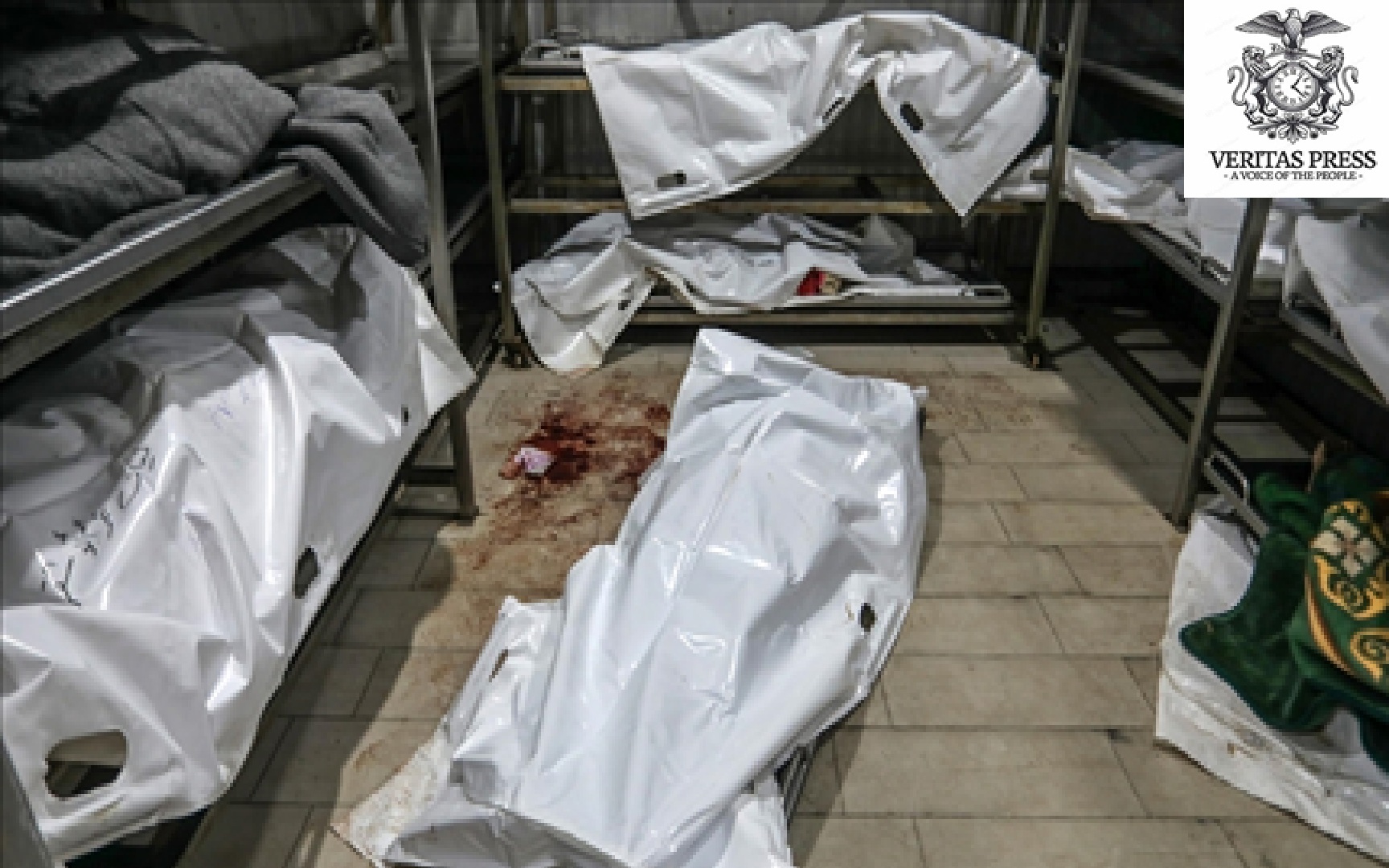
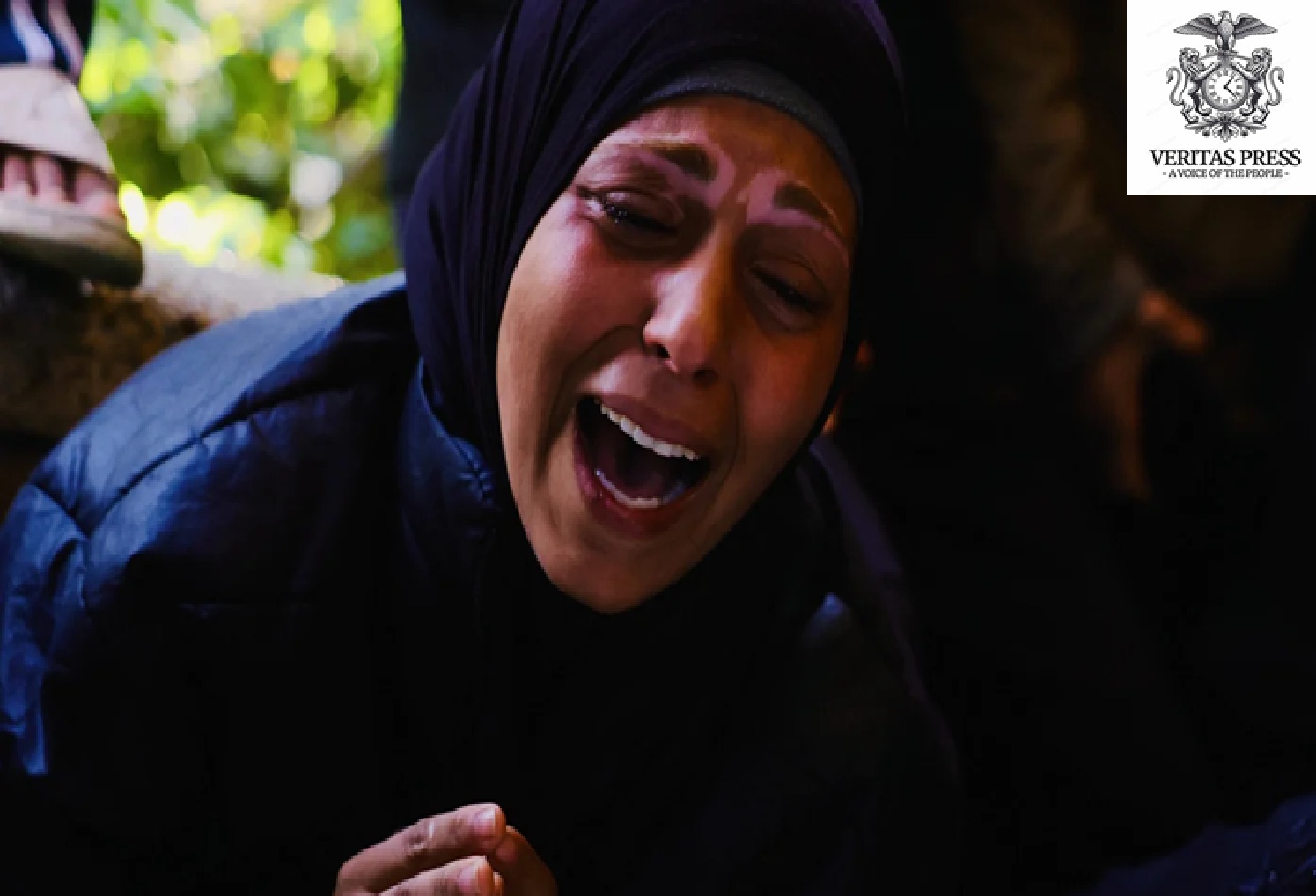
Funeral processions were held on Friday and Saturday for Palestinians killed in recent strikes, including ceremonies at Shifa Hospital in Gaza City, as Israeli military operations continued despite the agreement.
Since October 2023, Israel’s assault on Gaza has killed more than 100,000 Palestinians, the majority of them women and children, and wounded over 400,000 others. Nearly 80 percent of buildings across the Strip have been destroyed or damaged, according to the United Nations, leaving hundreds of thousands homeless.
Humanitarian Crisis Deepens Amid Winter Cold:
As military attacks persist, Gaza’s humanitarian situation continues to deteriorate sharply, exacerbated by severe winter weather and Israel’s ongoing blockade of essential supplies. On Saturday, a seven-day-old Palestinian infant, Mahmoud al-Aqraa, died from extreme cold in Deir el-Balah, medical sources confirmed. At least two children were reported to have died from cold-related causes in the past 24 hours alone, bringing the total number of children who have frozen to death this winter to fifteen.
Temperatures in Gaza have dropped to as low as 9 degrees Celsius (48 degrees Fahrenheit) at night. Hundreds of thousands of displaced Palestinians are living in makeshift tents constructed from thin canvas and plastic sheets, offering little protection from strong winds and rain.
The Gaza Civil Defence warned of an impending “catastrophe” as a low-pressure weather system caused widespread damage to temporary shelters, with thousands of tents either partially or completely destroyed. “What is happening is not a weather crisis, but a direct result of preventing the entry of building materials and disrupting reconstruction,” said Civil Defence spokesperson Mahmoud Basal. “People are living in torn tents and cracked houses without safety or dignity.”
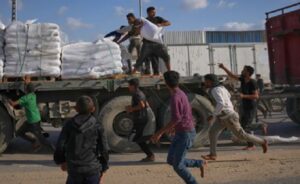
Despite provisions in the ceasefire requiring the facilitation of humanitarian aid, Israel continues to block or severely restrict the entry of tents, mobile homes and materials needed to repair shelters, actions that rights groups say violate both the truce and Israel’s obligations under international law as the occupying power.
Political Analysis: Ceasefire Erosion And Regional Consequences.
Politically, the steady collapse of the October ceasefire and the 21 Point Gaza Peace Plan reflects deeper structural flaws in the agreement itself. While marketed as a mechanism to halt hostilities and alleviate civilian suffering, the truce lacked independent monitoring, enforcement mechanisms, or penalties for violations, conditions that critics say allowed Israel to continue military operations while formally remaining within a ceasefire framework.
Analysts note that Israel has retained broad operational freedom inside Gaza, particularly within so-called buffer zones and areas under continued military control. Demolitions, airstrikes and the expansion of restricted zones have increasingly been interpreted as efforts to reshape Gaza’s geography and consolidate territorial control ahead of negotiations over a second phase of the ceasefire.
“This is not accidental drift,” said a regional analyst quoted by Al Jazeera. “What we’re seeing is the use of a ceasefire to entrench military gains and alter realities on the ground, while deferring meaningful political concessions.”
Palestinian factions and civil society groups have warned that ongoing violations risk rendering the agreement meaningless. Hamas officials have accused Israel of deliberately hollowing out the truce, while independent Palestinian analysts say the ceasefire has functioned as a form of containment and slow erasure rather than de-escalation.
Regionally, the continued violence in Gaza threatens to ignite wider instability. Armed groups aligned with Palestinian factions have repeatedly warned that sustained Israeli attacks could trigger escalation on other fronts, including southern Lebanon and the Red Sea theatre. Arab governments, meanwhile, face mounting public pressure over perceived complicity or inaction as images of destruction and humanitarian suffering continue to circulate.
Internationally, the failure to enforce the ceasefire has further eroded confidence in mediation efforts led by the United States and regional intermediaries. Diplomats and rights groups argue that the absence of accountability has emboldened Israel to operate with near‑total impunity, undermining prospects for a durable ceasefire or any credible political resolution.
As Gaza’s humanitarian crisis deepens and civilian casualties continue to mount, analysts warn that the current trajectory points not toward de-escalation, but toward a prolonged phase of managed, low-intensity warfare, one that entrenches occupation, fragments Palestinian society, and perpetuates regional instability under the guise of a failed truce.
Conclusion: A Ceasefire As Cover For Continued War.
What has unfolded in Gaza since October is not a breakdown of the ceasefire, but its exposure. The pattern of Israeli airstrikes, ground fire, demolitions and enforced deprivation points to a truce that has functioned less as a mechanism to protect civilians than as a political and military instrument to consolidate control, suppress Palestinian return, and manage violence below the threshold of full-scale war.
The evidence is cumulative and difficult to dismiss. Palestinians have been killed in areas designated for withdrawal. Homes and neighbourhoods have been flattened despite the absence of active hostilities. Civilians have been shot for crossing unilaterally imposed military lines inside their own territory. Infants have frozen to death not because of a natural disaster, but because an occupying power continues to block shelter, humanitarian aid and reconstruction while maintaining overwhelming control over Gaza’s borders and resources.
Taken together, these actions raise profound legal and moral questions. Human rights organisations, UN agencies, and legal experts have warned that the sustained use of lethal force against civilians, the destruction of property without military necessity, and the deliberate creation of unliveable conditions may amount to war crimes, and, in their cumulative effect, to crimes against humanity. The ceasefire has not halted these violations; it has coincided with them.
Politically, the failure to enforce the truce has laid bare the international community’s unwillingness to impose consequences for violations. Mediation efforts that lack accountability mechanisms have instead enabled impunity, allowing Israel to reshape realities on the ground while diplomats continue to speak the language of de-escalation. For Palestinians, this has translated into a grim reality: violence without war, death without headlines, and displacement without end.
Unless the ceasefire is fundamentally restructured to include independent monitoring, binding enforcement, and real protection for civilians, or unless accountability is pursued through international legal mechanisms, Gaza’s population will remain trapped in a cycle of managed destruction. What is being sustained is not peace, but a controlled continuation of war, in which civilian suffering is normalised, and legality is hollowed out under the guise of restraint.
As one Gaza-based analyst described it, the logic imposed on Palestinians is brutally simple: “You cease, we fire.” The phrase, increasingly used by activists and commentators to describe Israel’s conduct under the truce, encapsulates a reality in which Palestinians are expected to remain motionless, displaced, and silent, while Israeli forces retain the unilateral right to strike, demolish, and kill. Any movement, returning home, crossing a road, or seeking aid, is treated as provocation and punished with lethal force.
In this framework, the ceasefire does not function as a mutual cessation of violence, but as an asymmetric regime of control: one side frozen in submission, the other empowered to enforce dominance through calibrated force. For Palestinians in Gaza, the message has been unmistakable: Ceasefire does not mean safety, and silence offers no protection.
Beyond immediate military violence, Palestinian activists, legal scholars, and human rights organisations argue that these policies point to a broader intent of systematic erasure. This erasure is not limited to killing, but extends to the destruction of homes, the demolition of neighbourhoods, the prevention of return, the erasing of livelihoods, and the deliberate rendering of Gaza uninhabitable. As one Palestinian rights advocate put it, “When people are killed, starved, displaced, and denied the ability to rebuild, what is being erased is not only lives, but the possibility of remaining.”
Analysts note that the flattening of entire districts, the expansion of permanent buffer zones, and the sustained blockade on reconstruction are not incidental by-products of war, but policies that cumulatively remove Palestinians from the land, physically, socially, and politically. UN officials have repeatedly warned that the scale of destruction, combined with forced displacement and deprivation, risks amounting to forcible transfer, a grave breach of international law.
In this context, the ceasefire has functioned not as a pause toward recovery, but as a mechanism through which Israel advances a long-term project of control and erasure, reducing Gaza to a space of managed survival rather than a place where Palestinian life, society, and self-determination can endure.
Crucially, this process has been sustained through Israel’s continued and repeated violations of the ceasefire itself. Airstrikes, artillery fire, naval shelling, targeted killings, demolitions, and restrictions on civilian movement have persisted with near-daily regularity since the agreement came into force. Palestinian health officials, UN agencies, and international monitors have documented hundreds of such violations, underscoring that the erosion of the truce is not accidental or sporadic, but systematic.
By maintaining a state of constant military pressure while invoking the language of a ceasefire, Israel has effectively transformed the agreement into a tool of domination rather than de-escalation, one that shields ongoing violence from scrutiny while entrenching irreversible facts on the ground.
Kamran Faqir is a volunteer investigative journalist and writer committed to exposing hidden truths and amplifying underreported stories. Driven by social justice, he brings sharp insight and fearless truth-telling to independent journalism. NUJ registered.
SEATTLE, TEHRAN — The U.S. Department of Homeland Security (DHS) will allow Iran’s national football team to enter the country 48 hours before their critical World Cup match against Egypt on Friday, a modest concession in a tournament where Team Melli’s travel conditions have sparked claims of oppression and competitive disadvantage.