Kamran Faqir is a volunteer investigative journalist and writer committed to exposing hidden truths and amplifying underreported stories. Driven by social justice, he brings sharp insight and fearless truth-telling to independent journalism. NUJ registered.
Title: AIPAC’s Strategic Pivot: Retreating From The Spotlight Amid Backlash Over Gaza
Press Release: Veritas Press C.I.C.
Author: Kamran Faqir
Article Date Published: 01 Jan 2026 at 11:10 GMT
Category: US | Politics | AIPAC’s Strategic Pivot: Retreating From The Spotlight Amid Backlash Over Gaza
Source(s): Veritas Press C.I.C. | Multi News Agencies
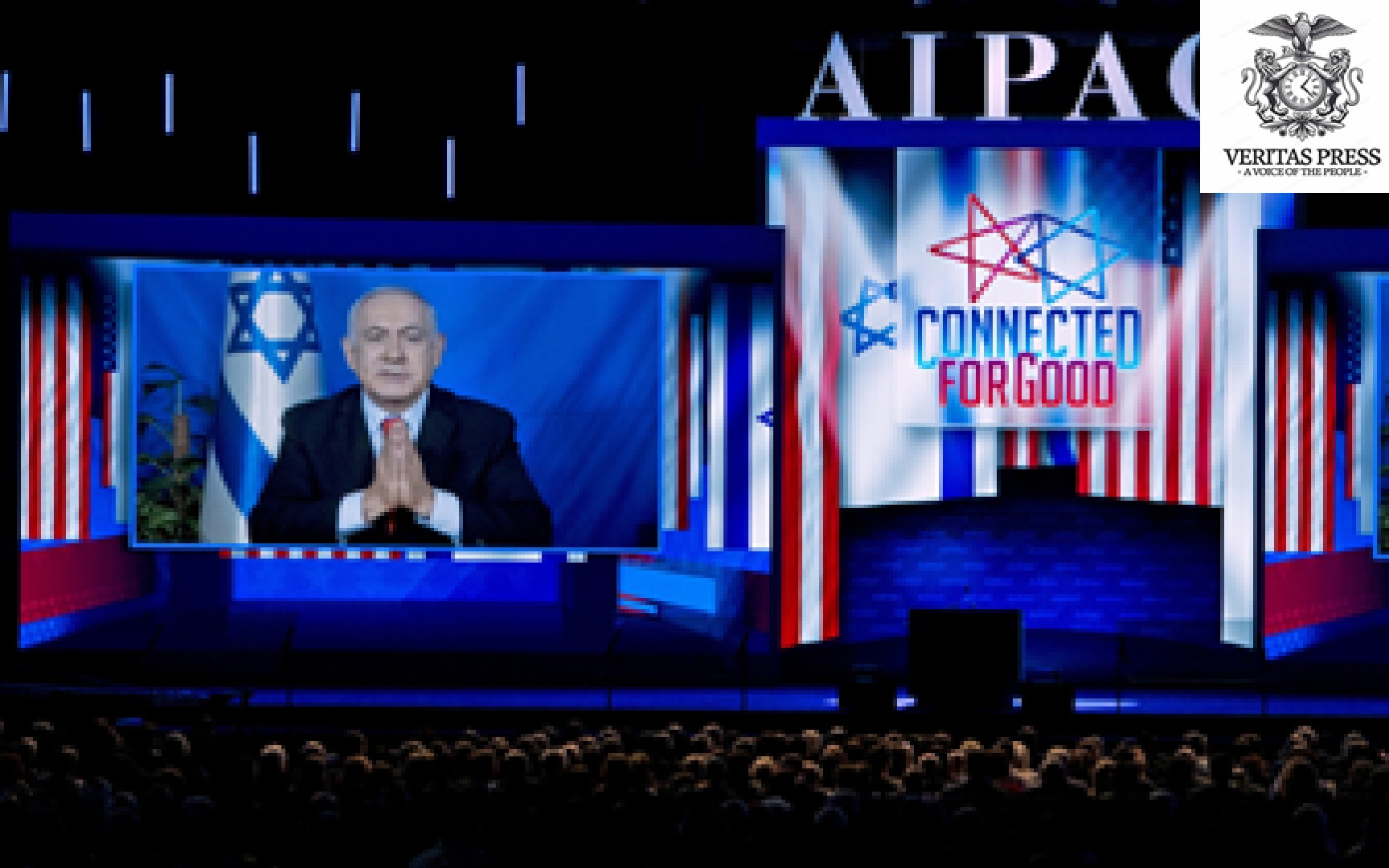
The American Israel Public Affairs Committee (AIPAC) — long one of Washington’s most influential foreign policy lobby groups- is recalibrating its electoral strategy ahead of the 2026 U.S. midterm elections, signalling a significant shift in how it exerts political influence amid growing public disillusionment with U.S. support for Israel’s military offensive in Gaza.
According to a recent investigation by The Intercept, AIPAC is pulling back from the “aggressive electoral strategy” it employed in the 2024 cycle, opting for a more cautious, indirect, and behind-the-scenes approach this time around.
2024: A Record Political Offensive And Rising Backlash.
In the 2024 election cycle, AIPAC and its affiliates poured more than $100 million into U.S. federal races, significantly expanding their direct involvement in political contests. The group’s super PAC, United Democracy Project (UDP), boasted it had helped elect 361 pro-Israel candidates nationwide, while working aggressively to oust critics of Israel from Congress.
Yet this display of electoral muscle coincided with what many observers described as growing popular revulsion over Israel’s conduct in Gaza, where more than 70,000 Palestinians have been killed in the ongoing offensive. This public sentiment, especially among younger voters and progressives, turned AIPAC’s visibility into a political liability.
Polling shows a sharp decline in favourable views of Israel among both Democratic and Republican voters, with growing majorities opposing unconditional military aid and linking support for Israel to broader concerns about human rights and U.S. foreign policy priorities.
AIPAC’s Retreat: Quieter Tactics, Same Goals.
Now, with the 2026 midterms approaching, AIPAC’s leadership appears to be retreating from overt endorsements and mass electoral spending. Rather than overtly backing candidates in public campaigns as it did in 2024, the group is shifting to indirect support mechanisms, channelling funds through allied PACs, dark-money networks, and individual donors while reducing its own name recognition in campaign disclosures.
One former Democratic congresswoman, Marie Newman, who lost her seat in 2022 amid AIPAC-backed opposition, says the lobby is fully aware that “its brand is in the toilet” and that the public now views it “toxically across the nation.”
This repositioning marks a return to tactics AIPAC used for much of its history, quiet, long-term lobbying and relationship building rather than public campaign warfare, after a period in which it became more publicly confrontational in response to rising criticism of U.S. support for Israel.
Electoral Liability And Candidate Calculus:
In this new political climate, many candidates are weighing whether association with AIPAC will help or hinder their campaigns. Some, like Rep. Valerie Foushee (D-NC), have publicly declared they will not accept AIPAC money in their 2026 bids, despite previously being a beneficiary of the group’s political spending.
Other challengers have quietly removed pro-Israel policy pages from campaign websites and stressed independence from corporate PAC money. Some have explicitly supported humanitarian aid to Gaza and conditioned U.S. military assistance to foreign countries on compliance with international humanitarian law.
Political analysts describe the refusal to take AIPAC support as an increasingly common strategic decision in Democratic primaries, where reminders of wartime casualties and perceived U.S. complicity are resonating strongly with voters. An internal poll of Democratic primary voters in key states found that nearly half would not support any candidate who receives funding from pro-Israel lobbying groups.
Questions Of Consistency And Allied Groups:
But refusing AIPAC money does not necessarily insulate candidates from the broader pro-Israel network. Groups like Democratic Majority for Israel (DMFI) share similar policy goals on military support to Israel and may continue to influence campaigns. Critics argue that workarounds, where AIPAC-linked donors fund candidates through alternative channels, could blunt the impact of public refusals.
Public Sentiment And Political Context:
The electorate’s changing attitudes underscore why AIPAC’s public strategy has shifted. Recent polling finds sharply declining support for Israel among both major parties’ voters, particularly younger Americans, with many seeing continued military aid as untenable.
Simultaneously, grassroots movements and progressive forces are targeting the pro-Israel lobby more directly. Campaigns demanding AIPAC’s withdrawal from U.S. politics have gained prominence at major gatherings like the People’s Conference for Palestine, where organisers called for isolating the lobby’s influence altogether.
Influence Remains, But Under Pressure:
Despite retreating from the public eye, AIPAC’s institutional influence remains substantial. The group retains strong ties to lawmakers in both parties, continues to sponsor congressional trips to Israel, and maintains an extensive regional activist network. It also works behind closed doors to support candidates and align congressional policy with pro-Israel objectives.
Yet even among traditional allies, there is debate about the wisdom of unconditional support. Some Republican voters now oppose long-term military aid packages, illustrating a broader ideological shift extending beyond Democratic primaries.
Conclusion: Adapting To A New Political Reality.
AIPAC’s evolving electoral strategy reflects a broader transformation in U.S. political dynamics, one shaped by corruption and war-driven public opinion shifts, generational divides, and growing demands for accountability on foreign policy. The lobby is not retreating from influence; rather, it is adapting its tactics to preserve power in a political environment that has grown increasingly hostile to overt foreign lobbying and uncritical support for Israel.
As the 2026 midterms draw near, the debate over AIPAC’s role, and the broader question of how the U.S. should engage with Israel, will continue to test the resilience of established pro-Israel political networks and offer new opportunities for insurgent candidates advocating for change.
Kamran Faqir is a volunteer investigative journalist and writer committed to exposing hidden truths and amplifying underreported stories. Driven by social justice, he brings sharp insight and fearless truth-telling to independent journalism. NUJ registered.
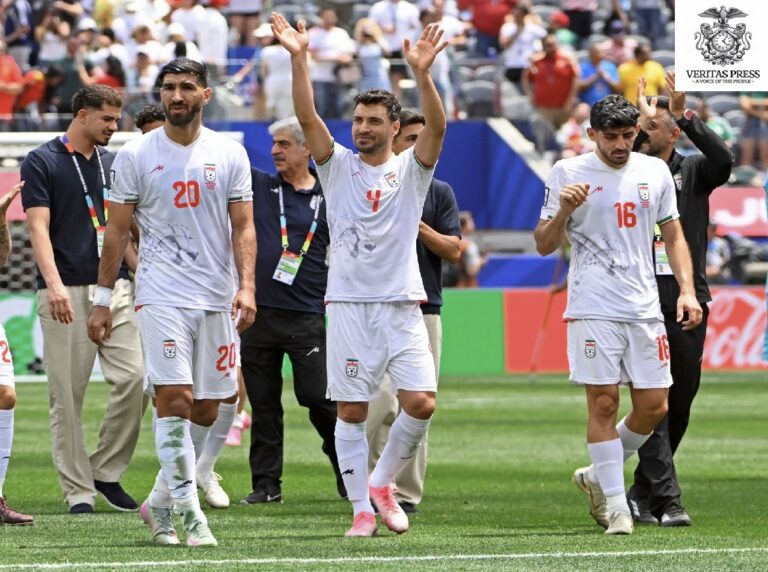
SEATTLE, TEHRAN — The U.S. Department of Homeland Security (DHS) will allow Iran’s national football team to enter the country 48 hours before their critical World Cup match against Egypt on Friday, a modest concession in a tournament where Team Melli’s travel conditions have sparked claims of oppression and competitive disadvantage.