Kamran Faqir is a volunteer investigative journalist and writer committed to exposing hidden truths and amplifying underreported stories. Driven by social justice, he brings sharp insight and fearless truth-telling to independent journalism. NUJ registered.
Title: An Era Of Erosion: How War, Corporate Power, And Authoritarian Politics Are Dismantling Human Rights.
Press Release: Veritas Press C.I.C.
Author: Kamran Faqir
Article Date Published: 26 Dec 2025 at 14:30 GMT
Category: World| Investigations-Human Rights | An Era of Erosion: How War, Corporate Power, and Authoritarian Politics Are Dismantling Human Rights.
Source(s): Veritas Press C.I.C. | Multi News Agencies
Human rights and democratic principles are not merely under strain; they are being systematically dismantled. Across continents, a convergence of permanent war, corporate greed, and authoritarian governance has produced a world in which fundamental liberties are treated as obstacles to profit and power rather than non-negotiable rights.
What is often presented as disorder or unavoidable geopolitical instability is, in reality, the outcome of deliberate political and economic choices. From war zones in the Middle East to marginalised communities in Western democracies, the same forces are at work: the concentration of power, the erosion of accountability, and the normalisation of violence against civilians.
War As A Tool Of Control And Precedent:
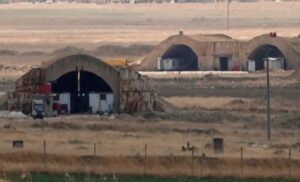
Wars in the Middle East have not only devastated societies; they have functioned as laboratories for the suspension of international law. Iraq, Syria, Yemen, Afghanistan, and Gaza demonstrate how quickly civilian protections collapse when strategic interests, security, influence, and resources are prioritised over human life.
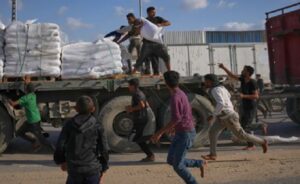
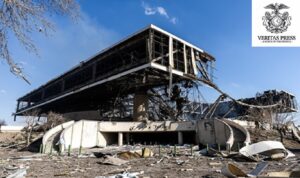
Indiscriminate bombardment, siege warfare, mass displacement, and the destruction of civilian infrastructure have been justified through dehumanising narratives that frame entire populations as expendable. International humanitarian law, once considered a red line, has been repeatedly violated with impunity.
The consequences extend far beyond the region. When powerful states excuse or enable mass violations abroad, they weaken the very legal frameworks that are meant to protect people everywhere.
Corporate Greed As A Human Rights Crime:
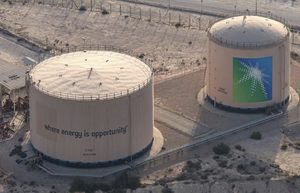
At the core of many modern conflicts lies corporate greed, particularly when tied to resource extraction, land control, and strategic infrastructure. The pursuit of profit through oil, gas, minerals, arms manufacturing, agribusiness, and private security has become inseparable from human rights violations.
When corporations operate with impunity, shielded by corrupt bureaucrats, deregulation, and political lobbying, their actions result in forced displacement, environmental destruction, and mass civilian suffering. These outcomes are not side effects; they are foreseeable and often intentional consequences of extractive economic models.
Human rights violations do not require a uniformed army. When corporate decisions knowingly lead to the dispossession, starvation, or death of communities, they constitute violations just as grave as those carried out by states.
Elite-Controlled Militias And Private Violence:
In many regions, particularly across the Global South, the line between corporate interest, political authority, and armed violence has effectively collapsed. Wealthy elites, political factions, and multinational interests increasingly rely on private militias, mercenary forces, or proxy armed groups to control land, suppress resistance, and secure resources.
These armed actors displace Indigenous populations, intimidate communities, and commit killings, sexual violence, and mass terror, often with the tacit approval or direct support of state institutions. Victims are rendered invisible, dismissed as collateral damage or security threats, while perpetrators operate beyond the reach of justice.
Such violence is not random. It is structural, designed to clear land, silence opposition, and enforce economic domination. The bureaucrats who sign permits, approve contracts, and weaken regulations are as integral to this violence as the gunmen on the ground.
Corruption And Bureaucratic Complicity:
Corruption is not merely a governance failure; it is a mechanism of human rights abuse. When officials prioritise corporate interests over public welfare, accepting bribes, revolving through corporate boards, or dismantling oversight mechanisms, they facilitate violence against civilians.
Bureaucratic systems provide the legal and administrative cover that allows exploitation to proceed. Licences are issued without consultation, environmental protections are waived, courts are undermined, and communities are stripped of their legal standing. The result is a system in which harm is sanitised through paperwork, and suffering is rendered invisible through legal abstraction.
Those displaced, injured, or killed by these systems are treated as byproducts, acceptable losses in the pursuit of economic growth and geopolitical dominance.
The Return Of Colonial Logic:
These dynamics reflect a modern form of colonialism. Land is seized, resources extracted, and populations controlled, often with the support of Western governments and financial institutions, while accountability is deferred indefinitely.
Wars in the Middle East, extractive violence in Africa, land grabs in Latin America, and militarised borders in Europe, Asia and North America are all manifestations of the same logic: some lives are valued, others are expendable.
Human rights become conditional, applied selectively, and weaponised politically rather than upheld universally.
Domestic Echoes In Western Democracies:
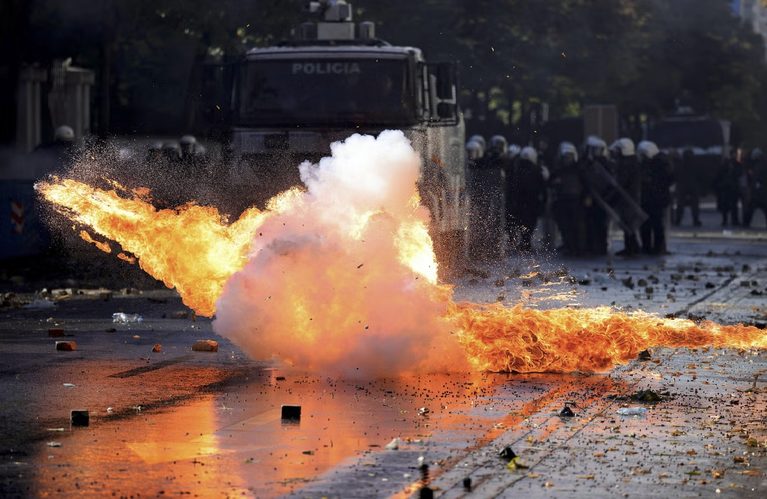
The consequences of this system are increasingly visible in the West. Surveillance, militarised policing, and legal repression, originally justified through foreign wars and counter-terrorism, are now deployed against domestic populations.
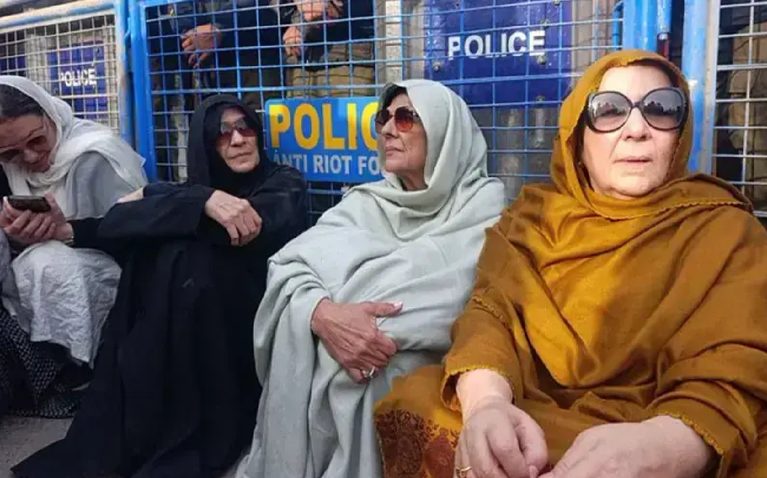
Minorities, migrants, and activists who challenge corporate power, war profiteering, or environmental destruction are criminalised. Protest laws tighten, whistleblowers are silenced, and journalists investigating corporate-state collusion face intimidation.
Democracy persists in form, but not in substance.
Conclusion: Human Rights or Corporate Rule.
Human rights erosion is not an abstract threat; it is a lived reality for millions displaced, imprisoned, impoverished, or killed by systems that prioritise profit and power over human dignity.
Corporate greed, elite corruption, and militarised enforcement are not peripheral to this crisis; they are central to it. When land is controlled through violence, when resources are extracted through displacement, and when accountability is deliberately dismantled, human rights cease to exist in practice.
The choice facing societies is increasingly clear: accept a world governed by corporate rule and permanent war, or resist the systematic dismantling of rights before it becomes irreversible.
History shows that silence does not protect rights. It only accelerates their destruction.
Kamran Faqir is a volunteer investigative journalist and writer committed to exposing hidden truths and amplifying underreported stories. Driven by social justice, he brings sharp insight and fearless truth-telling to independent journalism. NUJ registered.
SEATTLE, TEHRAN — The U.S. Department of Homeland Security (DHS) will allow Iran’s national football team to enter the country 48 hours before their critical World Cup match against Egypt on Friday, a modest concession in a tournament where Team Melli’s travel conditions have sparked claims of oppression and competitive disadvantage.