Kamran Faqir is a volunteer investigative journalist and writer committed to exposing hidden truths and amplifying underreported stories. Driven by social justice, he brings sharp insight and fearless truth-telling to independent journalism. NUJ registered.
Title: Streeting’s Customs Union Intervention Exposes Labour’s Brexit Fault Lines And Fuels Leadership Manoeuvring.
Press Release: Veritas Press C.I.C.
Author: Kamran Faqir
Article Date Published: 22 Dec 2025 at 15:00 GMT
Category: UK | Politics | Streeting’s Customs Union Intervention Exposes Labour’s Brexit Fault Lines And Fuels Leadership Manoeuvring.
Source(s): Veritas Press C.I.C. | Multi News Agencies
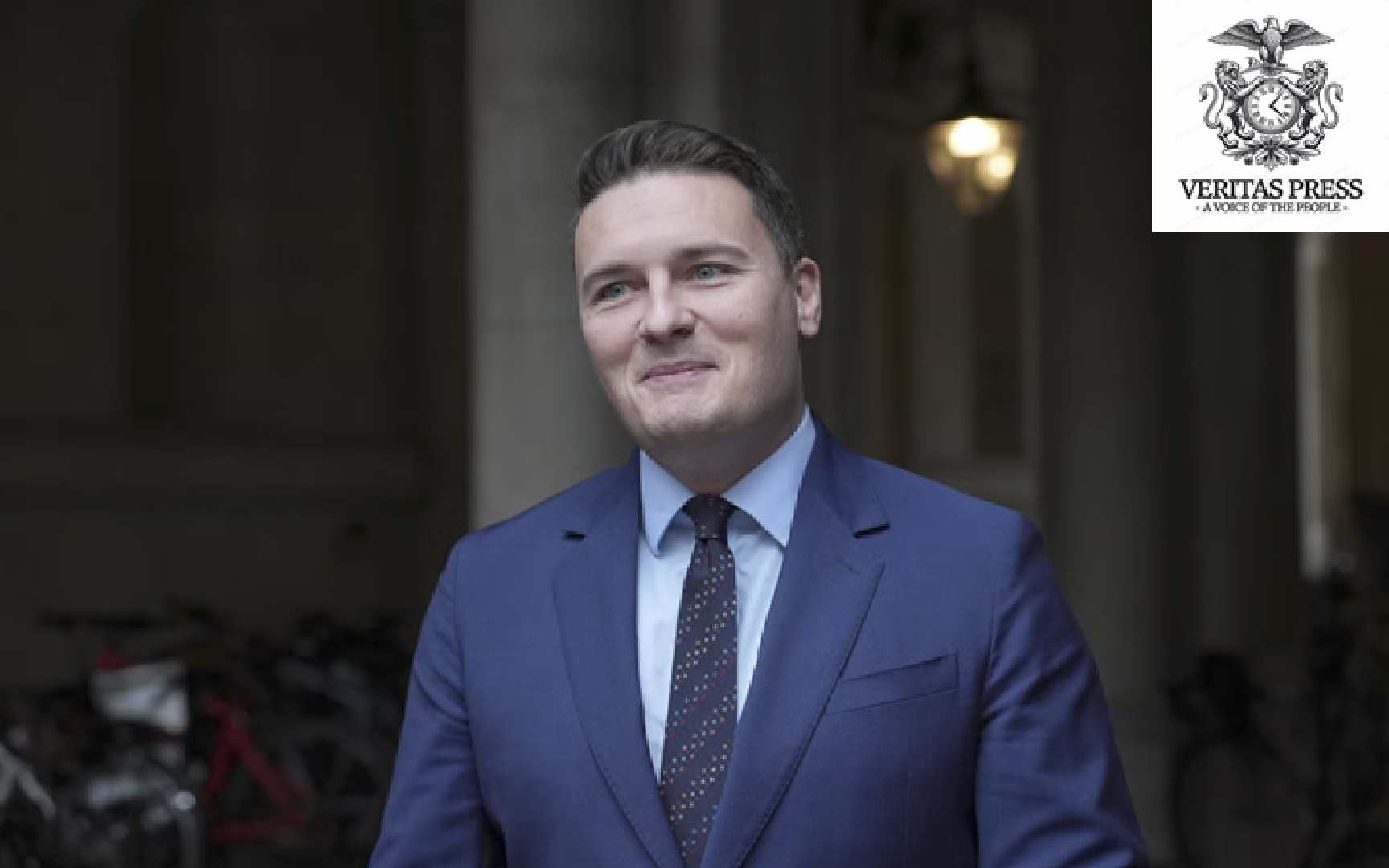
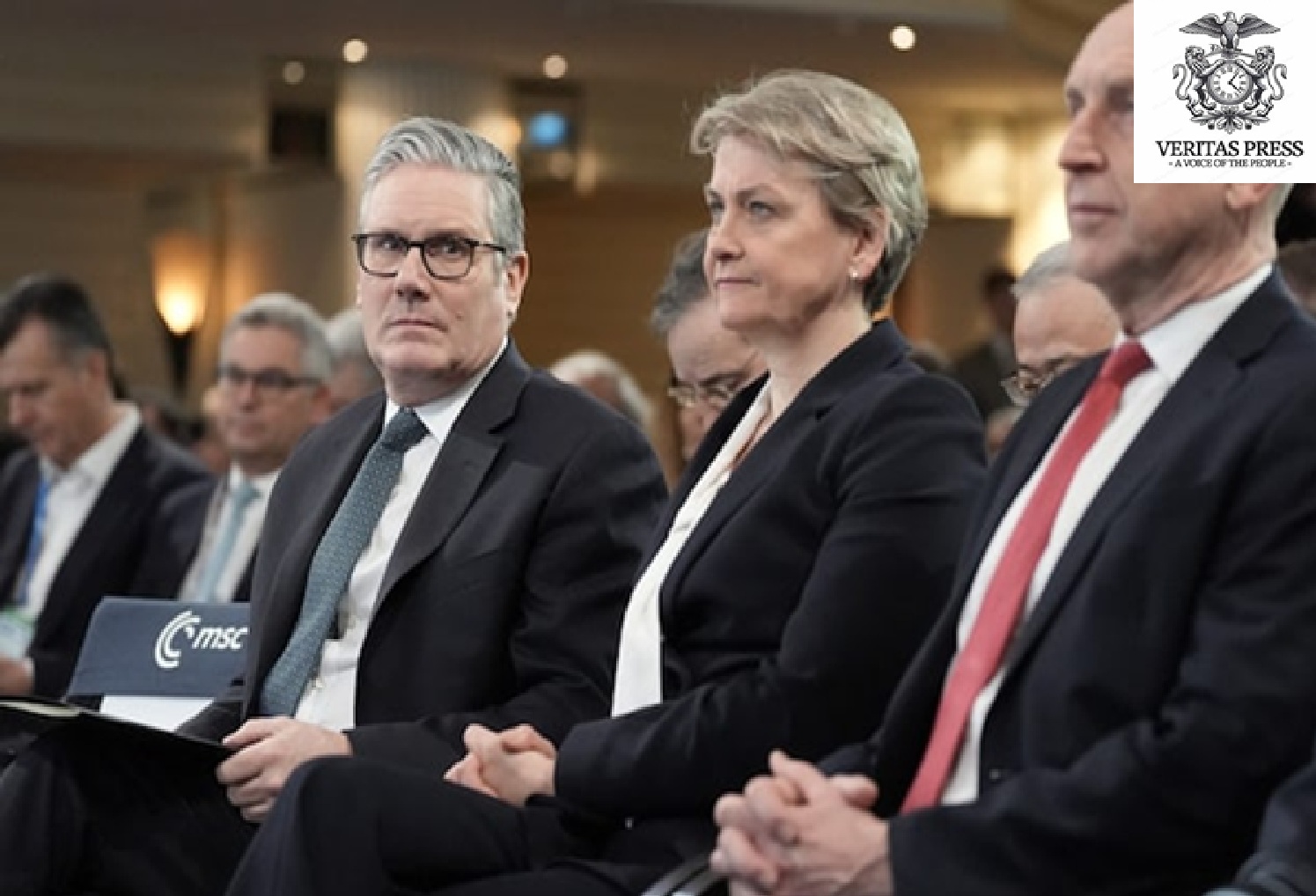
Wes Streeting’s suggestion that Britain should consider rejoining a customs union with the European Union has done more than reopen a dormant Brexit debate inside Labour; it has laid bare the unresolved power struggles, ideological contradictions and leadership tensions at the heart of Sir Keir Starmer’s government.
Presented publicly as an economic argument about growth, Streeting’s intervention has been widely interpreted by MPs, officials and political observers as a calculated political move, one that challenges the prime minister’s authority while appealing directly to Labour’s overwhelmingly pro-European membership.
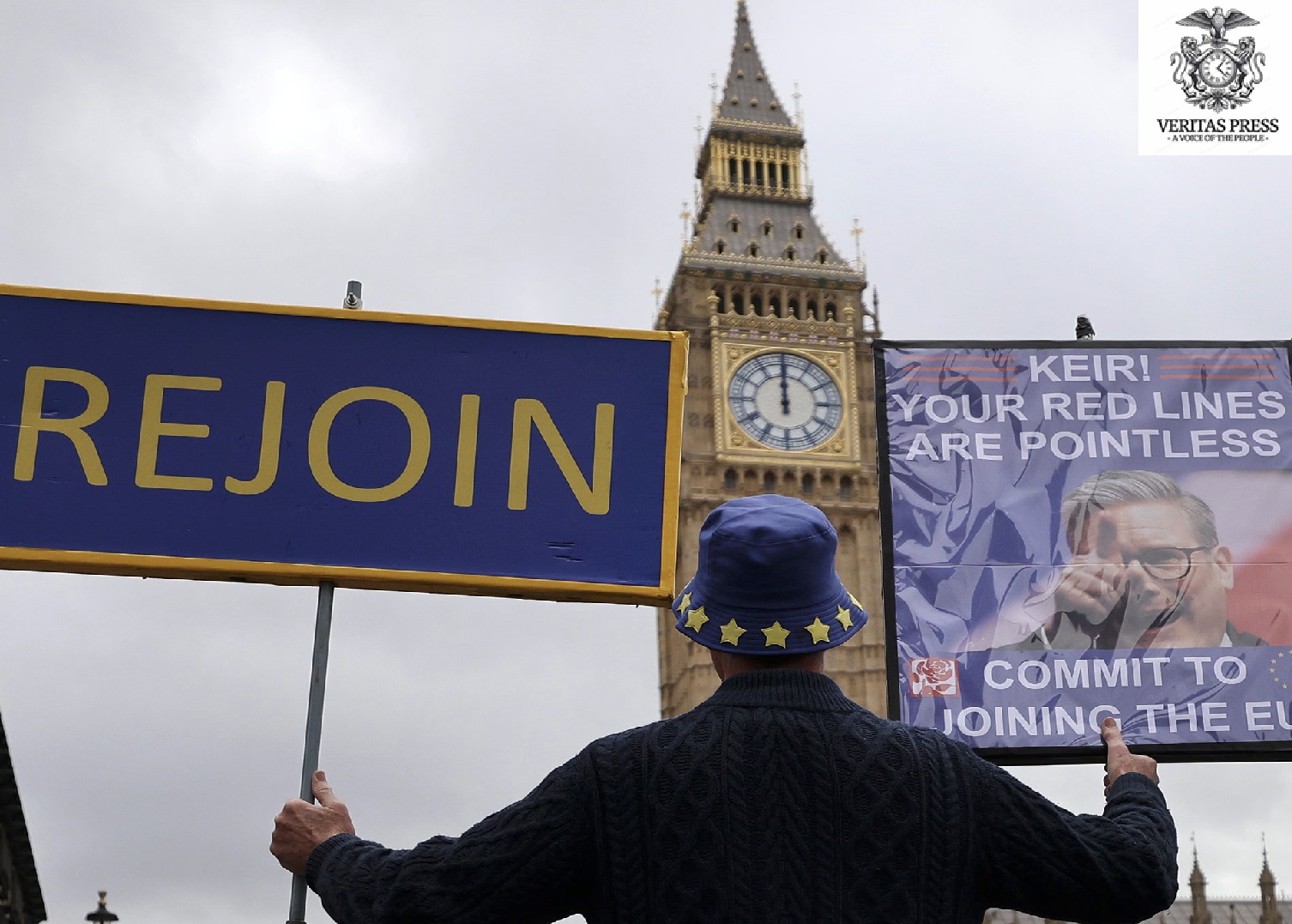
The health secretary’s remarks to The Observer, in which he said a “deeper trading relationship” with Europe was the “best way” to boost economic growth, cut directly across Starmer’s repeatedly stated “red lines” on Brexit, which rule out rejoining the EU’s customs union, single market or freedom of movement.
That clash has sharpened speculation that Streeting, long viewed as a potential successor to Starmer, is testing the ground ahead of a possible leadership contest should Labour suffer setbacks in the May local elections.
‘An Early Shot’ In A Leadership Contest:
Veteran Labour MP Graham Stringer did not disguise how Streeting’s comments were being read inside Westminster.
“I think it’s just Wes being opportunistic,” Stringer told Times Radio. “He knows that a large chunk of Labour’s membership, particularly in London, is pro-EU. So this is an early shot in what might be a leadership election after the May local elections.”
That assessment has been echoed privately by multiple Labour figures. One government source told The Times that Streeting was “setting out his stall” for a future leadership bid, a claim that landed just weeks after Downing Street officials were accused of briefing journalists that the health secretary was preparing a coup against Starmer.
Streeting was forced to deny those claims in November, insisting he had “no desire” to replace the prime minister. Yet his latest intervention has revived precisely the suspicions he sought to bury.
As political journalist Robert Peston observed on social media, “In politics, you don’t accidentally cross a prime minister’s clearest red lines, especially on Brexit, without knowing exactly what you’re doing.”
Brexit ‘Reset’ Or Managed Stasis?
At the centre of the dispute is Labour’s fragile Brexit settlement. While Starmer has promised a limited “reset” with Brussels, focused on security cooperation and marginal trade improvements, he has repeatedly ruled out structural changes such as a customs union, arguing they would constrain Britain’s trade policy.
Streeting’s Comments Cut Against That Orthodoxy.
“We’ve taken a massive economic hit leaving the European Union,” he said. “The reason why leaving the EU hit us so hard as a country is because of the enormous economic benefits that came with being in the single market and the customs union.”
That framing mirrors the consensus among many economists. The Office for Budget Responsibility has repeatedly warned that Brexit will reduce long-term UK productivity by around 4 per cent, while the Centre for European Reform estimates that UK GDP is roughly 5 per cent smaller than it would have been had Britain remained in the EU.
Yet Starmer has treated Brexit as politically radioactive, seeking to reassure business while neutralising Reform UK and Conservative attacks. Streeting’s intervention punctures that strategy by reintroducing Brexit as a live ideological divide rather than a settled question.
Cabinet Discipline And Downing Street Control:
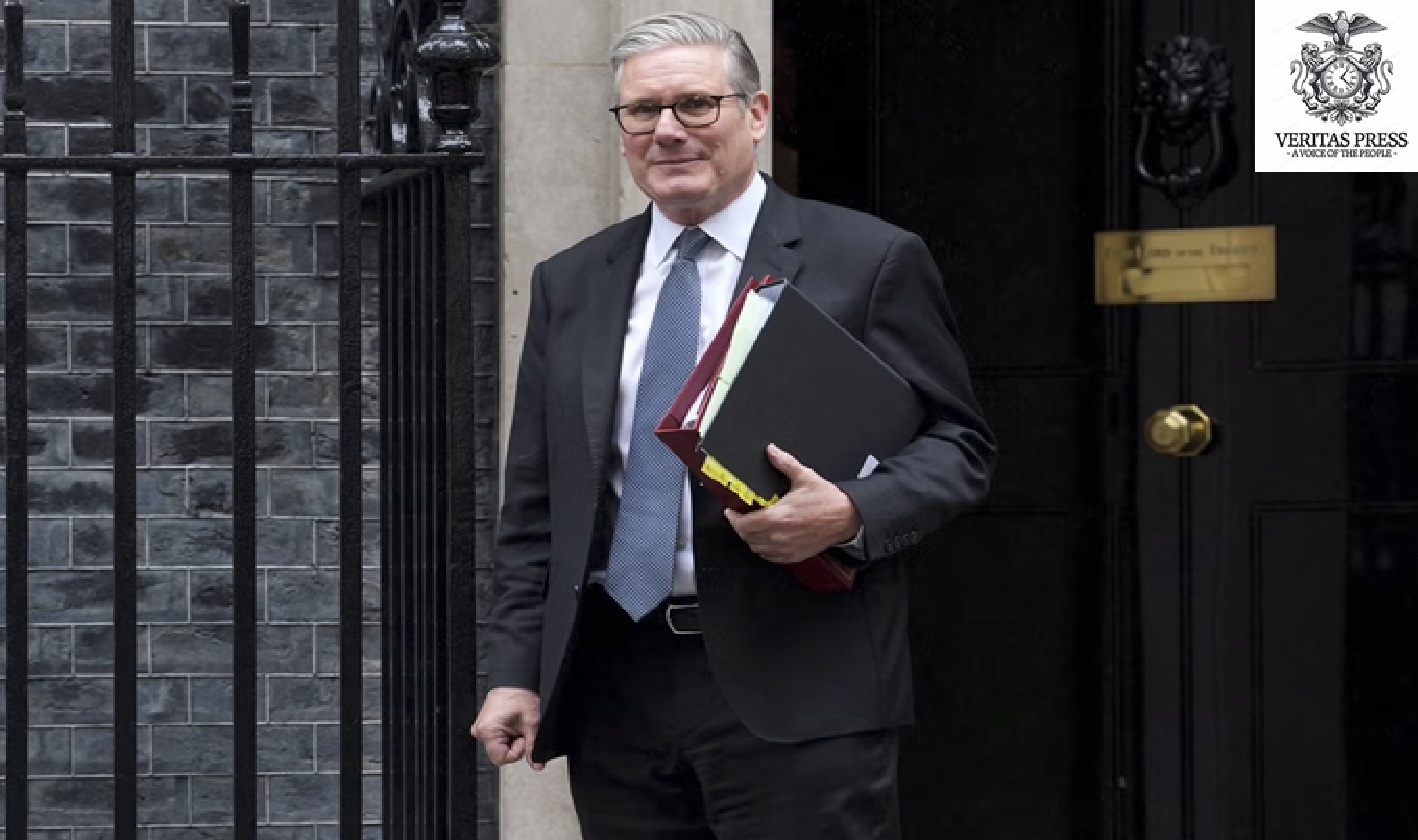
Downing Street’s response was tellingly defensive. A spokesperson insisted there was no cabinet split, stressing that the government would “stick to its manifesto red lines”.
But the need for such reassurance underscored the unease. As The Guardian noted, Streeting’s comments “go further than the government’s stated position” and reflect growing frustration within sections of the cabinet over Starmer’s caution.
One senior Labour MP told The Independent that Streeting’s move risked “opening a wound Starmer has spent years trying to cauterise”, adding: “Once you reopen the customs union debate, you reopen everything.”
The intervention also exposed a contradiction at the heart of Labour’s message: acknowledging Brexit’s economic damage while refusing the most obvious mechanisms for repairing it.
Pressure From Below, And From The Left:
Streeting’s remarks landed amid growing pressure from Labour’s own backbenchers. Earlier this month, 13 Labour MPs voted for the Customs Union (Duty to Negotiate) Bill, a symbolic rebellion that signalled persistent dissent within the parliamentary party.
Polling suggests that dissent reflects wider sentiment. Surveys consistently show that around 70 per cent of Labour voters support reopening talks on EU alignment, while membership-heavy cities such as London remain overwhelmingly pro-European.
Campaign groups seized on Streeting’s comments as an overdue break from denial. Michael Anderson of the European Movement UK said the economic case for a customs union was “overwhelming”.
“The damage Brexit has done continues to make people poorer,” Anderson said. “A customs union would deliver more economic benefit than any number of distant trade deals.”
Best for Britain’s Cal Roscow, however, warned that Labour risked incoherence without a clear strategy. “If ministers acknowledge the economic reality of Brexit but refuse to act on it, voters will see that as evasive rather than pragmatic.”
Attacks From The Right, And Political Risk:
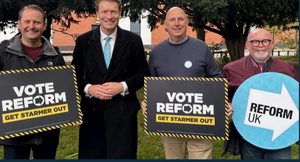
Unsurprisingly, Labour’s rivals pounced. The Conservatives accused Streeting of neglecting the NHS in favour of internal manoeuvring, while Reform UK’s Richard Tice framed the comments as a betrayal of the 2016 referendum.
“Labour remoaners like Wes Streeting will not be satisfied until every valuable Brexit freedom is surrendered to Brussels,” Tice said, rhetoric that illustrates precisely why Starmer has tried to shut down the debate.
Yet analysts note that Reform’s rise has already collapsed the old assumption that silence neutralises Brexit. As political scientist Anand Menon has argued, “Avoidance doesn’t depoliticise Brexit, it simply leaves Labour exposed from both directions.”
NHS Record Undermines Streeting’s Case:
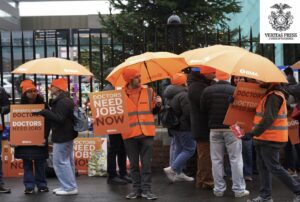
Streeting’s credibility is further complicated by his record as health secretary. While advocating economic boldness on Europe, he has taken a hardline approach to NHS strikes, refusing additional pay for resident doctors and drawing sharp criticism from unions.
Andrea Egan, incoming general secretary of Unison, described his stance as “unacceptable”, accusing the government of asking frontline workers to absorb the cost of economic failure.
For critics inside Labour, this raises uncomfortable questions. As one backbencher put it privately: “You can’t argue Brexit wrecked the economy while telling NHS staff there’s no money.”
A Calculated Risk:
Streeting insists he is not making a leadership pitch. “The prime minister has got my absolute support,” he said, dismissing speculation as “silly soap opera”.
But politics is rarely about intent alone. By challenging Starmer on one of the most sensitive issues in British politics, and doing so in language that mirrors the beliefs of Labour’s membership, Streeting has altered the internal dynamics of the party.
Whether this was an act of conviction, ambition, or both, the effect is the same: Labour’s Brexit truce has been broken, its leadership tensions exposed, and its claim to economic realism placed under renewed scrutiny.
As one senior Labour figure told The Guardian: “You don’t fire a shot like this unless you’re prepared for what comes next.”
And for a party still struggling to reconcile Brexit, power and credibility, what comes next may prove far harder to control than Streeting anticipates.
Kamran Faqir is a volunteer investigative journalist and writer committed to exposing hidden truths and amplifying underreported stories. Driven by social justice, he brings sharp insight and fearless truth-telling to independent journalism. NUJ registered.
SEATTLE, TEHRAN — The U.S. Department of Homeland Security (DHS) will allow Iran’s national football team to enter the country 48 hours before their critical World Cup match against Egypt on Friday, a modest concession in a tournament where Team Melli’s travel conditions have sparked claims of oppression and competitive disadvantage.