Kamran Faqir is a volunteer investigative journalist and writer committed to exposing hidden truths and amplifying underreported stories. Driven by social justice, he brings sharp insight and fearless truth-telling to independent journalism. NUJ registered.
Title: Pakistan’s 17-Year Verdict Against Imran Khan Is Not Justice, It Is Political Erasure.
Press Release: Veritas Press C.I.C.
Author: Kamran Faqir
Article Date Published: 20 Dec 2025 at 20:40 GMT
Category: South Asia-Pakistan | Politics | Pakistan’s 17-Year Verdict Against Imran Khan Is Not Justice, It Is Political Erasure.
Source(s): Veritas Press C.I.C. | Multi News Agencies
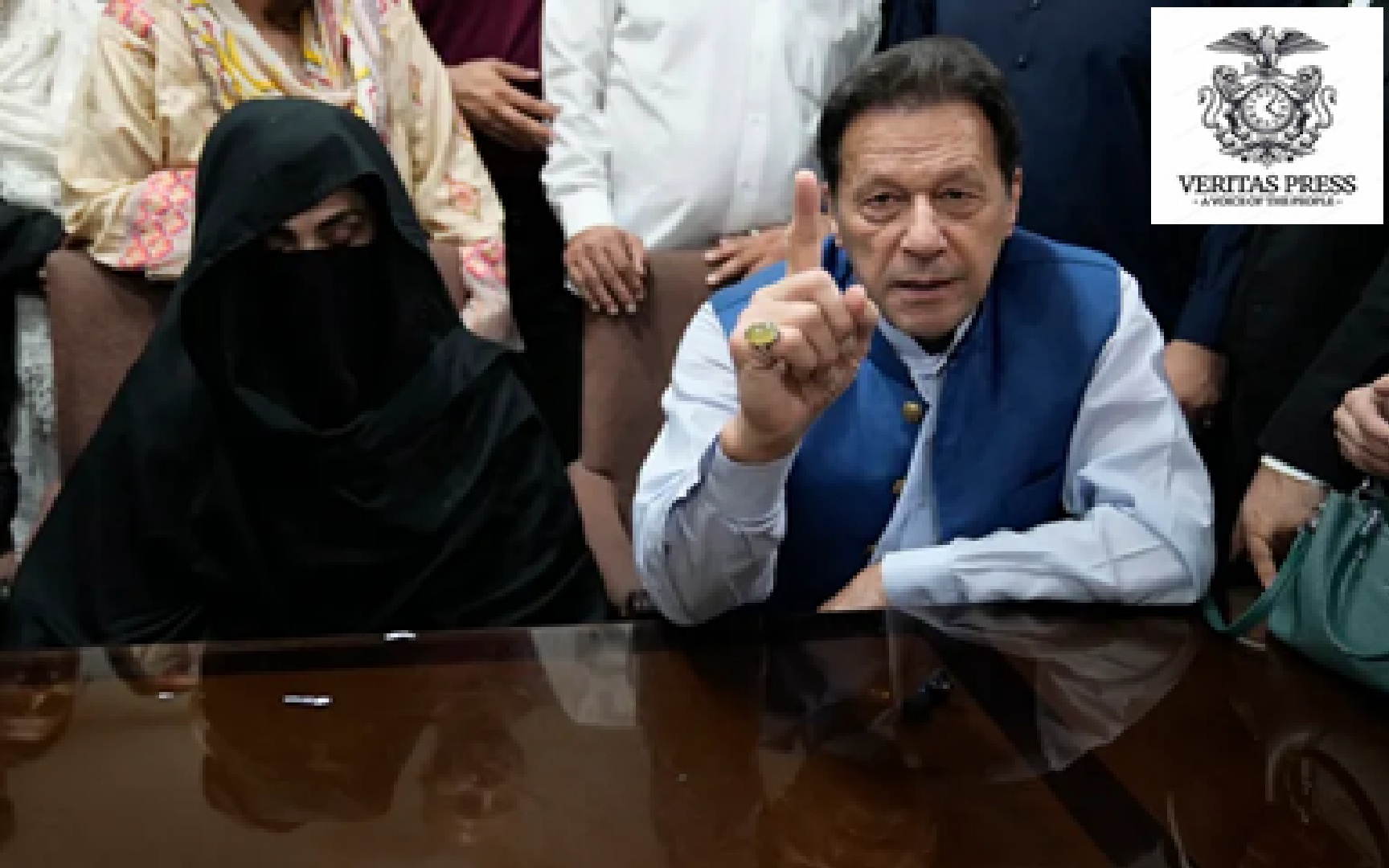
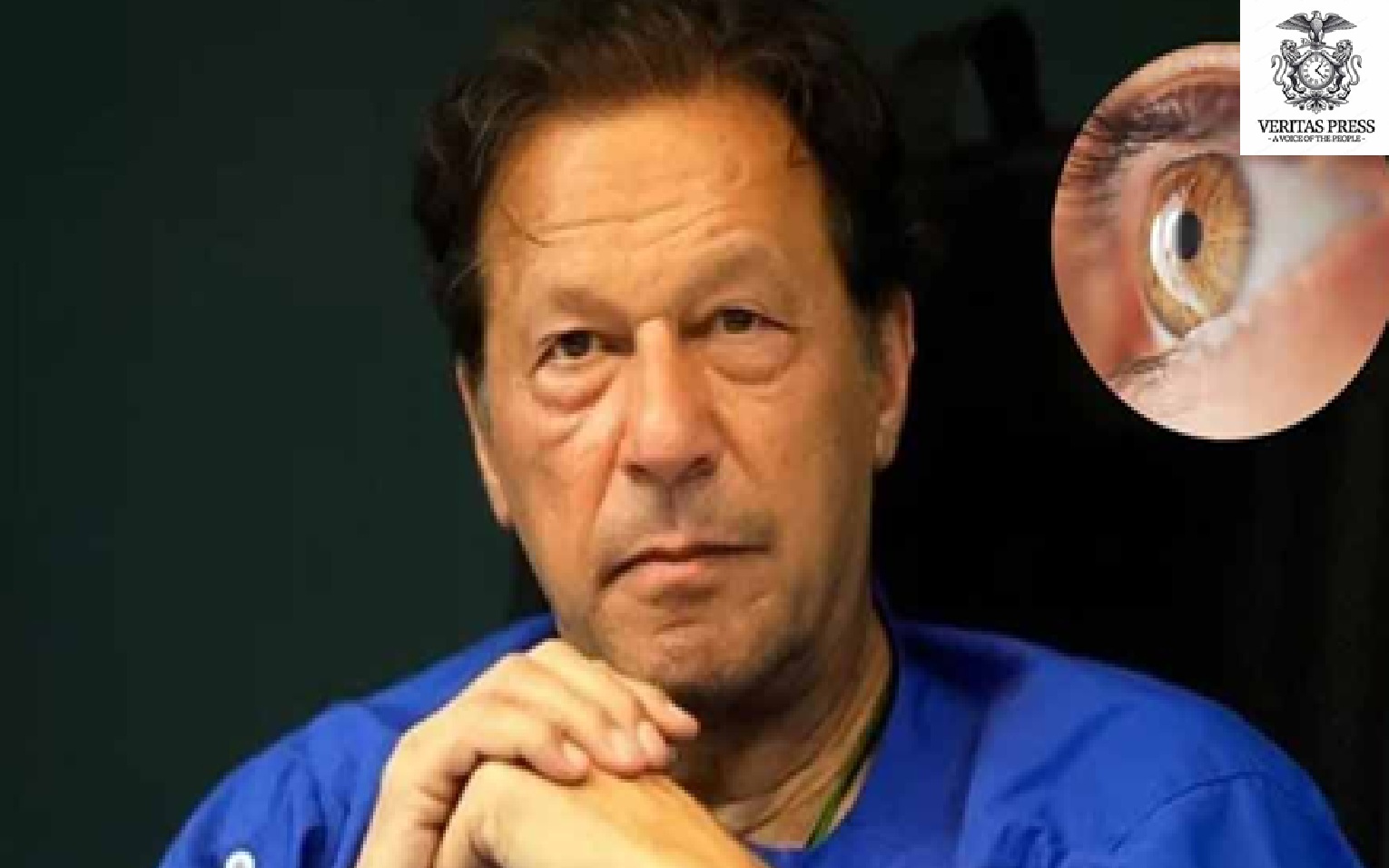
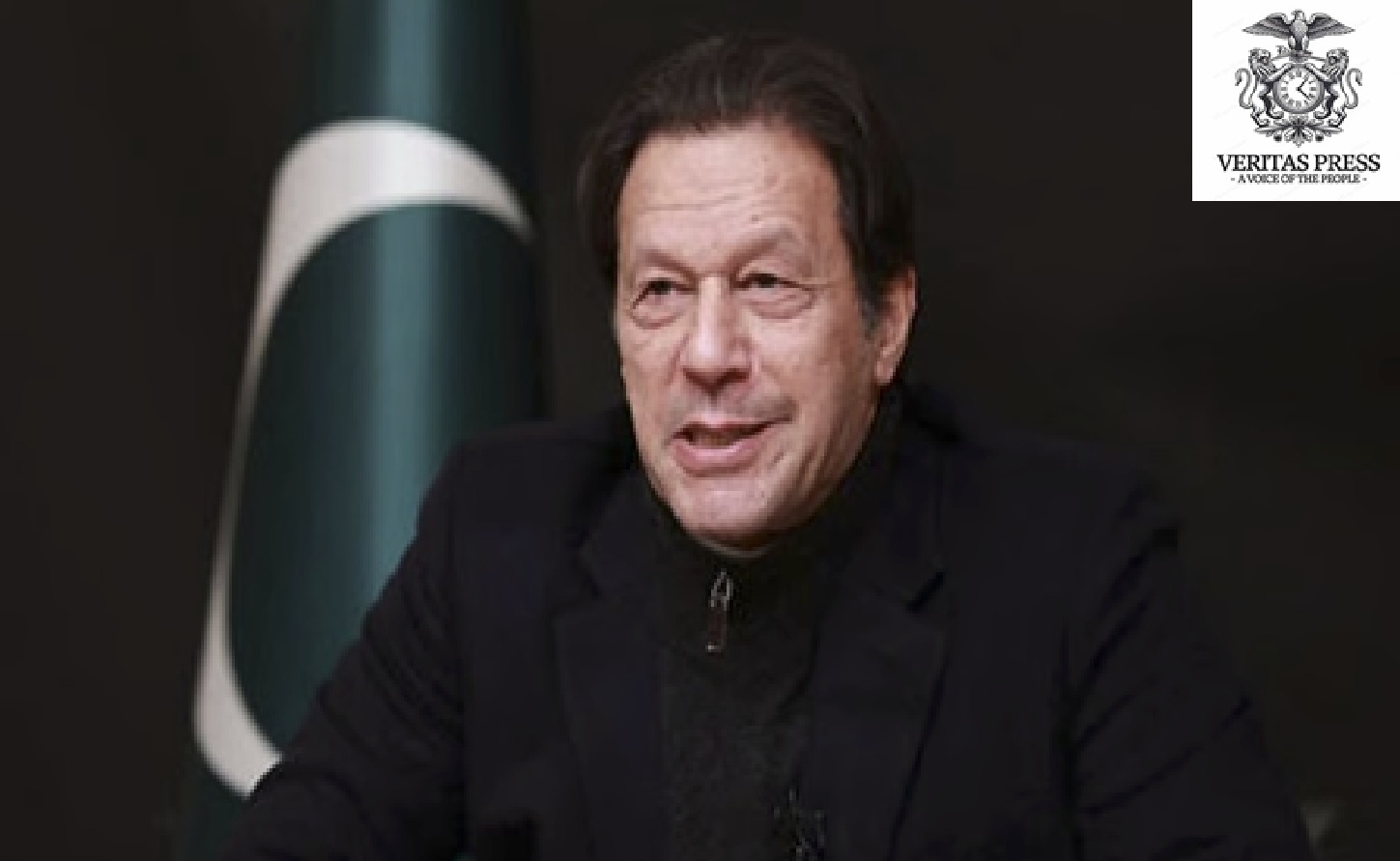
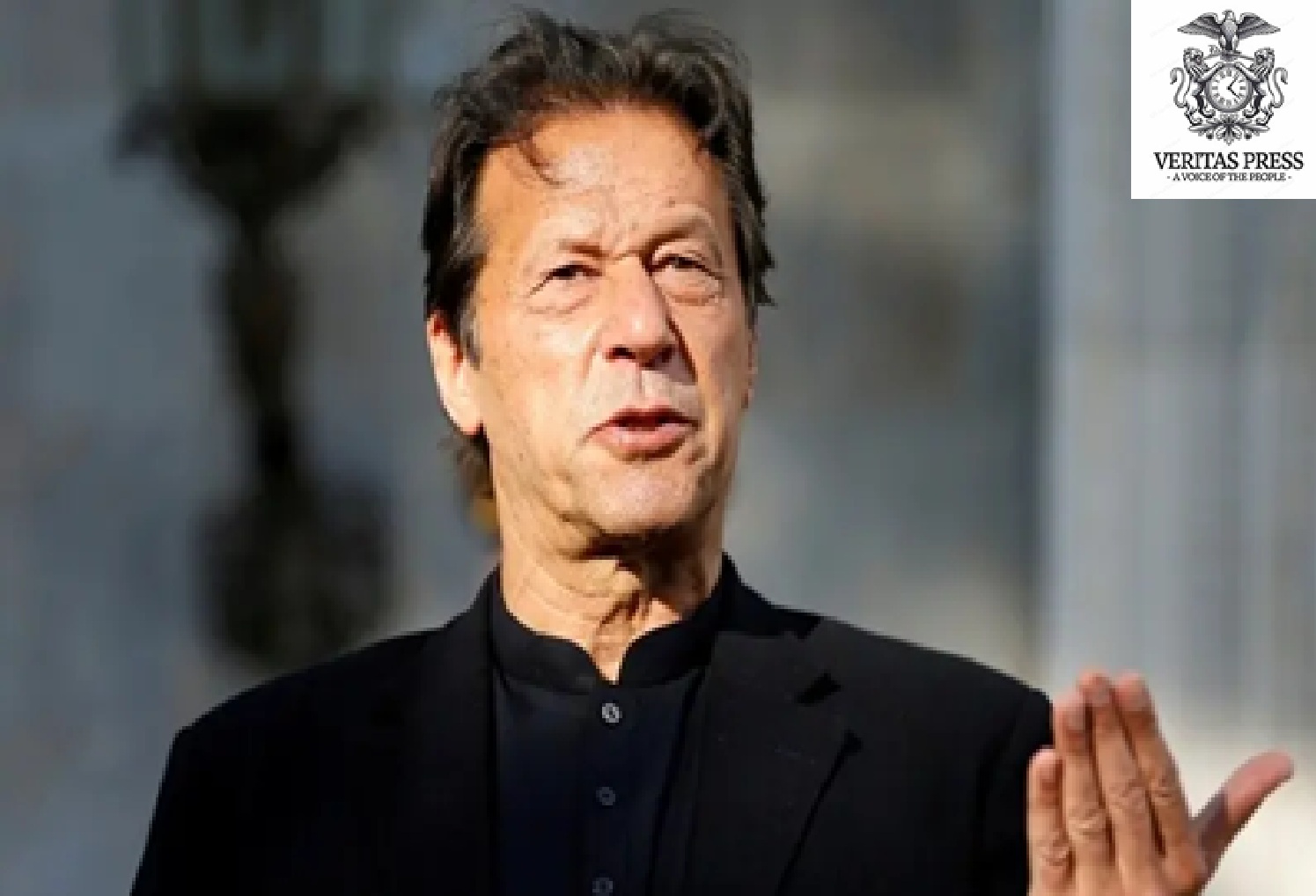
When a Pakistani court sentenced former prime minister Imran Khan and his wife Bushra Bibi to 17 years in prison inside a high-security jail, the government hailed the ruling as proof that “no one is above the law.”
That Claim Does Not Withstand Scrutiny.
This verdict, delivered behind prison walls, imposing an unprecedented punishment for a disputed valuation of state gifts, is not about accountability. It is about eliminating a political rival through the courts. This exposes how Pakistan’s justice system is a corrupt tool of power.
At the centre of the case is the Toshakhana, Pakistan’s state gift repository. Prosecutors accused Khan and his wife of under-declaring the value of luxury items, including jewellery and watches gifted by Saudi Crown Prince Mohammed bin Salman, allowing them to purchase the items cheaply and later profit from their sale.
Even if one accepts the prosecution’s case in full, the punishment defies proportionality. Seventeen years in prison, on top of an existing 14-year sentence in another graft case, is a penalty more commonly associated with violent crime, not administrative breaches involving asset valuation and disclosure.
Pakistan’s political history is littered with Toshakhana controversies. Presidents, generals, judges and prime ministers across parties have retained expensive gifts under opaque rules. None has faced serial prosecutions or cumulative sentences approaching three decades.
The Difference Here Is Not The Alleged Act. It Is The Accused.
The process by which the verdict was delivered raises even deeper concerns. The trial was conducted inside Adiala Jail. Family members were reportedly barred. Proceedings were closed to the public. Defence lawyers say arguments were not fully heard before sentencing.
Justice that takes place in secrecy, behind prison walls, invites only one conclusion: the outcome mattered more than the process.
Pakistan’s constitution promises open courts, due process and equality before the law. Jail-based trials and accelerated verdicts undermine all three. When transparency disappears, legitimacy soon follows.
This case cannot be understood in isolation. Since his removal from office in April 2022 through a no-confidence vote, Imran Khan has faced more than 200 registered cases, ranging from corruption and graft to anti-terrorism and state secrets charges. Some have collapsed. Others remain pending. New ones continue to emerge.
The cumulative effect is unmistakable. Regardless of individual verdicts, Khan remains incarcerated. Legal analysts describe this as “preventive prosecution”,lawfare designed not to secure justice, but to permanently neutralise a political figure through endless litigation.
The timing is telling. Despite mass arrests, media censorship and restrictions on campaigning, Khan’s Pakistan Tehreek-e-Insaf party won the largest share of votes in the February 2024 elections. It did not secure power, but it demonstrated enduring popular support.
That, more than any necklace or watch, explains the ferocity of the legal onslaught.
Pakistan’s judiciary does not operate in a vacuum. For decades, civilian politics has been shaped by the military establishment. Khan himself once benefited from that alignment. He later broke with it, publicly, defiantly and repeatedly.
After that rupture came his downfall: the collapse of his government, the dismantling of his party, the arrests of his supporters, and now convictions delivered in confinement.
The military denies interference. The courts insist on independence. Yet the pattern is impossible to ignore. Power in Pakistan has always flowed downward, and accountability upward has always been optional.
This verdict deepens a dangerous precedent: that courts may be used not merely to punish wrongdoing, but to resolve political conflicts that should be settled at the ballot box.
The government argues that the rule of law demands consequences. But the rule of law is not measured by how harshly one opponent is punished, it is measured by consistency, fairness and restraint.
Selective Accountability Is Not Justice. It Is Repression With Paperwork.
The human cost of this strategy should not be dismissed. Prolonged incarceration, isolation, and the effective exclusion of a popular leader from political life sends a chilling message to dissenters across the spectrum: challenge entrenched power, and legality will follow you to the cell.
This is how democracies hollow out. Not with tanks on the streets, but with verdicts in prisons.
Imran Khan may or may not prevail on appeal. But the larger damage has already been done. Public faith in judicial neutrality has been eroded. Political polarisation has deepened. And the idea that elections, rather than institutions, determine leadership looks increasingly fragile.
The question Pakistan now faces is not whether Imran Khan broke a rule. It is whether the state itself has broken faith with its own constitution.
A justice system that punishes selectively does not stabilise a country. It radicalises it.
And history will remember this verdict not as a triumph of accountability, but as a warning of what happens when law becomes a weapon.
Conclusion: When Power Hides Behind Prosecutions.
The 17-year sentence imposed on Imran Khan is not an endpoint; it is an exposure.
It exposes a justice system increasingly used not to uphold the rule of law, but to shield those in power from scrutiny by redirecting accountability onto a single political target. It exposes how prosecutions can be multiplied, stacked and prolonged, not to correct wrongdoing, but to ensure that one opponent remains permanently incarcerated while others operate beyond reach.
This case is not occurring in a vacuum. It is unfolding at a moment when Pakistan’s current ruling coalition faces mounting questions over its own record, from election-related controversies and economic mismanagement to repression of dissent, media intimidation, and the violent suppression of protest. Instead of confronting those allegations through a transparent inquiry, critics argue the government has chosen a familiar strategy: bury accountability beneath an avalanche of cases against its most potent challenger.
In this context, the relentless filing of new charges against Imran Khan functions less as law enforcement and more as political insulation. Each conviction, each additional sentence, ensures that attention remains fixed on Khan’s alleged misconduct, however minor or technical, while the actions of those currently wielding power escape sustained judicial or public examination.
This Is Not Accountability; It Is Displacement.
The disputed Toshakhana valuation has been inflated into a punishment spanning decades. Meanwhile, allegations involving far larger sums, systemic corruption, enforced disappearances, electoral interference and abuse of state power remain conspicuously unresolved. The contrast is not subtle. It is structural.
The closed-door trial, the prison-based verdict, the denial of public scrutiny, and the cumulative stacking of sentences together form a legal architecture designed not to deliver justice but to extend incarceration indefinitely. Appeals become procedural delays rather than meaningful remedies. Elections become symbolic exercises rather than mechanisms for change.
What emerges is a system where law is no longer a tool to check power, but a tool to protect it.
This strategy carries profound risks. When a government uses the courts to neutralise opposition instead of submitting itself to the same standards of accountability, it erodes the very legitimacy it claims to defend. It teaches citizens that justice is conditional, that rights are selective, and that political loyalty, not legality, determines exposure or immunity.
The danger now extends far beyond Imran Khan.
A justice system that is perceived as prosecuting one man relentlessly while insulating the ruling elite from scrutiny cannot command public trust. And a state that replaces political competition with judicial elimination does not achieve stability; it manufactures a permanent crisis.
History is unforgiving on this point. Governments that weaponise law to avoid accountability do not silence dissent; they radicalise it. They do not strengthen institutions; they hollow them out. And they do not erase their own record, they ensure it will be remembered.
The verdict against Imran Khan will not ultimately be judged by the number of years attached to it, but by what it reveals: a system more invested in keeping one man in prison than in answering the questions facing the nation.
The final judgment will not come from a jail court or an appellate bench. It will come from history, and from a public increasingly aware that when prosecutions are used to deflect accountability, justice itself becomes the crime.
Kamran Faqir is a volunteer investigative journalist and writer committed to exposing hidden truths and amplifying underreported stories. Driven by social justice, he brings sharp insight and fearless truth-telling to independent journalism. NUJ registered.
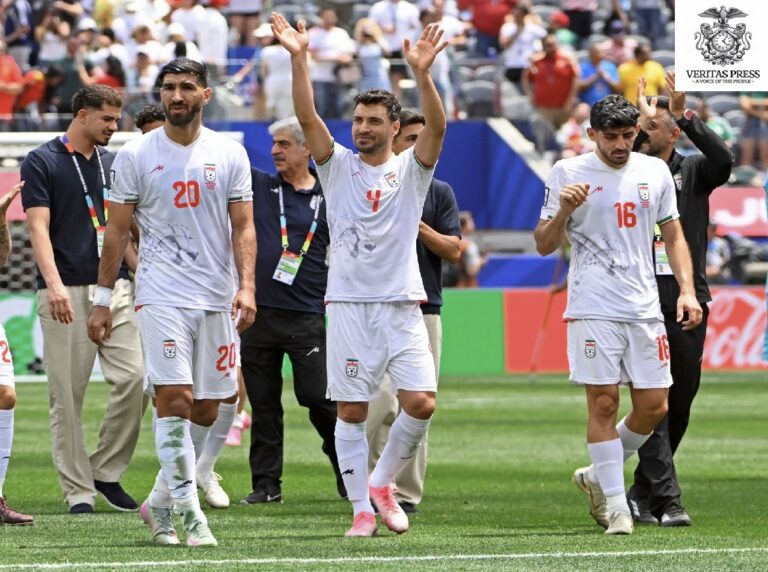
SEATTLE, TEHRAN — The U.S. Department of Homeland Security (DHS) will allow Iran’s national football team to enter the country 48 hours before their critical World Cup match against Egypt on Friday, a modest concession in a tournament where Team Melli’s travel conditions have sparked claims of oppression and competitive disadvantage.