Kamran Faqir is a volunteer investigative journalist and writer committed to exposing hidden truths and amplifying underreported stories. Driven by social justice, he brings sharp insight and fearless truth-telling to independent journalism. NUJ registered.
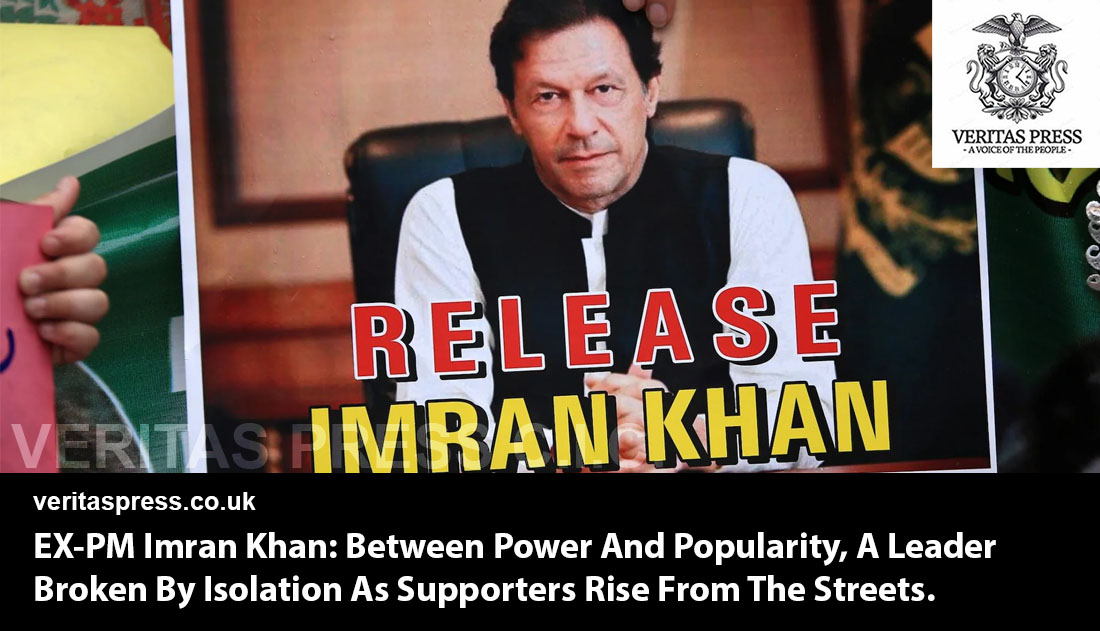
Title: EX-PM Imran Khan: Between Power And Popularity, A Leader Broken By Isolation As Supporters Rise From The Streets.
Press Release: Veritas Press C.I.C.
Author: Kamran Faqir
Article Date Published: 15 Dec 2025 at 15:01 GMT
Category: South Asia | Pakistan-Politics | EX-PM Imran Khan: Between Power And Popularity, A Leader Broken By Isolation As Supporters Rise From The Streets.
Source(s): Veritas Press C.I.C. | Multi News Agencies
RAWALPINDI, PAKISTAN — The once‑iconic cricketer‑turned‑prime minister now lives in conditions his family, party, and international observers describe as psychological torment, held in solitary confinement hours on end in Adiala Jail. But outside those walls, a struggle continues, between a powerful establishment determined to suppress one of Pakistan’s most popular political figures and a broad network of activists, family members, and ordinary citizens refusing to let his plight fade from public consciousness.
Mental Torture, Deprivation, And Political Isolation:
Reports from multiple sources depict Khan confined for up to 23 hours a day, with constant surveillance and severely restricted access to basic human contact. These conditions, human‑rights experts warn, fall within the international definition of prolonged solitary confinement, a form of psychological torture that can cause severe and lasting harm to mental health, especially in older detainees. PTI supporters argue that this is no accident, but a deliberate state policy to sap his resilience and undermine his influence.
A locally circulated account from within jail circles, referenced by analysts online, described Khan as complaining of being denied books, newspapers, and lawful contact with counsel, conditions he himself called “torture.” While such direct claims can’t be independently verified from inside the prison, they mirror complaints raised by lawyers and family alike about deprivation of basic rights and psychological pressure.
PTI Activism: From Legal Petitions To Street Protests.
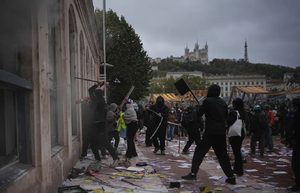
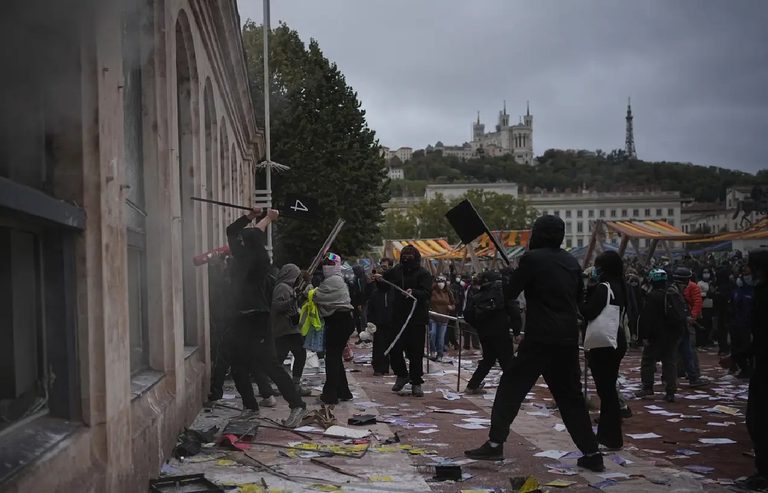
From Karachi to Lahore to Rawalpindi, PTI activists and grassroots supporters have repeatedly taken to the streets, staging sit-ins, rallies, and protests demanding Khan’s rights, visitation access, and respect for judicial mandates.
Sit-Ins And Crackdowns:
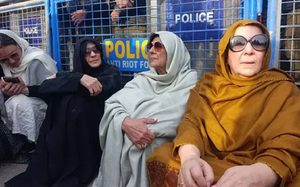
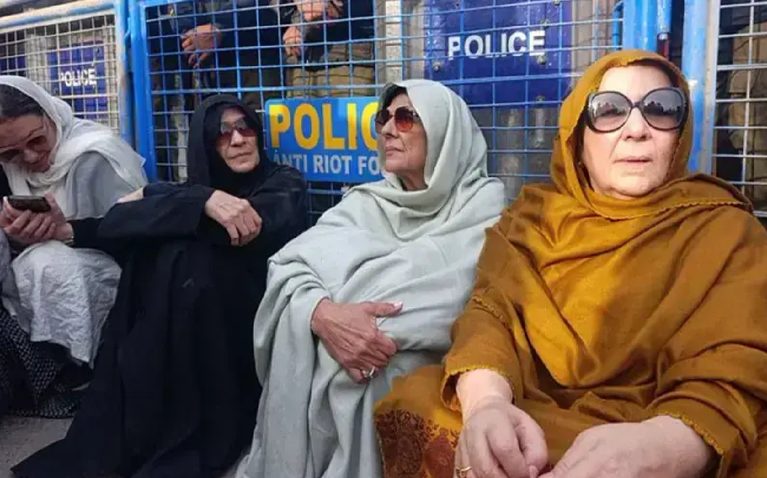
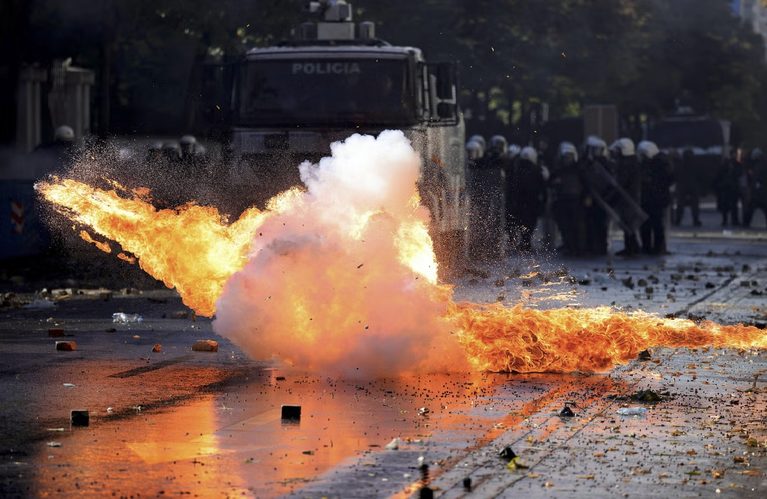
In early December, PTI announced a sit-in outside Adiala Jail after being denied court-ordered weekly visits with Khan, a protest intended to assert constitutional rights but met with severe police action. The party accused law enforcement of violence against senior PTI figures, including Imran’s sisters and female activists, who were reportedly manhandled and detained during peaceful demonstrations.
PTI leaders described the crackdown as “inhumane, unlawful, and disgraceful”, a reign of terror against not just party members but the basic dignity of citizens seeking redress.
“A female officer ordered male policemen to beat peaceful protesters,” one PTI activist alleged publicly, framing the incident not as an isolated police action but as emblematic of a state apparatus intolerant of dissent.
Denied Access: Blocking Family, Lawyers, And Leaders.
Beyond protests, everyday political mobilisation has also been disrupted. Police and law enforcement have repeatedly blocked prominent PTI leaders from reaching Khan, even when authorised by court orders or on legitimate petitions submitted to Adiala Jail authorities.
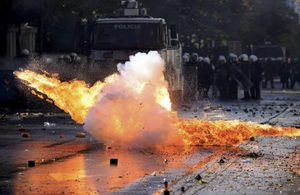
In one April incident, dozens of PTI workers clashed with police near the jail as they attempted to press for access, a confrontation that saw baton charges and arrests, according to local reporting.
This pattern underscores a broader strategy: deny physical proximity and legal counsel, and suppress organised political pressure, even as families and supporters pursue all available legal avenues.
Voices From The Streets And Civil Society:
The reactions among civil society groups and activists in Pakistan reflect deep dissatisfaction with the state’s conduct:
Human rights activists and journalists condemned the manhandling of Khan’s sisters, calling it a serious violation of their rights and an assault on democratic norms.
A Karachi-based digital rights advocate warned that in Pakistan, the line between countering misinformation and suppressing dissent has grown perilously thin under political pressure.
Public commentary on social media also suggests popular frustration and fear: many locals express sympathy for Khan’s legacy and anger at what they describe as a politically motivated attempt to crush a symbol of resistance. Current and former online discussions reflect a belief among supporters that Khan’s endurance, and their own activism, are part of a larger fight for Pakistan’s soul.
Pti’s Broader Mobilisation Strategy:
Despite institutional barriers, PTI has attempted to maintain a nationwide movement:
In mid-2025, Khan instructed party leadership to organise a national protest campaign from within jail, signalling that he aimed to lead the movement despite incarceration. PTI Senate leader Ali Zafar reiterated that the campaign would extend beyond Islamabad and reach every corner of the country.
Ahead of sit-ins, the party issued calls for workers and parliamentarians to gather, asserting that court orders were being deliberately ignored to block access to Khan.
Activists see these efforts not just as protests for Khan’s personal rights, but as a broader challenge to what they call the usurpation of democratic voice by the state.
Public Perception: A Leader And A Movement Silenced:
From grassroots activists to seasoned journalists, many in Pakistan interpret the state’s firm grip on Khan’s detention and isolation as a political manoeuvre to neutralise his popularity. This sentiment is echoed across social platforms and in private discussions among local communities, where Khan’s status, both as a cricketing legend and political figure, remains a polarising but potent force.
One widely shared online narrative described Khan as a symbol of resistance and expressed frustration at the suppression of his voice and the erosion of political freedoms.
Supporters argue that attempts to quell this movement through isolated detention, coupled with overt suppression of family, civil liberties, and protest rights, have only deepened public distrust in state institutions.
Conclusion: The Cost Of Political Captivity And Popular Resistance.
The evolving story of Imran Khan’s incarceration is not just about a high-profile political figure behind bars. It is an unfolding narrative of:
State power clashing with widespread popular support
Psychological deprivation wielded as political leverage
Activists and communities resisting systemic suppression
The current crisis demonstrates that the government is utilising deprivation and isolation as tools of political control, with potentially devastating effects on Khan’s mental and physical well-being, including violent crackdowns on peaceful sit-ins and repeated obstruction of legal rights and civic freedoms.
As protests and civil voices continue to surface despite heavy pressure, the struggle extends beyond Adiala Jail. What is at stake is not only one man’s future, but the resilience of democratic life and human rights in Pakistan.
Kamran Faqir is a volunteer investigative journalist and writer committed to exposing hidden truths and amplifying underreported stories. Driven by social justice, he brings sharp insight and fearless truth-telling to independent journalism. NUJ registered.
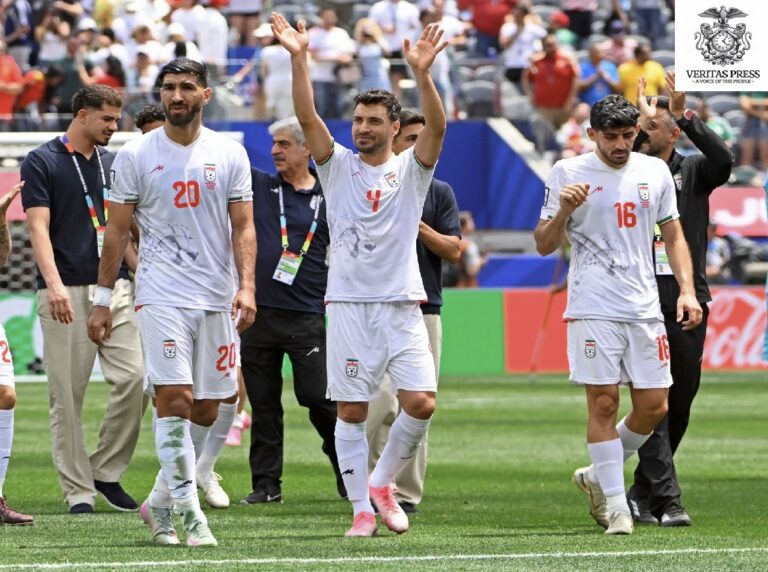
SEATTLE, TEHRAN — The U.S. Department of Homeland Security (DHS) will allow Iran’s national football team to enter the country 48 hours before their critical World Cup match against Egypt on Friday, a modest concession in a tournament where Team Melli’s travel conditions have sparked claims of oppression and competitive disadvantage.