Kamran Faqir is a volunteer investigative journalist and writer committed to exposing hidden truths and amplifying underreported stories. Driven by social justice, he brings sharp insight and fearless truth-telling to independent journalism. NUJ registered.
Title: Prevent On The Brink: How The Palestine Action Ban Risks Mass Criminalisation.
Press Release: Veritas Press C.I.C.
Author: Kamran Faqir
Article Date Published: 23 Nov 2025 at 10:30 GMT
Category: UK | Politics | Prevent On The Brink
Source(s): Veritas Press C.I.C. | Multi News Agencies
The UK government’s proscription of Palestine Action as a terrorist organisation has ignited a crisis within its own counter-terror architecture, sparking grave concerns that the Prevent programme could become a mechanism for penalising legitimate political dissent, especially efforts to show solidarity with Palestine.
A senior homeland security official, who works closely with Prevent and spoke on condition of anonymity, warns that the July 5 ban has already generated chaos for frontline practitioners. According to them, confusion is growing in schools, hospitals, and local authorities about how to interpret expressions of support for Palestine, and whether such expressions should trigger Prevent referrals.
“I’m concerned about a surge in referrals to Prevent linked to Palestine advocacy,” the official told The Guardian. “There is confusion … about whether certain cases should be referred to Prevent or not.”
“We have already seen police officers … mistakenly arrest or interfere with people for supporting Palestine, not supporting Palestine Action … what’s now the crime of support for Palestine Action might lead to the Prevent system becoming … a gateway for people to be wrongly criminalised, especially young people who don’t know the law and don’t know the consequences of expressing what might sound like … support for a group that, overnight, has become proscribed.”
Rising Referrals, Rising Pressure:
Official statistics for the year ending March 2025 show 8,778 Prevent referrals, a 27% jump from the previous year, the highest number on record since the data series began in 2015. Of those:
1,727 (20%) were discussed at a Channel panel.
1,472 (17%) were adopted as Channel cases.
The education sector made the most referrals (3,129; 36%), followed by the police (2,631; 30%).
These figures alarm some insiders, who point out that Prevent was already reeling from the fallout of the Southport attacks in July 2024, which exposed vulnerabilities in how the system identifies and handles individuals “obsessed with violence but without a clear terrorist ideology.”
“Prevent is already under unprecedented pressure,” the official said.
“The proscription has damaged trust … potentially eroding Prevent’s effectiveness to tackle the real issues even further.”
Free Speech, Legal Risk And The Chilling Effect:
Legal experts, rights organisations, and political figures are raising the alarm about the broader implications of the ban, framing it not just as a security concern but a threat to civil liberties.
Raza Husain KC, representing the co-founder of Palestine Action in court, condemned the ban in a High Court hearing as an “authoritarian and blatant abuse of power.” He argued that most of the group’s hundreds of actions were lawful, with only a handful crossing into criminality. The barrister warned that criminalising a direct-action civil disobedience group sets a chilling precedent in a mature democracy.
The UN’s High Commissioner for Human Rights, Volker Türk, weighed in with a stark rebuke. He described the UK’s move as “disproportionate and unnecessary.” According to Türk, the ban “restricts the rights of people who have not themselves engaged in any underlying criminal activity … rather exercised their rights to freedom of expression, peaceful assembly and association.”
Activist and campaigner voices are equally forceful. Naila Ahmed, Head of Campaigns at CAGE International, said the decision to proscribe Palestine Action risks criminalising a far broader movement: “Terrorism and proscription laws are now brazenly enabling the continuation of a livestreamed genocide.”
Meanwhile, civil society and digital rights groups are warning that the ban’s impact extends beyond the streets. Open Rights Group and Index on Censorship have raised major concerns about how the proscription combines with the Online Safety Act, risking over-censorship online. In a joint letter to Ofcom, they argue that vague definitions could lead platforms to remove or hide lawful pro-Palestine content out of fear of being penalised.
Public Outcry And Civil Disobedience:
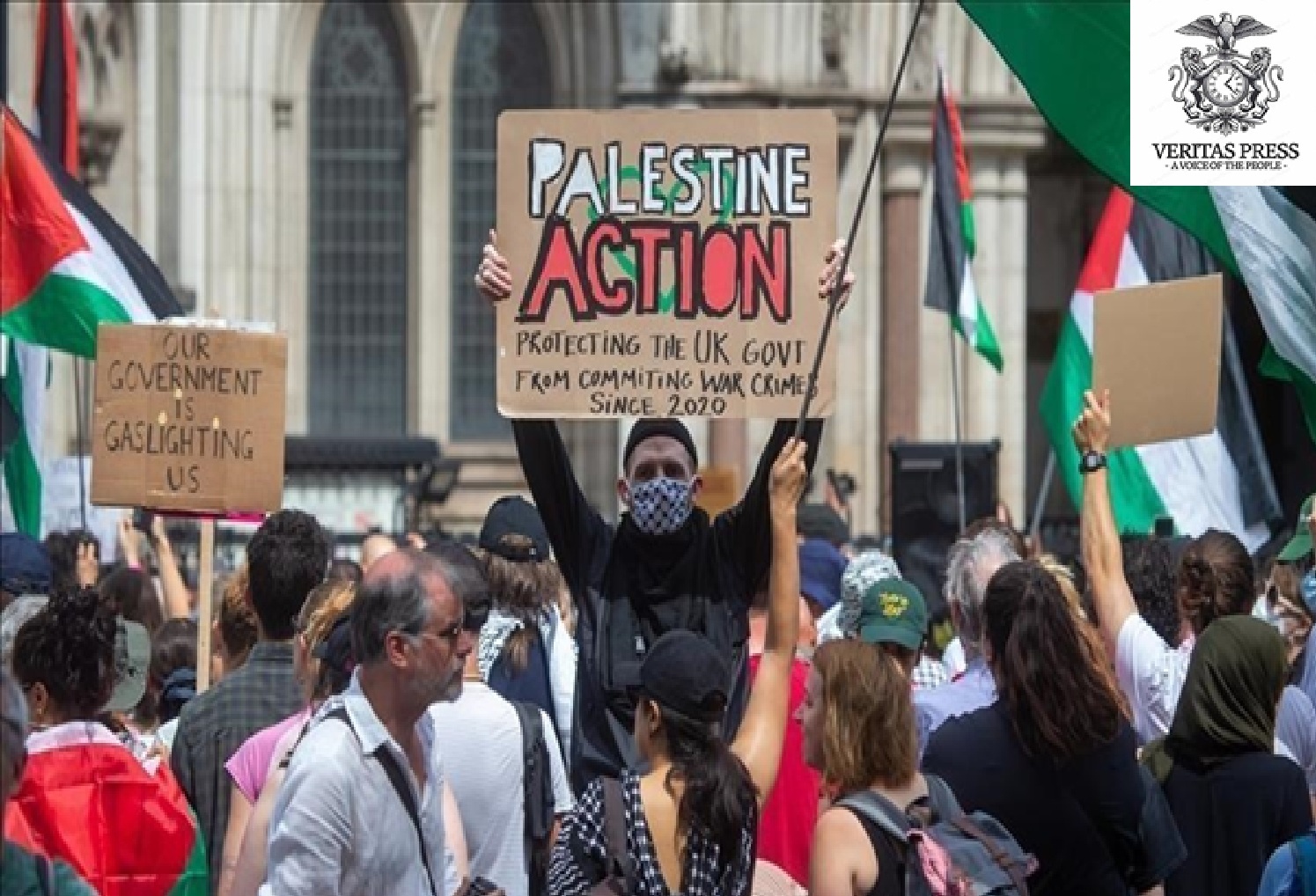
Public reaction has been intense and polarised. On one hand, pro-Palestine campaigners, civil rights groups, and theologians have condemned the ban as a direct assault on political speech. On the other hand, critics argue that the group’s tactics, including breaking into a military base, justify firm legal action.
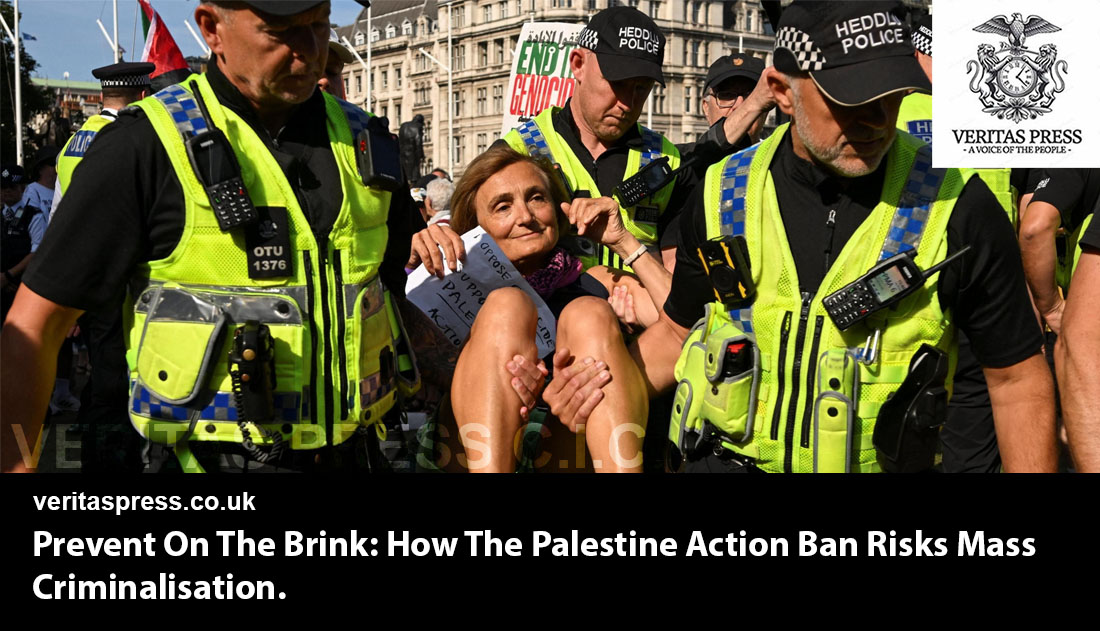
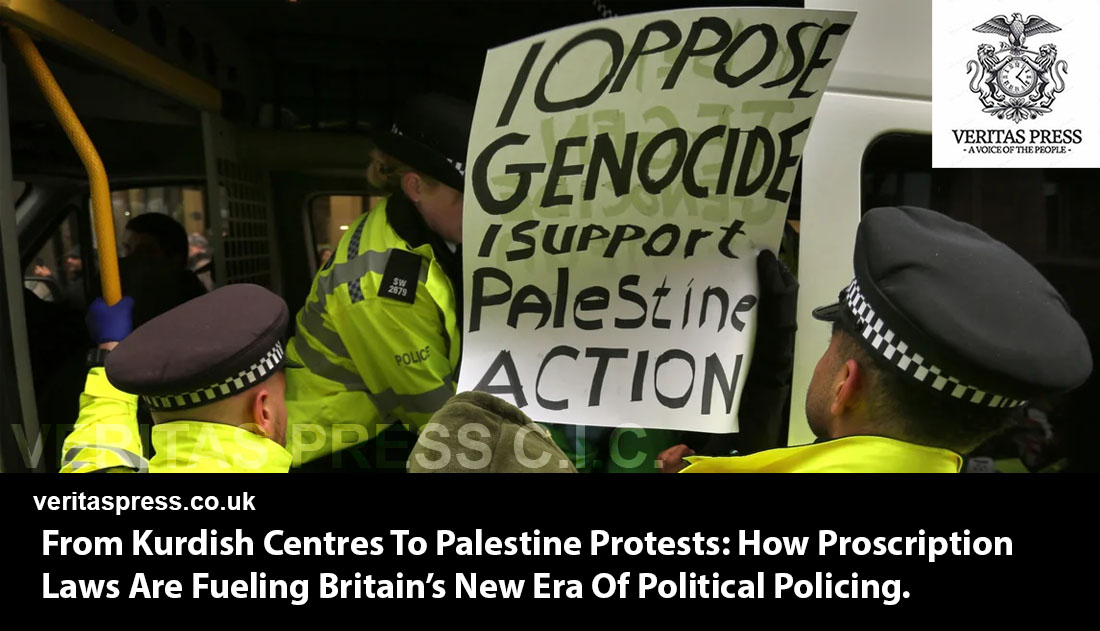
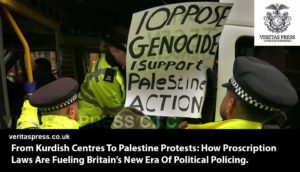
A striking example came from Reverend Sue Parfitt, an Anglican priest arrested for holding a placard reading “I oppose genocide, I support Palestine Action”. She insisted that “Palestine Action is not a terrorist organisation,” underscoring the moral and political dimension of the resistance.
Meanwhile, some members of the public express confusion and fear. On social platforms, one user wrote:
“The fact that saying ‘I don’t think Palestine action should be proscribed … is potentially a terror offence should raise serious free speech concerns … I would hope figures on the right … will come out against this decision.”
Political Stakes And Accountability:
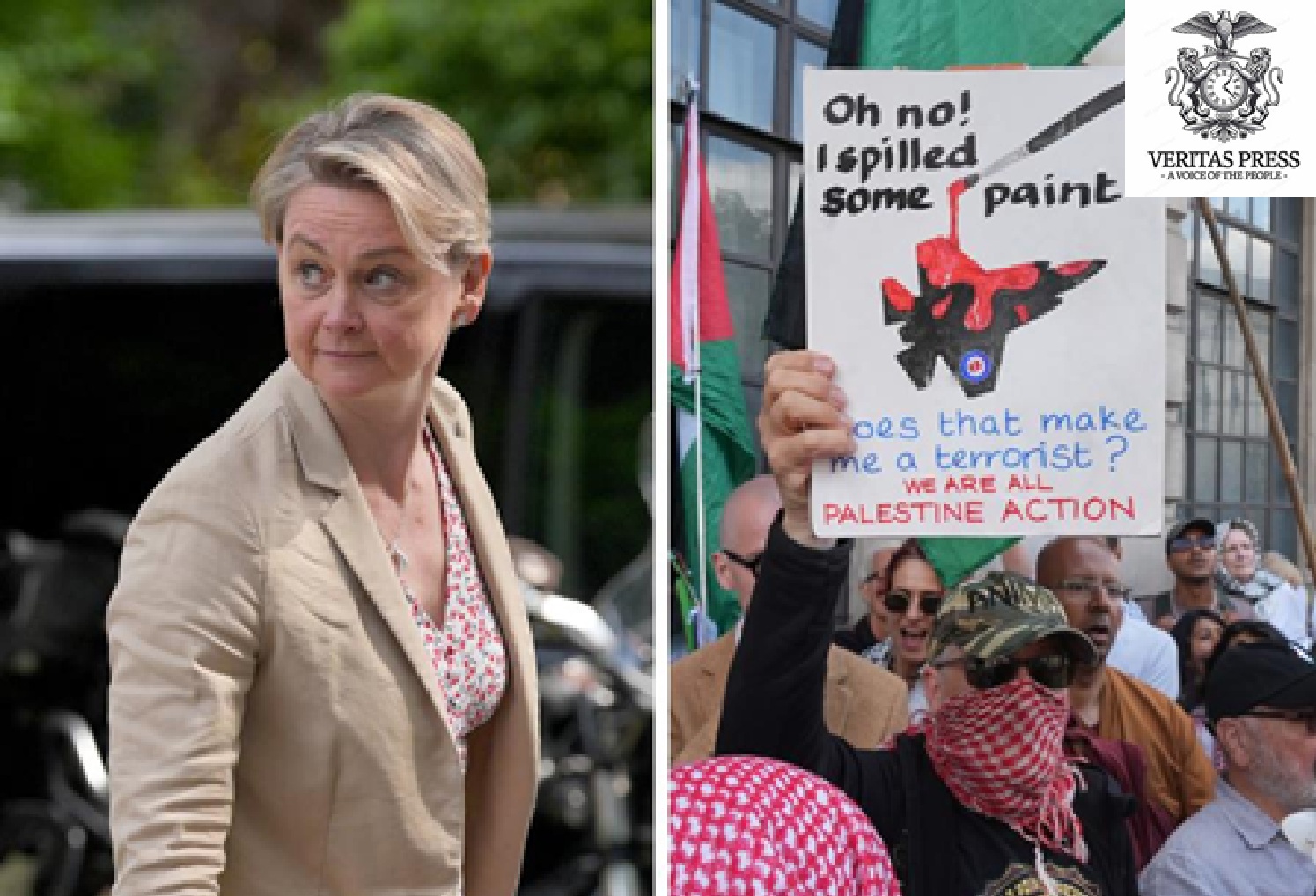
For the government, the stakes are high. Home Secretary Yvette Cooper argued the ban was necessary after Palestine Action activists broke into RAF Brize Norton, damaging two aircraft. The Metropolitan Police have warned that expressing support for the banned organisation can lead to arrest, citing their capacity and willingness to enforce the proscription under the Terrorism Act.
But critics accuse ministers of weaponising anti-terror powers for political ends. In Parliament, opponents have warned that the action places a direct-action civil group that does not advocate bodily harm in the same legal category as al-Qaeda or ISIS, a move that critics say undermines democratic norms and stifles dissent.
What This Means For Prevent:
The central concern raised by the homeland security insider is that Prevent was never designed to police political opinion, especially not non-violent protest or civil disobedience.
If frontline practitioners are now forced to interpret vague boundaries, deciding whether someone’s statement of solidarity with Palestine crosses into “support for a proscribed organisation”, the risk of wrongful referrals is real. And once referred, individuals may enter a system that can stigmatise and surveil without strong legal safeguards.
“Young people don’t know the law,” the official warns. “They could be criminalised for expressing views they held long before the proscription.”
Some analysts argue that this is not just a domestic security issue; it also undermines the legitimacy of Prevent. If large numbers of peaceful, politically active citizens feel they are being treated as potential radicals, trust in counter-terror institutions could erode, making it harder to identify and support those who genuinely need intervention.
Conclusion:
The ban on Palestine Action is more than just the proscription of a direct-action group; it is a crucible for questions about free speech, political dissent, and how the state defines extremism in 21st-century Britain.
As the High Court weighs legal challenges, the debate is already playing out on the ground. Schools, health services, and community organisations now face the burden of policing political belief; young people risk being drawn into Prevent for expressing solidarity; and civil society warns that an entire movement’s activism may be criminalised.
In the words of the homeland security insider:
“Prevent faces a crucial test, to remain a safeguarding programme, not a political gating system. But the way things are going, that line is becoming dangerously thin.”
Kamran Faqir is a volunteer investigative journalist and writer committed to exposing hidden truths and amplifying underreported stories. Driven by social justice, he brings sharp insight and fearless truth-telling to independent journalism. NUJ registered.
SEATTLE, TEHRAN — The U.S. Department of Homeland Security (DHS) will allow Iran’s national football team to enter the country 48 hours before their critical World Cup match against Egypt on Friday, a modest concession in a tournament where Team Melli’s travel conditions have sparked claims of oppression and competitive disadvantage.