Kamran Faqir is a volunteer investigative journalist and writer committed to exposing hidden truths and amplifying underreported stories. Driven by social justice, he brings sharp insight and fearless truth-telling to independent journalism. NUJ registered.
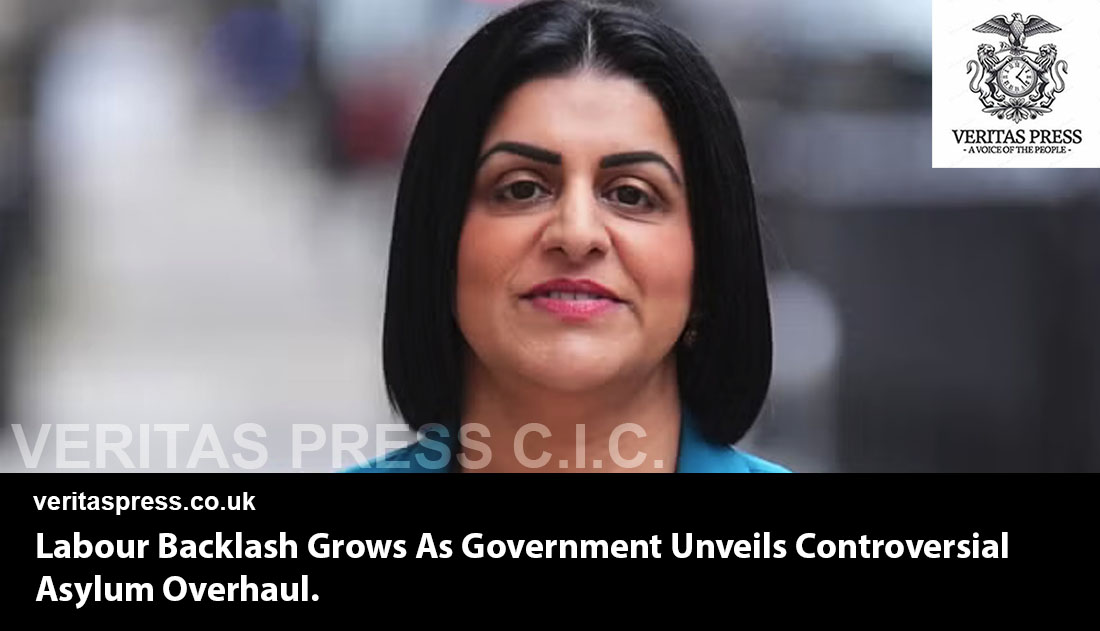
Title: Labour Backlash Grows As Government Unveils Controversial Asylum Overhaul.
Press Release: Veritas Press C.I.C.
Author: Kamran Faqir
Article Date Published: 17 Nov 2025 at 17:10 GMT
Category: UK | Politics |Labour Backlash Grows As Government
Source(s): Veritas Press C.I.C. | Multi News Agencies
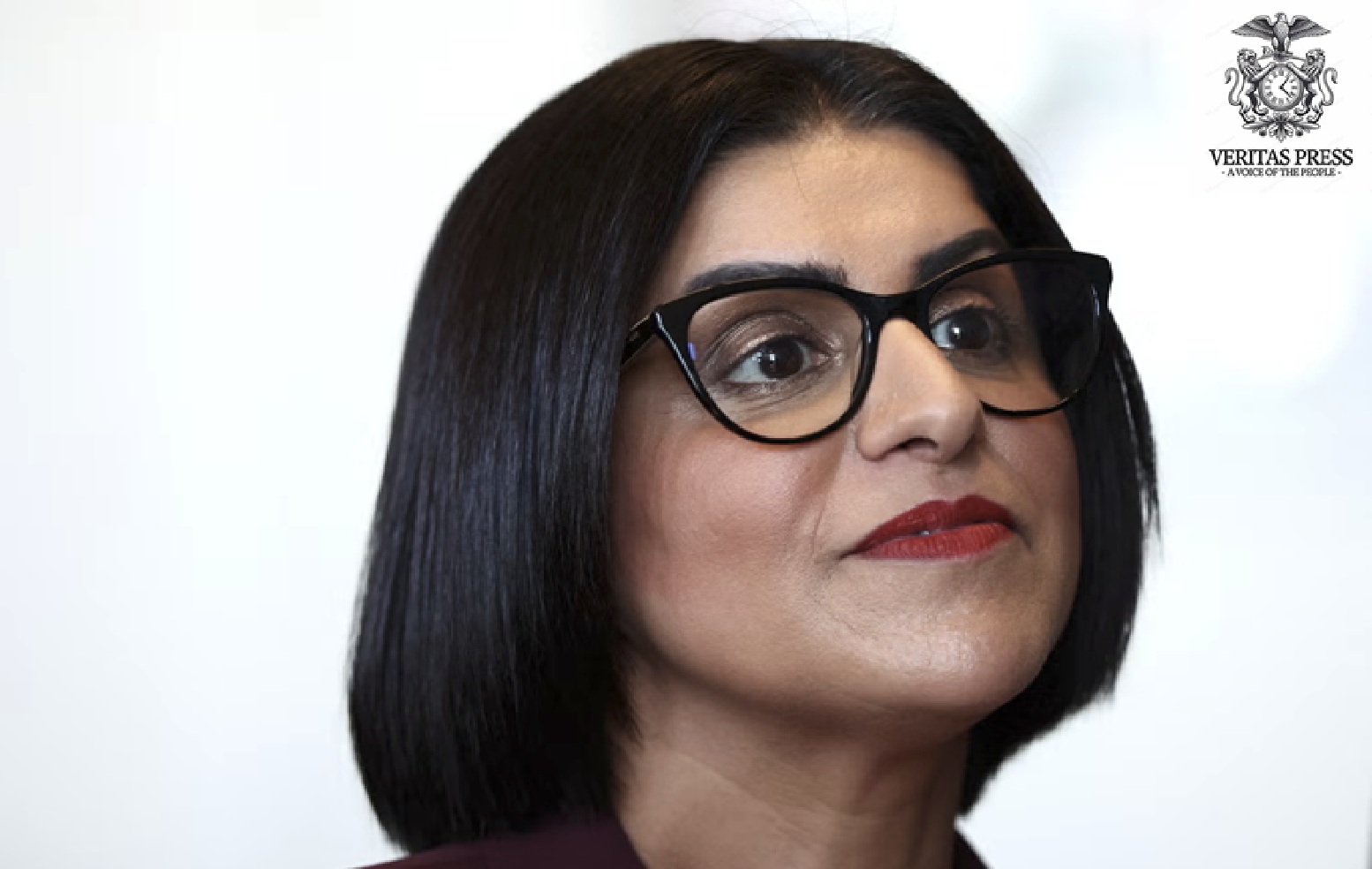
The Labour government is facing mounting criticism from backbench MPs and campaigners as Home Secretary Shabana Mahmood unveils sweeping reforms to the UK asylum system. The measures, which have been described as “dystopian” and “cruel,” aim to overhaul human rights protections, shorten refugee status durations, and extend the time required for indefinite leave to remain.
Backbench MPs Voice Strong Opposition
Labour backbenchers have publicly voiced their opposition to the plans, accusing the government of “chasing Reform” and adopting policies more closely aligned with the far right. Nottingham East MP Nadia Whittome described the proposals as a “shameful” attack on the rights and protections of people who have endured trauma.
“The Denmark-style policies briefed in the last couple of days are dystopian,” Whittome told the Commons. “How can we be adopting such obviously cruel policies? Is the Home Secretary proud that the government has sunk to the point where Tommy Robinson praises it?”
Richard Burgon, a member of the Socialist Campaign Group, warned that Labour risks alienating its base by embracing far-right rhetoric. “These policies seem to have been dragged from the moral sewer,” he said, noting that far-right figures such as Stephen Yaxley-Lennon (Tommy Robinson) are celebrating the reforms.
Other backbenchers labelled the plans a “visionless shambles” and expressed concern that “performative cruelty” would undermine genuine efforts to address migration challenges.
Mahmood Outlines Sweeping Reforms
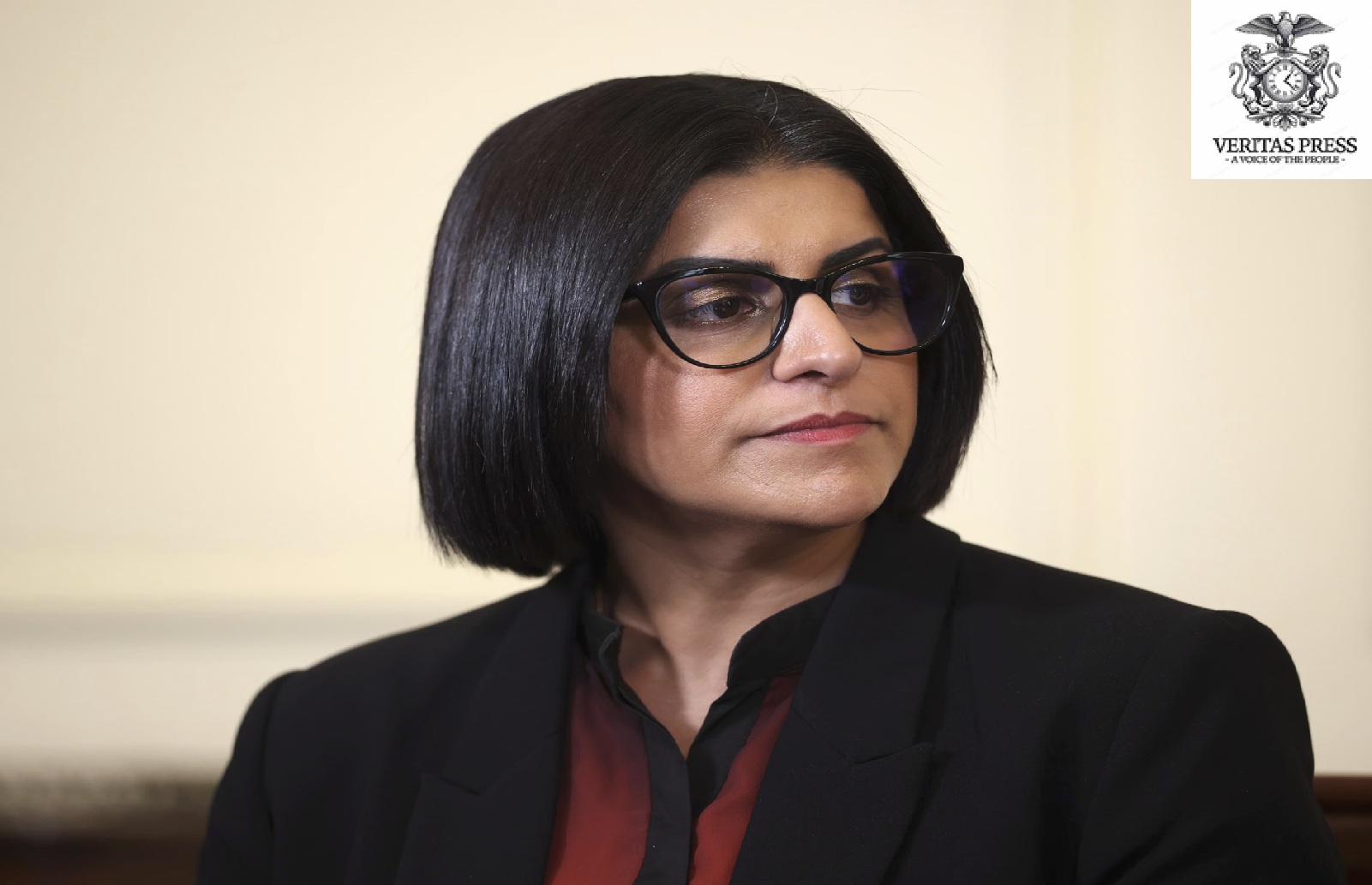
Home Secretary Mahmood has defended the overhaul, stressing the need to tackle “illegal migration” and to reform the asylum system, which she described as “broken” and causing division across the country. Among the key measures:
Refugee status will be reduced from five years to two-and-a-half years.
Asylum seekers will need to wait up to 20 years to claim indefinite leave to remain and gain British citizenship, a measure widely criticised as cruel, although exceptions may be made for those who use “safe and legal routes,” find work, and contribute to society.
Human rights laws, including interpretations of the European Convention on Human Rights (ECHR), may be revised to prevent claims of family life from blocking deportations.
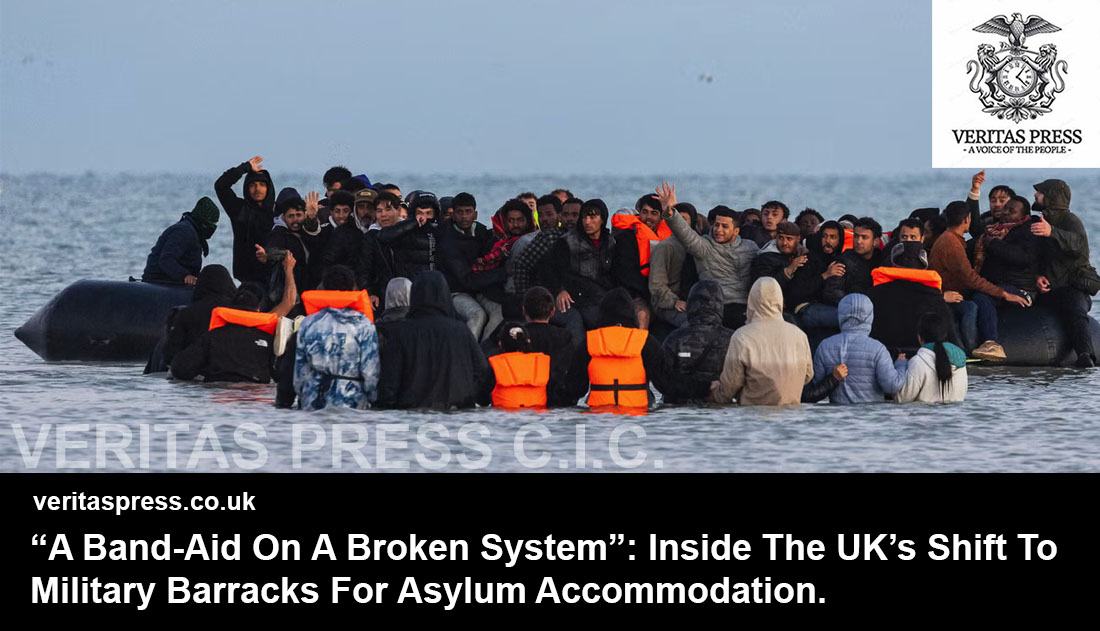
Mahmood emphasised that the reforms are designed to address “pull factors” driving dangerous Channel crossings and cited Denmark’s strict asylum policies as inspiration. She denied that the policies are racist, stating, “People are angry about something real.”
Critics Warn Against Denmark Comparisons:
Experts have warned that Denmark’s model is not transferable to the UK due to differences in population size, colonial history, diaspora communities, and global influence. Enver Solomon, chief executive of the Refugee Council, highlighted that asylum seekers often come to the UK due to language and community connections, not because the UK is perceived as soft.
Green Party co-deputy leader Mothin Ali condemned the reforms as a “brutal step backwards” and accused the government of scapegoating vulnerable refugees for political gain. Liberal Democrat leader Ed Davey expressed concern that the 20-year wait for settled status and British citizenship could prevent refugees from fully contributing to society.
Political Implications and Backlash:
Labour’s approach has drawn widespread condemnation, with critics arguing it risks pushing voters toward progressive parties or further emboldening the far right. Reform UK’s head of policy, Zia Yusuf, suggested that the government would face resistance from its own MPs, limiting the reforms’ effectiveness.
Polling from Luke Tryl at More in Common indicates that while some proposed measures may be popular with Labour voters, they are less well-received by Green supporters and other progressive constituencies.
Controversial Proposals on Asylum Costs:
The government has faced criticism for plans that could require asylum seekers to contribute to the cost of processing their applications, including potentially seizing valuables (i.e. reports of jewellery). Critics have described these measures as echoing some of the worst historical treatment of refugees. Sunder Katwala, director of British Future, has highlighted the tension between principles of social contribution and the humane treatment of vulnerable individuals.
Starmer and the Official Position:
Prime Minister Sir Keir Starmer has defended the reforms as a necessary response to increased global migration pressures, emphasising the UK’s commitment to welcoming those genuinely fleeing danger. In a 32-page dossier, Starmer noted that the current system places “severe strain” on the asylum system and broader social contract, and stressed the need for an “approach with a stronger deterrent effect and rules that are robustly enforced.”
However, the backlash from Labour MPs suggests deep divisions within the party over the ethical and political implications of Mahmood’s proposals. Critics argue that the reforms may prioritise political optics over the humanitarian principles that traditionally underpin the UK’s asylum system.
Next Steps
The full details of Mahmood’s asylum reforms are set to be debated in Parliament in the coming weeks. Opposition from backbench Labour MPs, as well as civil society groups, may force amendments or delays. The unfolding debate highlights the tension between public concerns over migration, political strategy, and the UK’s obligations to refugees under international law.
The Labour government now faces a defining moment: whether to proceed with a far-reaching crackdown that critics warn is morally and politically perilous, or to chart a course that balances border management with human rights and compassion for asylum seekers.
Conclusion:
The proposed asylum reforms reveal a Labour government at a crossroads: a party caught between public anxiety over migration and its historic commitment to human rights and compassion. By adopting measures inspired by far-right policies, such as the 20-year route to citizenship, temporary refugee status, and the potential confiscation of personal belongings, the government risks undermining the very moral authority that has long distinguished the UK in global refugee protection.
Civil society and experts have repeatedly warned that such punitive measures are not only morally troubling but also politically myopic. They fail to account for the UK’s historical and linguistic connections to regions where persecution and conflict are rife, and they risk fostering resentment among both asylum seekers and domestic communities. Furthermore, the celebration of these policies by far-right figures underscores the dangerous political signal being sent: that vulnerable people can be used as pawns in a populist battle for votes.
Ultimately, Mahmood’s overhaul may temporarily appeal to public fears, but it threatens to erode the principles of social democracy and humanitarian leadership. The Labour government faces a critical test: whether it will persist with a punitive, performative approach, or recalibrate its policies to balance border management with human dignity, international obligations, and the UK’s long-standing commitment to offering sanctuary to those fleeing unimaginable harm.
Kamran Faqir is a volunteer investigative journalist and writer committed to exposing hidden truths and amplifying underreported stories. Driven by social justice, he brings sharp insight and fearless truth-telling to independent journalism. NUJ registered.
SEATTLE, TEHRAN — The U.S. Department of Homeland Security (DHS) will allow Iran’s national football team to enter the country 48 hours before their critical World Cup match against Egypt on Friday, a modest concession in a tournament where Team Melli’s travel conditions have sparked claims of oppression and competitive disadvantage.