Kamran Faqir is a volunteer investigative journalist and writer committed to exposing hidden truths and amplifying underreported stories. Driven by social justice, he brings sharp insight and fearless truth-telling to independent journalism. NUJ registered.
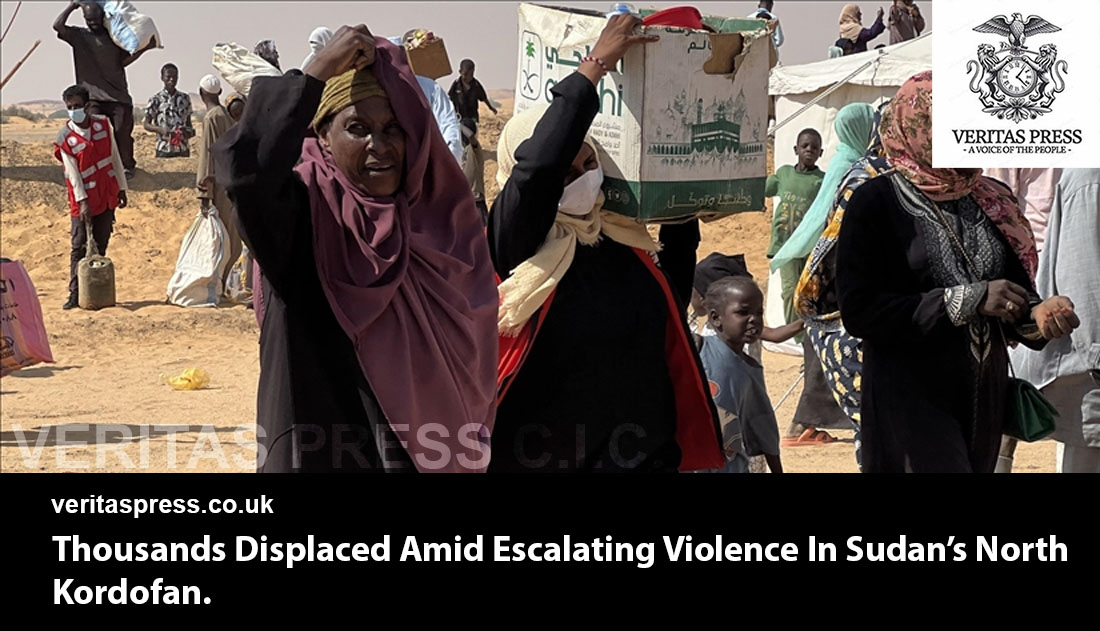
El Obeid, Sudan — More than 2,000 civilians have fled their homes in Sudan’s North Kordofan state amid escalating clashes between the Sudanese Armed Forces (SAF) and the paramilitary Rapid Support Forces (RSF), marking a new front in the country’s widening war. As fighting encroaches on once-stable towns, aid agencies warn that worsening insecurity is pushing the region toward humanitarian collapse.
A New Epicentre Of Displacement:
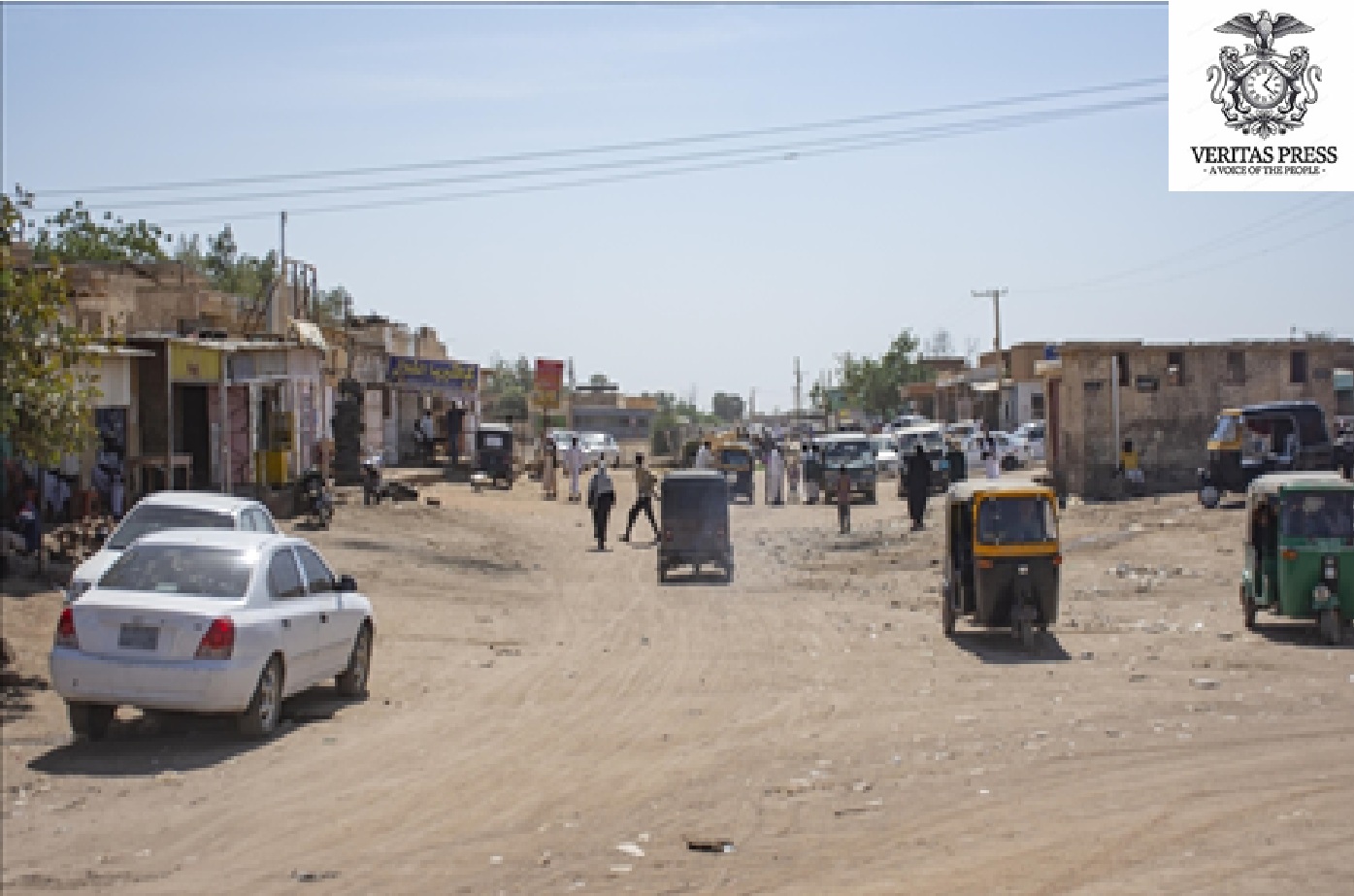
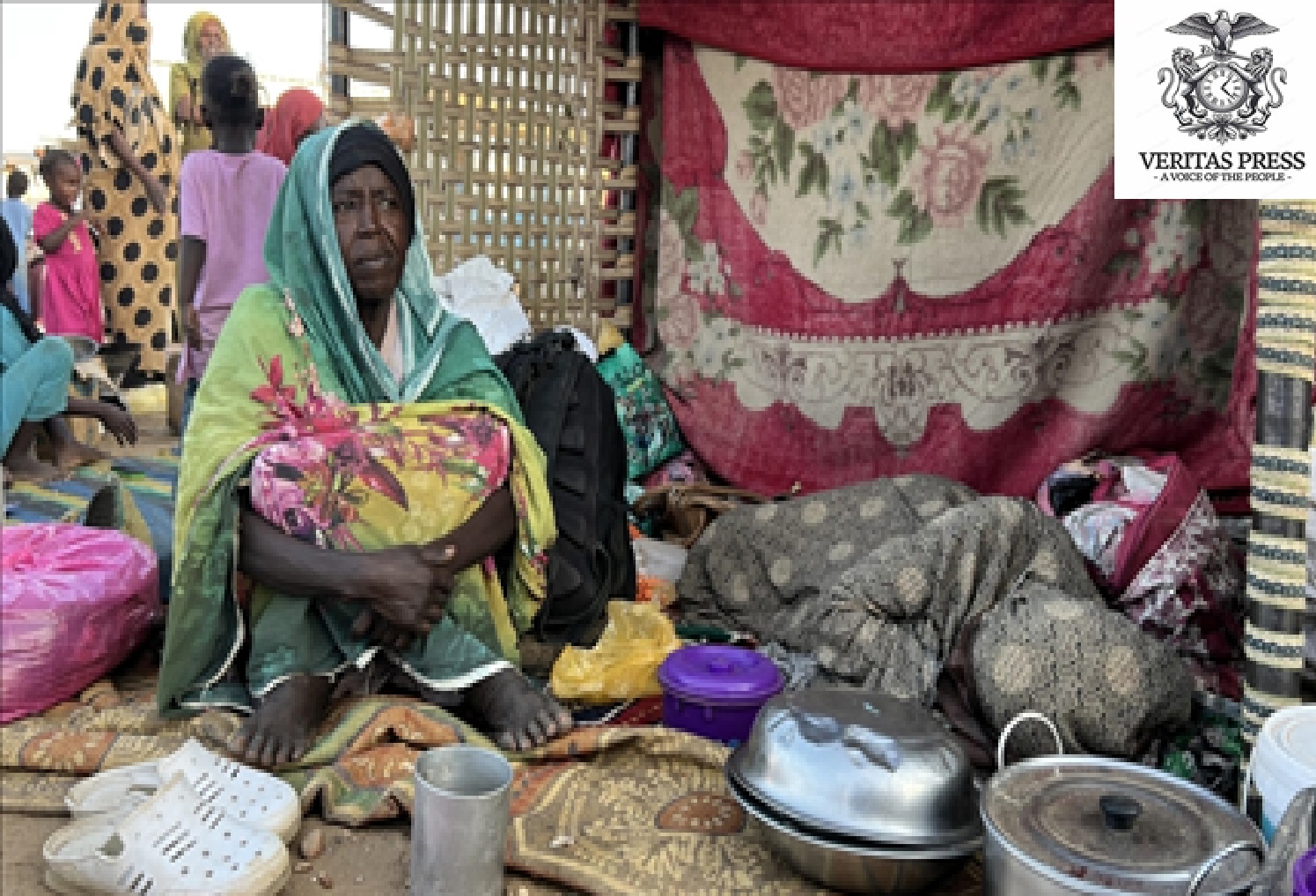
According to the UN’s International Organisation for Migration (IOM), more than 1,900 people have been newly displaced in the state in recent weeks. Most fled from Um Rawaba and Barah localities after armed confrontations spread toward residential areas.
“People ran with only what they could carry,” said Fatima Ibrahim, a teacher from Um Rawaba who fled with her three children. “The RSF came through the market shooting in the air. The army responded, and we were trapped between them. There was no food, no water, nothing left.”
Local activists in El Obeid told Al Jazeera that markets, schools, and health centres have shut down amid fear of advancing RSF convoys. “The road to El Obeid is now a death route,” said Abdelrahman Yousif, a civil society volunteer. “Anyone trying to leave risks being stopped, robbed, or worse.”
A State On The Brink:
North Kordofan, a key supply route linking Khartoum and Darfur, had been relatively stable compared to other regions since the war erupted in April 2023. But the RSF’s recent push eastward signals what analysts describe as a dangerous expansion of the conflict.
A recent UN OCHA report warned that the violence “threatens to cut off humanitarian lifelines to Darfur and the central states,” already hosting tens of thousands of displaced people. Aid convoys have been repeatedly looted, with several drivers abducted along the El Obeid–Khartoum road.
“This war is metastasising,” said Sudanese analyst Kholood Khair, founder of Confluence Advisory. “As both the SAF and RSF dig in, communities that were previously safe are now under direct threat, and the humanitarian system cannot cope with the speed of the collapse.”
Humanitarian Crisis Deepens:
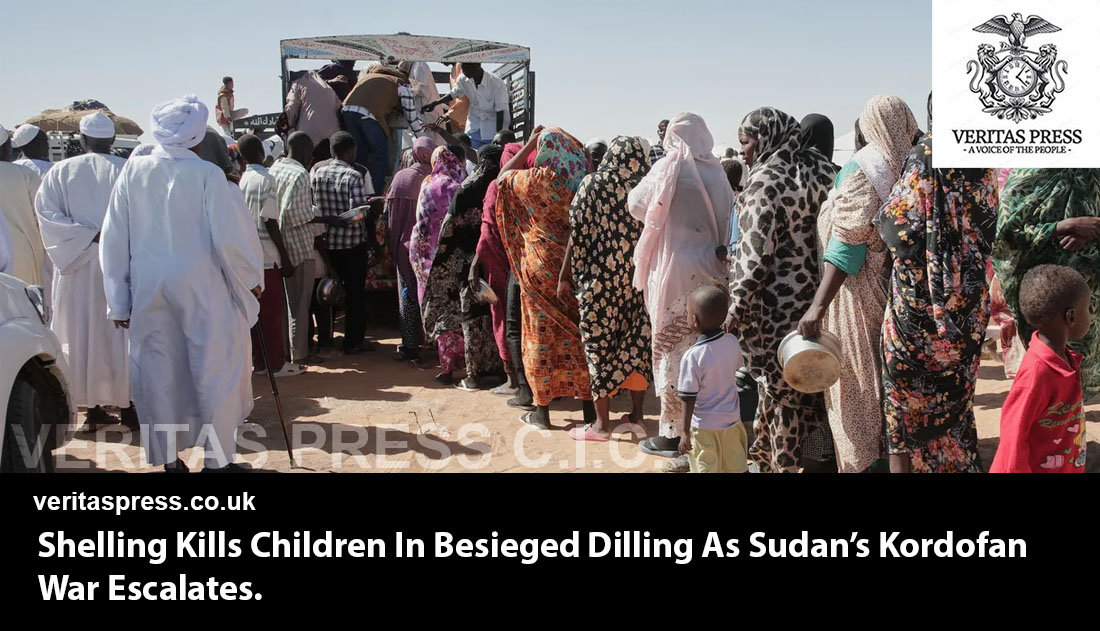
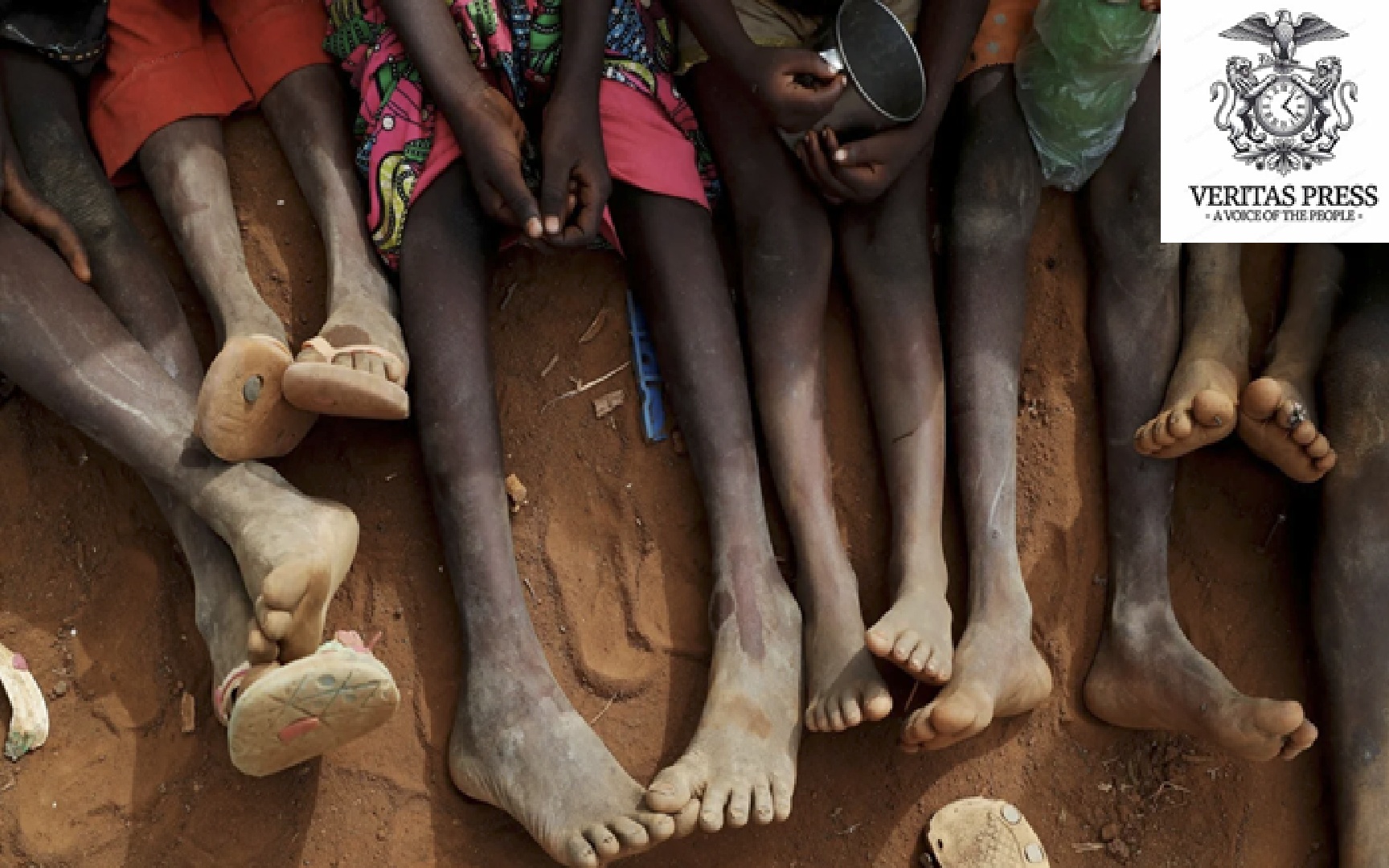
Humanitarian organisations report that displaced families are sheltering in schools and mosques with minimal access to food, clean water, or medicine. Médecins Sans Frontières (MSF) said medical supplies in El Obeid are “dangerously low,” while UNICEF warned of rising malnutrition among children.
“North Kordofan is turning into another Darfur,”saidUNHCR spokesperson Olga Sarrado. “We are seeing desperate people moving in waves, some walking for days to reach safety.”
The World Food Programme (WFP), which temporarily halted operations in the area after several attacks on its staff, said renewed insecurity could derail aid to hundreds of thousands of people in central Sudan.
Voices from the Ground:
Eyewitnesses described chaotic scenes as civilians attempted to flee advancing RSF units. “They took our livestock, our grain, even our phones,” said Hassan Abdallah, a farmer from the village of Al-Rahad. “The army promised to protect us, but they disappeared the moment fighting began.”
Community leaders have accused both sides of exploiting civilians. “The SAF shells indiscriminately, while the RSF raids homes under the pretext of searching for soldiers,” said Imam Mohamed El-Hadi of El Obeid. “It’s the people who pay the price.”
Government Denials And International Inaction:
Sudan’s Transitional Sovereign Council, aligned with the army, has denied reports of large-scale displacement, calling them “exaggerated fabrications by foreign agents.” However, satellite imagery verified by Reuters shows burning villages and mass movements along key highways.
Human rights groups accuse both warring parties of committing war crimes. Human Rights Watch said the RSF continues to target civilians in “a pattern of deliberate terror,” while the SAF’s aerial bombardments of populated areas “violate international humanitarian law.”
Despite repeated international condemnations, analysts say the global response remains largely rhetorical. “The UN Security Council is paralysed, and regional actors are pursuing their own interests,” said Jonas Horner, a Sudan researcher formerly with the International Crisis Group. “In the meantime, civilians are being erased from the map.”
An Unfolding Disaster:
For many in North Kordofan, the conflict’s spread marks the end of fragile hopes for stability. “We used to hear about war in Darfur and think it was far away,” said Fatima, the displaced teacher. “Now it has come to our doorstep. We don’t know where to go next.”
Aid groups warn that without immediate access and security guarantees, the humanitarian fallout could become catastrophic. “We are witnessing a complete collapse of civilian protection,” said Martin Griffiths, the UN’s humanitarian chief. “North Kordofan is now at the frontline of Sudan’s disintegration.”
Analysis: A War Without Borders
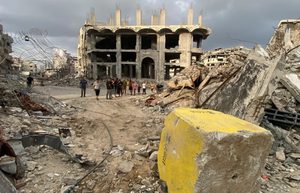
The violence in North Kordofan underscores how Sudan’s civil war, originally concentrated in Khartoum and Darfur, has metastasised across the country. Analysts warn that unless a ceasefire and aid corridors are urgently established, millions more could be displaced in the coming months.
The RSF’s eastern advance may also be a strategic attempt to sever supply routes and tighten its grip on trade corridors. Meanwhile, the army’s heavy bombardments have left urban centres uninhabitable, trapping civilians between two predatory forces.
As the world’s attention shifts elsewhere, Sudan’s slow-motion collapse risks becoming one of the century’s worst humanitarian disasters, largely unseen and unaddressed.
Conclusion: A Nation Dismantled For Profit.
Sudan’s humanitarian catastrophe is not only a story of internal collapse, it is a ledger of international complicity. Behind every burned village and mass grave lies a chain of interests that stretches far beyond its borders: generals and warlords on the ground, foreign benefactors in regional capitals, and corporations in Western boardrooms quietly profiting from the country’s implosion.
As the Rapid Support Forces (RSF) and Sudanese Armed Forces (SAF) tear the nation apart, both are sustained by the same global economy that claims to decry their violence. The RSF’s war machine is lubricated by gold smuggling networks that feed directly into Dubai’s bullion markets, where Emirati traders and Russian intermediaries purchase gold extracted from mines seized by militias. According to Global Witness, millions of dollars in gold have been exported to the Gulf since 2023, much of it under the control of RSF-linked companies.
But the profiteering doesn’t stop there. Those same supply chains, once laundered through Dubai, feed into global refineries and Western tech industries. The gold, tantalum, and rare earth minerals smuggled out of Sudan are repurposed into smartphones, electric vehicle batteries, and microchips, the building blocks of modern technology. While civilians in North Kordofan are displaced, multinational tech and electronics giants benefit indirectly from mineral flows that originate in conflict zones, protected by opaque intermediaries and deregulated trade routes.
“Sudan’s gold and mineral networks have become a lifeline for both the war economy and Western consumption,” saidBakry Eljack, a Sudan analyst and public policy professor at Long Island University. “When we trace the chain from the RSF’s gold mines to consumer markets, we find the fingerprints of some of the world’s largest corporations.”
Even as Western governments issue statements condemning atrocities, their financial institutions, refineries, and commodity traders continue to sustain the system. European and North American companies with links to mineral supply chains have repeatedly resisted transparency measures, citing “market confidentiality.” This veil of anonymity allows blood-stained minerals to move from Sudan’s deserts into the global economy, repackaged as symbols of innovation and sustainability.
In the words of one Sudanese activist from El Obeid, “They take our gold to build their phones while we bury our children in the dirt.”
The geopolitical beneficiaries are equally clear. The UAE and Russia have turned Sudan into a resource hub, extracting gold and securing logistics corridors to the Red Sea, while Egypt and Turkey pursue influence through military and economic patronage. Western powers, meanwhile, remain paralysed, their selective outrage masking a deeper dependence on the commodities fueling the conflict.
The war has become a perverse equilibrium: every airstrike and mass displacement opens new ground for extraction, every smuggled shipment enriches those far removed from the suffering. Sudan’s collapse is not just a failure of governance; it is a global business model of war and wealth.
As Imam El-Hadi from El Obeid lamented: “No one protects us, not the army, not the RSF, not the world. They all take something from us, our land, our gold, our lives.”
Until the international networks that sustain Sudan’s war economy are dismantled, from Gulf financiers and Russian mercenaries to Western corporations quietly embedding blood minerals in their technologies, North Kordofan’s tragedy will remain only one chapter in a wider story of global complicity.
The displacement of 2,000 civilians is not an isolated statistic; it is a warning. Sudan’s destruction is no longer confined by its borders, it is embedded in the circuitry of global capitalism itself.
Kamran Faqir is a volunteer investigative journalist and writer committed to exposing hidden truths and amplifying underreported stories. Driven by social justice, he brings sharp insight and fearless truth-telling to independent journalism. NUJ registered.
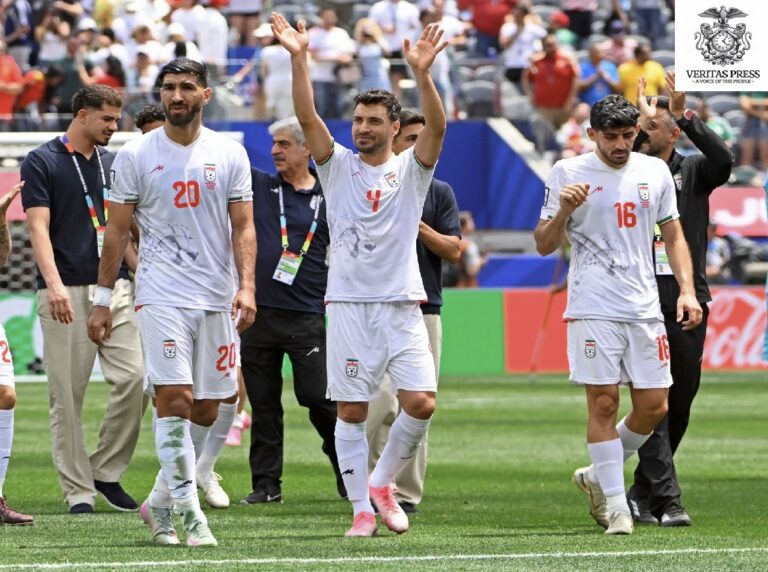
SEATTLE, TEHRAN — The U.S. Department of Homeland Security (DHS) will allow Iran’s national football team to enter the country 48 hours before their critical World Cup match against Egypt on Friday, a modest concession in a tournament where Team Melli’s travel conditions have sparked claims of oppression and competitive disadvantage.