


Press Release: Veritas Press C.I.C.
Author: Kamran Faqir
Article Date Published: 06 Nov 2025 at 18:10 GMT
Category: Middle-East | Palestine-Gaza-West Bank | Tent-Fires And Blackouts
Source(s): Veritas Press C.I.C. | Multi News Agencies
Website: www.veritaspress.co.uk

Business Ads

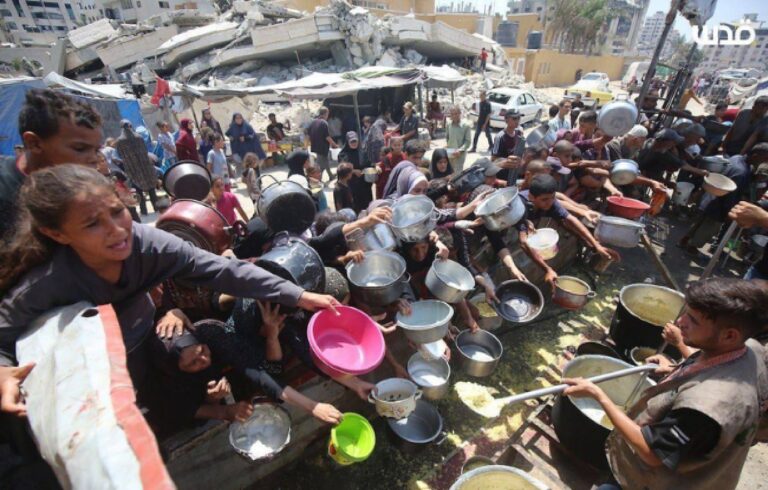
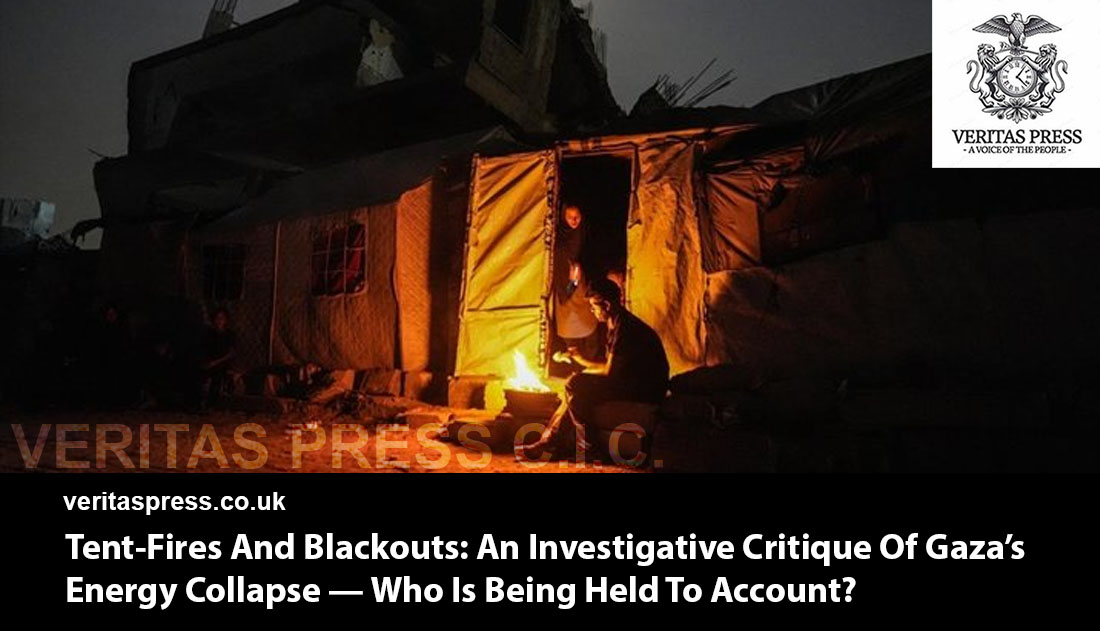
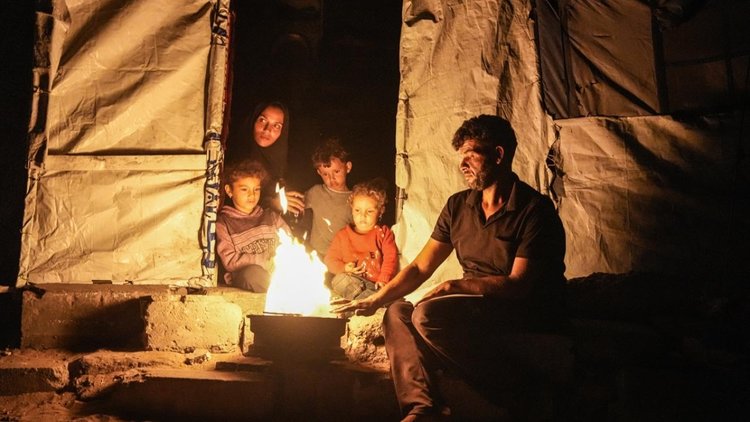
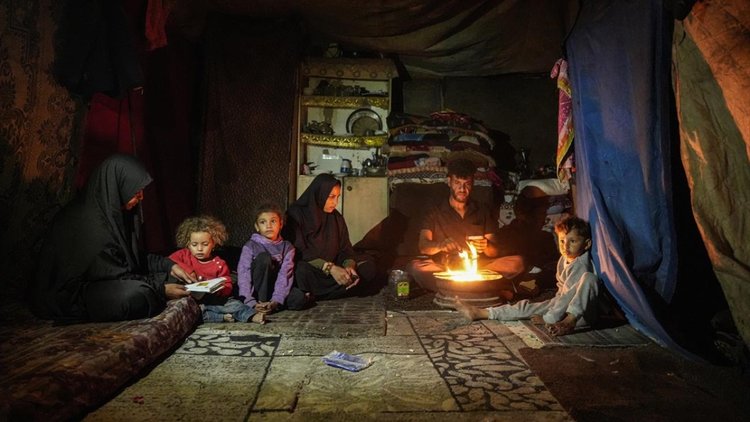
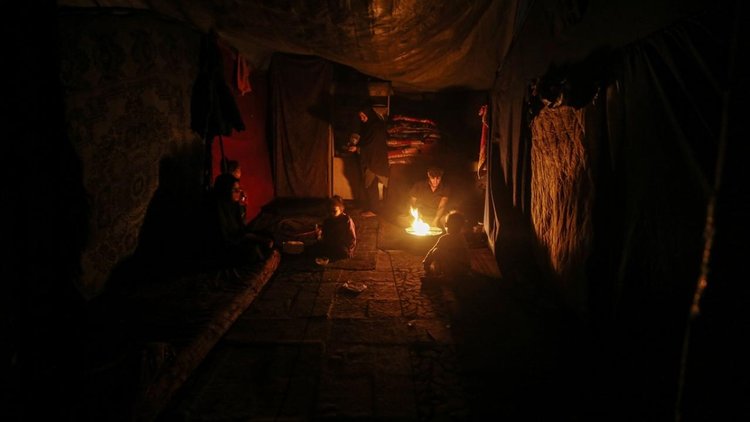
GAZA CITY — On the night of 5 November 2025, photographers captured a scene that should have disappeared from the 21st century: whole families huddled inside nylon tents, small open flames licking at plastic and rags so children could see and the elderly could stave off the cold. The image, an emergency measure turned everyday habit, is now one of Gaza’s defining public health crises: people burning anything combustible because electricity, cooking fuel and safe heating are unavailable.
This is not a hardship in isolation. It is the predictable, cumulative collapse of an energy system that underpins hospitals, water plants, food and humanitarian logistics. It is also, increasingly, a political question about responsibility and the law. This piece sharpens the investigative frame: who broke Gaza’s energy lifelines, what choices sustain that breakage, how agencies on the ground describe the consequences, and what, if anything, the international community is doing to stop the slow attrition of life in Gaza.
“Energy Is Survival”, The Humanitarian Case:
The Palestine Shelter Cluster and NORCAP’s June 2025 assessment, Restoring Dignity: The Urgent Need for Energy Access in Gaza, is blunt: energy is the invisible thread that keeps hospitals, water, kitchens and humanitarian logistics running, and that thread has been severed. “In Gaza, energy is not about convenience, it’s about survival,” said Benedicte Giæver, Executive Director of NORCAP, in the report that underpins this crisis analysis. The assessment documents how ventilators, incubators, vaccine cold chains, desalination plants and sewage systems now depend on precarious, dwindling fuel supplies.
The United Nations agencies: OCHA, WHO, UNRWA, WFP and others, issued joint warnings in mid-2025 that fuel shortages had reached critical levels, threatening the operation of hospitals, ambulances, water and sanitation systems, bakeries and communications. The UN warned that without sustained fuel flows, “lifelines will vanish for 2.1 million people.” That’s not bureaucratic hyperbole; it is a description of everyday functions failing: incubators go dark, dialysis stops, hospitals ration oxygen, and desalination output drops dramatically.
Eyewitness Voices: Smoke, Cold And Impossible Choices.
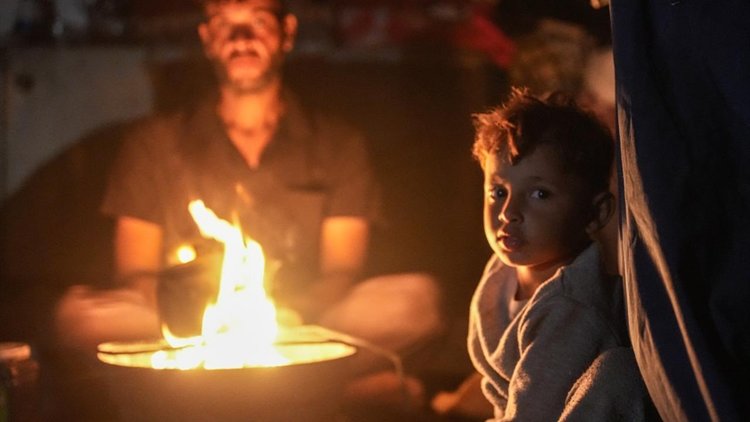
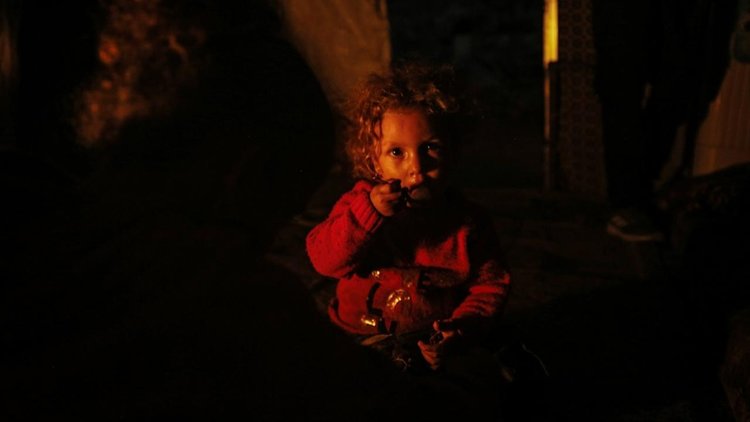
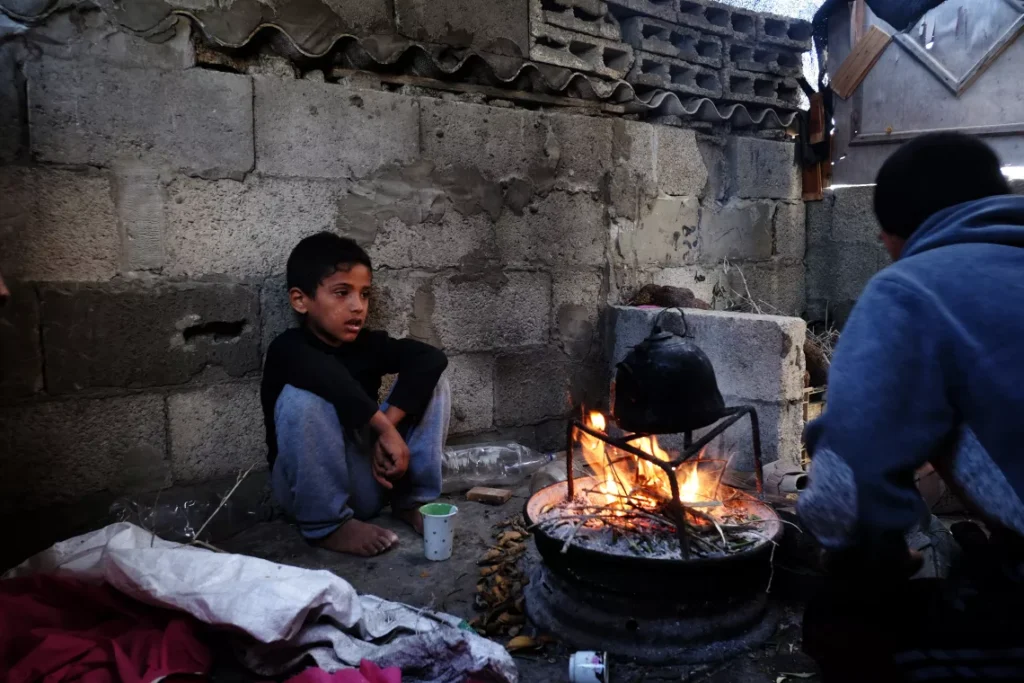
The human testimony is stark and consistent. Aid workers and journalists report families cooking over open fires inside tents using wood, plastic and debris, practices that release toxic fumes and create lethal carbon monoxide risk. Shadia Aiyada, a mother quoted by the Associated Press describing winter in tent camps, said: “We get scared every time we learn from the weather forecast that rainy and windy days are coming up… We fear that strong, windy weather would knock out our tents one day while we’re inside.” That fear is compounded by a lack of heat and light: families choose between freezing, smoke inhalation, and the danger of tent fires.
Photographs and local testimony collected on 4–6 November show the same mechanics: small, unsafe fires for light and warmth. Displaced families such as the Abu Naji household, who fled destruction in Magraka, describe nights paced by coughing children, the smell of plastic burning, and the constant worry that a single gust or a stray ember could turn a tent into a death trap. (Field imagery and captions published by Anadolu reinforce these eyewitness scenes.)
Infrastructure destroyed, energy imports curtailed, the mechanics of blackout, A layered explanation emerges from reconstruction and humanitarian assessments:
- Physical destruction: The World Bank’s September 2025 briefing documents that roughly 80% of Gaza’s generation and distribution assets have been destroyed or rendered inoperable since October 2023. The report also estimates the energy sector will require about US$1.46 billion to recover core generation and distribution capacity. That degree of physical damage makes recovery both costly and slow.
- Fuel denial and restricted imports: Even where generators exist, fuel is scarce. UN bodies repeatedly warned in 2025 that fuel stocks were at critical lows, forcing hospitals and bakeries to ration or shut down. The UN’s joint statement of 12 July 2025 warned that without fuel, lifesaving services face imminent shutdown.
- Intermittent imports and policy constraints: Power imports from Israel and reconnection attempts have been fragile and politically mediated; lines that briefly supplied partial electricity have been cut repeatedly. OCHA documented rolling cuts averaging 12–16 hours a day and worse when lines fail or generators run dry.
In short: destruction + blockade/restrictions + fuel shortfalls = systemic blackout.
The Legal And Political Argument: Collective Punishment?
Several Palestinian rights groups and legal monitors characterise the outage not as collateral failure but as a component of coercive policy. The Palestinian Centre for Human Rights (PCHR) has explicitly described the continued denial of electricity and fuel as tantamount to collective punishment and has called for accountability, including referrals to international mechanisms. PCHR’s analysis frames energy denial as intentionally designed to render life unlivable and to dismantle the basics of collective life in Gaza.
That allegation is powerful because international humanitarian law prohibits collective punishment. The humanitarian agencies stop short of legal labels but describe the effects in equally stark terms: the deliberate or reckless deprivation of fuel and electricity that imperils health, water and food access must be addressed immediately. The line between military necessity and unlawful collective privation depends on intent, proportionality, and measures taken to spare civilians, questions that need independent, transparent investigation.
On Hospitals: The Front Line Of Failure.
Anecdotes become proof when hospitals publish logs of generator hours, cancelled surgeries, and babies lost to cold. International agencies report health facilities burning through diesel at rates they cannot sustain; one field note recorded a hospital consuming 650 litres/hour on generator power when fuel was available, a rate impossible to maintain across longer outages. Medics have described performing procedures by the light of mobile phones and torches; AP reported medics attributing several infant hypothermia deaths to the lack of heat in makeshift shelters during cold snaps.
Humanitarian actors warn this is not an episodic stressor but a structural collapse: the cold chain for vaccines is broken, neonatal intensive care units operate at reduced capacity, and dialysis patients depend on ad-hoc arrangements that cannot last.
Why Aid Deliveries Don’t Fix The Problem:
A recurring, under-reported point: the arrival of food or blankets does not solve energy dependency. Food that requires cooking becomes nutritionally less useful if families lack fuel. Vaccines and medicines require refrigeration. Water treatment needs electricity. NORCAP and the Shelter Cluster emphasise that aid packages must include fuel, solar kits, safe cookstoves and rapid repair of critical energy infrastructure, or households will be forced back to hazardous coping strategies (burning plastic, risking tent fires).
The UN and Shelter Cluster call for an integrated energy component in all humanitarian planning: fuel corridors for hospitals, conditional approvals to transport bulk diesel, distribution of safe LPG cookstoves and batteries, and the scaling of solar micro-grids for critical facilities.
Who Is Accountable And What That Accountability Could Look Like:
This is the investigative fork: identify the actors who control energy flows and explain what choices sustain denial:
- Direct control over imports and lines: Electricity in Gaza has long depended on a mix of local generation and imported power. In 2024–25, several import lines and the Gaza power plant were damaged or shut down by the IDF. External authorities that control cross-border supply and approvals for fuel and equipment, including Israeli authorities and Egyptian transit controls for some flows, have a gating role. Where import approvals are withheld, the international legal question of whether that withholding is punitive or militarily necessary arises. Reports by PCHR and legal NGOs argue the pattern meets criteria for collective punishment; humanitarian agencies describe the immediate risks.
- Military operations and infrastructure targeting: The destruction of generation and distribution assets has been widespread; the World Bank notes catastrophic losses to energy assets. Investigators should catalogue attacks on energy infrastructure, the intent and military advantage claimed for such attacks, and whether feasible precautions were taken to spare civilians. The repeated cutting of partial reconnections, lines restored, then severed, merits focused scrutiny.
- International complicity via inaction: Donor states, states controlling logistics, and agencies that allow essential goods to be blocked or delayed share responsibility where political calculations override urgent humanitarian needs. The failure to secure sustained fuel corridors, or to demand protection for civilian infrastructure as a condition of wider cooperation, is a political choice with human consequences.
- Local governance and Hamas administration: Where possible, responses should also inspect whether local governance, where still functioning, has had access to resources and the capacity to prioritise services and to manage scarce supplies transparently. But the lived reality overwhelmingly shows civilians bearing the brunt of blockades and bombardment beyond the control of local service providers.
On the evidence: what investigators and journalists should seek next
A robust inquiry should assemble a specific evidence trail:
- Technical logs: generator run times, hospital fuel receipts, desalination output before and after disconnections, satellite imagery of transmission lines and power plant damage.
- Approval records: applications for fuel or spare parts that were delayed or denied, and communications between Israeli/Egyptian authorities and international agencies.
- Witness testimony: consistent, sworn statements from hospital managers, water engineers, aid coordinators and displaced families about when services failed and how they were denied.
- Chain of custody on humanitarian fuel: laboratory checks and tracking to see if fuel intended for hospitals was detained or delayed.
- Legal analysis: independent counsel to examine whether actions amount to collective punishment or other IHL violations.
Immediate Remedies, What Must Change Now:
Humanitarians on the ground and rights groups converge on an immediate package of measures that would reduce deaths and illness:
- Unimpeded, guaranteed fuel corridors for hospitals, water plants and essential services, with international monitoring and independent third-party verification. (UN agencies called for precisely this in July 2025.)
- Emergency solar micro-grids and battery kits were deployed rapidly to hospitals, water pumping stations and major shelters, an interim lifeline until full grid repair. NORCAP recommends scaling off-grid solutions as part of any response.
- Distribution of safe cookstoves and LPG to stop the dangerous practice of burning plastics and tyres, immediately reducing toxic smoke exposure.
- Prioritised repair of desalination and sewage plants under strict protection and with donor funding, to prevent waterborne disease outbreaks.
A Final, Plain Indictment: Whose Morality Is Measured?
Images of tent fires in Gaza are not merely moving photographs, they should be documentary evidence in a political and legal file. They show a predictable pattern: destruction of infrastructure, restrictions on fuel and materials, and political choices about what will be permitted or blocked. Humanitarian agencies call it a crisis of survival; rights groups call it collective punishment; families call it a daily calculus between freezing or poisoning their children with smoke.
Benedicte Giæver’s line remains the clearest ethical yardstick: “We cannot talk about restoring dignity or rebuilding lives without addressing energy.” Any reconstruction plan that ignores this central fact is an exercise in make-believe. Donors, mediators and states with leverage must treat energy not as a peripheral sector but as the immediate, non-negotiable infrastructure of life. The question for investigators is no longer hypothetical: what choices, by whom, allowed electricity to be turned into a weapon? And for policy makers: will they act now to end the blackout, or leave families to keep lighting fires in the tents?
Conclusion: A Manufactured Darkness Energy As A Weapon Of War.
The fires burning inside Gaza’s tents are not simply a sign of resilience; they are symbols of deliberate deprivation. This is not a natural disaster, nor the byproduct of war’s chaos. It is a systematic, calculated assault on civilian infrastructure, a slow, suffocating strategy of collective punishment carried out under the guise of “security.” Gaza’s blackout is not the failure of an electric grid, but the manifestation of a policy that seeks to extinguish not just light, but life itself.
Human rights organisations, including Human Rights Watch, Amnesty International, and Al Mezan Centre for Human Rights, have consistently described Israel’s blockade and destruction of Gaza’s energy sector as a form of collective punishment prohibited under the Fourth Geneva Convention. The UN Office for the Coordination of Humanitarian Affairs (OCHA) reported in October that fuel deliveries for hospitals and desalination plants had fallen to less than 5% of pre-war levels, while Israel continues to bar critical spare parts and solar panels from entering the Strip under “dual-use” restrictions.
“Every day the lights stay off in Gaza, more lives are lost in hospitals, more children breathe toxic smoke, and more families are forced into impossible choices,” said Benedicte Giæver, Executive Director of NORCAP, in a statement accompanying the Restoring Dignity report. “Energy access is not a luxury. It is the foundation of survival.”
Inside Gaza, doctors, parents, and aid workers describe a world collapsing into medieval darkness. Dr. Samer al-Haddad, an emergency physician in Deir al-Balah, told journalists: “When the power dies, the machines die. Every time the lights go out, we lose another patient. It’s not fate, it’s policy.” His testimony mirrors dozens of similar accounts gathered by field researchers, documenting the lethal impact of deliberate energy deprivation.
Fadwa Abu Naji, a displaced mother of four from Maghazi refugee camp, said her family now lights fires inside their tent for warmth and light: “We burn plastic and wood from broken shelters. The smoke makes us cough, but what choice do we have? The cold and darkness are worse.” Humanitarian monitors warn that inhaling such fumes poses long-term health risks, particularly to children and the elderly.
Experts say Gaza’s energy collapse cannot be separated from the broader machinery of siege. Tareq Baconi, a political analyst with Al-Shabaka, explained: “Electricity is part of the control architecture of occupation; it regulates who can live and who can die. Gaza’s darkness is designed.”
International law is clear: the occupying power bears responsibility for the welfare of civilians under its control. Yet Israel’s systematic targeting of fuel depots, solar installations, and power infrastructure, coupled with bureaucratic restrictions on energy imports, amounts to what some analysts are now calling “infrastructural warfare”: the use of deprivation as a method of domination.
Despite mounting documentation, the response from global powers remains muted. The United States, which continues to supply Israel with military and financial aid, has failed to demand the restoration of power and fuel access. The European Union, while pledging humanitarian funds, has largely avoided confronting the structural causes of Gaza’s blackout. Even UN agencies, under immense political pressure, have struggled to push for a binding mechanism ensuring an uninterrupted energy supply.
As Rami Abdu, head of the Euro-Med Human Rights Monitor, warned: “Gaza’s energy crisis is not collateral damage, it is a weapon of war. The international community’s silence is complicity.”
If the world continues to treat Gaza’s darkness as an unfortunate side effect rather than a deliberate policy, this humanitarian catastrophe will deepen into an irreversible collapse. Restoring dignity in Gaza begins not with aid trucks, but with accountability, for those who engineer blackouts, obstruct fuel deliveries, and profit from Gaza’s enforced dependency.
Until governments act, until the U.S., EU, and UN Security Council confront the political structures sustaining this siege, Gaza will remain trapped between starvation and suffocation, its families lighting toxic fires just to see their children’s faces. The question is no longer whether the world knows, but whether it will finally turn on the light.