Kamran Faqir is a volunteer investigative journalist and writer committed to exposing hidden truths and amplifying underreported stories. Driven by social justice, he brings sharp insight and fearless truth-telling to independent journalism. NUJ registered.
Press Release: Veritas Press C.I.C.
Author: Kamran Faqir
Article Date Published: 23 Oct 2025 at 11:10 GMT
Category: Middle-East | Palestine-Gaza-West Bank | Extremist Minister’s Prison Video
Source(s): Veritas Press C.I.C. | Multi News Agencies
Business Ads
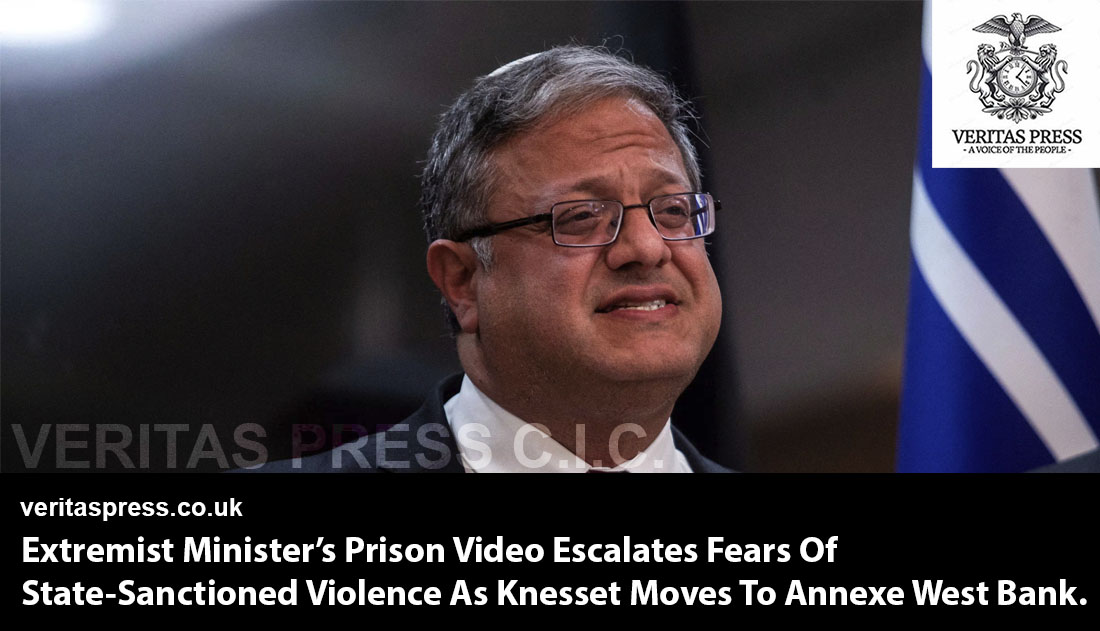
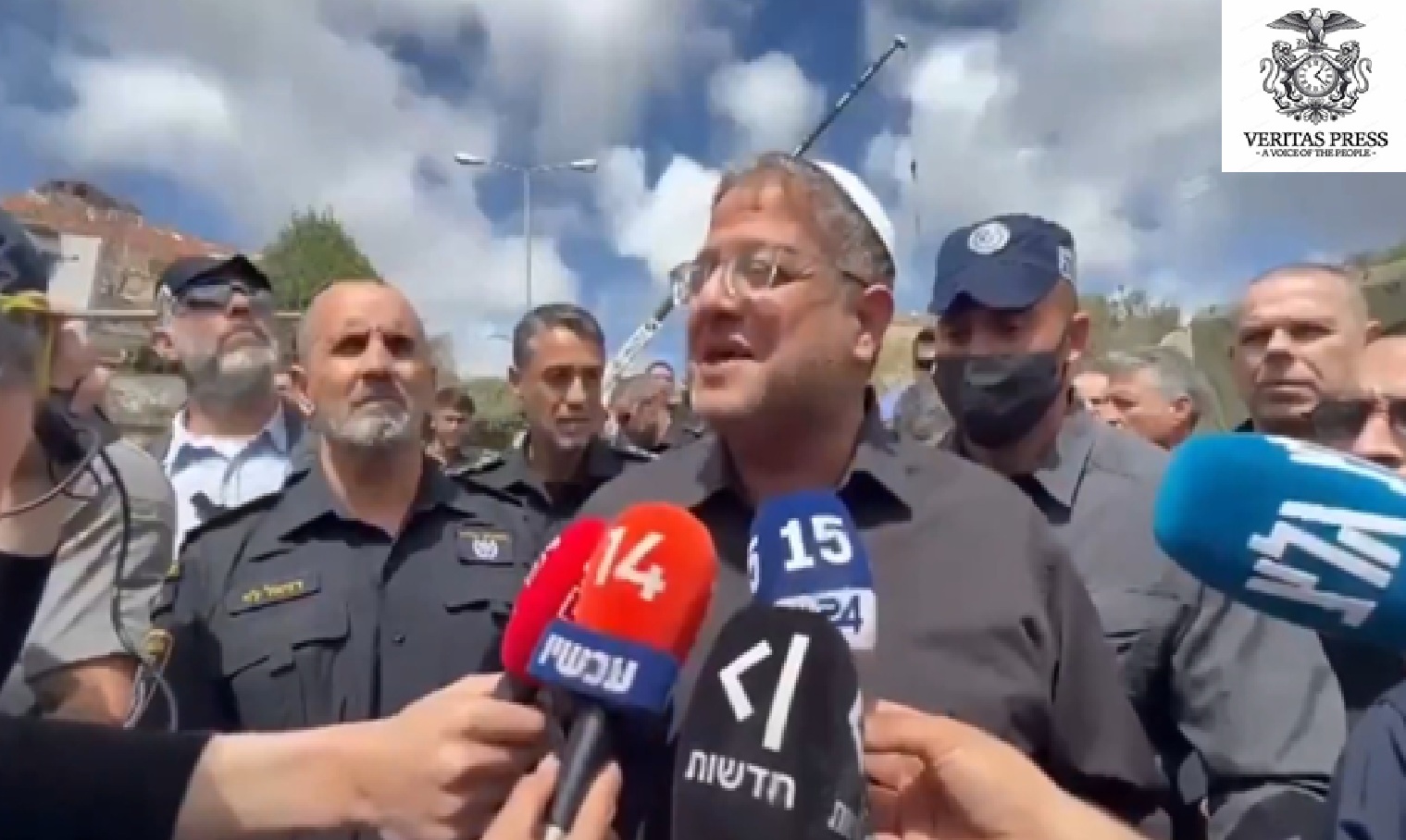
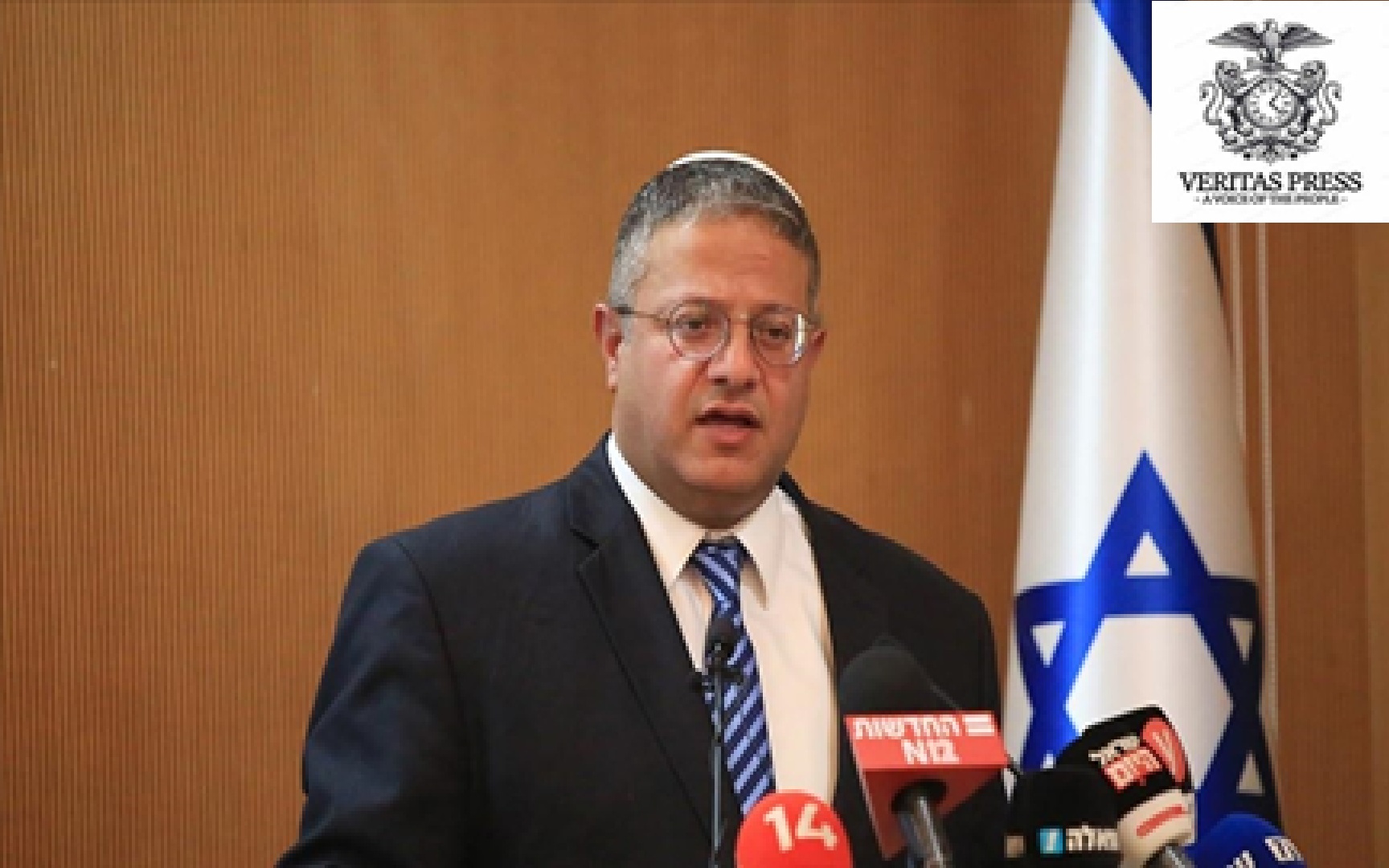
A new, widely circulated video of Israel’s National Security Minister, Itamar Ben-Gvir, has reignited international alarm over the treatment of Palestinian prisoners and the normalisation of violent rhetoric from the highest levels of the Israeli government. The footage, posted by the minister and amplified across social media, shows Ben-Gvir inside a prison confronting Palestinian detainees, taunting them and openly demanding harsher measures, including the implementation of the death penalty for those he labels “terrorists.” The episode has been condemned by rights groups, Palestinian officials and parts of the international community as a disturbing example of dehumanising, punitive policy being performed and legitimised by a cabinet minister.
The Footage And Its Context:
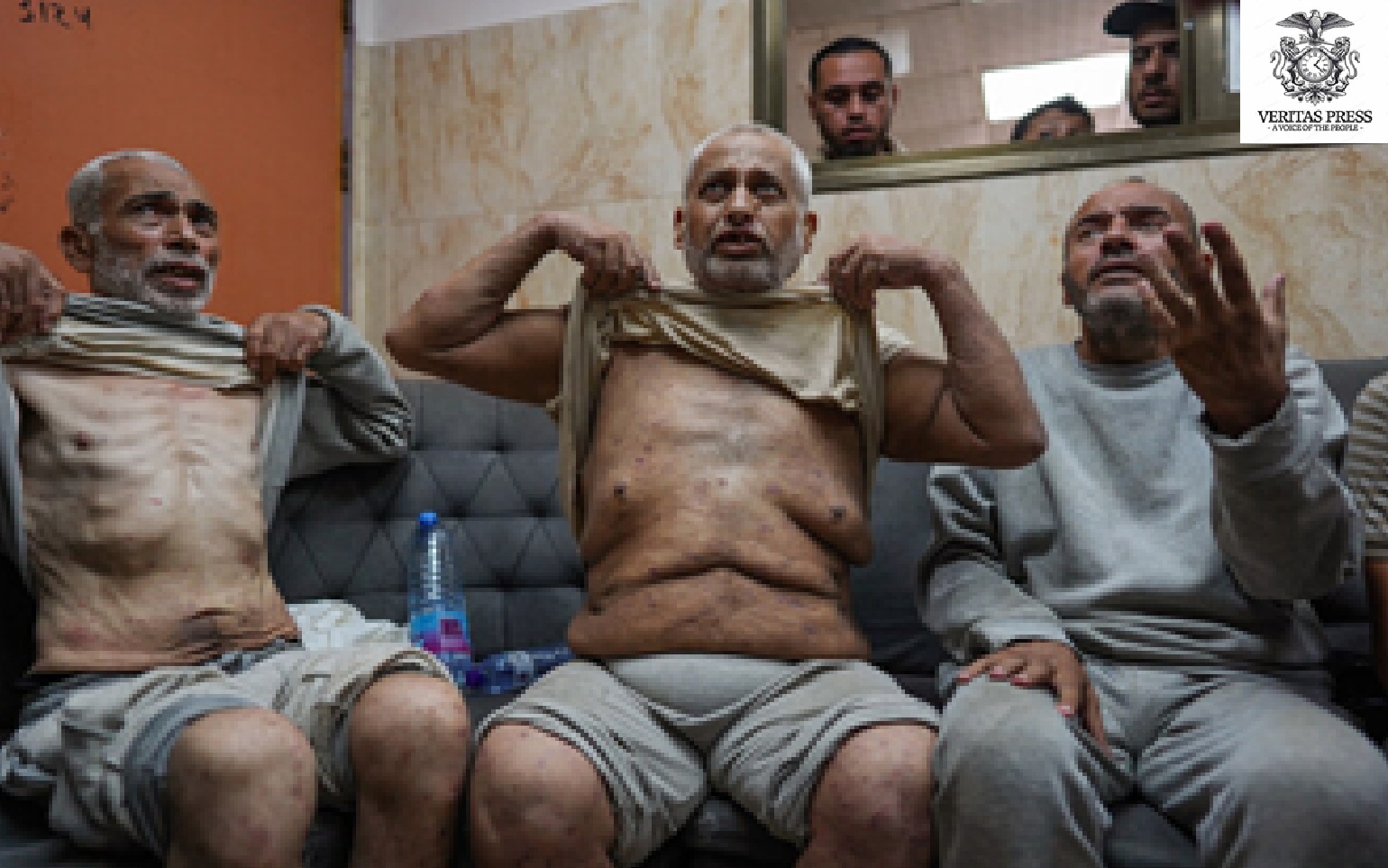
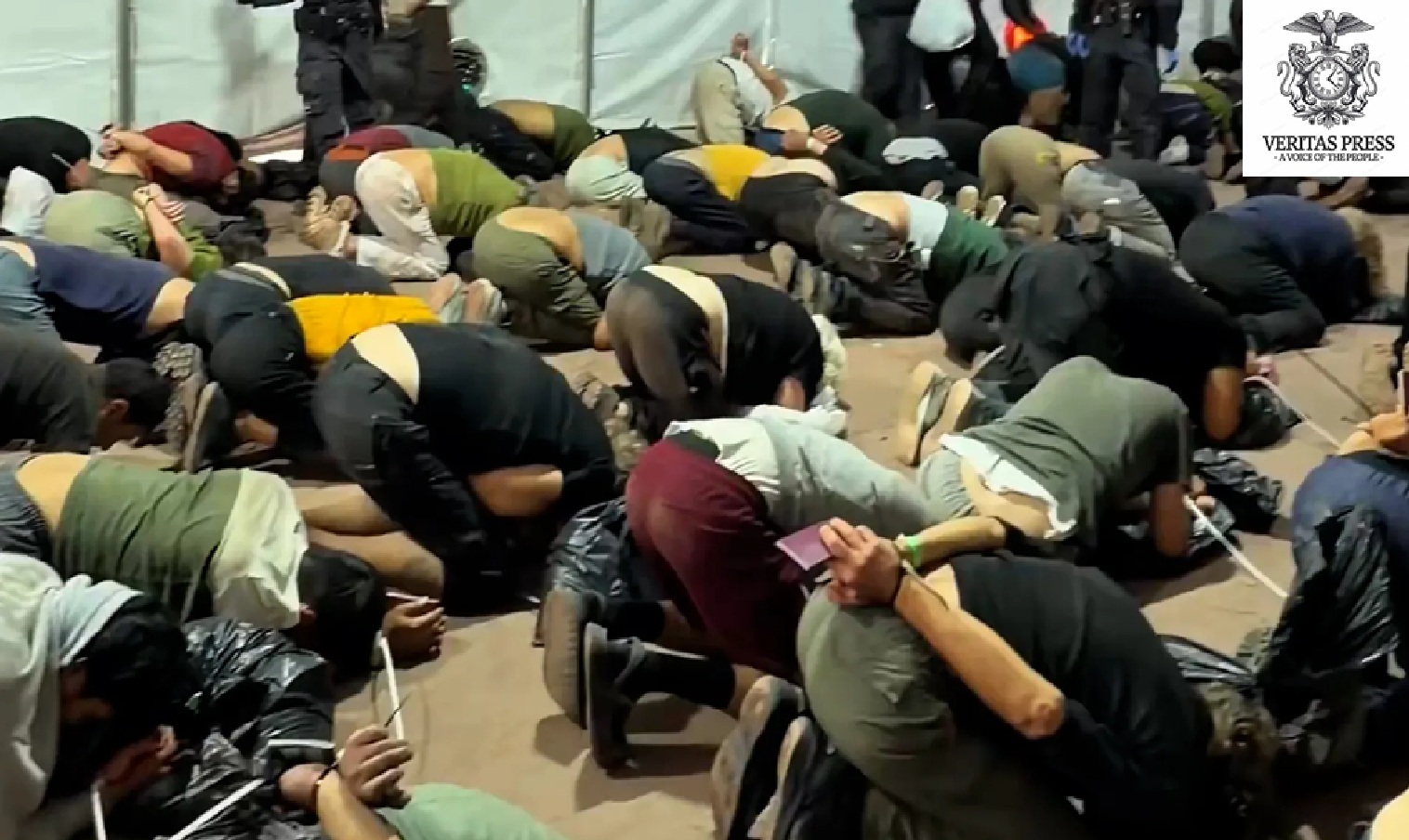
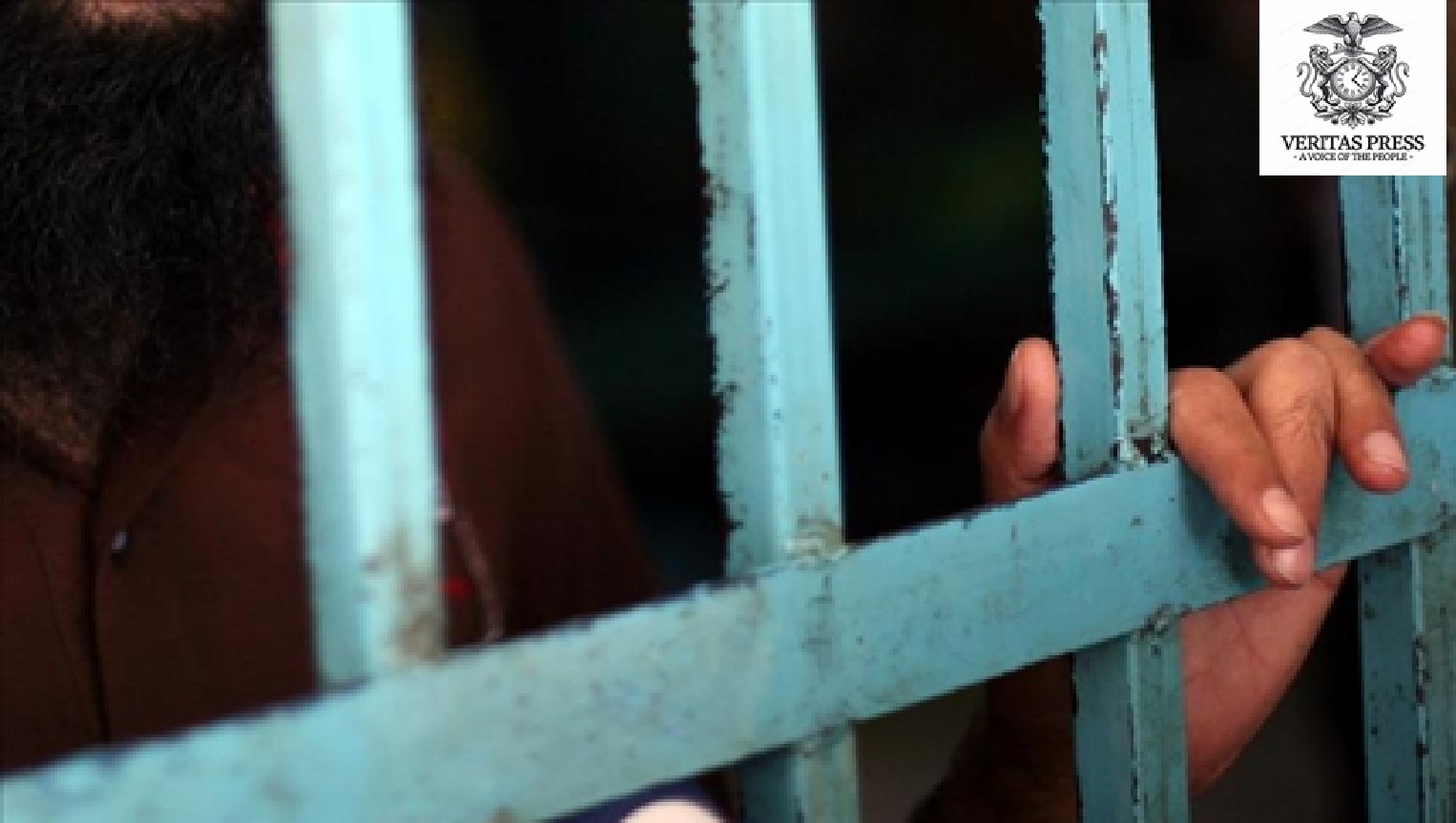
In the video clips made public this year, Ben-Gvir appears at close range to detained Palestinians packed into cells and in visibly poor condition. He taunts and berates them, dismissing basic comforts and intimating that the state will strip prisoners of even minimal rights while pressing for execution-level punishments. Israeli officials have framed the clips as law-enforcement visits intended to show resolve; critics say they are performative intimidation that violates detainees’ dignity and the standards agreed under international law.
The footage is not an isolated provocation. Ben-Gvir has repeatedly called publicly for the death penalty for Palestinians convicted of attacks, and he has boasted of using prison policy as political leverage. Human rights monitors and prisoner organisations say that imprisonment conditions for Palestinians have deteriorated sharply in the wake of recent conflicts, with documented instances of mistreatment, deaths in custody and restrictions on contact and medical care. Those findings have fuelled fears that inflammatory public statements by senior ministers translate into harsher everyday treatment behind bars.
Why This Matters Now: Policy, Performance And Political Consequence:
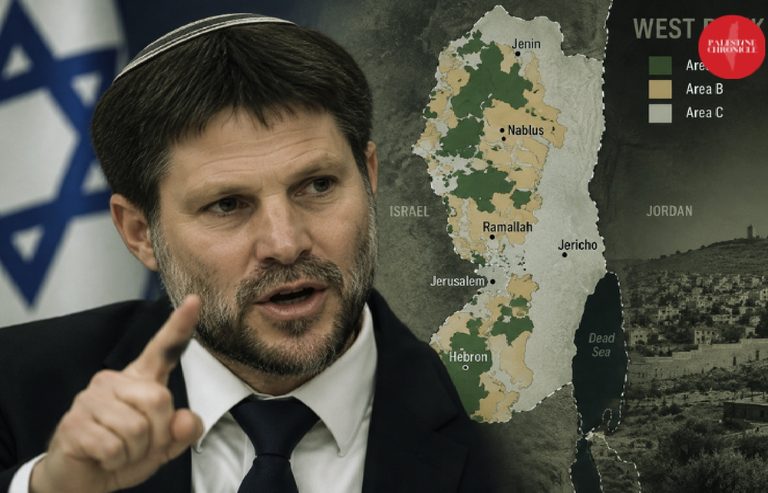
Ben-Gvir’s prison visit and explicit threats come at a moment when the Israeli political landscape is shifting decisively to the right. On October 22, Israel’s parliament approved a preliminary reading of a bill to extend Israeli law and sovereignty to settlements across the occupied West Bank, a move legal experts and many foreign governments say would amount to de facto annexation. The vote was narrow and politically charged, occurring as senior U.S. officials visited Israel and underscoring deep fractures within Israeli politics about how to secure control of territory and populations. Critics warn that a legal annexation, combined with the hardening of punishment policies, will institutionalise disenfranchisement and unequal protection under law.
Ben-Gvir’s public displays feed directly into that trajectory: they are both a signal to his political base that he will pursue punitive sovereignty and a message to Palestinians that the state’s approach will be coercive and unyielding. Observers argue that when a minister tasked with national security openly threatens detainees and lobbies for execution powers, the line between lawful oversight and political intimidation is blurred, and the institutional safeguards that protect prisoners’ rights become more fragile.
International And Legal Implications:
The release of such footage has produced immediate diplomatic pushback. The United Nations and international rights organisations have called for respect for detainees’ rights, independent oversight and access for humanitarian monitors. Legal experts warn that advocating or encouraging extrajudicial punishment and public humiliation of prisoners can amount to violations of international humanitarian law and human rights treaties to which Israel is a party. The separate, simultaneous push in the Knesset to codify control over the West Bank adds a second legal front: formal annexation would exacerbate legal uncertainty for Palestinians and further expose Israeli authorities to international condemnation and potential legal challenges.
Ben-Gvir’s Record Of Incendiary Rhetoric:
Ben-Gvir is widely known as a far-right, ultranationalist politician whose rhetoric has long alarmed human rights advocates. Over the past several years, he has made repeated calls for collective punishments and displacement, defended soldiers accused of severe abuse, and publicly advocated extreme measures against Palestinian positions that critics say amount to incitement and foster a climate in which abuses are more likely to occur. Those past statements make the recent prison footage feel less like a one-off provocation and more like the execution of a deliberate, punitive political strategy.
Reactions: Activists, Families And Watchdogs:
Palestinian activists and victims’ families described the video as evidence of state-sanctioned revenge and a call to impunity. Prisoners’ rights organisations and medical NGOs say the video is consistent with broader patterns they have been documenting: marked deterioration of detention conditions, limits on medical access, and frequent punitive measures that disproportionately affect Palestinian detainees. International NGOs have urged the ICRC and other neutral bodies to be given unfettered access to detention facilities; rights groups have called for independent investigations into all credible allegations of abuse and for accountability where violations are found.
What to watch next:
Whether Israeli judicial or oversight bodies open independent inquiries into the specific incidents shown in the videos, and whether the Prison Service or Ministry of National Security take any disciplinary or policy steps.
How foreign governments, particularly the United States and EU member states, respond diplomatically to both the harassment of detainees and the Knesset’s annexation push. The narrow vote to advance annexation has already strained ties and could prompt further diplomatic pressure.
If and how Palestinian leadership and militant groups react: the treatment of high-profile prisoners can become a flashpoint in negotiations, prisoner exchanges or cycles of escalation. The fate of prisoners like Marwan Barghouti, who remains a symbolic political figure, will be watched closely by negotiators and by the Palestinian public.
Conclusion: Institutionalised Hatred, Political Theatre, And The Erosion Of Law.
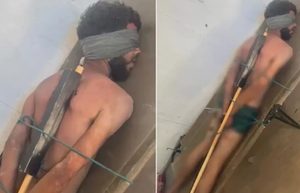
The images of Itamar Ben Gvir swaggering through a prison, sneering at bound Palestinian detainees and calling for their execution are not merely the antics of a provocateur; they are the distilled essence of an ideology that has migrated from Israel’s political fringe to its executive core. What was once the language of extremist street mobs chanting “Death to Arabs” is now spoken by a cabinet minister responsible for law enforcement, prisons, and internal security.
This is not simply a question of Ben Gvir’s temperament, but of state policy taking shape through deliberate humiliation and domination. The prison visit, filmed, publicised, and weaponised for political theatre, was a declaration that cruelty itself has become a form of governance. It demonstrated how the Israeli far-right now uses the spectacle of punishment to reinforce its authority, broadcasting the suffering of Palestinians as proof of control.
Ben Gvir’s performance inside Notzot Prison is part of a wider machinery: the systematic tightening of carceral, territorial, and legislative power against Palestinians. His words echo the broader campaign of annexation now unfolding in the Knesset, where right-wing lawmakers push to extend Israeli sovereignty over the occupied West Bank. In both arenas, prison cells and parliamentary halls, the message is identical: Palestinians are subjects to be managed, not a people with rights or nationhood.
The convergence of these developments exposes a dangerous feedback loop between policy and propaganda. By normalising the language of extermination and execution within the state apparatus, Israel’s far-right government effectively codifies impunity for abuses. When ministers boast of cutting food to Gaza, defend soldiers accused of rape and torture, and call for “a shot to the head” for prisoners, the state’s moral and legal framework collapses into a logic of vengeance. This is not mere rhetoric; it is a precondition for atrocity.
International law is clear: detainees, even those accused of grave offences, retain inherent human dignity and protection from inhumane treatment. Yet the spectacle of Ben Gvir’s filmed visit signifies the opposite, a calculated desecration of that principle, carried out by a state official under the full gaze of the camera and the silence of his peers. It is an act of state cruelty masquerading as patriotism, a message to Palestinians that their lives and rights are expendable, and a warning to the world that Israel’s authoritarian turn is no longer hypothetical.
If annexation proceeds in the West Bank, formalising apartheid under the guise of “sovereignty” and if ministers like Ben Gvir continue to wield power unchecked, Israel will not merely risk international isolation; it will entrench itself as a state that governs through humiliation, dispossession, discrimination, facsim and fear. The moral collapse on display in that prison cell may soon define not just Israel’s treatment of Palestinians, but the very architecture of its governance.
The footage of Ben Gvir is, therefore, more than a scandal; it is evidence. Evidence of a state’s descent into open racial authoritarianism, where punishment replaces justice and power replaces law. What happens inside those cells today will echo far beyond their walls, shaping the future of the occupation and the meaning of sovereignty itself.
Kamran Faqir is a volunteer investigative journalist and writer committed to exposing hidden truths and amplifying underreported stories. Driven by social justice, he brings sharp insight and fearless truth-telling to independent journalism. NUJ registered.
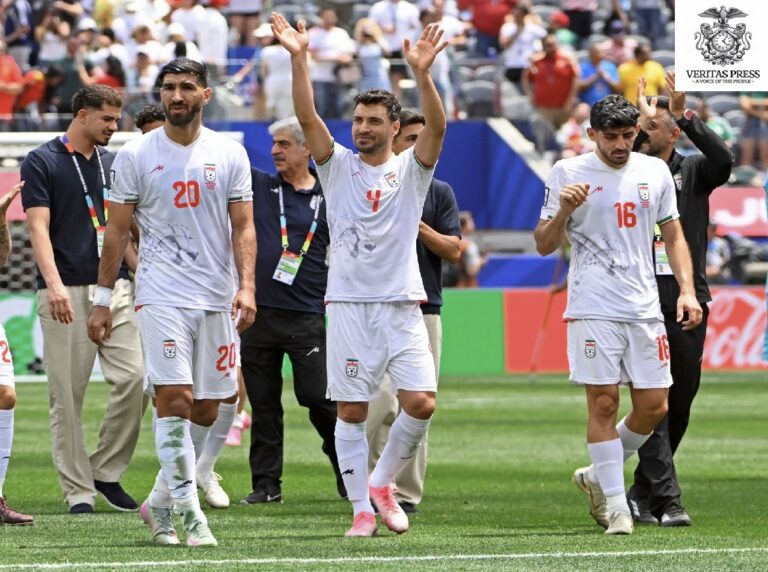
SEATTLE, TEHRAN — The U.S. Department of Homeland Security (DHS) will allow Iran’s national football team to enter the country 48 hours before their critical World Cup match against Egypt on Friday, a modest concession in a tournament where Team Melli’s travel conditions have sparked claims of oppression and competitive disadvantage.