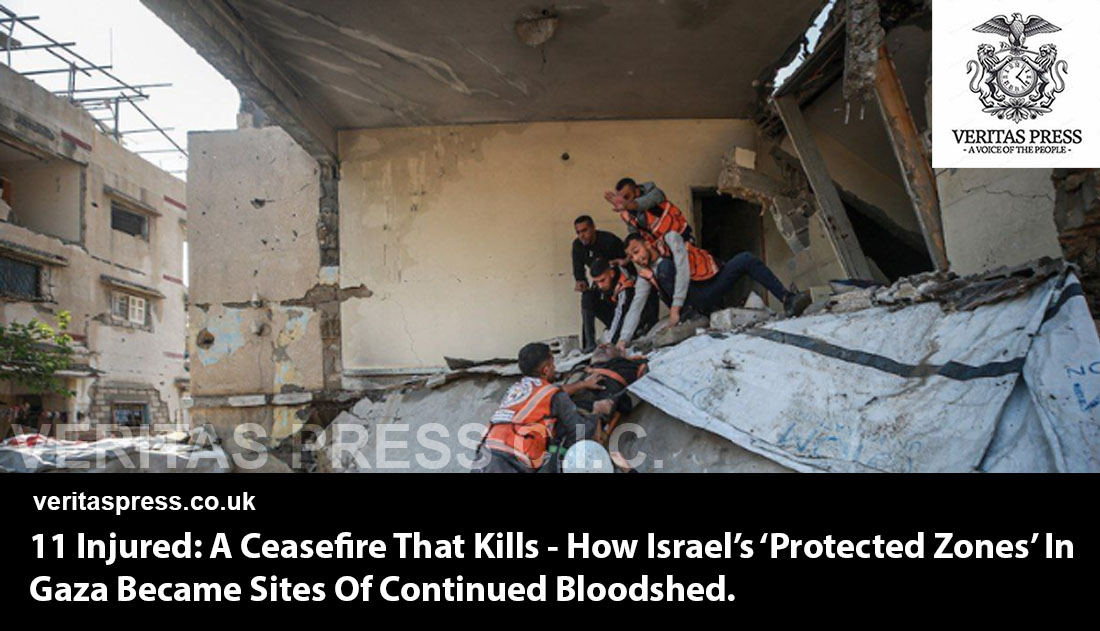

Title: 11 Injured: A Ceasefire That Kills – How Israel’s ‘Protected Zones’ In Gaza Became Sites Of Continued Bloodshed.
Press Release: Veritas Press C.I.C.
Author: Kamran Faqir
Article Date Published: 18 Dec 2025 at 11:50 GMT
Category: Middle-East | Palestine-Gaza-West Bank-OPT | 11 Injured: A Ceasefire That Kills – How Israel’s ‘Protected Zones’ In Gaza Became Sites Of Continued Bloodshed.
Source(s): Veritas Press C.I.C. | Multi News Agencies
Website: www.veritaspress.co.uk

Business Ads


GAZA CITY — When an Israeli shell slammed into a civilian gathering in Gaza City’s al-Samar neighbourhood this week, wounding at least 11 people, it did not land in a combat zone. It struck an area Israeli forces had formally withdrawn from under the ceasefire agreement.
This was not a battlefield error on an active front. It was a strike inside a zone designated as safe.
Ambulance crews rushed the wounded to overwhelmed hospitals across the Strip. Witnesses described panic, blood-soaked streets, and civilians scrambling for cover in a place they had been told was no longer under threat.
“I don’t understand where we are supposed to go,” said one resident, standing near the blast site. “They told us this area was cleared. There are no fighters here. Only people trying to survive.”
The Israeli military later claimed the shell had “missed its intended target” by roughly four kilometres, a statement that, rather than reassuring Gaza’s civilians, has intensified questions about the conduct of Israeli operations during a ceasefire meant to protect them.
‘Mistakes’ That Keep Repeating:
Israeli Channel 12 quoted a military source describing the Gaza City strike as an error. But Palestinian medics, rights groups, and independent analysts say the incident fits a familiar pattern: civilians harmed in supposedly protected areas, followed by vague acknowledgements and internal “reviews” with no public accountability.
“This was not an isolated incident,” said a senior medic at al-Ahli Hospital, which received several of the wounded. “We continue to receive patients from areas that are supposed to be safe. The ceasefire has not stopped the injuries; it has only changed the language used to explain them.”
According to Gaza’s health ministry, 395 Palestinians have been killed and more than 1,088 injured since the ceasefire took effect on October 11, all in what authorities describe as Israeli violations of the agreement. Hundreds more bodies have been recovered from rubble left by earlier attacks.
Military Raids Continue, Ceasefire Or Not:
Even as Israeli officials publicly reference the truce, Israeli forces continue to operate across large portions of Gaza.
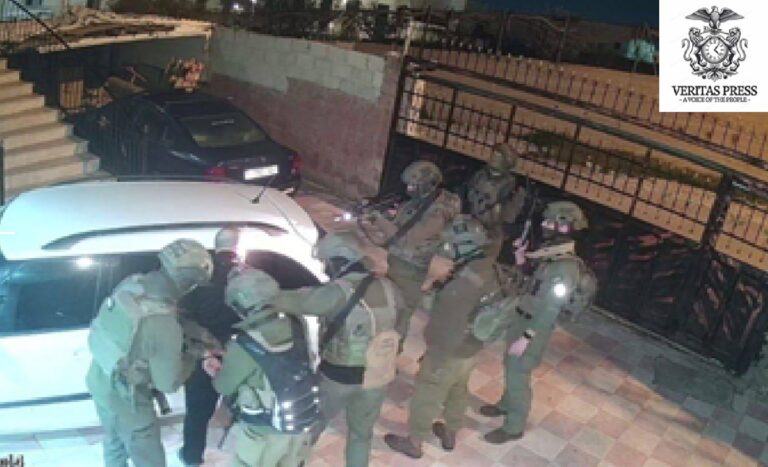
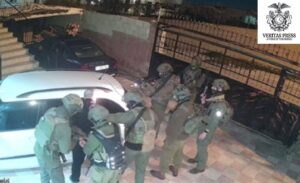
Early Thursday morning, Israeli troops conducted raids east of Rafah and Khan Younis, areas where Israeli units remain deployed. Later, Al Jazeera reported renewed airstrikes and helicopter gunfire east of Khan Younis, with residents reporting sustained explosions and heavy fire.
Despite the ceasefire, Israel maintains effective control over approximately 60 percent of the Gaza Strip, including much of the south, east, and north, a reality that undermines claims of de-escalation.
“What exists is not a ceasefire in any meaningful sense,” said a regional security analyst based in Beirut. “It is a managed level of violence that preserves Israeli military dominance while exposing civilians to constant risk.”
Hospitals Under Pressure, Again:
Medical facilities across Gaza, already shattered by two years of bombardment, are once again absorbing casualties.
“We are still operating in emergency mode,” said Dr. Fadel Naeem, director of al-Ahli Hospital. “There has been no recovery period. Patients keep coming, fuel remains scarce, and winter illnesses are spreading fast.”
Since October 2023, more than 120,000 Palestinians have been killed and approximately 400,000 injured, according to medical authorities. The vast majority of the dead are women and children.
Many victims remain buried beneath collapsed buildings, inaccessible to rescue teams due to destroyed roads, fuel shortages, and ongoing security risks.
Winter Turns Siege Into A Death Sentence:
As Israeli strikes continue, Gaza is being battered by a harsh winter, and the consequences are deadly.
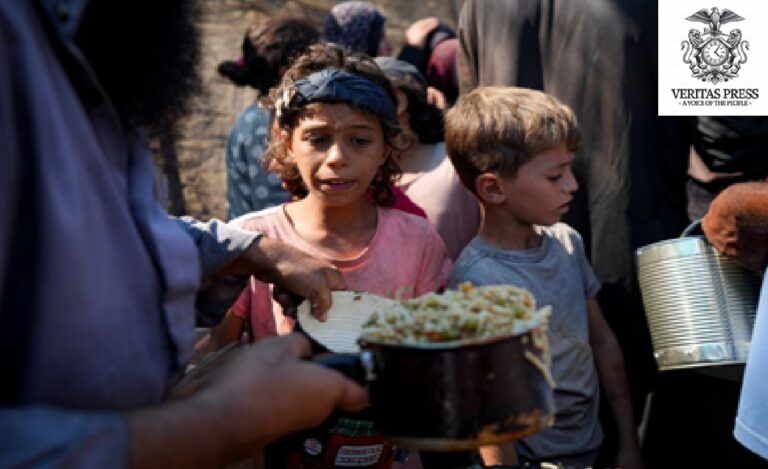
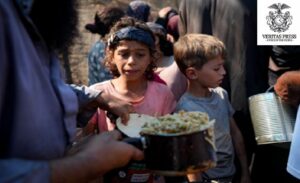
Medical sources confirm that at least 13 Palestinians have died from exposure and cold-related conditions in recent days. Displaced families, living in flooded tents or roofless ruins, lack heating, electricity, or adequate shelter.
“Winter has become another weapon,” said a Gaza Civil Defence spokesperson. “People are not dying only from bombs. They are dying because their homes were destroyed and aid is blocked.”
The International Rescue Committee warned that thousands of families remain without proper shelter despite available supplies waiting outside Gaza.
“Preventable deaths are inevitable if shelter materials, fuel, and medical aid continue to be restricted,” said Bob Kitchens, the IRC’s vice president for emergencies. “A ceasefire that does not allow aid to move freely is not saving lives.”
Aid Delivery Under Fire:
Humanitarian organisations say the danger is not hypothetical.
Human Rights Watch has documented repeated Israeli strikes on aid convoys and humanitarian sites, even after coordinates were shared with Israeli authorities through deconfliction mechanisms.
“These attacks expose fundamental flaws in Israel’s deconfliction system,” said HRW crisis researcher Belkis Wille. “Sharing coordinates has not protected aid workers. That raises serious legal concerns.”
Several international aid agencies have scaled back operations, citing unacceptable risks to staff.
“I cannot send more people into Gaza knowing they may not come back,” one senior aid official told investigators. “Deconfliction is no longer a safety guarantee.”
Legal Accountability Still Absent:
International law experts warn that repeated strikes in civilian areas, combined with restrictions on aid, shelter, and fuel, may constitute grave breaches of international humanitarian law.
Amnesty International has called for independent, international investigations, arguing that internal military reviews have consistently failed to deliver accountability.
“A ceasefire does not suspend legal obligations,” Amnesty said in a recent statement. “Civilians remain protected at all times.”
Yet no independent mechanism currently monitors or enforces the ceasefire on the ground.
A Truce Without Protection:
For Gaza’s civilians, the ceasefire has not brought safety, only uncertainty.
The al-Samar strike has become emblematic of a broader truth: zones declared safe are not safe, and agreements announced abroad do not translate into protection on the ground.
“What kind of ceasefire allows helicopters to fire and shells to land among civilians?” asked a local journalist in Gaza City. “This is not peace. It is survival under new rules.”
As winter deepens and violations mount, Gaza’s population remains trapped, between rubble, cold, and the persistent threat of Israeli fire, while the international community debates a ceasefire that, for those living under it, has yet to truly begin.
Conclusion: Gaza Under Siege, A Ceasefire That Protects Only Impunity.
What is happening in Gaza is not a temporary lapse or a series of accidental errors. It is the predictable result of a ceasefire imposed on a population under near-total occupation, where Israel exercises absolute control over Gaza’s land, airspace, maritime borders, and internal movement, while civilians are systematically denied essential protection and aid.
The shell that struck the al-Samar neighbourhood in Gaza City did not simply “miss” a target. It exposed the lethal reality of a military occupying force that can fire into areas formally evacuated under a ceasefire while retaining the capacity to decide who lives or dies across 60 percent of the Strip. Israeli forces control southern and eastern Gaza, much of the north, crossings, and key infrastructure, giving them unprecedented power over every dimension of civilian life and survival.
Aid As A Weapon, Not A Lifeline:
This absolute control extends to humanitarian aid. Gaza’s borders and crossings are tightly regulated; fuel, food, medical supplies, tents, and building materials enter only in limited, controlled quantities. Aid becomes a tool for political leverage, not a lifeline for civilians. Winter storms, flooded tents, and freezing temperatures have already claimed lives, at least 13 deaths due to cold in the past week alone, because essential supplies cannot reach those trapped under Israeli-imposed restrictions.
A senior humanitarian official told investigators bluntly: “Aid is allowed in quantities that manage collapse, not prevent it.” In effect, Israel’s absolute control transforms survival into conditional charity, with human suffering an anticipated, if unintended, consequence of policy.
Violence Without Accountability:
Military dominance over Gaza’s territory also allows repeated strikes in zones designated as safe, attacks on aid convoys, and restrictions on movement, all without independent oversight or consequences. Civilians are trapped in areas where every aspect of survival, shelter, food, medical treatment, is mediated by the occupying power.
Hospitals remain overwhelmed, roads are blocked, and reconstruction is impossible without permits or fuel. Residents live in constant fear, not only of bombs, but of exposure, starvation, and untreated illness. The result is a managed humanitarian crisis, where death is deferred, redistributed, and normalised, while the international community debates abstract principles rather than enforcing protection.
A Ceasefire That Kills Slowly:
A ceasefire without enforcement, without access to aid, and under the absolute control of an occupying power is not a truce; it is a mechanism of attrition. The Palestinian population is subjected to a slow, structural violence: bombardment is reduced, but hunger, disease, exposure, and deprivation are weaponised through occupation and blockade.
Until independent monitoring is established, humanitarian access is unconditional, and violations are punished, the so-called ceasefire will remain a paper shield for civilians and a license for continued domination and harm.
Gaza’s reality is stark: over 120,000 dead, approximately. 400,000 wounded, and countless more trapped under rubble or in tents flooded by winter rains, all under the absolute control of a military power that defines the terms of life and death.
This is not an accidental failure of diplomacy. It is a deliberate orchestration of suffering, and until the international community acts to enforce accountability and humanitarian law, Gaza will remain occupied, controlled, and lethally constrained, a population held hostage under the guise of peace.